
Meet the Researcher: Dr Kai Wu
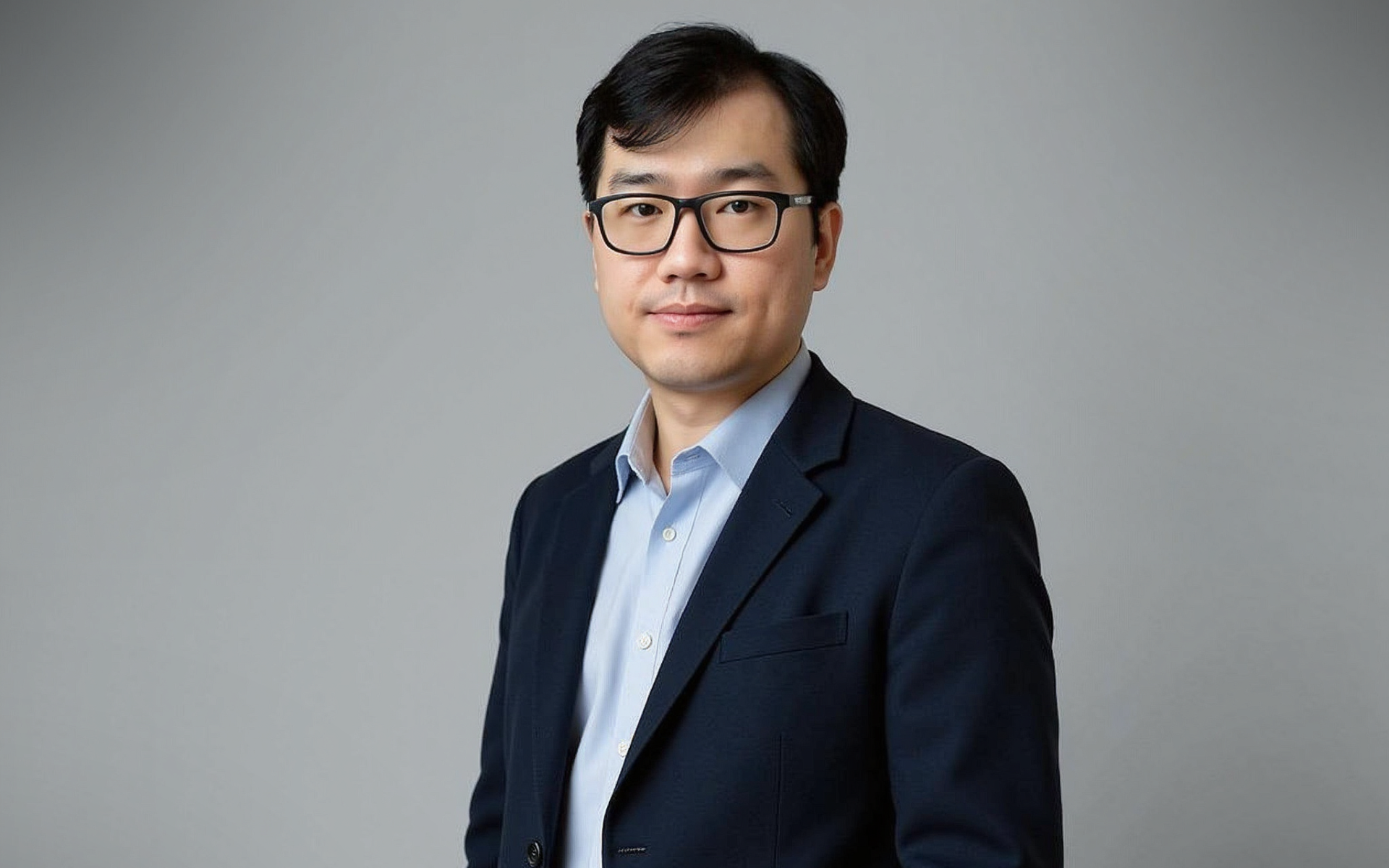
Dr Kai Wu. Credit: Supplied
Dr Kai Wu is a Senior Lecturer in the School of Electrical and Data Engineering at the University of Technology Sydney, and an ARC Industry Fellow (2025-2028). His research focuses on joint communications and radio sensing (JCAS), a core technology underpinning next-generation wireless and sensing systems. His broader interests span digital and antenna array signal processing, 5G+/IoT physical-layer technologies, and embedded system design.
Tell me about your interest in joint communications and radio sensing.
My work focuses on joint communications and radio sensing (JCAS), a technology that enables modern wireless networks to “see” the world around them while still providing connectivity. I was drawn to this field because it brings together two areas I’ve always enjoyed: advanced signal processing and practical, real-world problem-solving. While traditional communication systems focus solely on transferring data, the radio environment itself carries valuable information about motion, objects and weather. JCAS unlocks that information by turning everyday communication signals into powerful sensors. The possibility that a mobile network can function as a large-scale, distributed sensing system is what continues to inspire and motivate my research.
How do you use sensors in your work, and why?
Sensors help me understand how wireless signals behave in complex environments, whether that’s a flooded river, a crowded building, or a fast-changing 5G network. In recent projects, I’ve been using existing mobile phone signals as a form of passive rainfall sensor, capturing tiny changes in wireless signal that occur during rainfall. This enables cost-effective and highly scalable hydrological monitoring without installing new active radios.
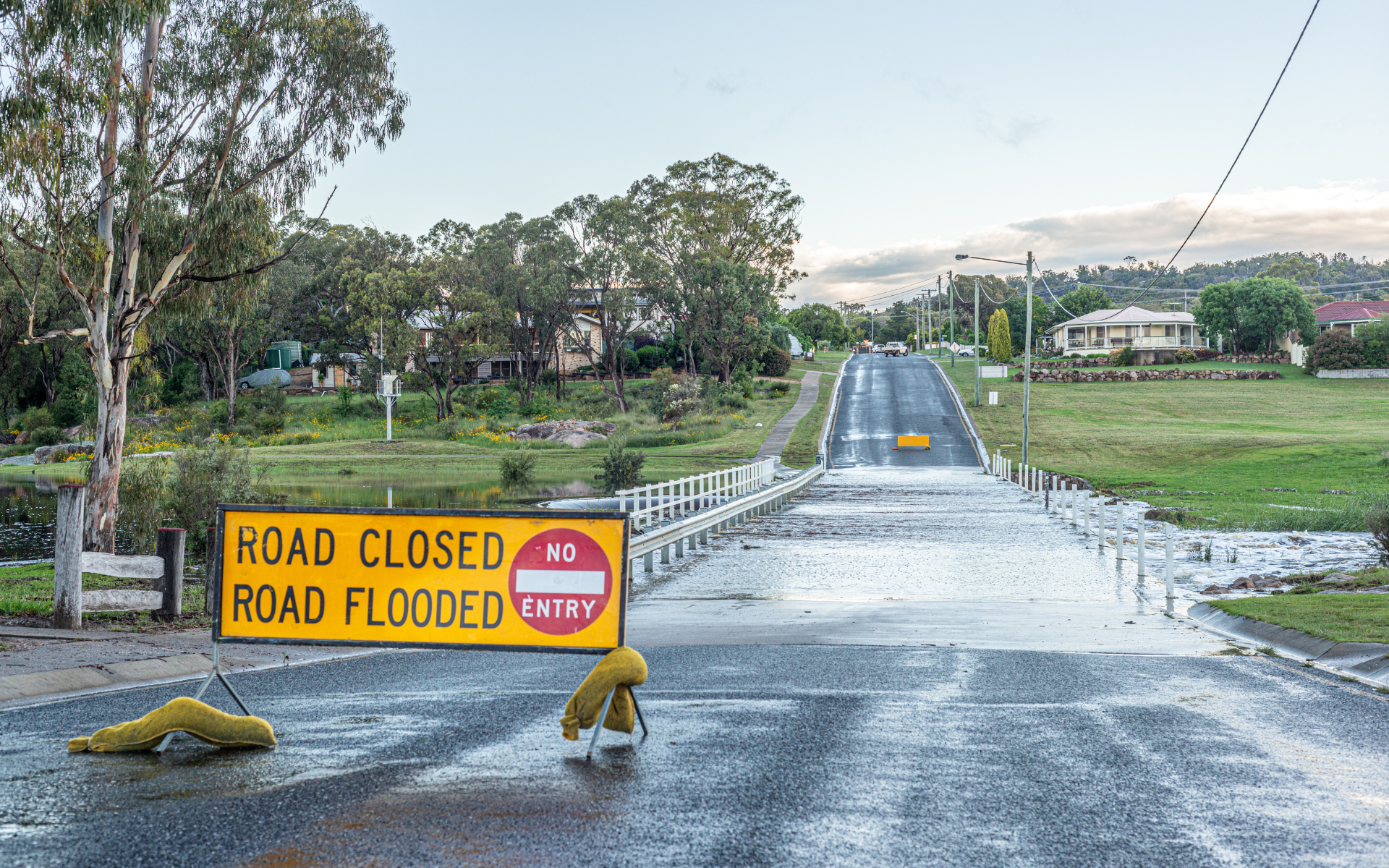
Dr Kai Wu is using existing mobile phone signals as a form of passive rainfall sensor, helping deliver earlier warnings and safer responses during floods and extreme weather. Credit: AdobeStock
Beyond weather sensing, I use mmWave radars, software-defined radios, and multi-antenna arrays to measure motion, reflections and environmental changes. These sensors are critical for developing the next generation of wireless systems that are adaptive, energy-efficient and situationally aware.
What’s been your most rewarding achievement or moment in your research career?
One of the most rewarding parts of my career has been successfully validating the feasibility of using mobile network signals for environmental sensing to enhance Australia’s resilience to extreme weather. Through the Flood and Storm Intelligence Program with the NSW State Emergency Service, and the ongoing network sensing project funded by TPG Telecom, we have demonstrated that existing communication infrastructure can serve a second purpose: acting as a highly scalable, passive sensing network for monitoring rainfall, water levels and broader hydrological conditions.
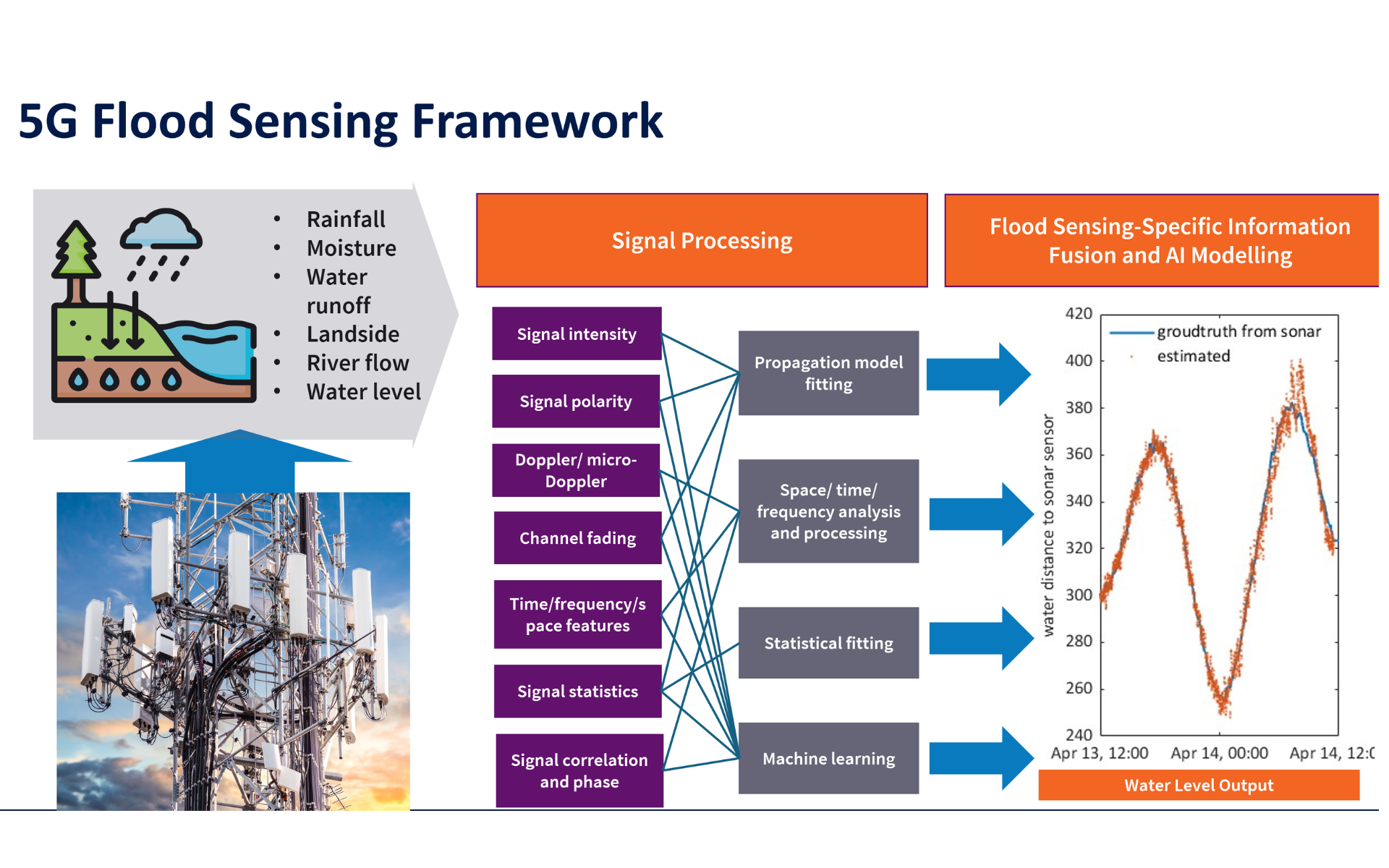
Dr Kai Wu’s 5G flood sensing framework. Credit: Supplied
This work allowed me to apply my expertise in joint communications and sensing (JCAS) to tackle real-world challenges directly linked to community safety. Our key findings and field-validated results have attracted strong public and industry interest, including coverage on 7NEWS (2024) and 9NEWS (2025), which highlighted the technology’s potential to support earlier warnings and reduce the impacts of severe weather across the state.
What makes this achievement particularly meaningful is its broader vision. These results confirm that communication networks can evolve into intelligent environmental sensors, representing a major shift in how nations could monitor floods, storms and natural hazards. I am deeply committed to maturing this technology from successful trials into large-scale deployments across Australia, and eventually adapting it for international use in regions facing similar climate and infrastructure challenges.
With co-funding support from the NSW Connectivity Innovation Network and NSSN, I have also been able to advance a novel standalone wireless rain sensor, designed to demonstrate how frequency, spatial and multipath diversities in mobile network signals can be jointly leveraged for real-time rainfall intensity sensing.
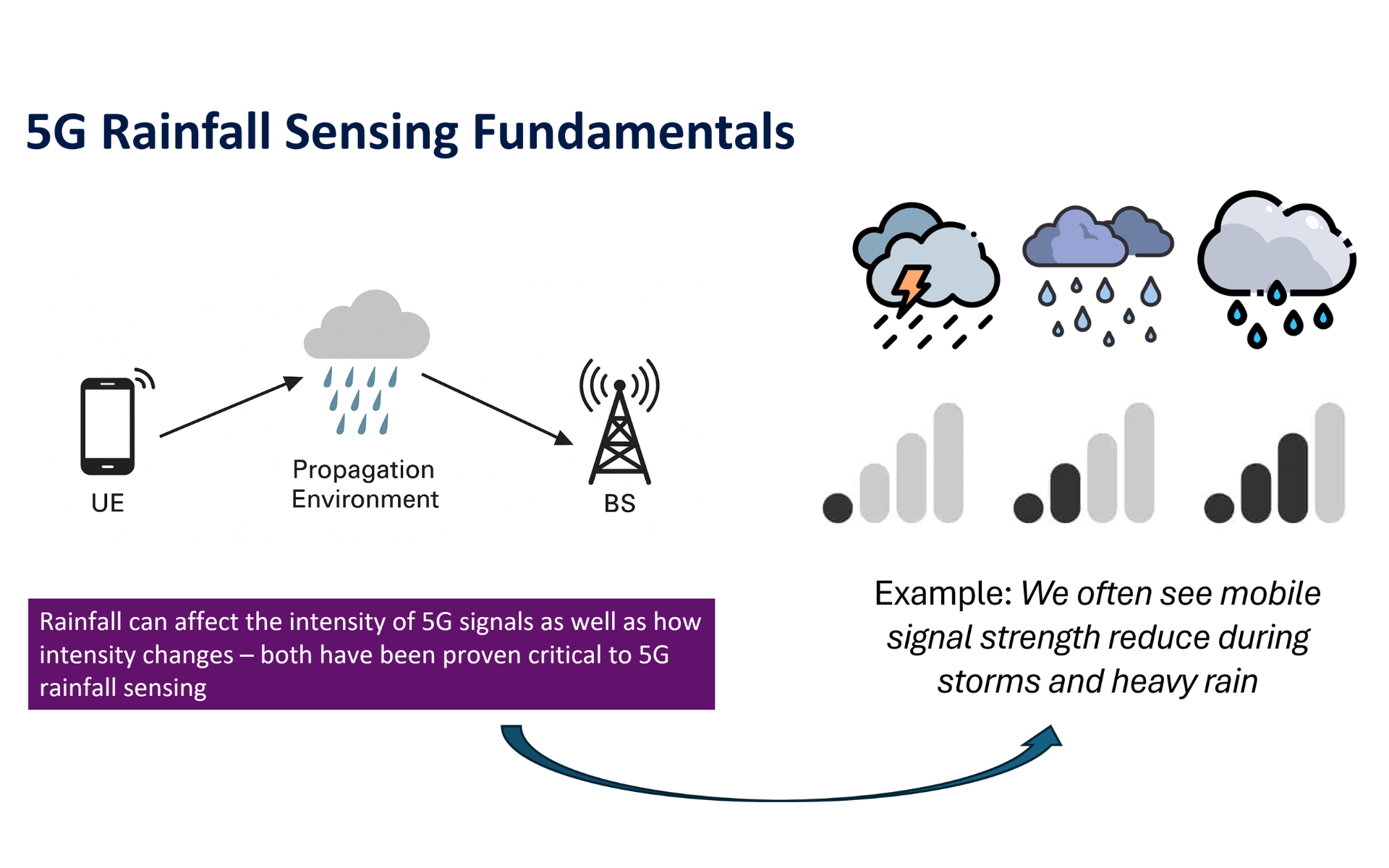
5G rainfall sensing fundamentals underpinning Dr Kai Wu’s research. Credit: Supplied
Translating advanced signal-processing research into practical solutions that can help safeguard people, animals and critical assets during severe weather is, to me, the most impactful and fulfilling part of my career.
What more are you hoping to achieve in your career?
Looking ahead, I hope to help establish Australia as a global leader in intelligent communication-sensing technologies. My goal is to advance systems that can simultaneously connect and sense, enabling new capabilities in environmental monitoring, disaster resilience, autonomous systems and next-generation wireless networks.
A major focus will be translating our research into real deployments: maturing mobile-signal-based environmental sensing so it can operate statewide, integrating multi-sensor data streams into emergency-management platforms, and designing new antenna and signal-processing techniques for 6G and beyond. I am also committed to training the next generation of talents who can bridge theory, hardware and field deployment, ensuring Australia has the talent needed for future digital infrastructure.
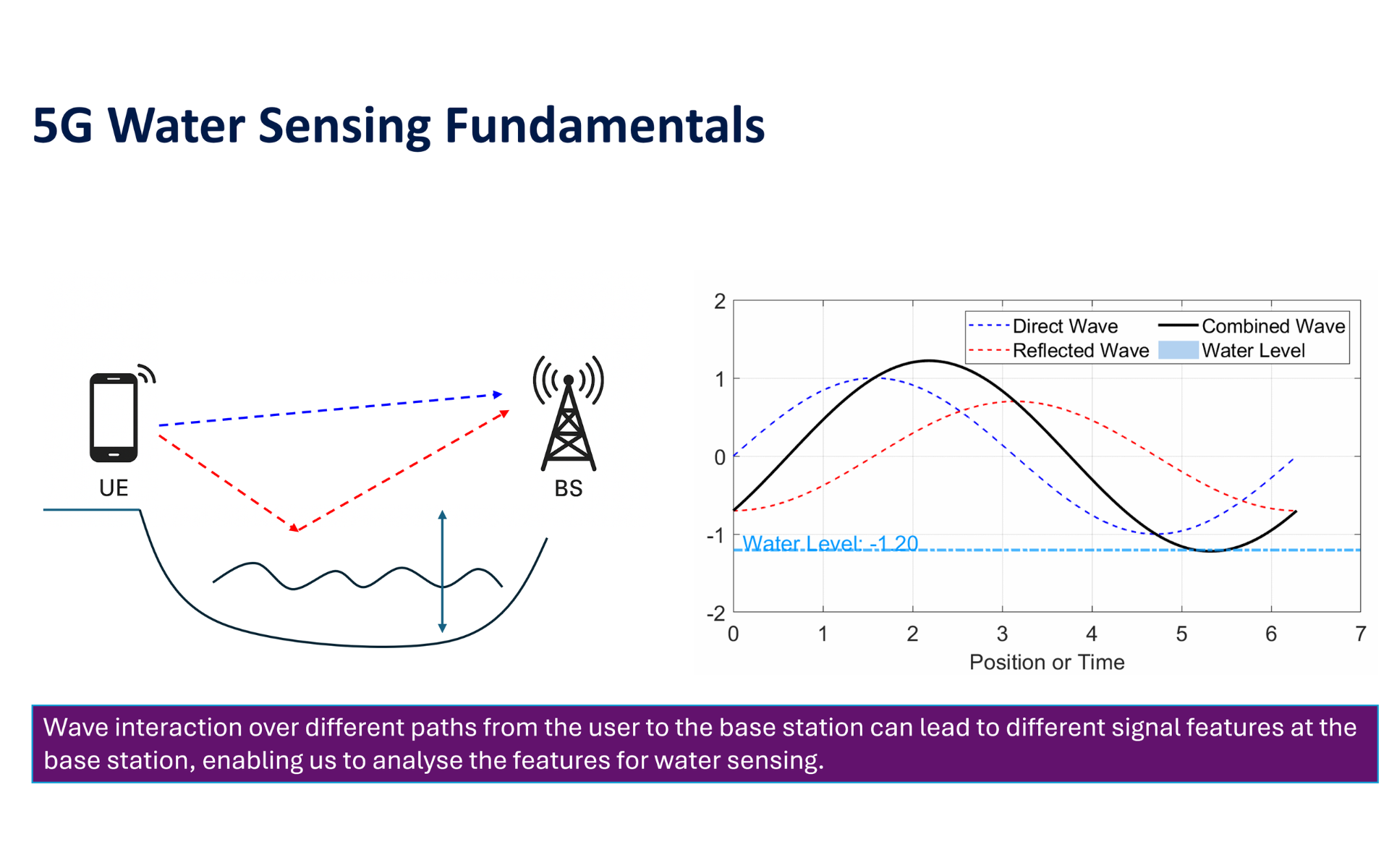
5G water sensing fundamentals underpinning Dr Kai Wu’s research. Credit: Supplied
Ultimately, I want my work to help build communication systems that are not only fast and reliable, but also deeply aware of the environment and capable of supporting communities when it matters most.
Why is what you do important?
Australia faces increasing challenges from floods, storms and climate-driven weather extremes. At the same time, society is becoming more dependent on wireless connectivity for safety, mobility and economic resilience. My research sits at this intersection: building wireless systems that can sense, interpret, and respond to the environment, not just communicate.
Technologies such as mobile-signal-based rainfall sensing, mmWave radar, and integrated communication-sensing networks have the potential to provide real-time environmental awareness at national scale. This can support earlier warnings, more accurate situational intelligence, and better protection for people, animals and critical infrastructure during emergencies.
Beyond natural hazards, this work contributes to the broader evolution of wireless technology. Future 6G networks are expected to integrate sensing as a core capability, allowing them to optimise coverage, reduce energy consumption, and enable new applications such as smart cities, autonomous transport and precision agriculture.
In short, what I do is important because it helps turn our communication networks into smart, resilient infrastructure capable of improving safety, efficiency and quality of life both in Australia and globally.