
Beyond the funding gap: Women building Australia’s next generation of spinouts
Despite progress in research and innovation, women remain significantly under-represented in startup founding teams and receive only a small share of venture funding. Yet across Australia’s universities, women scientists are increasingly stepping forward to translate their discoveries into real-world solutions.
To mark International Women’s Day, the NSSN spoke with five women from our member universities who are working with smart sensors and have either built spinouts based on their research or are progressing towards a spinout.
We explore what drives them, the challenges they’ve encountered, and why representation matters.
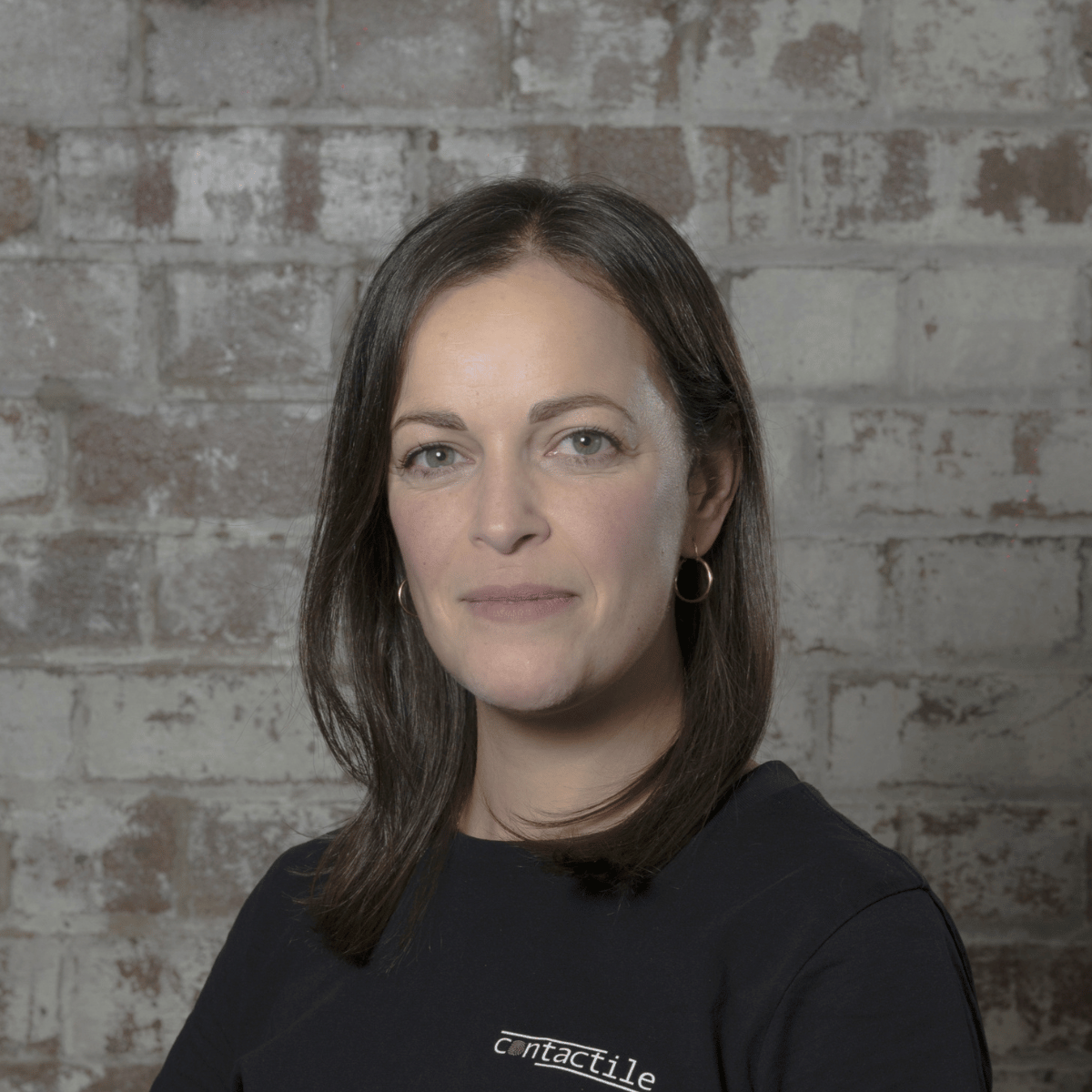
Dr Heba Khamis. Credit: Supplied
Dr Heba Khamis is the CEO and Co-Founder of Contactile.
Contactile is an Australian robotics company developing bio-inspired tactile sensors that give robots a human sense of touch. By embedding high-resolution, multi-axis force sensing into robotic grippers, Contactile enables real-time grip force control and true robotic dexterity. The technology allows robots to securely handle objects of varying size, weight, shape, compliance and fragility, and to perform complex manipulation tasks in dynamic environments. Contactile is the tactile manipulation layer for Physical AI.
I began developing tactile sensing technology inspired by human skin as an engineering academic at UNSW Sydney. Recognising the commercial gap between laboratory research and real-world robotic deployment, I co-founded the company to translate the research into scalable products for advanced automation.
The number of women entrepreneurs in Australia has stalled. What do you see as the key barriers facing women entrepreneurs?
The number of women entrepreneurs in Australia has stalled due to structural and cultural barriers. Access to capital remains a major challenge, with unconscious bias influencing funding decisions. Women are also underrepresented in investor networks, high-growth technology sectors, and leadership pipelines. Caregiving responsibilities and a lack of visible role models further compound the issue.
What solutions or changes do you believe would make the biggest difference?
The biggest difference would come from increasing equitable access to capital, including more women decision-makers in venture firms, targeted funding pathways, and transparent investment criteria. Strengthening mentorship networks, celebrating successful female founders, and normalising flexible work structures would also help unlock more women-led innovation.
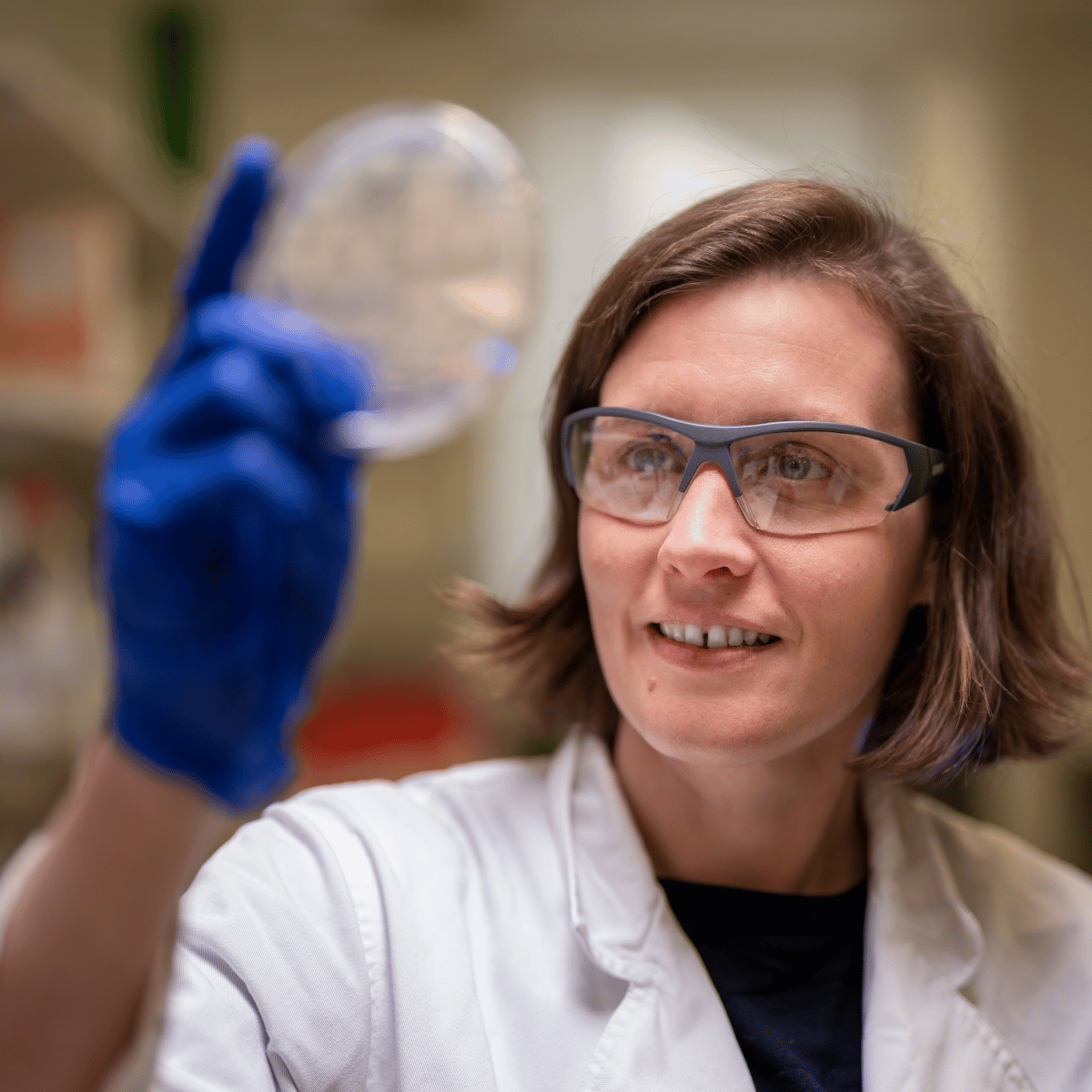
Professor Caitlin Byrt. Credit: Supplied
ANU Plant Scientist Professor Caitlin Byrt is the Co-Founder of biotech startup Membrane Transporter Engineers.
Our team at Membrane Transporter Engineers study the function of the parts in plant membranes that control the movement of water, nutrients and metals. For most the last couple of decades we have been using the information from our studies to improve crop performance for food security, then we came across an article describing novel filters developed for recycling water in space that borrowed the functions of water selective proteins from microbes. Learning about this innovation prompted us to consider an intriguing question – could the function of the parts that plants use to identify and separate critical nutrient and metal resources be applied to develop technology for harvesting these critical resources from industrial wastes?
With my laboratory team members, Dr Samantha McGaughey and Dr Annamaria De Rosa, we started an R&D program to answer this question. We used biotechnology to replicate the natural ability of plant cell membranes to separate specific molecules. We call the system we developed BERST, for Bioderived Element Resource Separation Technology. To build BERST specialized engineered protein components are embedded into membrane systems to improve membrane selectivity for critical resources. To commercialise BERST we founded Membrane Transporter Engineers (MTE) Pty Ltd. MTE focuses on creating sustainable, bio-inspired, and modular filtration systems for industry so that valuable resources can be harvested from industrial wastes.
What do you see as the key barriers facing women entrepreneurs?
Women entrepreneurs, like women in STEM, routinely encounter biases that undermine perceptions of their abilities and competence—despite having equal or superior skills, qualifications, and performance compared with their male peers. In STEM, these biases surface in peer review, grant and job applications; in the start-up ecosystem, they appear in investor assessments of credibility and capability.
What solutions or changes do you believe would make the biggest difference?
We need interventions that increase accountability and transparency: Dedicated funds for women founders, mandated reporting of gender-disaggregated funding, investment schemes that better incentivise gender-balanced portfolios, non-dilutive funding pathways to reduce reliance on biased private capital.
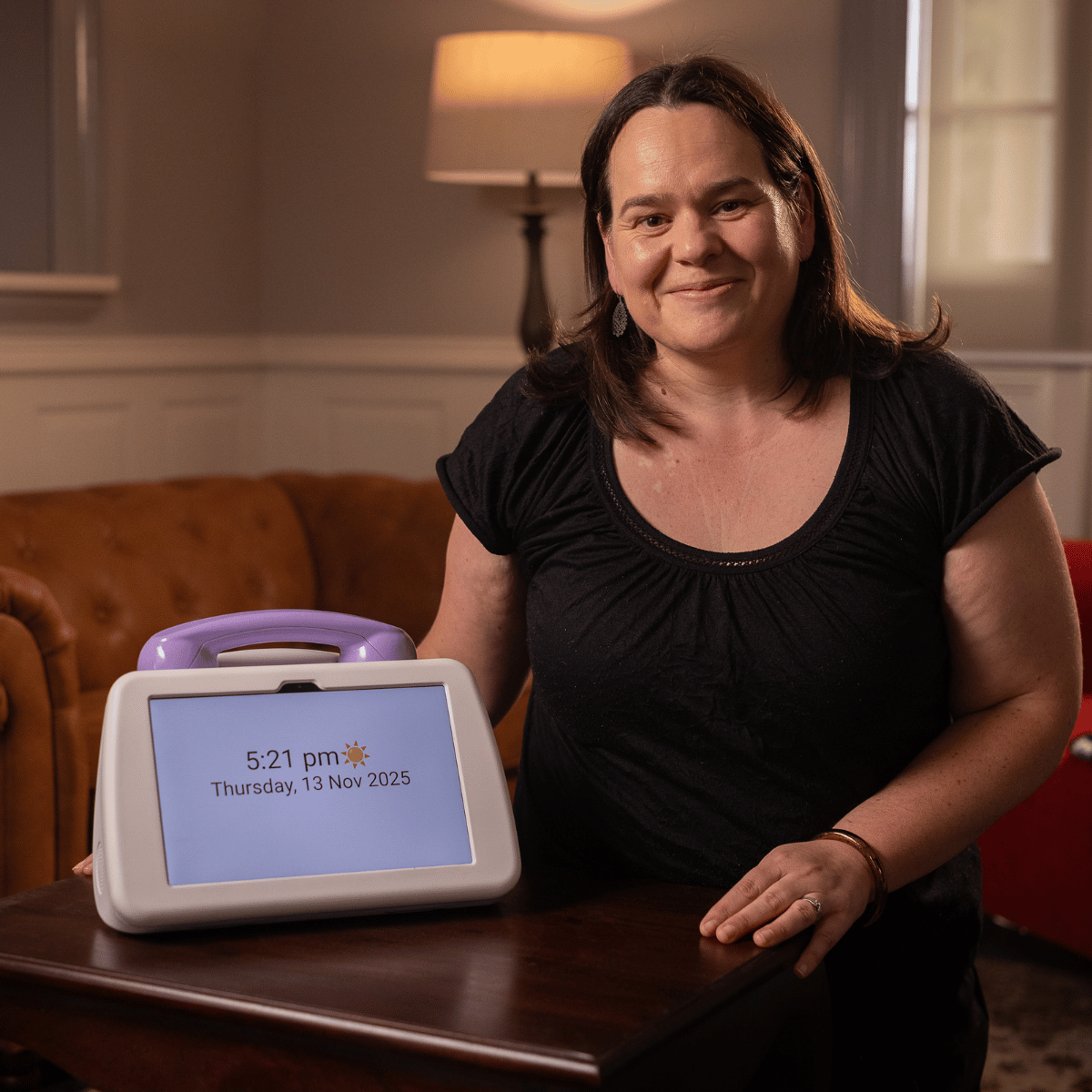
Associate Professor Celia Harris with the MemoryAid device. Credit: Supplied
Associate Professor Celia Harris is A/Prof in Cognitive Science and a Chief Investigator at The MARCS Institute for Brain, Behaviour and Development at Western Sydney University. A/Prof Harris is CEO and Co-Founder of MemoryAid.
MemoryAid is a home assistant device designed for older people and people living with dementia. It provides reminders and simple ways to stay in touch with loved ones, but instead of navigating a small touchscreen, users interact with it like a traditional handset phone, combining modern digital functions with a familiar, intuitive interface.
As an expert in memory and ageing, I developed MemoryAid – working with teams of developers and engineers – after seeing the gap between what cognitive science shows are the strengths of older people and people with dementia, and what mainstream technology offers. Technology is built for a young default user, and older people are expected to adapt. MemoryAid flips that model. We co-designed it with real families and have now founded the company to get it into the hands of people who can benefit.
What do you see as the key barriers facing women entrepreneurs?
I’ve often found myself as the only woman in the room, particularly in investor and technology settings. That can subtly shape the dynamics of who speaks first, who is assumed to be technical, what kinds of knowledges and expertise are valued, and who is seen as the decision-maker. Entrepreneurship tends to reward confidence and rapid positioning, and those norms don’t always align with how women are socialised to operate. I think the combination of visibility, networks, and cultural expectations still plays a role in why numbers haven’t shifted.
What solutions or changes do you believe would make the biggest difference?
The biggest difference for me has been mentorship. I’ve been fortunate to have senior women mentors who help me to notice and challenge the ways I’ve been socialised to minimise risk or downplay ambition. I’ve also had male mentors who advise without patronising and who respect my authority and expertise. That combination has been powerful. Programs that increase visibility of female founders, and that equip senior leaders and investors to recognise and disrupt stereotyped dynamics and different ways that expertise can present, would make a real difference.
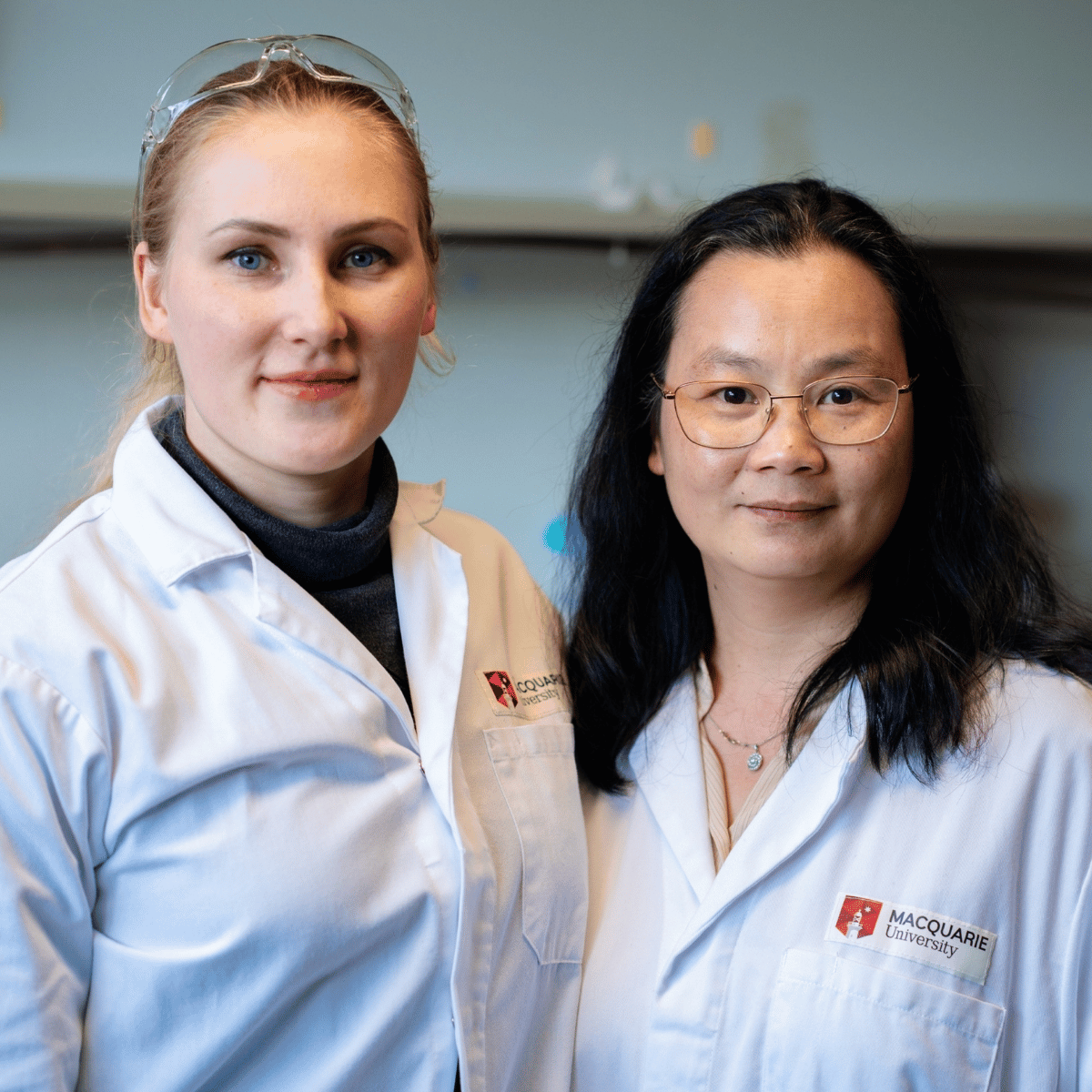
Dr Anastasiia Tukova (left) and Professor Yuling Wang (right). Credit: Supplied
Dr Anastasiia Tukova, Macquarie University Lighthouse Postdoctoral Fellow, and Professor Yuling Wang, ARC Future Fellow at Macquarie University are developing a nano sensing platform for cancer diagnostics which is progressing towards a spin-out.
We are developing a new nanosensor-based technology to help clinicians make better and faster treatment decisions. Many current medical tests only provide limited information about a patient’s disease and how it is changing over time. Our nanosensors can detect very small molecular signals and biomarker patterns linked to disease. This allows us to provide clearer and more detailed information, helping clinicians make earlier and more confident decisions.
The motivation came from seeing strong scientific discoveries fail to reach real-world use. Through close collaboration with clinicians and consumers, we learned that patient samples are often time-sensitive, resources are limited, and decisions must be made quickly and accurately. We realised that our expertise in biosensor, nanotechnology, biomaterials, and device development was ready to be translated into a real product that could benefit patients.
What do you see as the key barriers facing women entrepreneurs?
One major barrier is timing. For many women, the most important years for building a research career often overlap with the years when they may have children or caregiving responsibilities. These responsibilities can slow career progression and force difficult choices. In addition, there are fewer opportunities to connect with business and investor networks, and less support for non-traditional career paths.
What solutions or changes do you believe would make the biggest difference?
Targeted funding to help women-led teams translate research into real products would make a significant difference. Practical support, such as flexible childcare options during accelerator programs, and mentorship with direct connections to investors and customers, would help reduce barriers and improve the success of women-led ventures.