
CEO’s push to bring “underfunded, under-researched” women’s health into the 21st century
Maternity care must move beyond a century-old model and embrace technology designed around the realities of women’s lives, the CEO & Managing Director of digital women’s health company HeraMED told the NSSN’s Sensing Industry Connect event at UTS last week.
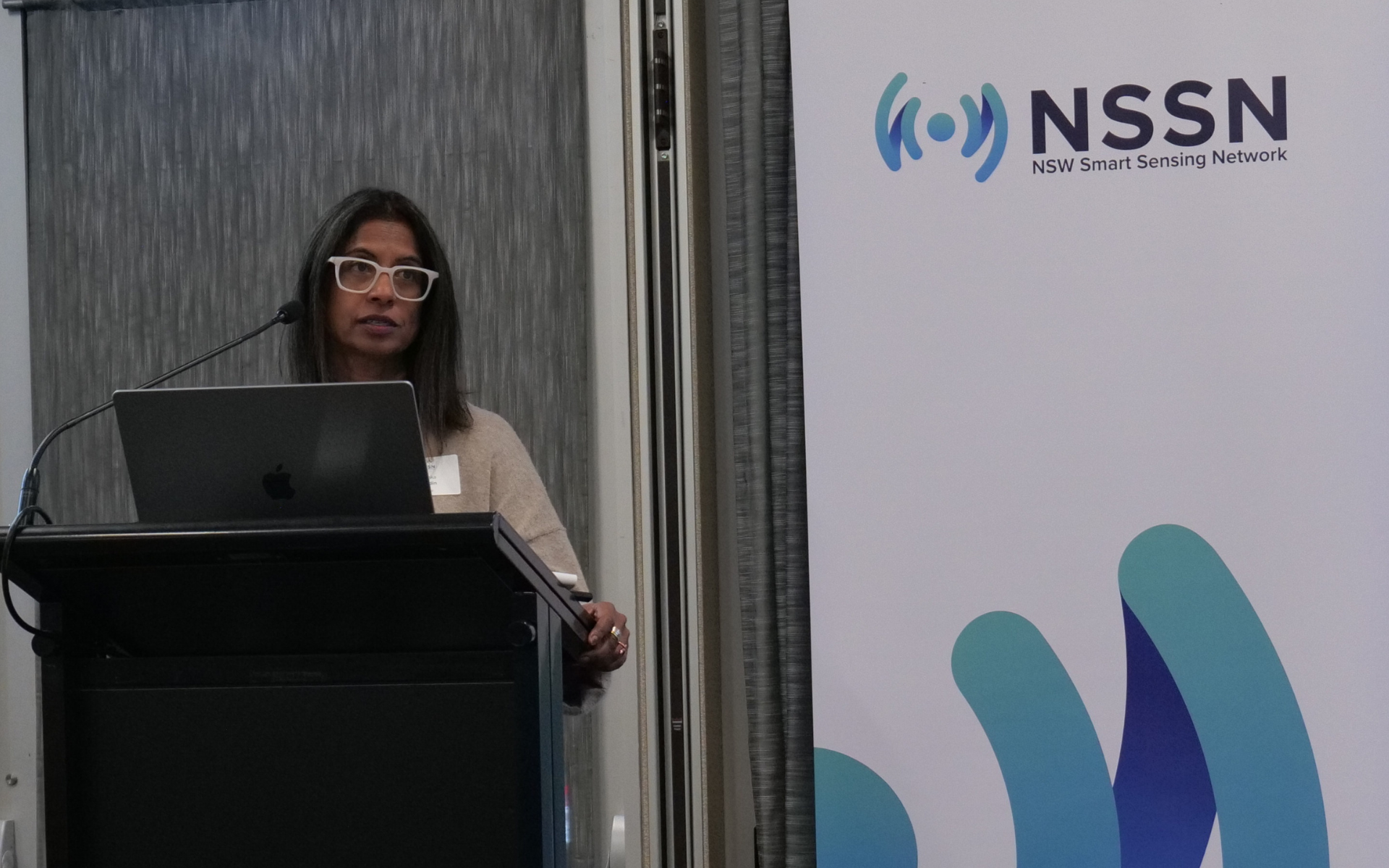
CEO & Managing Director of HeraMED, Anoushka Gungadin
Speaking to an audience of researchers, industry leaders and innovators, Anoushka Gungadin said women’s healthcare has long been underfunded and under-researched, despite women having fundamentally different healthcare needs and experiences.
“We are not little men,” she said, describing the real challenges of advocating for women’s health innovation to investors, policy makers and decision-makers.
Ms Gungadin said the standard model of maternity care has “not changed for 100 years”, with pregnant women still expected to attend the same cadence of hospital visits despite major advances in technology and significant changes in work and family life.
Drawing on her own experience, she described being pregnant while working for a law firm in China and losing half a day attending appointments that could have taken just 30 minutes with solutions like HeraMED’s.
“Today we’ve got the technology available to make things quite different, convenient and still medically safe,” she said.
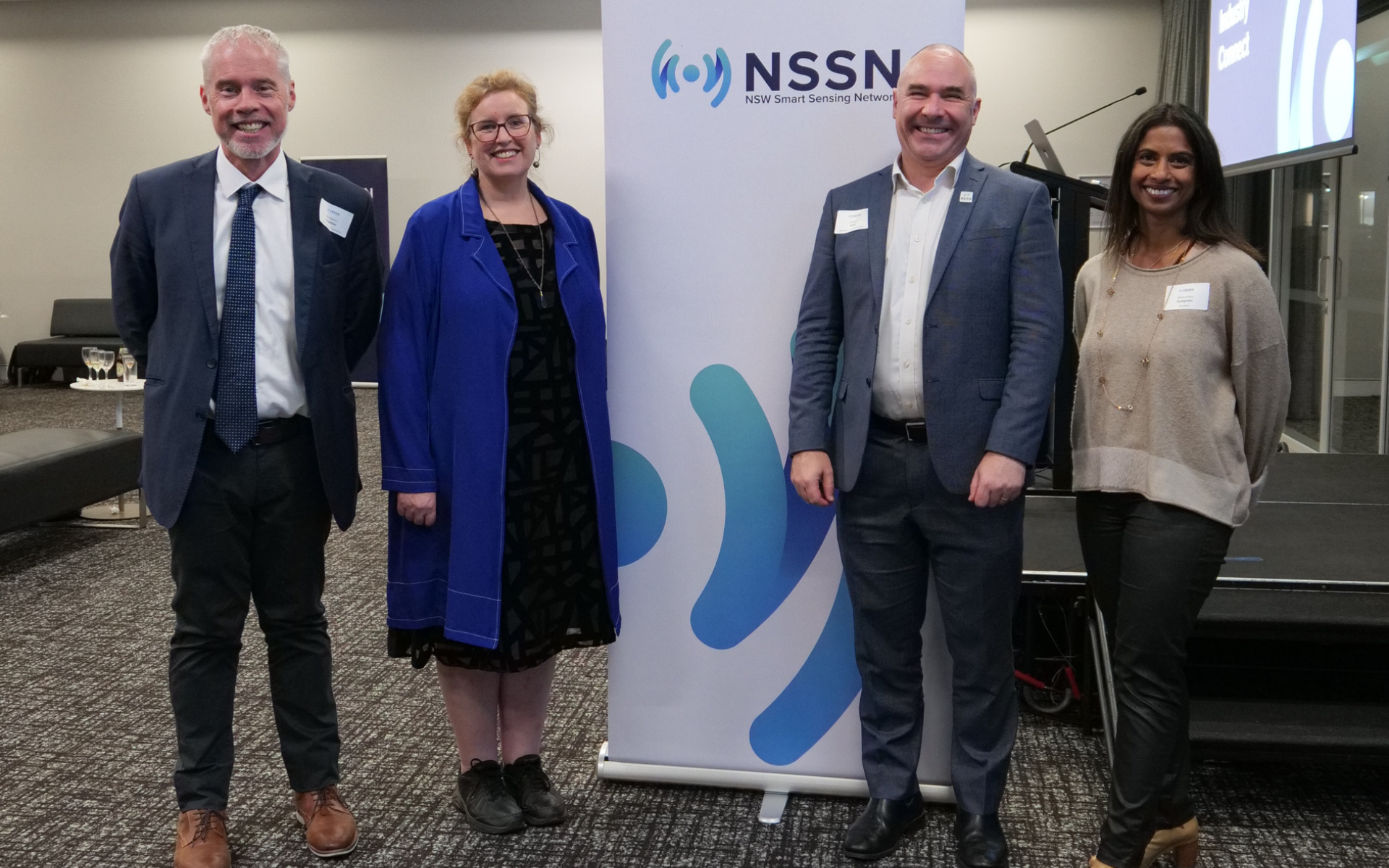
(From left) NSSN Co-Director Professor Benjamin Eggleton, Deputy Vice-Chancellor (Research) at UTS Professor Kate McGrath, NSSN Co-DirectorProfessor Julien Epps, CEO & Managing Director of HeraMED, Anoushka Gungadin.
Through HeraMED, Gungadin is working to modernise women’s health, starting with maternity care through remote monitoring, wearable technologies and AI-enabled healthcare platforms.
The company’s portable foetal and maternal heart-rate monitor, HeraBEAT, the only TGA approved foetal monitor in Australia, allows clinicians to remotely monitor pregnancies in real time, helping women receive care from home while enabling doctors to focus on patients most at risk.
Ms Gungadin shared how the technology was rapidly deployed during the outbreak of the war in Ukraine through a partnership with Sheba Medical Center, enabling pregnant women to continue receiving monitoring even in emergency conditions.
She also described the inspiring results from a US hospital program serving underserved communities in the US, where many women would often only access care once during pregnancy before presenting again at delivery.
Using remote monitoring and personalised digital care plans, the program reportedly significantly reduced pre-term births, foetal demise and post-delivery hospital readmissions.
Collaboration between industry, hospitals and universities was essential to ensure emerging healthcare technologies were backed by evidence and could be successfully implemented at scale, she said.
HeraMED is partnering with UTS and other research organisations on innovative projects to improve women’s care including exploring predictive, AI-driven models of care for culturally diverse women, with a focus on improving maternal outcomes and making healthcare more accessible.
“We really need to bring everyone together,” Ms Gungadin said. “If everyone does their bit, we can take this kind of care to the community. It exists and we should do it.”
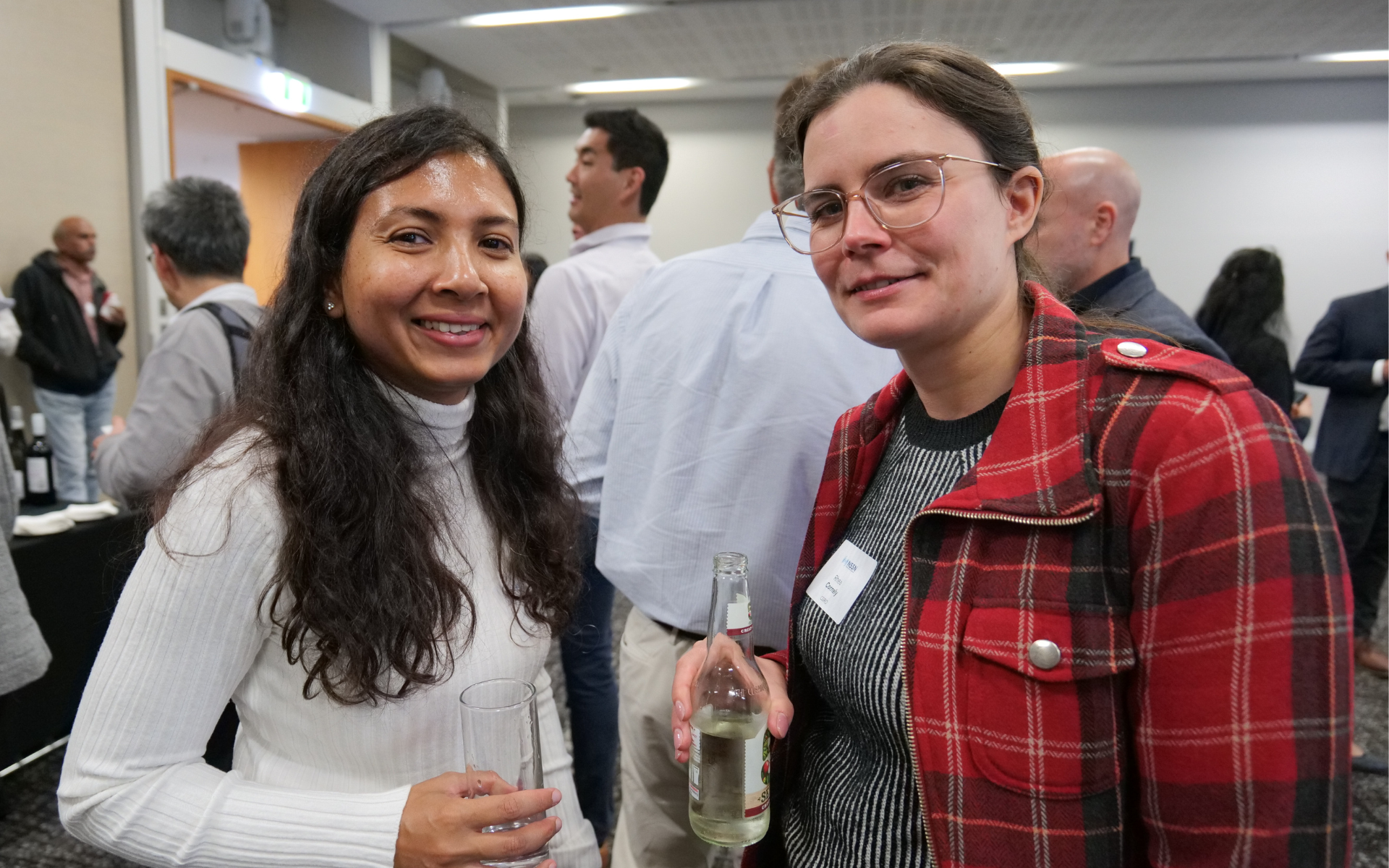
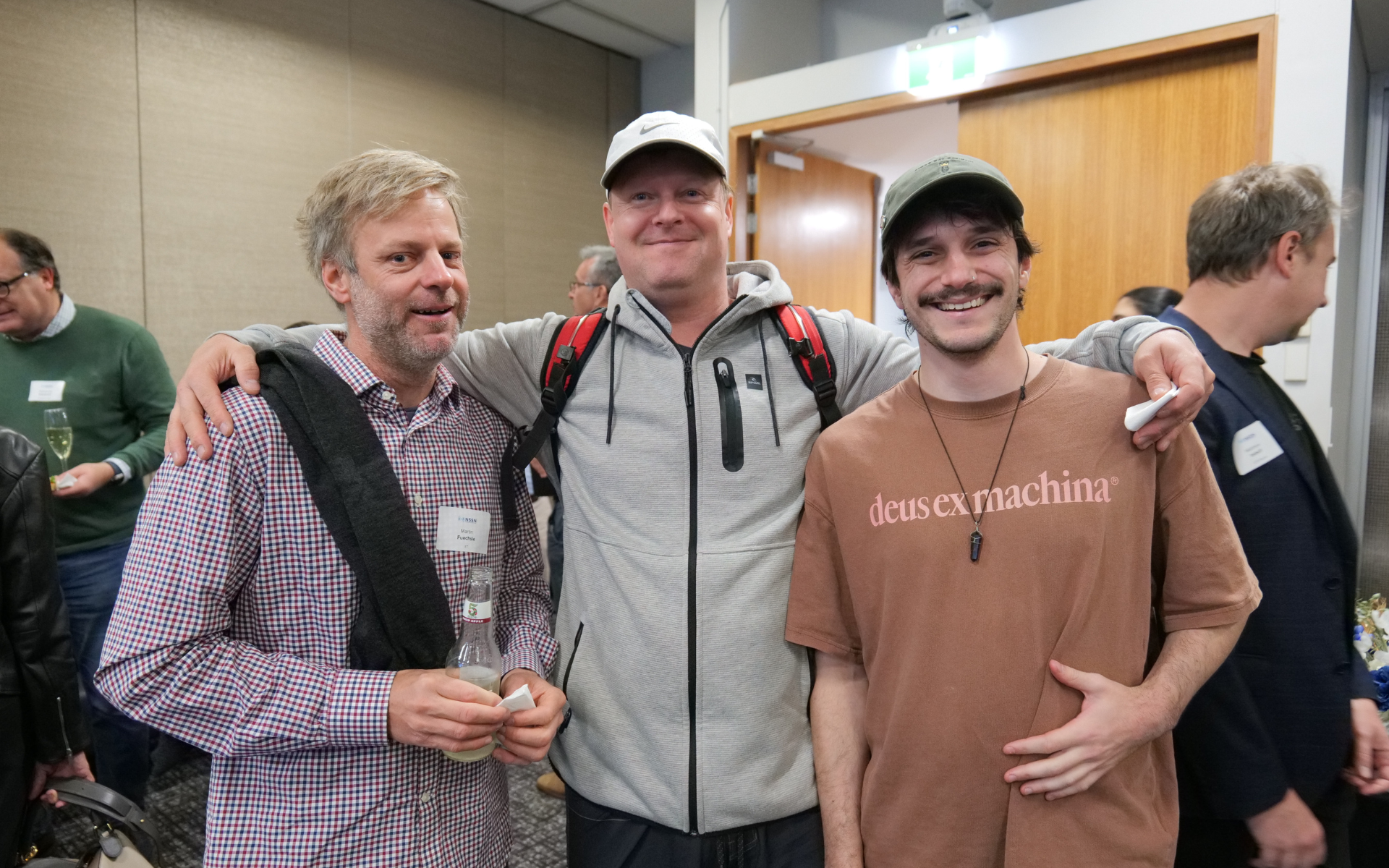
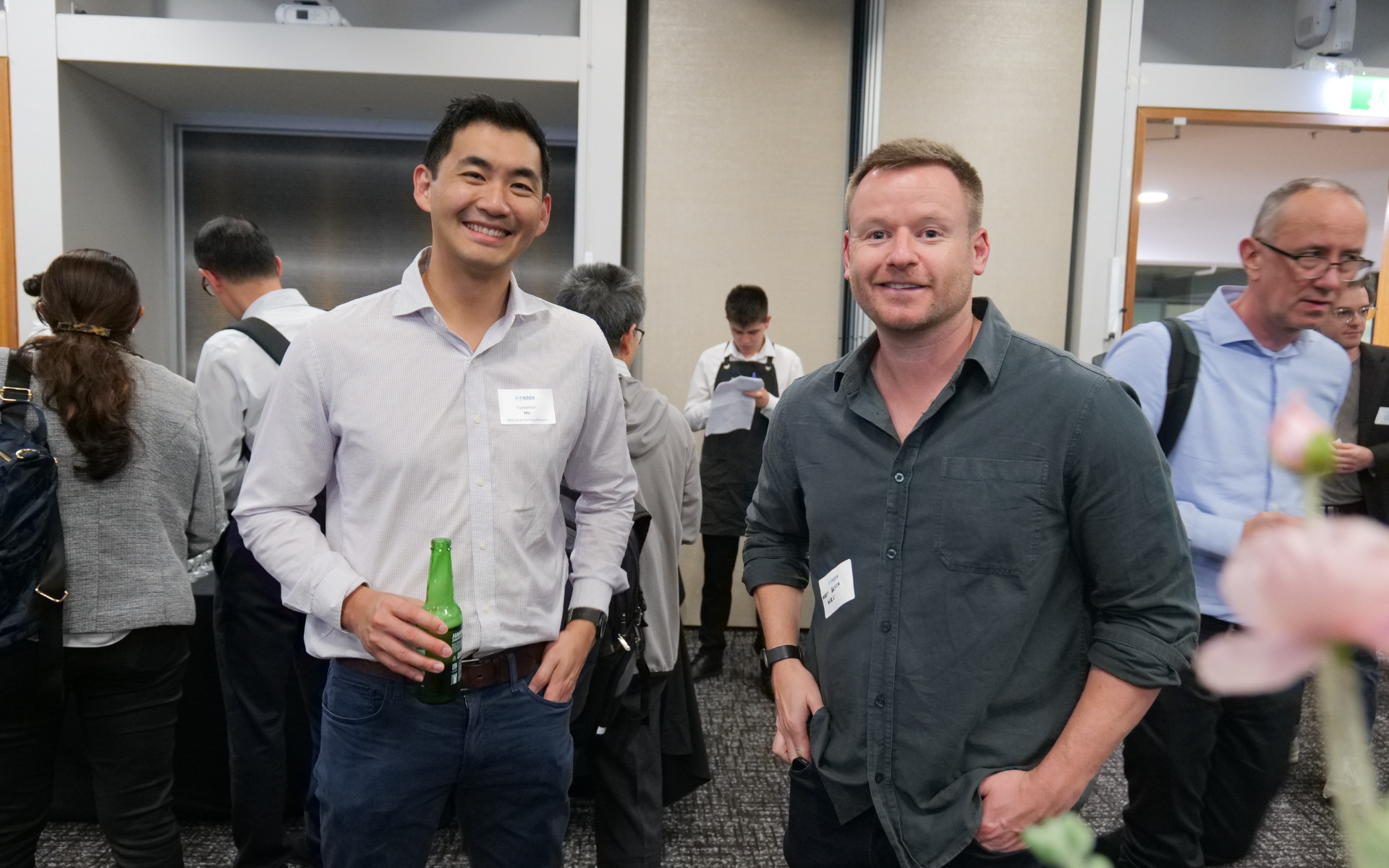

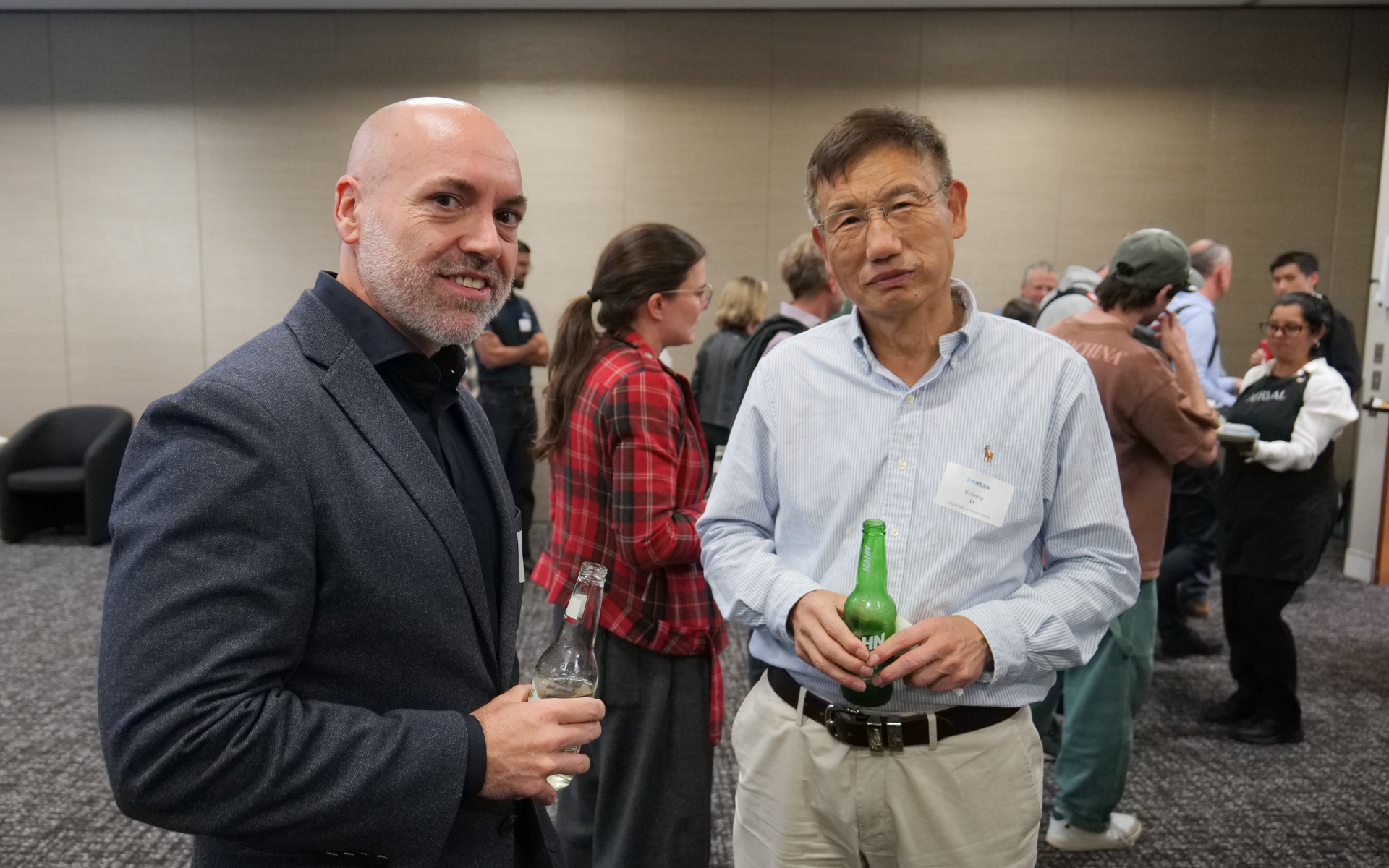
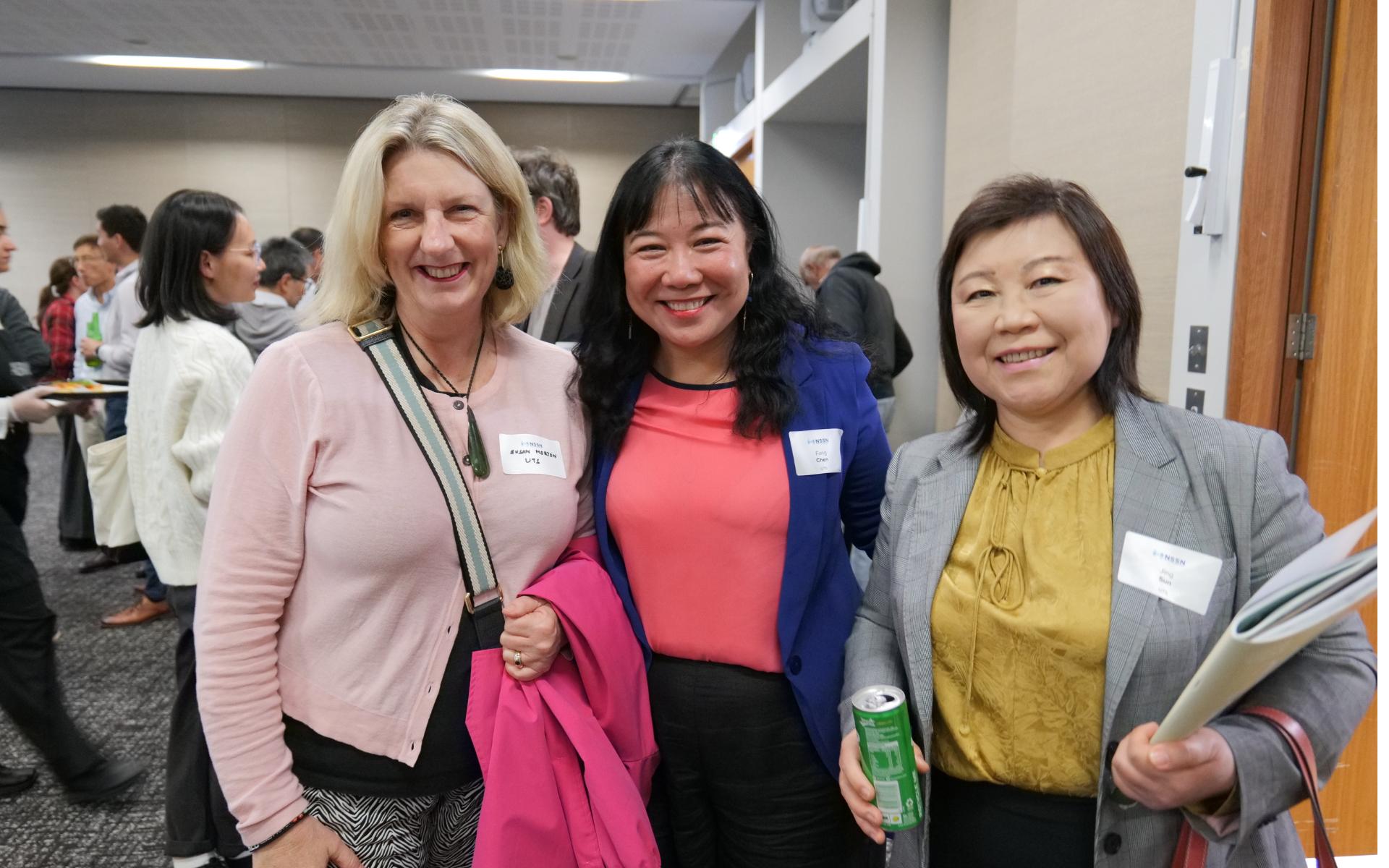
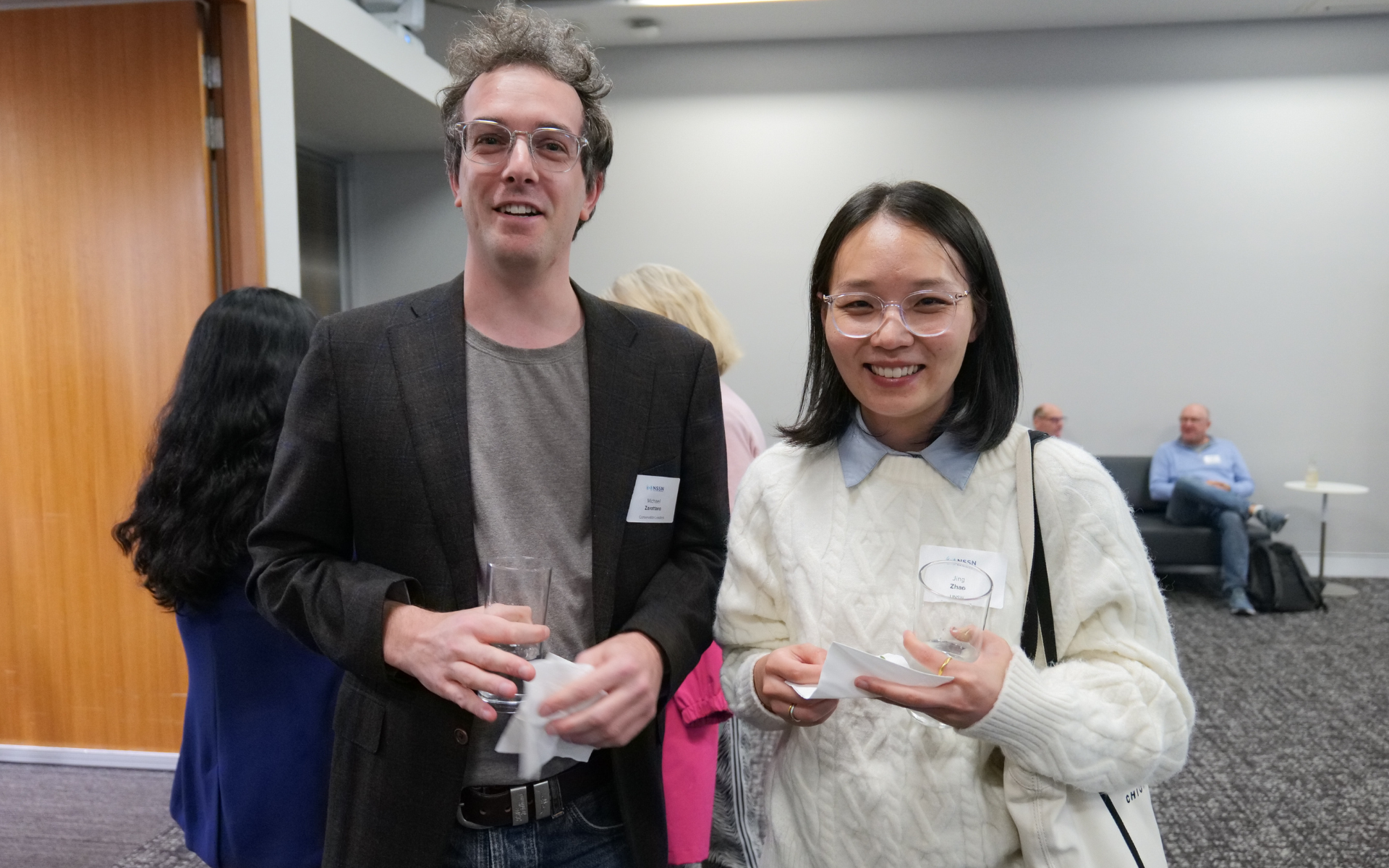
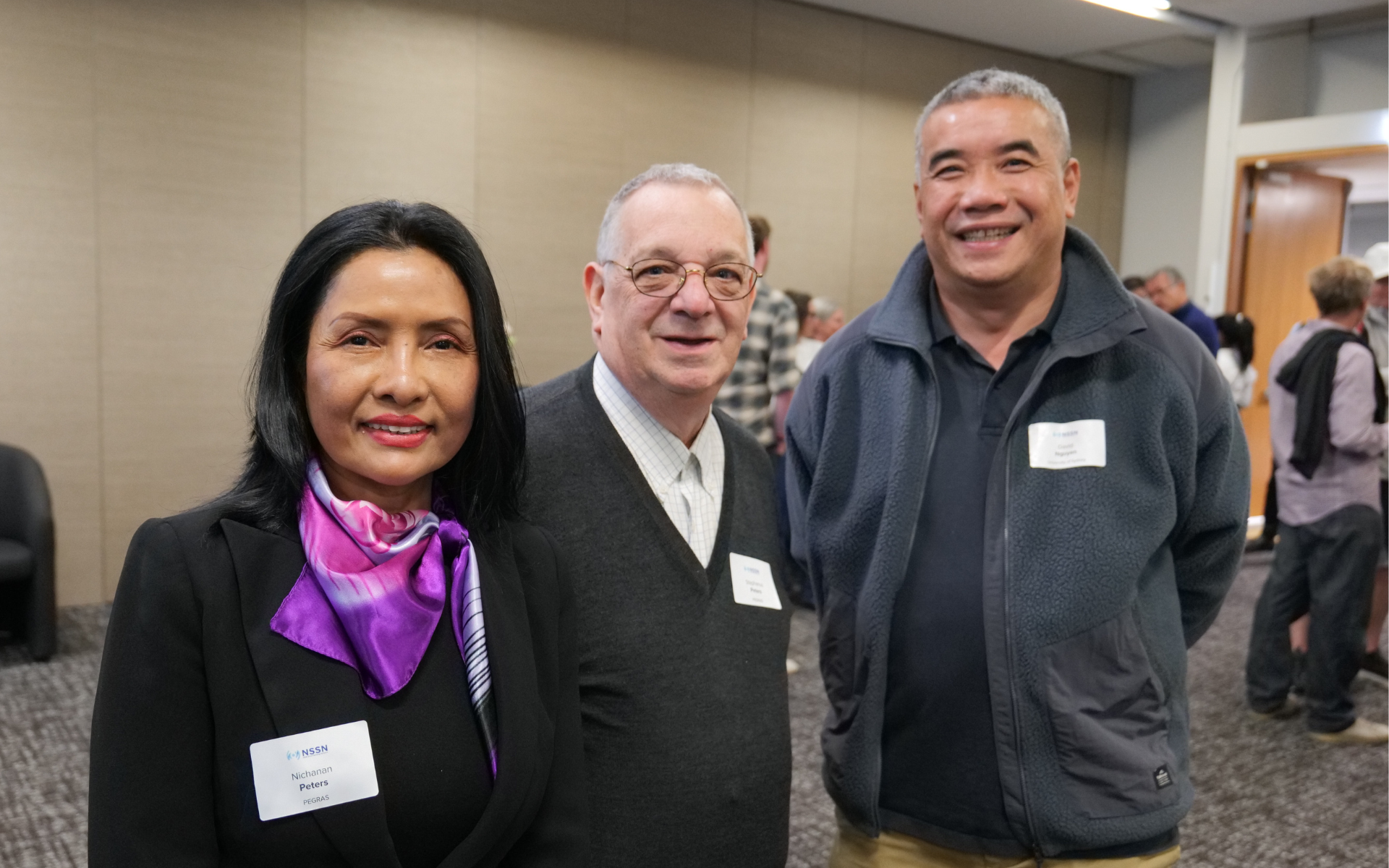
Some of the attendees at the Sensing Industry Connect at the UTS Aerial Function Centre
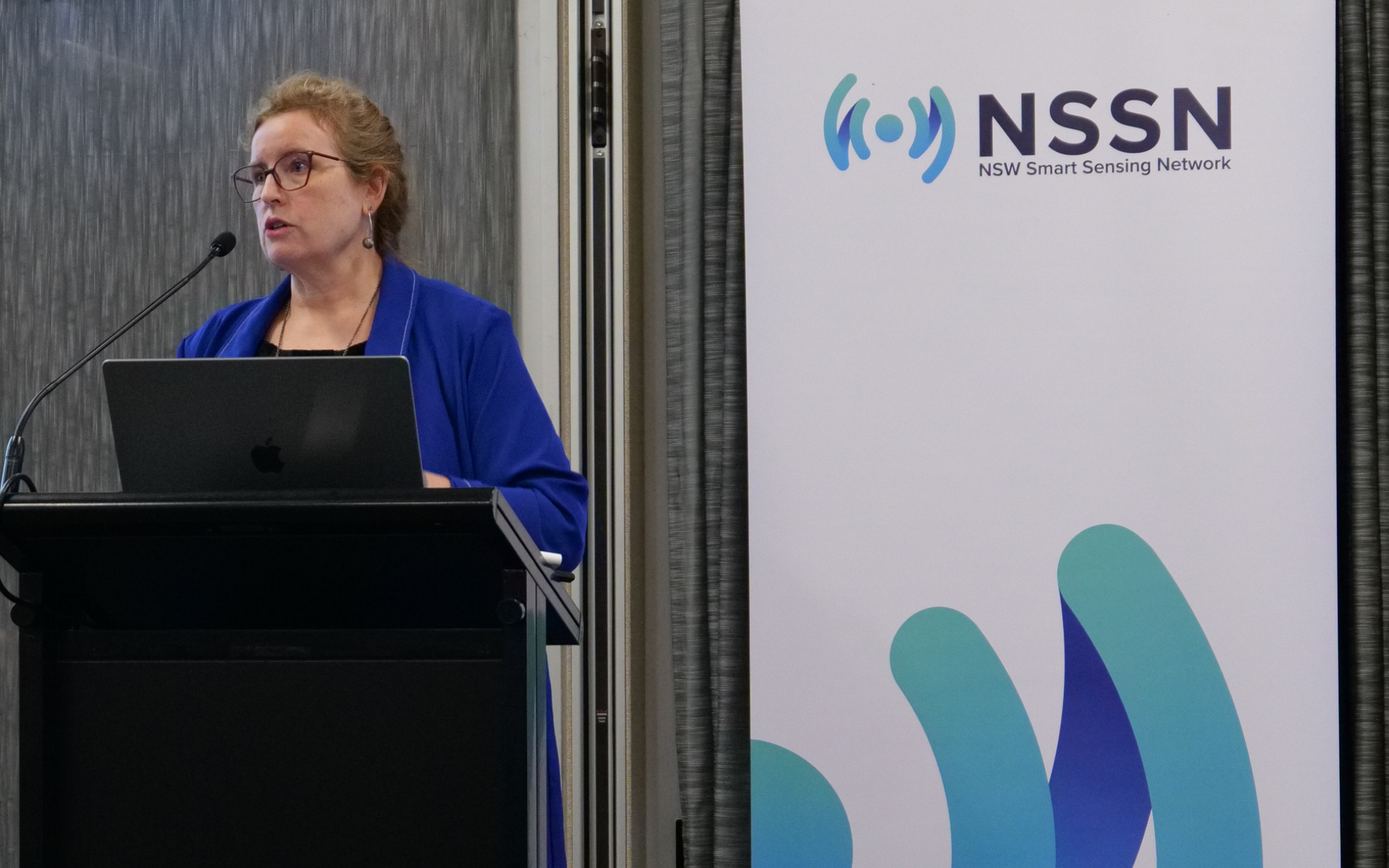
Deputy Vice-Chancellor (Research) at UTS, Professor Kate McGrath
Deputy Vice-Chancellor (Research) at UTS, Professor Kate McGrath, described the NSSN as a “platform network” that drives impact across multiple sectors rather than operating within isolated disciplines.
“(The NSSN) cuts across and is transcending a whole heap of different areas that are critically important for us as a state, but also in terms of what we can do nationally and globally,” she said.
She said this cross-sector approach has become the defining feature of the network, reflecting a broader shift in research and innovation away from traditional competition toward shared, system-wide outcomes.
“What's really cool when you work with a platform kind of network and a platform technology is the lessons that you learn in one sector are much more straightforwardly delivered to other sectors. So when one sector gains, every sector gains from the work that we are able to do. And that only happens because of this partnership and the relationship and the way that we work together,” she said.
Prof McGrath said sensing technologies now underpin priority areas such as health, environment, agriculture, net zero, smart cities and disaster resilience, with advances in one field increasingly translating into benefits across others.
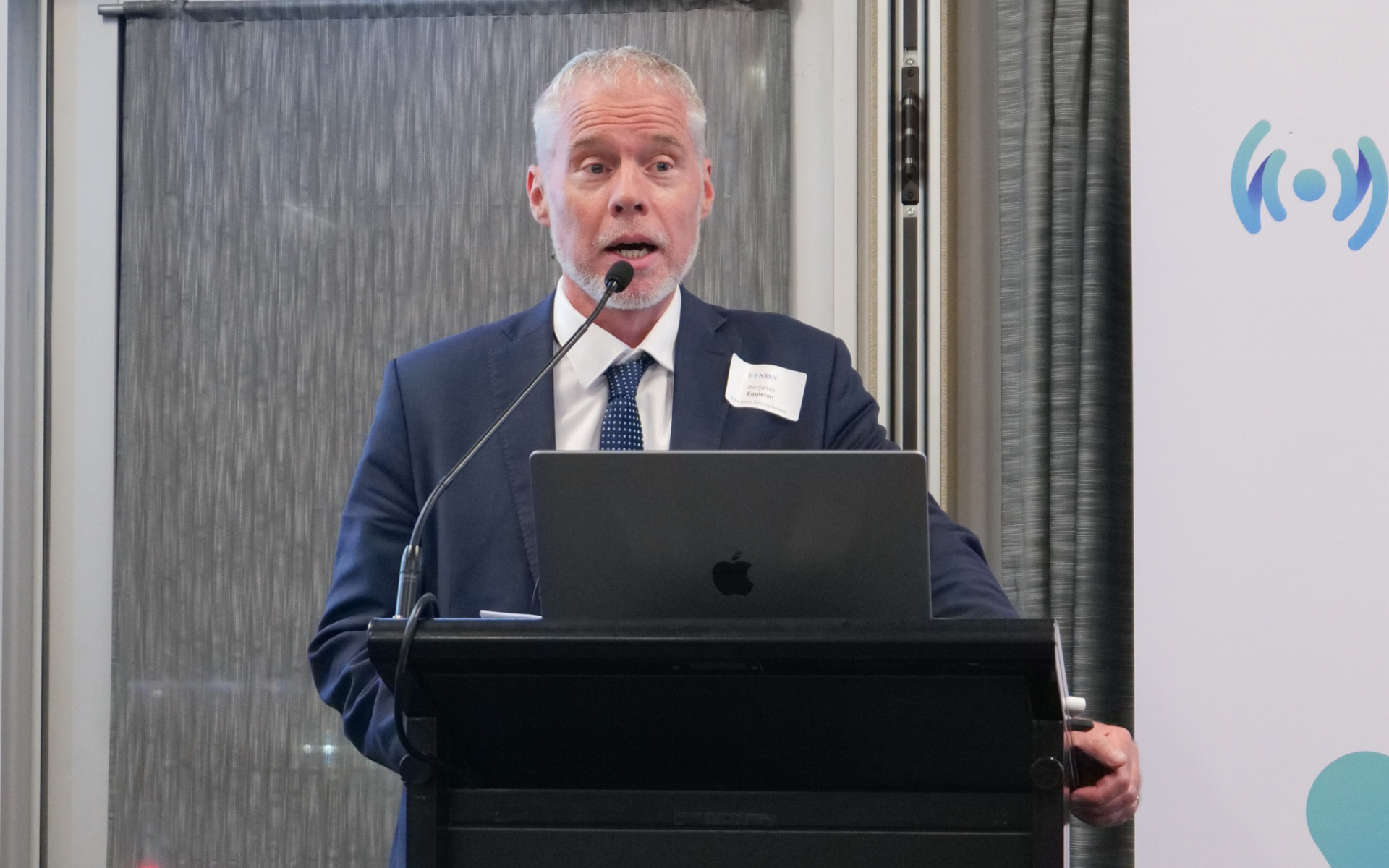
NSSN Co-Director Professor Benjamin Eggleton
She said it was important to have sustained collaboration and shared purpose in delivering these system-wide outcomes.
NSSN Co-Director Professor Benjamin Eggleton praised the role of UTS, describing it as a leader in industry-university collaboration with strong technological capability and a long-standing contribution to the network’s development.
He said the NSSN was established to connect universities, industry, government and the community to translate research into real-world impact, with collaboration at the centre of innovation.
“The purpose of tonight’s event is to connect industry and universities… so the ideas in our universities can mingle with industry and deliver truly remarkable outcomes,” Prof Eggleton said.
He said the network has grown since its establishment in 2016 by the NSW Government into a trusted “broker” and “activator” of research partnerships across dozens of programs, spanning sectors including advanced manufacturing, defence, health, smart cities and the environment.
The next Sensing Industry Connect will be held at Western Sydney University on Monday 3 August.