
News
News

NSSN Ambassador wins Leadership in Innovation award at the 2020 NSW Premier’s Prizes for Science and Engineering
NSW Smart Sensing Network (NSSN) Ambassador at UNSW Professor Ewa Goldys has won the award for Leadership in Innovation in NSW at this year’s NSW Premier’s Prizes for Science and Engineering.

NSSN Data Working Group inaugural meeting and pitchfest
Hosted by the NSW Smart Sensing Network (NSSN) and sponsored by Klarrio, the NSSN Data Working Group inaugural gathering event took place online on 28 September 2020.

NSSN announces a second COVID-19 Q&A Forum
The second NSSN COVID-19 Q&A Forum will take place from 10:30 am to 12:00 pm on 21 May 2020.
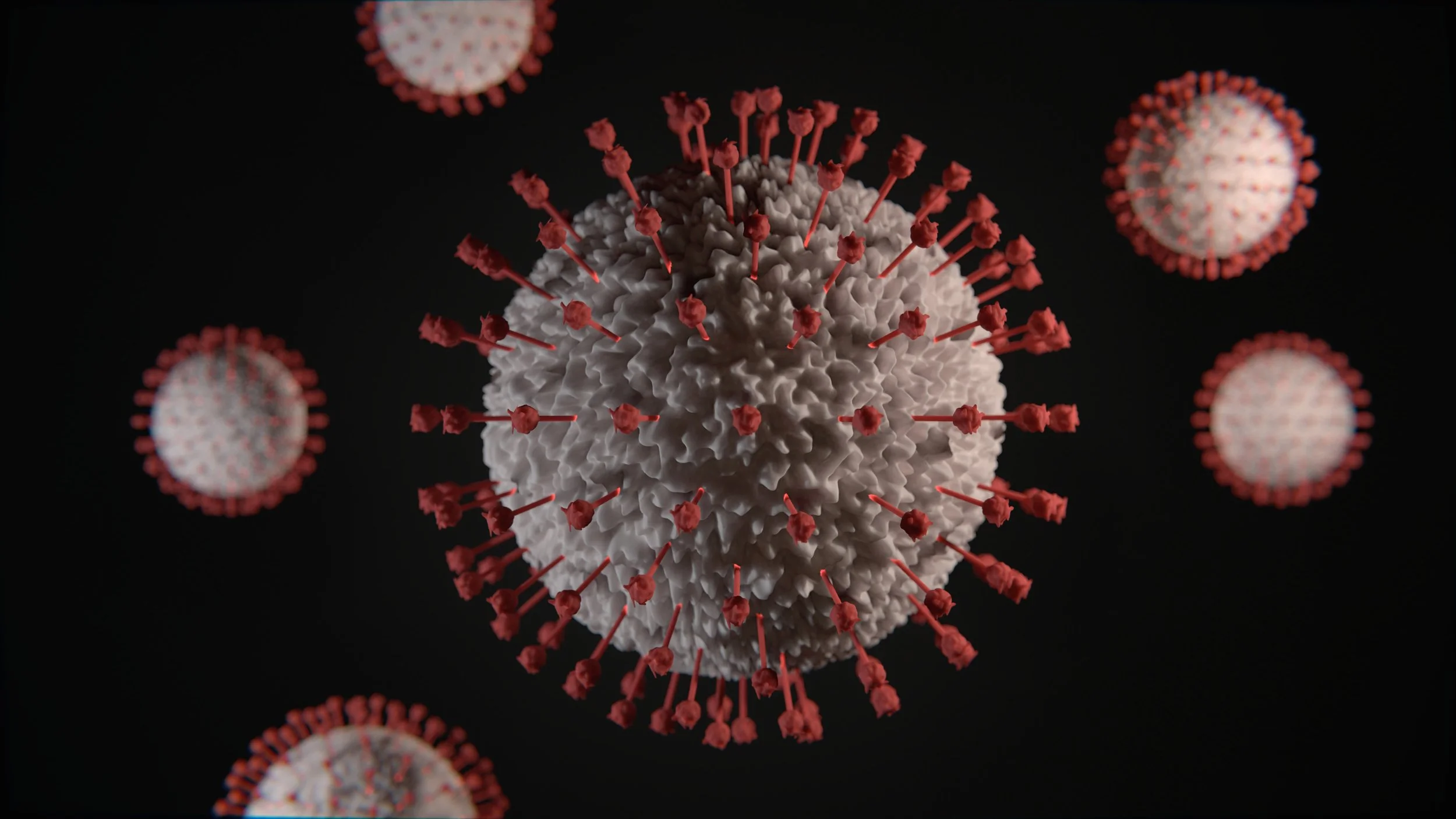
A new approach to the rapid testing of COVID-19
A point of care, rapid testing for SARS-CoV-2 project led by Scientia Professor Justin Gooding, Co-Director at NSSN and the Australian Centre for NanoMedicine has received funding under the newly established UNSW COVID-19 Rapid Response Research Fund.
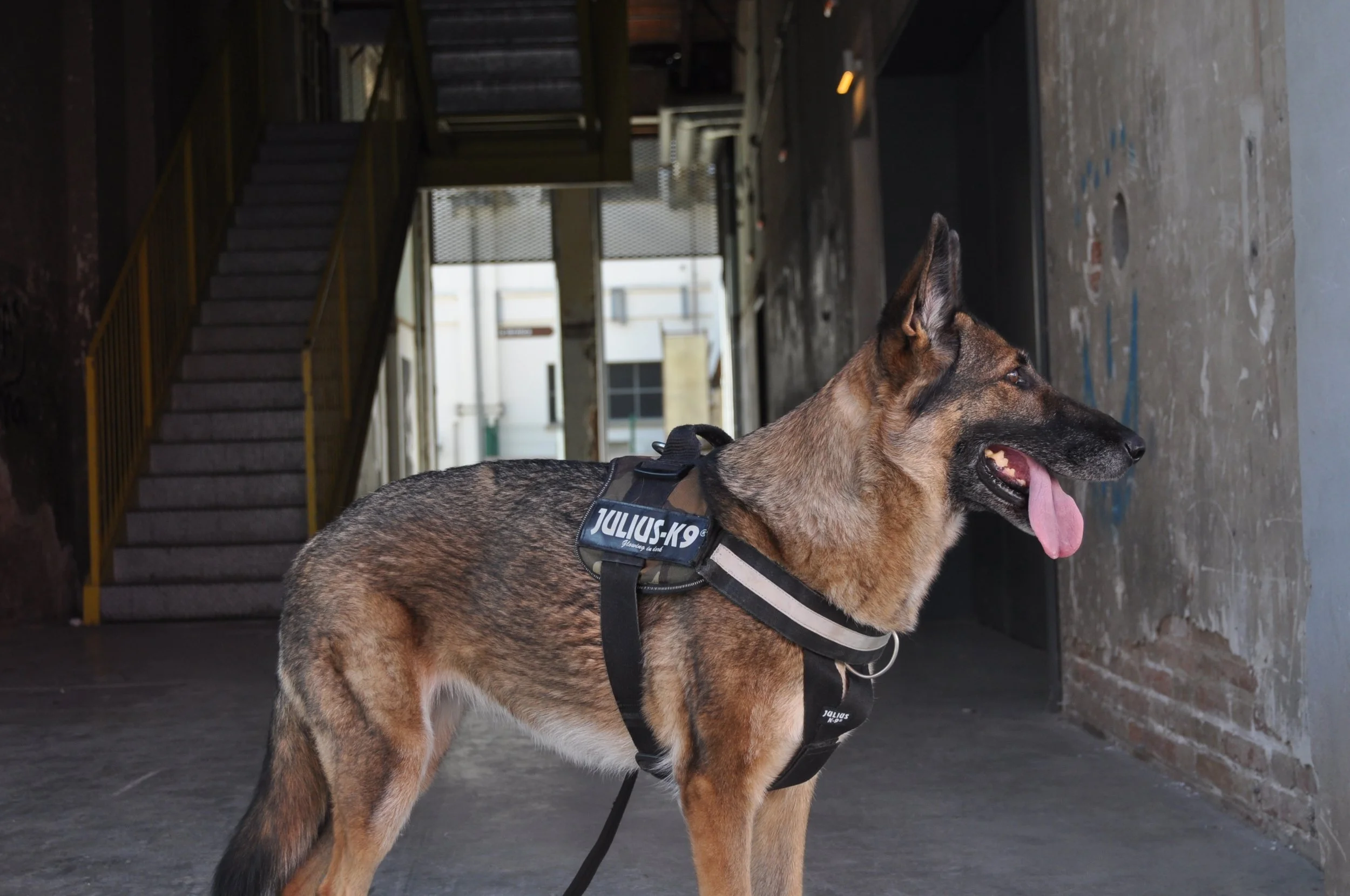
Designing sensors for military working dogs
NSSN sister research network, the Defence Innovation Network, is calling for proposals for research projects that explore sensors to monitor the performance of working dogs in military settings.

World-first space imaging technology to be deployed to the International Space Station
Western Sydney University has developed a world-first space imaging technology to be installed on the International Space Station to capture Transient Luminous Events (TLEs). Image courtesy of WSU.
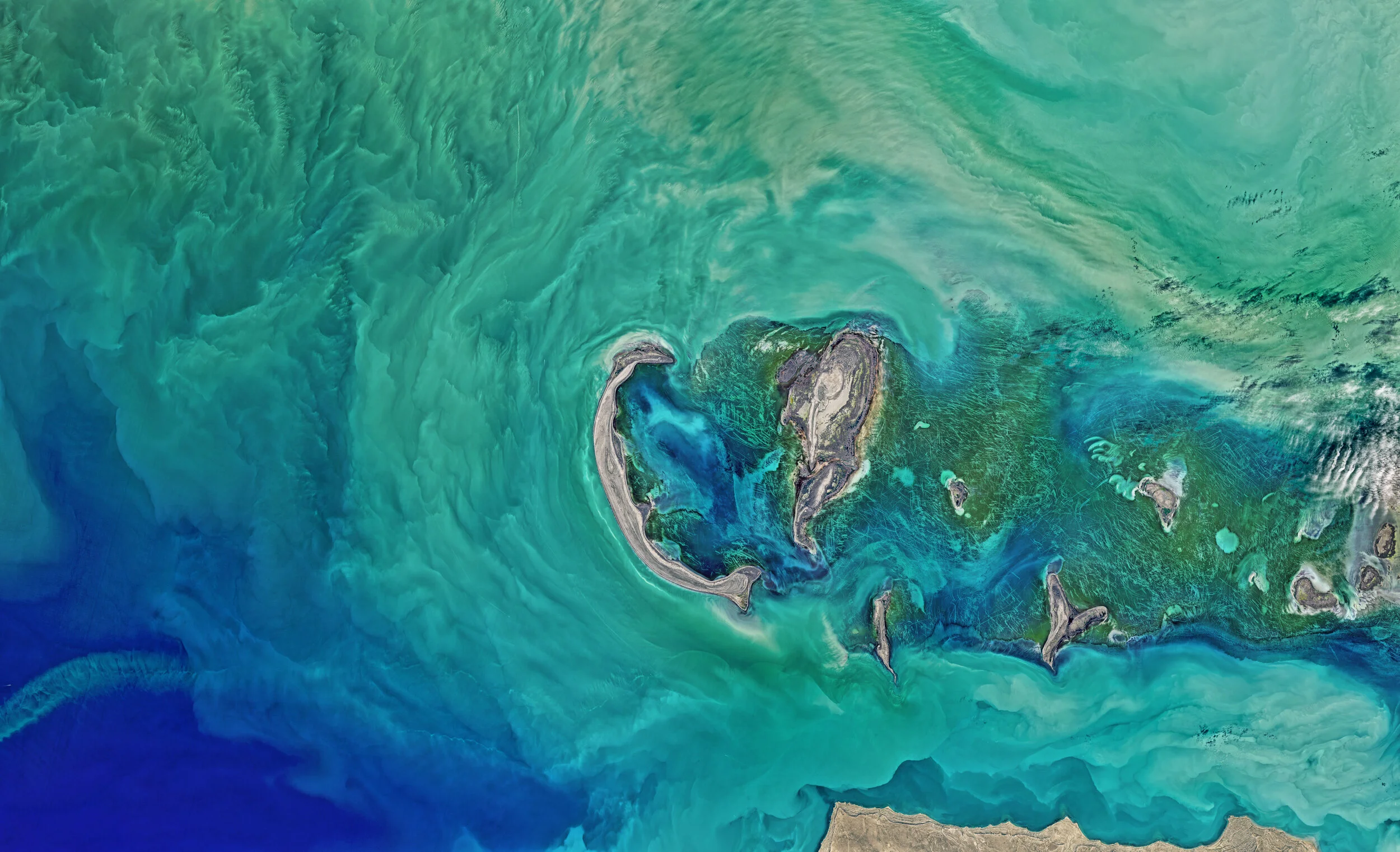
NSW Physical Sciences Fund 2020 round now open
The Office of the NSW Chief Scientist & Engineer is now accepting preliminary applications (applications close on 28 May 2020) to the 2020 round of the NSW Physical Sciences Fund (PSF).
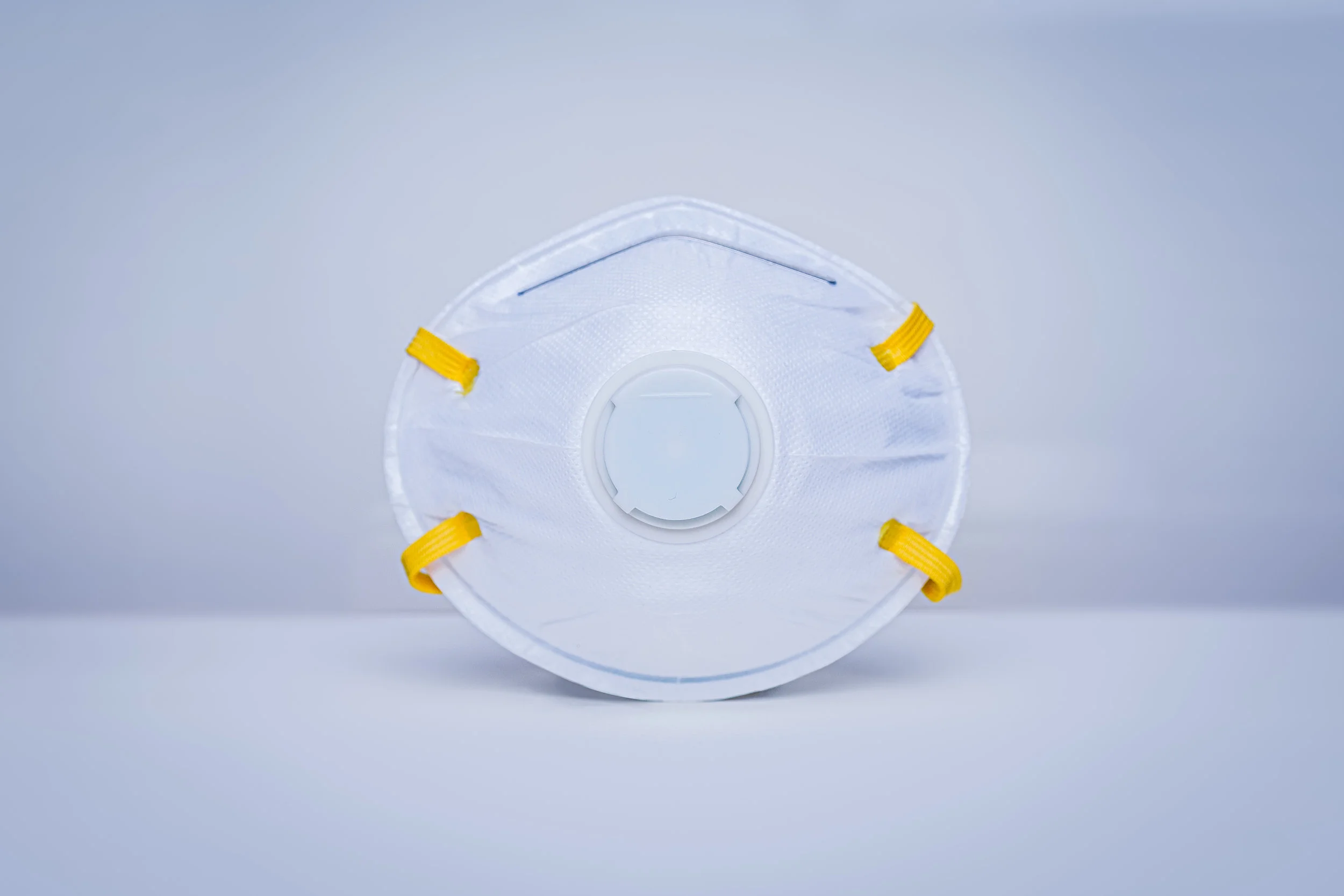
Manufacturers to fill the medical supply chain while keeping employees in jobs
The NSW Government today launched a portal for companies to offer to build parts or supply eight urgently needed items during the COVID-19 crisis.

NSSN welcomes the University of Canberra
NSW Smart Sensing Network (NSSN) welcomed the University of Canberra (UC) as its 9th member in August 2019.

Archaeologists use advanced sensing technologies to map excavations
Archaeologists use advanced sensing technologies such as airborne laser scanning (LiDAR) technology and ground-penetrating radar to map targeted excavation sites.