
What happens when sensing meets semiconductors? A push to accelerate innovation
A workshop at Macquarie University in May aims to bridge a critical gap in Australia’s innovation ecosystem by uniting sensing and semiconductor leaders to fast-track innovation and commercialisation.
The Sensing meets Semiconductors event hosted by the NSSN and the Semiconductor Sector Service Bureau (S3B) will highlight that these fields are deeply interconnected and more can be done to increase collaboration between them.

Peter Runcie. Credit: Supplied
“This event is timely, as advances in semiconductor chip technologies are unlocking new sensing capabilities,” NSSN Natural Hazards & Smart Places Theme Lead Peter Runcie says.
“We are seeing the demand for new and emerging modes of sensing driving demand for next-generation semiconductors. Sensing meets Semiconductors will examine the opportunities as well as practical lessons learned by innovators in Australia.”
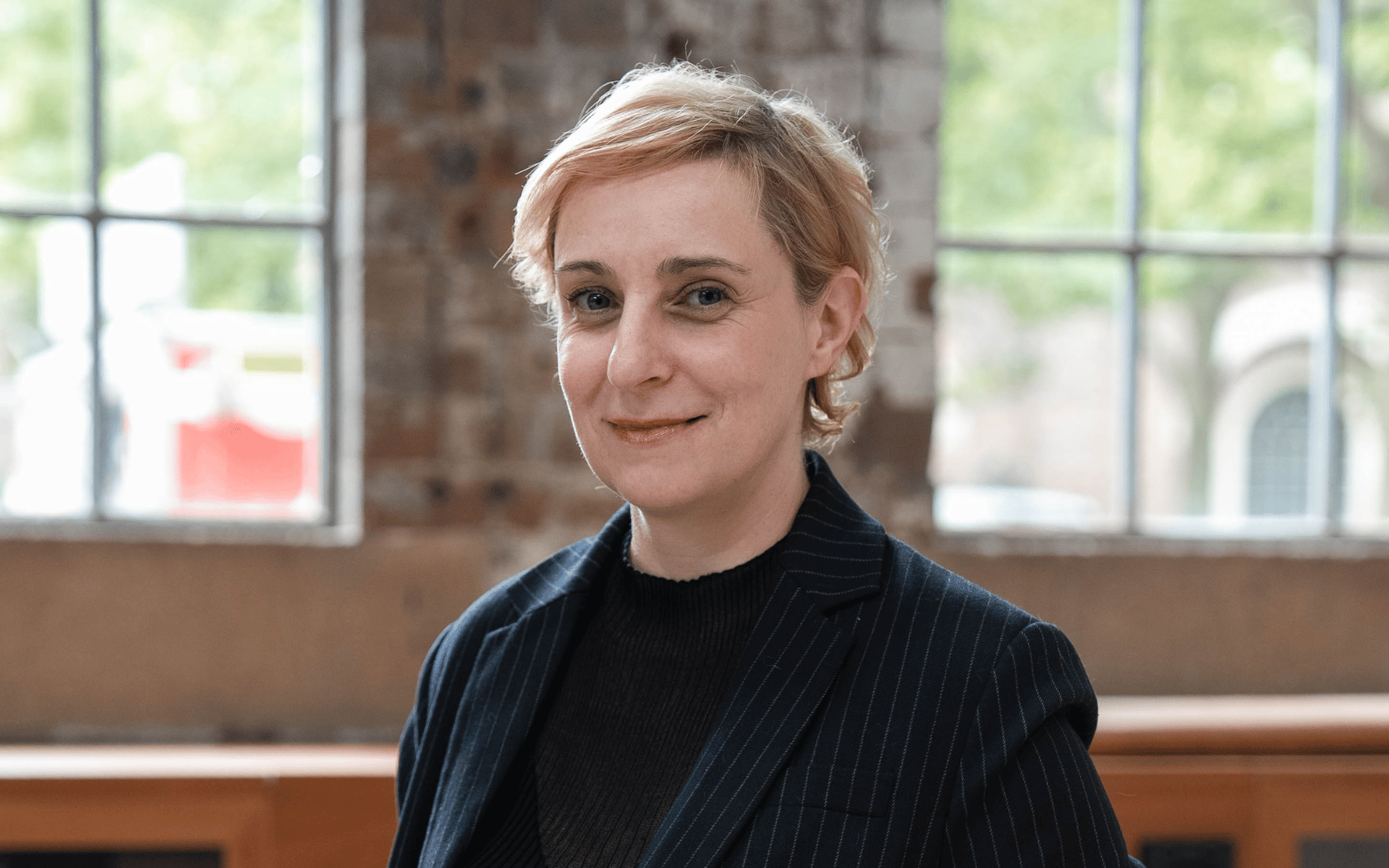
Anna Gurevich. Credit: Supplied
S3B Engagement & Ecosystem Lead Anna Gurevich says Australia has strong capabilities in both sensing and semiconductors, but the real opportunity lies in how effectively they are connected.
"There is already strong work happening at the intersection of sensing and semiconductor technologies, with clear real-world applications,” Ms Gurevich says.
“The next step is to build on that momentum by strengthening connections across the ecosystem.
This workshop is about bringing people together and translating that momentum into practical outcomes."
The workshop will unveil how Australia has a unique opportunity to lead globally by strengthening connections in both sensing and semiconductors across research, industry and government.
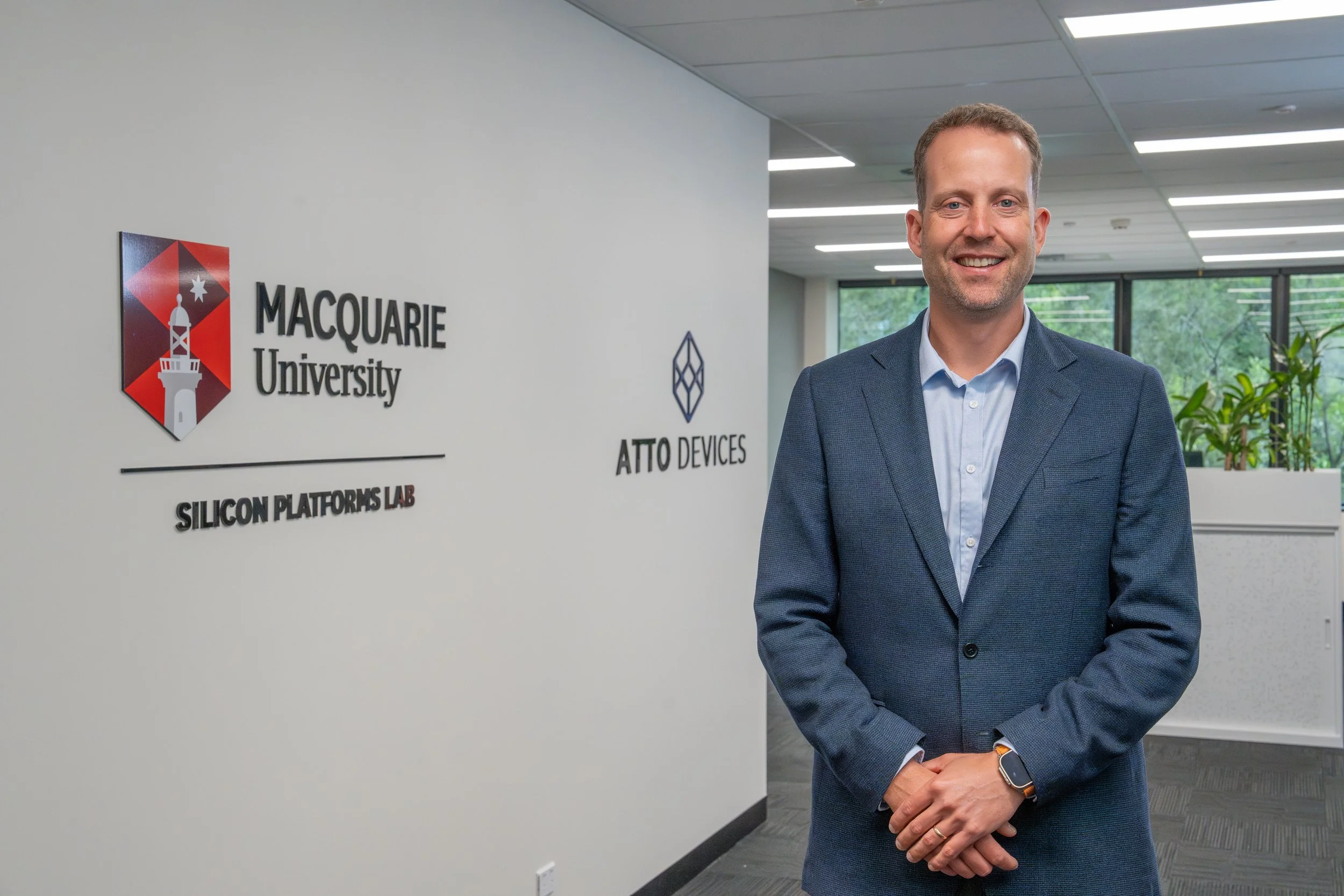
Industry Professor Mike Boers. Credit: Supplied
Co-founder and CTO at Atto Devices and Industry Professor at Macquarie University, Mike Boers, will deliver a keynote speech on the Global perspective and Australia’s opportunity.
“All advanced technology is built on top of semiconductors, and Australia has deep capabilities in sensing and communications,” Industry Professor Boers said.
“The opportunity now is to connect those strengths more deliberately so we can accelerate innovation, strengthen sovereign capability, and translate world-class research into products and companies that can compete globally.”
Founder of agritech/biotech Agscent, Dr Bronwyn Darlington, and Nanotechnologist Professor Noushin Nasiri from Macquarie University, will deliver a keynote about their experience of climbing the TRL ladder.
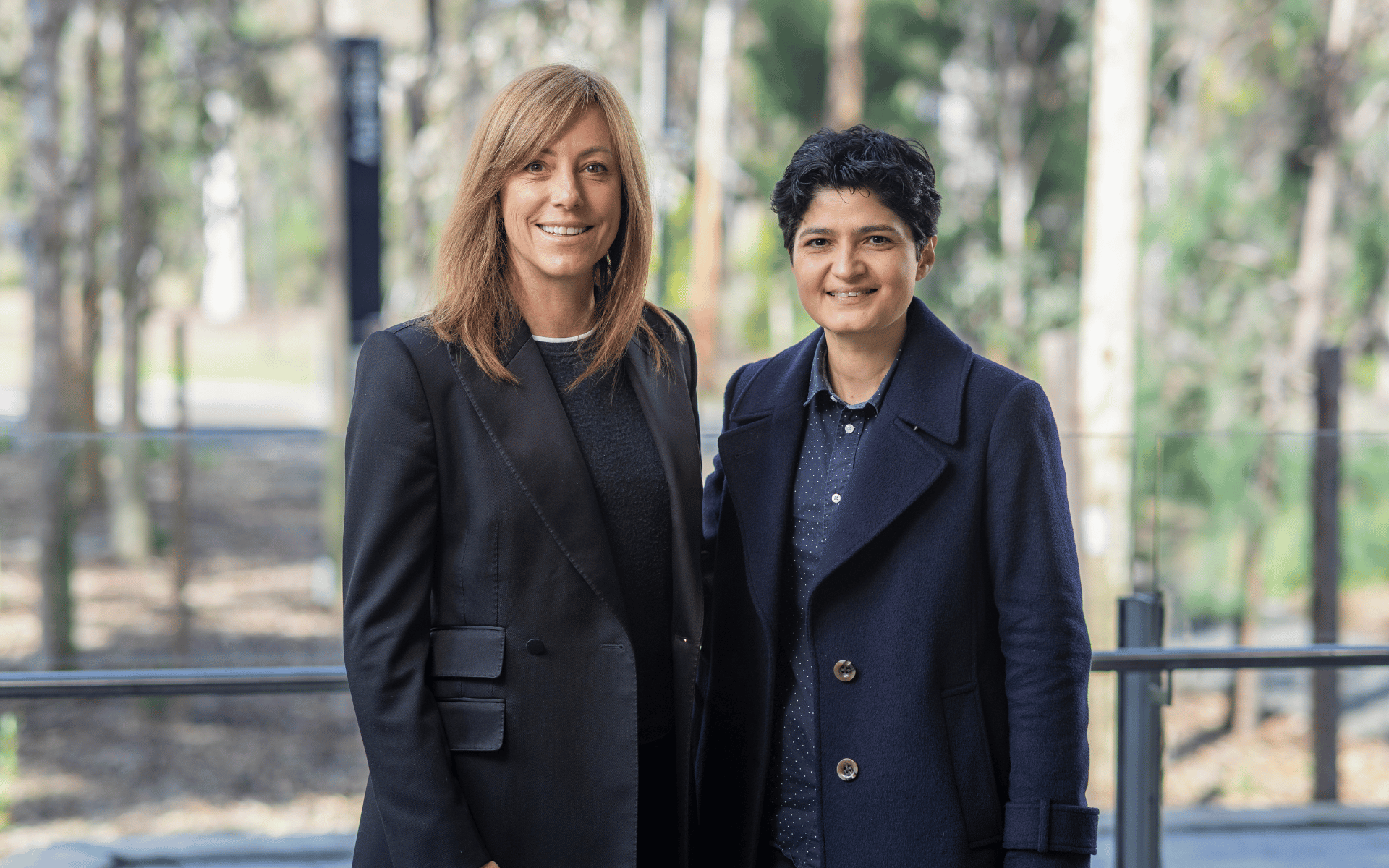
L-R: Dr Bronwyn Darlington and Prof Noushin Nasiri. Credit: Supplied
“Australia has a real opportunity to lead by bringing sensing research and semiconductor innovation closer together to accelerate translation and impact. When those elements come together, we can move promising technologies much faster toward real-world impact,” Prof Nassiri said.
“From an industry perspective, innovation is most powerful when research excellence is matched with a clear understanding of real-world need. Stronger connections between sensing and semiconductors will help accelerate practical solutions that can be deployed where they are needed most,” Dr Darlington said.
Two panel discussions will anchor the program.
A panel discussion on Sensing and Semiconductors: Current and Future Opportunities will be moderated by Jayden Moore from UNSW and feature A/Prof David Tsai from UNSW and CEO of quantum technologies company Archer, Dr Simon Ruffell.
A panel discussion on Climbing the TRL Ladder: Practical Considerations will be moderated by Professor Omid Kavehi (University of Sydney /Deteqt) and feature Laura Droessler-Dansie (Uniseed) and Professor Patrick Kluth from The Australian National University.
These sessions will focus on how innovators can navigate the path from research to real-world deployment, including the technical, commercial and partnership challenges along the way.
Other speakers include NSW Chief Scientist and Engineer, Professor Hugh Durrant-Whyte, Macquarie University Dean of Engineering Professor Gordon Wyeth, UNSW Dean of Engineering and NSSN Co-Director, Professor Julien Epps and S3B interim Director, Tara Hamilton.

A core goal of the workshop is to create meaningful connections across sectors.
By bringing together university researchers, semiconductor companies, startups, investors and government stakeholders, the event aims to accelerate the development and commercialisation of sensing innovations, give the semiconductor sector greater visibility into emerging research and talent, and strengthen collaboration across Australia’s innovation ecosystem.
The workshop will be held at Macquarie University’s North Ryde Campus on Wednesday 20 May from 12.15pm until 5pm and will be followed by networking drinks.
Register