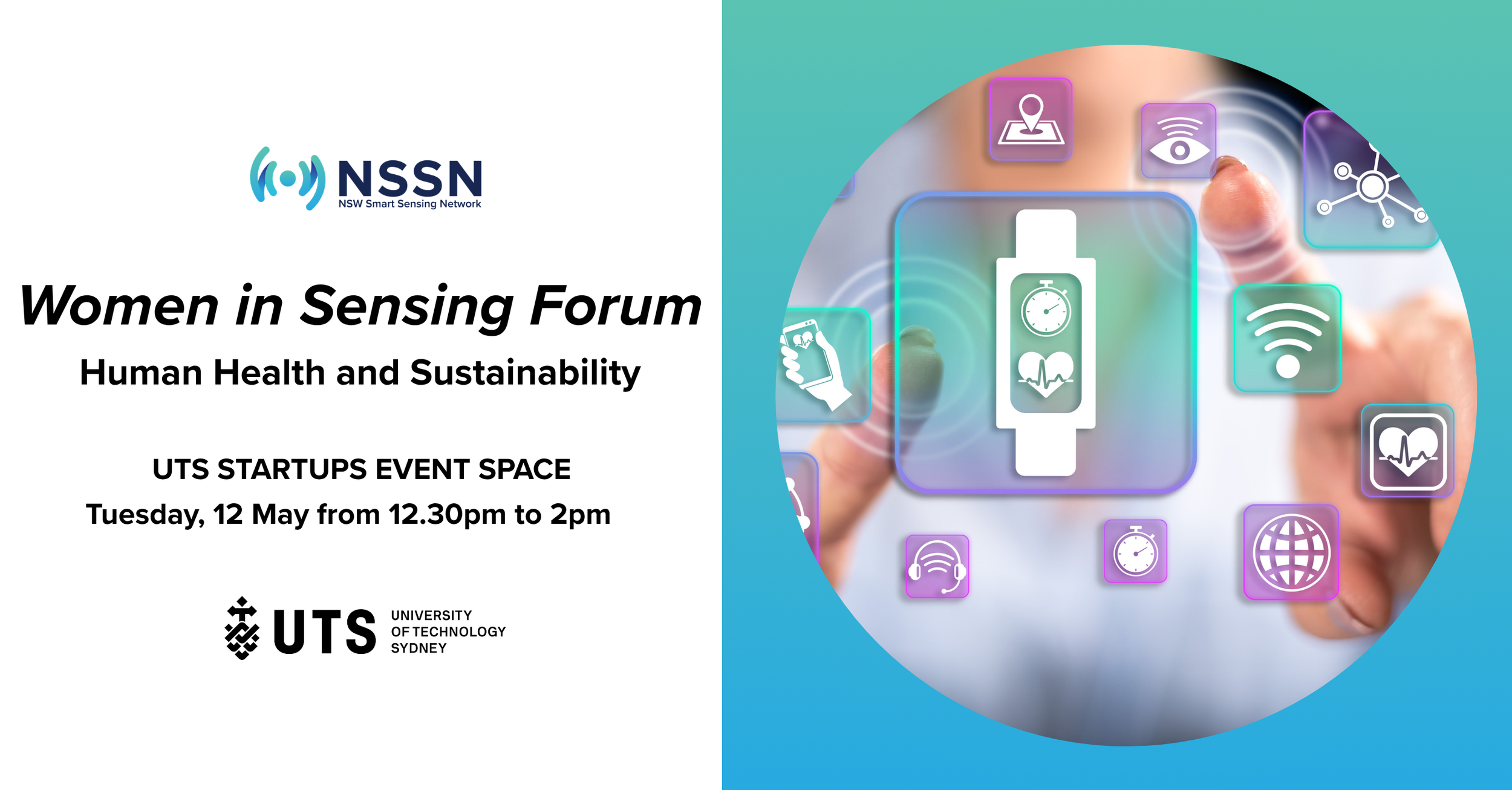
Women transforming the future of health and sustainability to headline UTS event
A globally recognised AI leader in human-centred data science, a pioneering biomedical engineer advancing regenerative therapies, and an emerging expert in wearable and IoT sensing systems will headline the upcoming NSSN Women in Sensing Forum at the University of Technology Sydney (UTS) on 12 May.
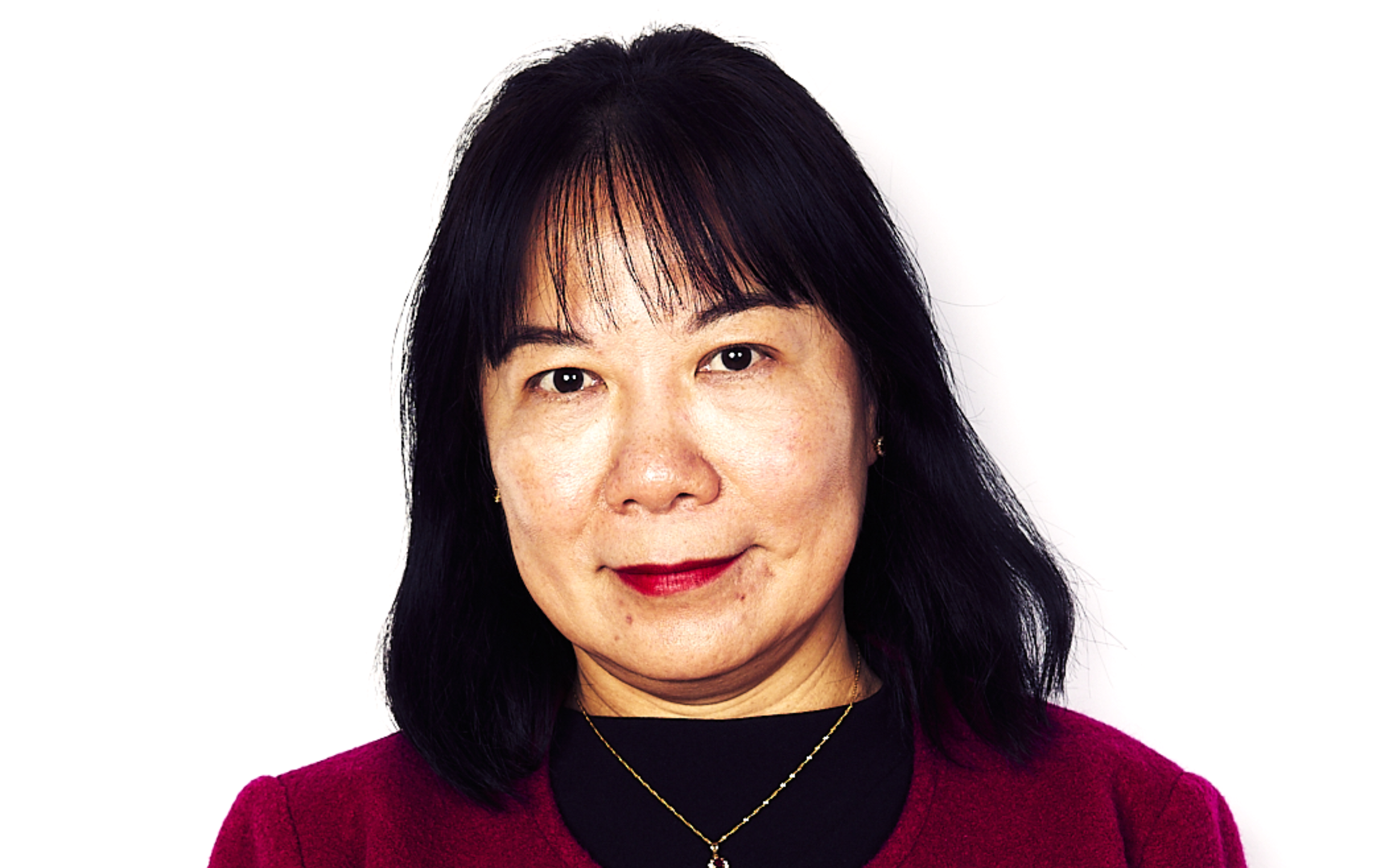
Distinguished Professor Fang Chen. Credit: Supplied
The panel will explore how digital and sensing technologies are transforming healthcare delivery and supporting the long-term sustainability of Australia’s health system.
It will also examine how these innovations can improve equitable access to care, particularly for rural, remote, and vulnerable communities, while highlighting the critical role of women driving innovation across health, AI, and sensing science.
One of the speakers is Distinguished Professor Fang Chen, a globally recognised and award-winning leader in artificial intelligence and data science.
The Executive Director of the Data Science Institute at UTS drives transformative research and innovation at the intersection of academia, government, and industry.
D/Prof Chen’s research expertise spans artificial intelligence, machine learning, human–machine interaction, behaviour analytics, and responsible, human-centred AI.
Her career has encompassed senior leadership roles at Intel, Motorola, and CSIRO, as well as serving as Dean of Faculty at Beijing Jiaotong University.
D/Prof Chen is a recipient of many prestigious science and engineering awards, including the Australian Museum Eureka Prize for Excellence in Data Science, the NSW Premier’s Prize for Science and Engineering, and the Australian Financial Review AI Award.
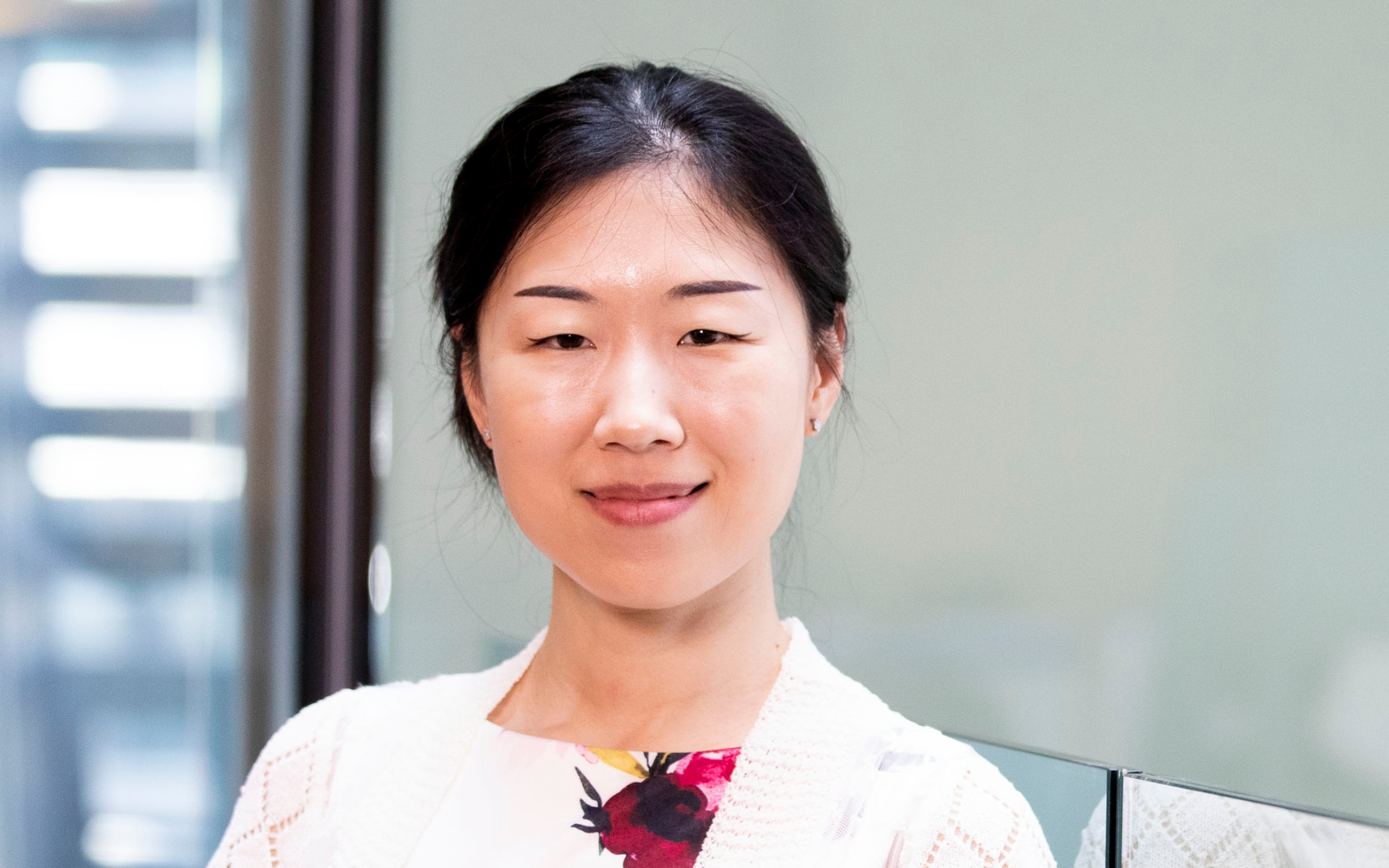
Dr Jiao Jiao Li. Credit: Supplied
Dr Jiao Jiao Li is a biomedical engineer and Senior Lecturer at UTS, specialising in tissue engineering and regenerative medicine for musculoskeletal diseases.
She leads a research team developing innovative stem cell-based therapies and bioactive materials, including nanoscale bio-therapeutics designed to treat conditions such as osteoarthritis.
Dr Li’s work advances next-generation approaches to repairing and regenerating damaged tissues to improve patient outcomes.
She has been recognised for her impact with prestigious awards, including the 2024 Eureka Prize for Emerging Leader in Science.
Professor Sally Inglis is a Heart Foundation Future Leader Fellow and internationally recognised expert in telehealth and virtual models of cardiovascular care, with a distinguished track record in digital health, clinical research, and health service innovation.
She is senior author of the 2026 CSANZ and ACRA Position Statement on the Quality Use of Telehealth in Cardiovascular Care and leads a major research program at UTS focused on digital, virtual, and AI-enabled cardiovascular care solutions.
Professor Inglis has extensive leadership experience across national cardiovascular organisations, including the NSW Cardiovascular Research Network and the Cardiac Society of Australia and New Zealand, and is a strong advocate for diversity, inclusion, and the development of early and mid-career researchers.
Her internationally cited research, including Cochrane Reviews and influential publications in leading journals, has shaped telehealth policy and clinical practice globally, particularly during the COVID-19 pandemic.
The panel will be moderated by Pro Vice-Chancellor (Research) at UTS, Professor Anika Gauja FASSA.
Previously, Professor Gauja was Executive Director (Social, Behavioural and Economic Sciences) at the Australian Research Council, overseeing major National Competitive Grants Program schemes and leading significant process reforms, including the two-stage Expression of Interest for Discovery Projects.
She has also held senior research leadership roles at the University of Sydney, including Associate Dean (Research) in the Faculty of Arts and Social Sciences.
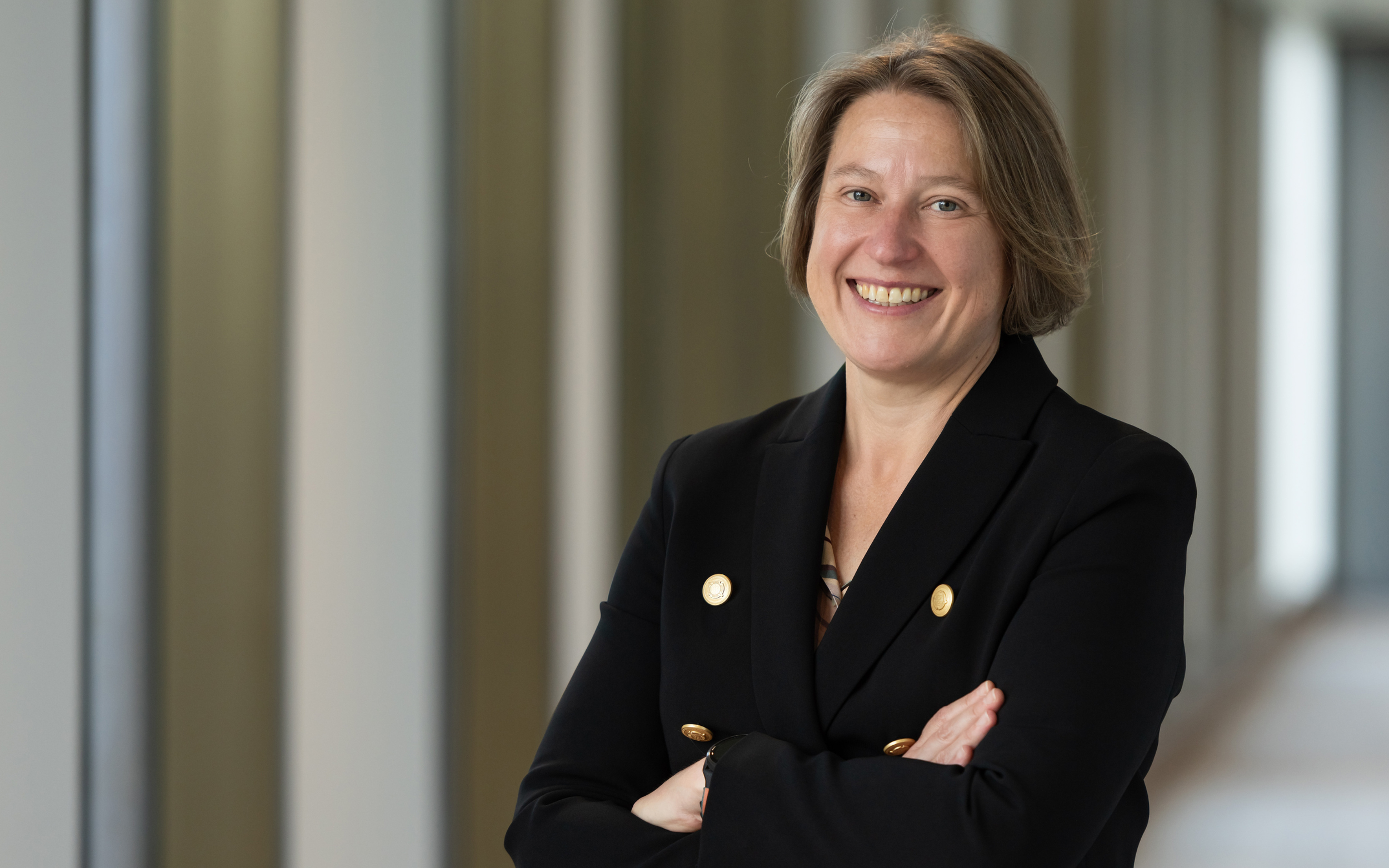
Professor Anika Gauja. Credit: Supplied
An internationally recognised political scientist, Professor Gauja’s work examines representative institutions and the intersection of politics and law.
The NSSN Women in Sensing event series started in 2022 with the aim of profiling women researchers and leaders from across the network of seven universities.
The event provides inclusive platforms for networking and identifying collaborative opportunities.
Women in SensingForum: Human Health and Sustainability will be held at the UTS Startups Event Space on Tuesday, 12 May between 12.30pm and 2pm.
A complimentary lunch will be served from 12.30pm. Register for the event.