
Meet the researcher: Dr David Nguyen
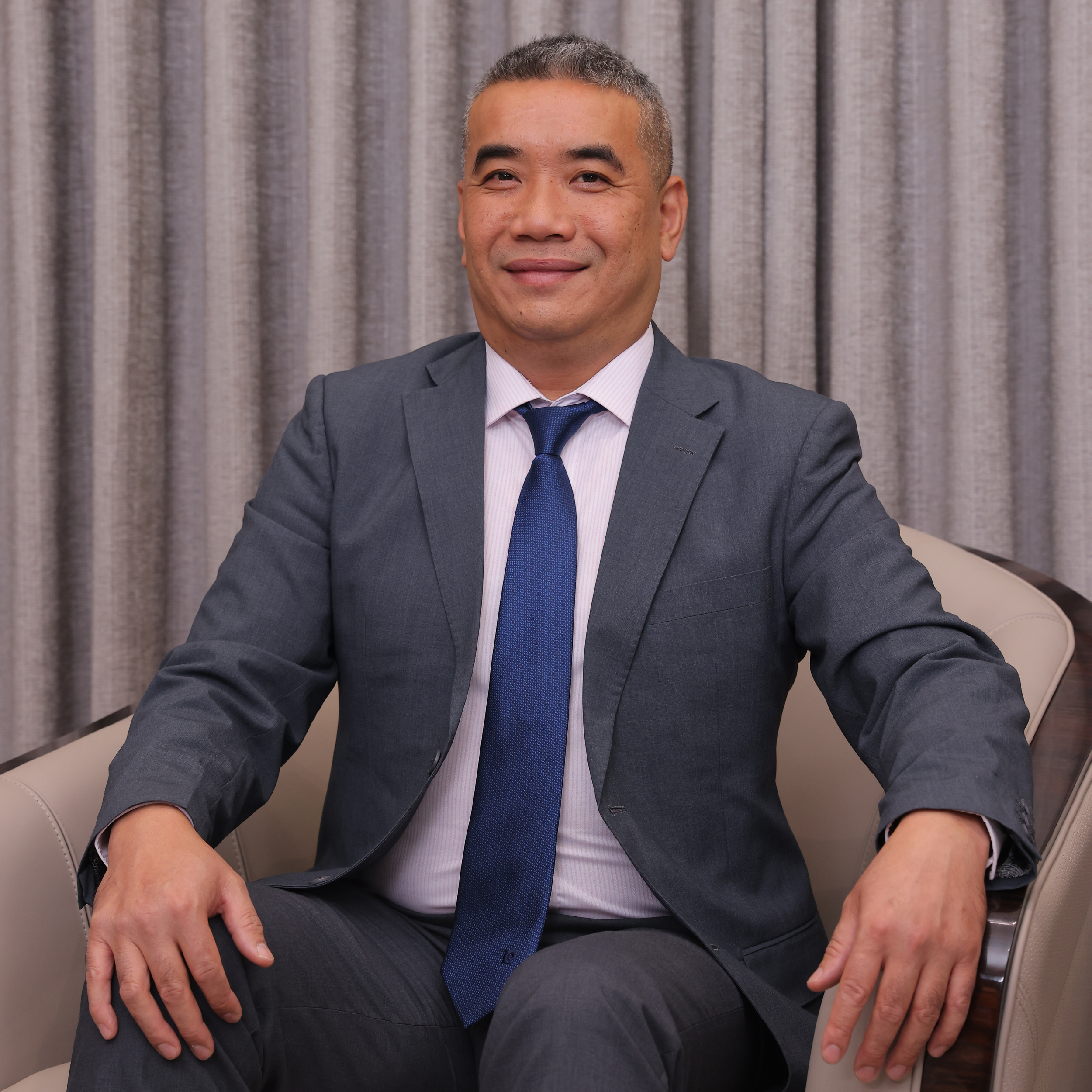
Dr David (Duc) Nguyen
Dr David (Duc) Nguyen is a Research Fellow in the School of Chemistry at the University of Sydney. He specialises in nanomaterials, nanocomposites, and sustainable technologies for environmental, biomedical, and energy applications. His work spans sustainable coatings, plastic recycling, microplastic removal, battery materials, and nanoparticle-enabled biomedical systems. With more than 23 years of industry collaboration and thirteen patent families, his research is strongly translational, focused on delivering practical, commercially relevant solutions.
Tell me about your interest in nanomaterials, nanocomposites, and sustainable technologies.
My interest in nanomaterials and nanotechnology is driven by solving real problems faced by industry partners, particularly reducing material consumption, improving recycling processes, and minimising health and environmental impacts.
For example, I have worked with Dulux Australia for over 23 years, developing multiple technologies that enable high-performance paints while significantly reducing the use of non‑renewable titanium dioxide pigments. In a ten‑year collaborative project with Syngenta AG, our encapsulation technologies were used to produce fungicides that are less toxic to human lungs.

Image shows Dr Nguyen’s synthetic nanofibers which reduce reliance on non-renewable titanium dioxide pigment in paint film. Credit: Supplied
Another example is an impact delamination invention that I initiated, which provides a low‑cost and practical method to more effectively separate and recycle HDPE flakes contaminated with label adhesives. Most recently, I developed high‑density coalescing agents that offer a technical solution for removing micro‑ and nanoplastics from commercial laundry wastewater.
How do you use sensors in your research, and why?
Sensors play a critical role in my research. Working with nanomaterials means that products must be rigorously tested, characterised, and accurately measured at very small scales.
One example is a $1.5 million industry‑led CRC‑P project (2020) coordinated by the NSW Smart Sensing Network and its academic and industry partners. In this project, I pioneered a sensing technology that allows industry partners to accurately quantify adhesive contamination in recycled products. This capability not only supported immediate process optimisation, but also laid an important foundation for future regulatory frameworks.
The same sensing approach was later used to verify the effectiveness of our impact delamination intellectual property, demonstrating the production of almost glue‑free recycled materials.
What has been your most rewarding achievement or moment in your research career?
My most rewarding moments have been the “Eureka” moments that followed long, sleepless nights—when simple ideas unexpectedly led to major technological breakthroughs. One such moment was realising that a straightforward analytical technique could be used to sense adhesive contamination in HDPE flakes. Another was the conceptualisation of high‑density coalescing agents to remove micro‑ and nanoplastics from wastewater.

Image shows clean HDPE flakes recovered from two litre milk bottles using Dr Nguyen’s impact delamination technology. This project was coordinated by the NSW Smart Sensing Network. Credit: Supplied
I have also found great satisfaction in my long‑term collaborations with Dulux Australia, where relatively simple concepts have resulted in significant industrial impact. These include world‑first applications of RAFT‑based random copolymers to disperse and encapsulate nanoparticles for improved material efficiency and film performance, the synthesis of film‑forming polymer Janus particles for enhanced stain resistance, and the recent development of scalable synthetic processes to produce concentrated nanofibres for substantial pigment savings in coatings.
What more are you hoping to achieve in your career?
With a strong intellectual property portfolio and more than two decades of experience working on industrial projects, I aim to continue serving as a bridge between academia and industry. I want to provide trusted, professional technical support to domestic and international partners, offering a space where they can openly share challenges and co‑develop solutions with confidence.
Why is what you do important?
My role is to develop and implement scientific ideas that work in real‑world settings. These projects are often considered high‑risk and beyond the internal expertise of industry partners. By taking on this role, I help reduce technical and financial risks, create and secure new intellectual property, and provide clear technology roadmaps. Ultimately, this enables R&D managers to bring advanced capabilities in‑house and translate research into tangible societal and commercial benefits.