
Smart sensing must be designed for people, researchers say
From remote healthcare and regenerative medicine to AI-enabled monitoring, researchers at the NSSN Women in Sensing Forum at UTS Startups last week delivered a shared message: innovation only succeeds when it is practical, inclusive and designed for real-world needs.
Despite working across different disciplines, the three researchers agreed the future of smart sensing and AI will depend not just on technological breakthroughs, but on building systems that are trusted, scalable and capable of delivering real benefits to communities.
The panel explored how digital and sensing technologies are transforming healthcare delivery while supporting the long-term sustainability of Australia’s health system.
From sensing to systems: building trust at scale
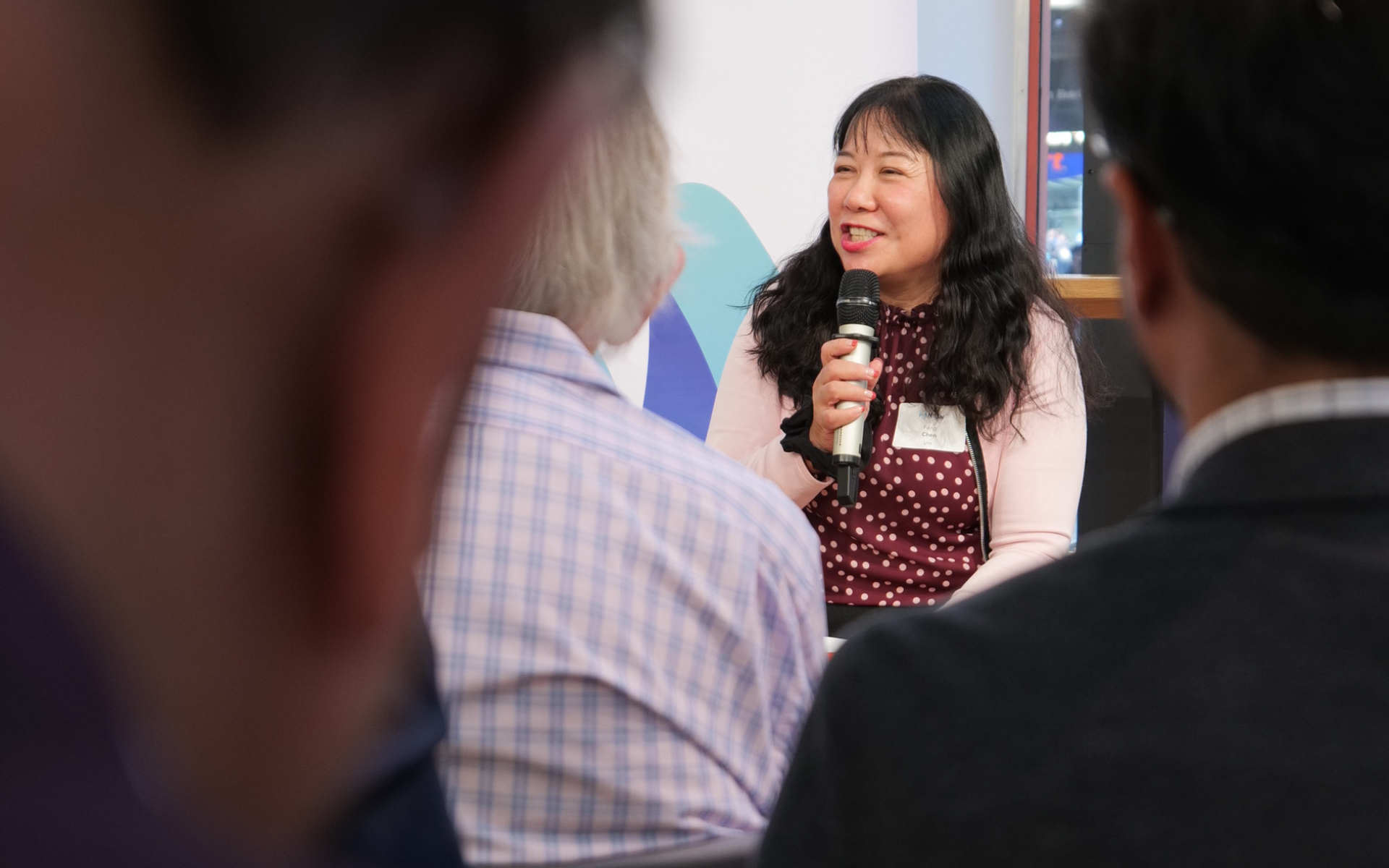
Distinguished Professor Fang Chen
The Executive Director of the Data Science Institute at UTS, Distinguished Professor Fang Chen, described how sensing, AI and data can transform healthcare by identifying patterns, detecting anomalies and enabling better decisions.
Wearable patch sensors used in aged care can continuously monitor vital signs such as oxygen levels, heart rate and temperature, she said, and can detect conditions like sepsis or urinary tract infections early, assisting clinicians with faster triage, particularly in underserved settings.
“You can place a patch and get a constant data feed from that and then change the entire care process, it's fantastic,” she said.
Working with NSW Health, her team has also analysed long-term patient data to understand how chronic disease develops in people over 65, with the aim of shifting care from hospital treatment to earlier intervention in the community.
“We can't build many emergency rooms (to deal with chronic health problems),” she said.
“But if we can smartly monitor those (chronic) conditions that are progressing over time and then do more primary and community based care, that will save a lot of money and also give a priority to people who really need emergency care, (and help prevent conditions becoming severe in the first place).”
On the question of sustainability, Dist Prof Chen pointed to large-scale infrastructure monitoring projects, including systems that use thousands of sensors to monitor the Sydney Harbour Bridge.
Her team has developed “event-triggered” sensing systems that only transmit data when a significant event or anomaly is detected, reducing energy use, computing demands and cyber risk associated with continuous data transmission.
Drawing on one of her sensor-based data collection projects, Dist Prof Chen said digital technologies had made it easier for Indigenous communities in remote areas to participate by overcoming geographic barriers.
She said it was important to embed diversity, accessibility and equity into the technology design process from the outset. Her research team now champions a “trust by design” approach.
“We try to design a solution which is trustworthy … and if we put those end goals in - we want people to trust those technologies - and bring those into the design process, that safeguards the whole equity process,” she said.
Engineering at the micro-nano scale and designing for reality
Biomedical engineer Dr Jiao Jiao Li said there was potential for sensing technologies at the “micro- and nano-level” to transform regenerative medicine, particularly through smart biosensors and therapeutic delivery systems that can respond to the body’s environment in real time.
Drawing on her work in tissue engineering and stem cell research, she described how these advances could improve treatments for musculoskeletal diseases such as osteoarthritis and tendon-bone injuries.
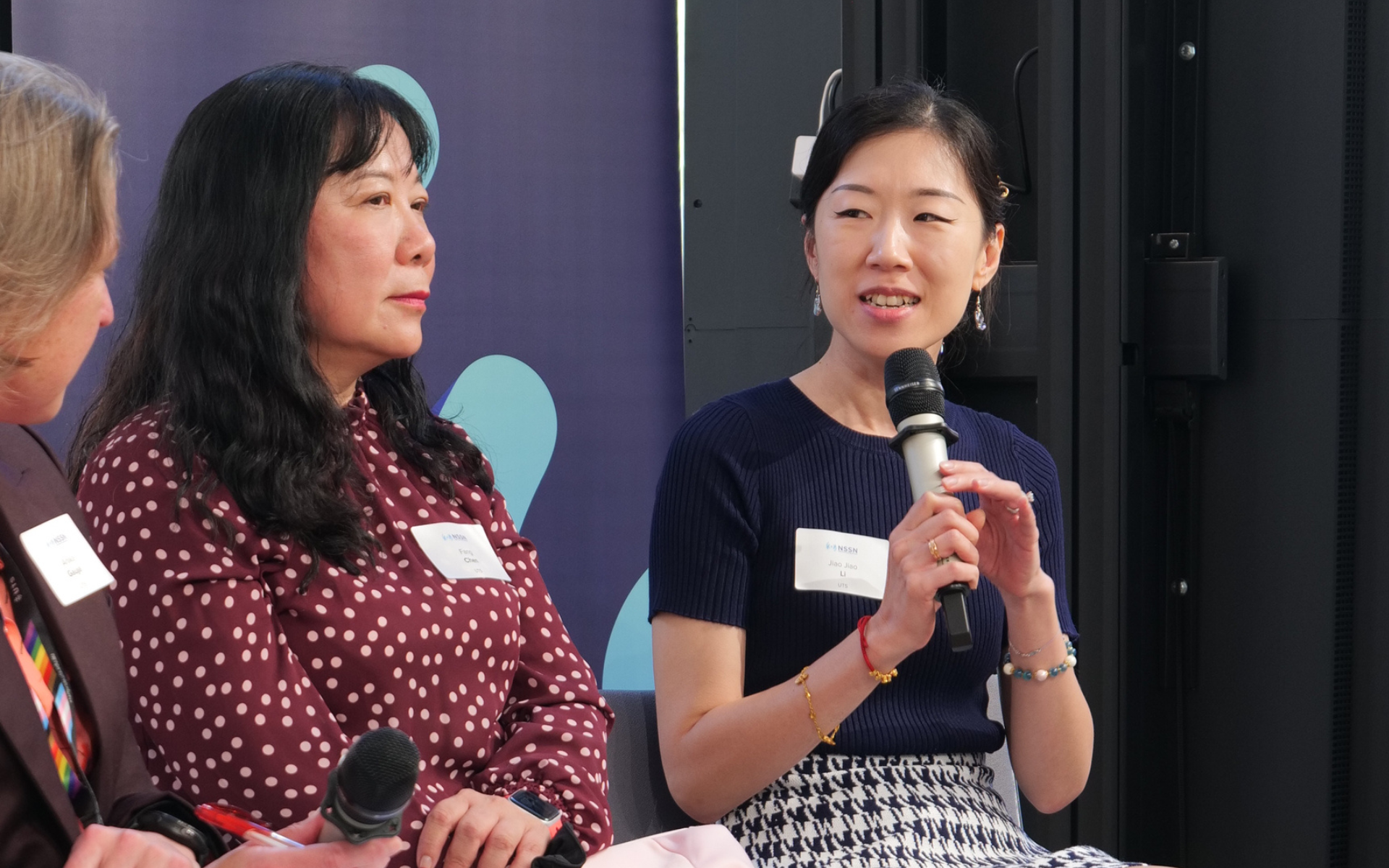
(Right) Dr Jiao Jiao Li
On the need for sustainability, she warned researchers against becoming overly focused on “fancy” proof-of-concept technologies rather than considering whether they are economically viable, scalable, manufacturable, or easy for clinicians to integrate into existing healthcare systems.
Using musculoskeletal disease as an example, she emphasised that successful translation of medical technologies should not only lead to improved patient outcomes - reducing pain, revision surgeries and implant failures - but also fit seamlessly into established clinical workflows.
“If (a clinician) is already injecting a therapeutic routinely into someone's knee, and my injectable solution is a ‘miracle product’, then they'll ask: can I integrate that (into what I already do), rather than needing a new procedure,” she said.
Dr Li also highlighted the importance of scalability and reproducibility in medical innovation.
“When you develop something in the lab, it could work with tens of samples,” she said. “But when you manufacture thousands of samples, is it economically viable? Is it reproducible? Are the outcomes in the patient reproducible as well? And then there are regulatory considerations as well.”
Dr Li said it was critical to have “diverse voices in the room represented as you’re developing the technology”, because “diversity fundamentally drives innovation”.
People with different lived experiences help shape which problems are prioritised and ensure technologies are designed to be accessible and equitable, she said.
Without input from under-represented groups such as women, culturally diverse researchers, First Nations peoples and people with disabilities, she warned that mainstream groups risk creating technologies that do not serve the broader population equally.
“(Otherwise the technology) is not going to address a population wide problem,” Dr Li said. “It's just going to address a problem for a mainstream group of people.”
Turning data into better care
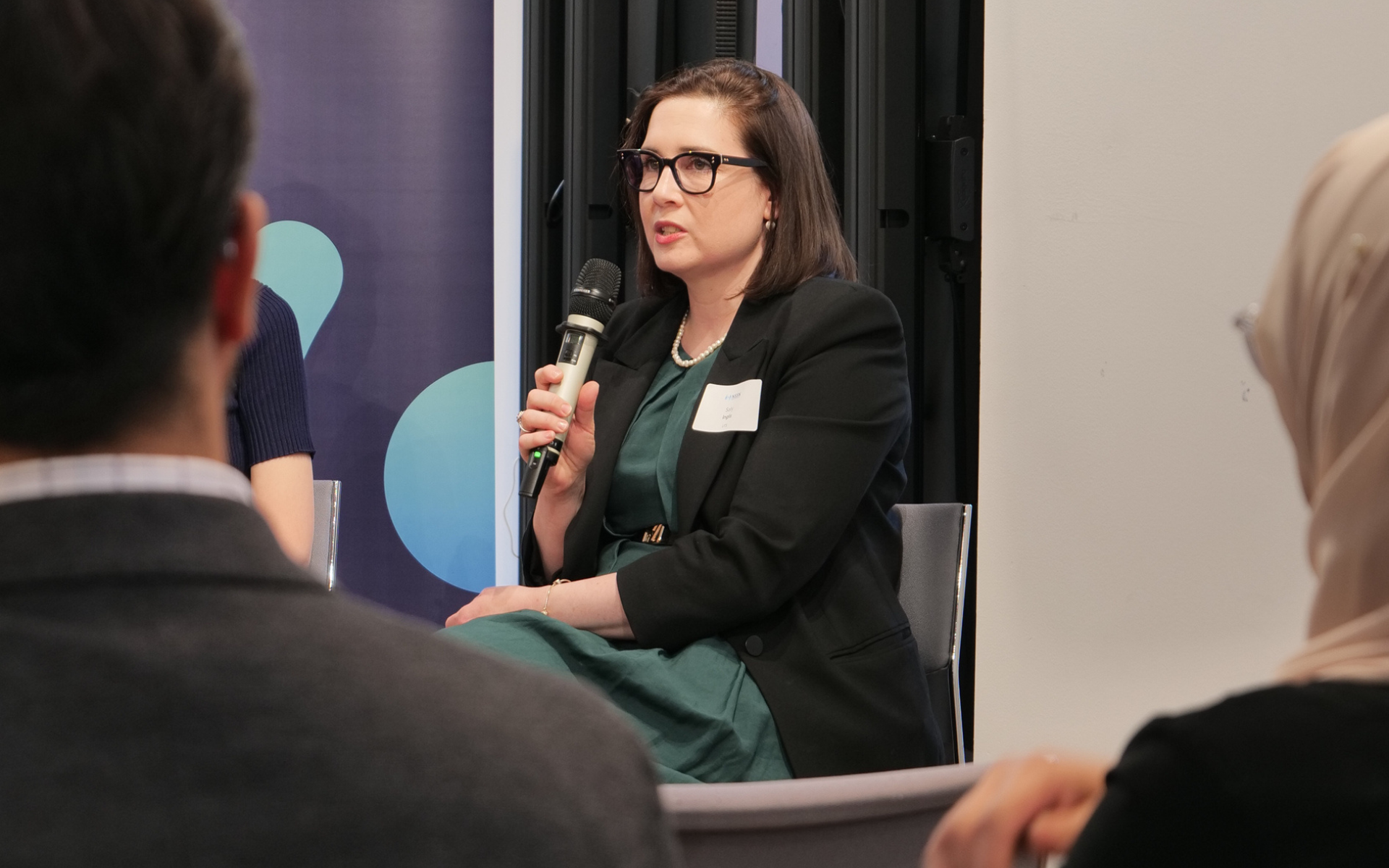
Professor Sally Inglis
Prof Sally Inglis said her interdisciplinary background in nursing, pharmacology and health services research had shaped her strong focus on translating evidence into healthcare policy and clinical practice.
Her long-term development and validation of telehealth and remote cardiovascular monitoring was rapidly accelerated during the COVID-19 pandemic, when, after years of resistance, it was adopted across health systems.
“(The Covid-19 pandemic) really showed what was possible. It gave everyone the push - the health service, clinicians, patients - to have to accept (telehealth),” she said.
The move prompted her to lead a major Australia–New Zealand policy effort to ensure telehealth remained embedded in cardiovascular healthcare, arguing it improves access and equity, especially for people in regional and remote communities.
“I do think there are a lot of benefits for being able to support people in their community in home in various different ways, using a whole vast array from simple technology like telehealth, phone calls, video calls, up to much more advanced technology.
“And I think it is a way that we can actually ensure that people are safe at home, they can be supported at home, whether that's in metropolitan Sydney, because for some people, needing to be at home can be just as important for people who can't get to a healthcare service purely because of geography and distance.”
The Professor of Nursing also highlighted broader issues of equity and inclusion, drawing on her own lived experience as a part-time academic with caring responsibilities and managing chronic health conditions, advocating for more flexible career structures in academia and healthcare.
“You can still have a successful career…and we can still make very valuable contributions. And I think that lived experience of being a parent, a carer, living with chronic illness, working part time and doing all the juggle, I think is what really adds that extra layer of depth to our research and how we're able to contribute,” she said.
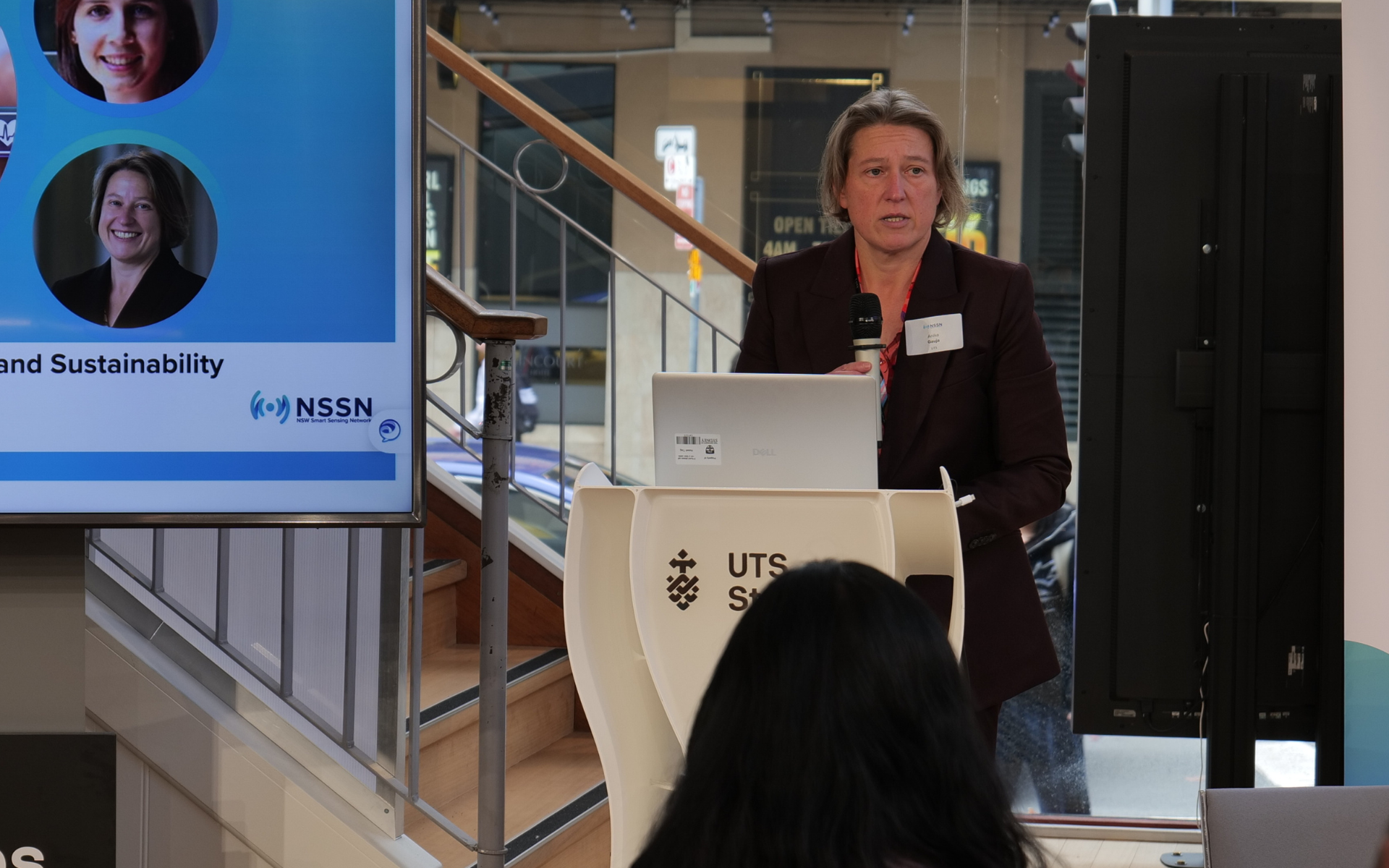
Professor Anika Gauja
Prof Inglis urged there be responsible and purposeful use of health data: “you should only really be collecting something from people if it has a clinical benefit and if you are going to do something with that data.”
She said successful innovation begins by involving the people who will ultimately use a product, protocol or policy, ensuring solutions are co-designed around real needs and deliver meaningful improvements to people’s lives.
“None of us want to be doing things that get stuck on a shelf and don't actually inform and make people's lives better,” she said.
The panel was moderated by Pro Vice-Chancellor (Research) at UTS, Professor Anika Gauja, who emphasised the need to recognise and support both established and emerging women leaders in the smart sensing field, while celebrating the diverse expertise driving innovation.
Drawing on her social science research work with rural communities, she said there was great potential for sensing and digital technologies to improve healthcare access and outcomes for vulnerable and underserved populations.
“Our health system... plays such an important role in sustaining communities, and these (rural) communities face geographic, socioeconomic, and systemic disadvantages,” Prof Gauja said.
The NSSN Women in Sensing event series started in 2022 with the aim of profiling women researchers and leaders from across the network of seven universities.
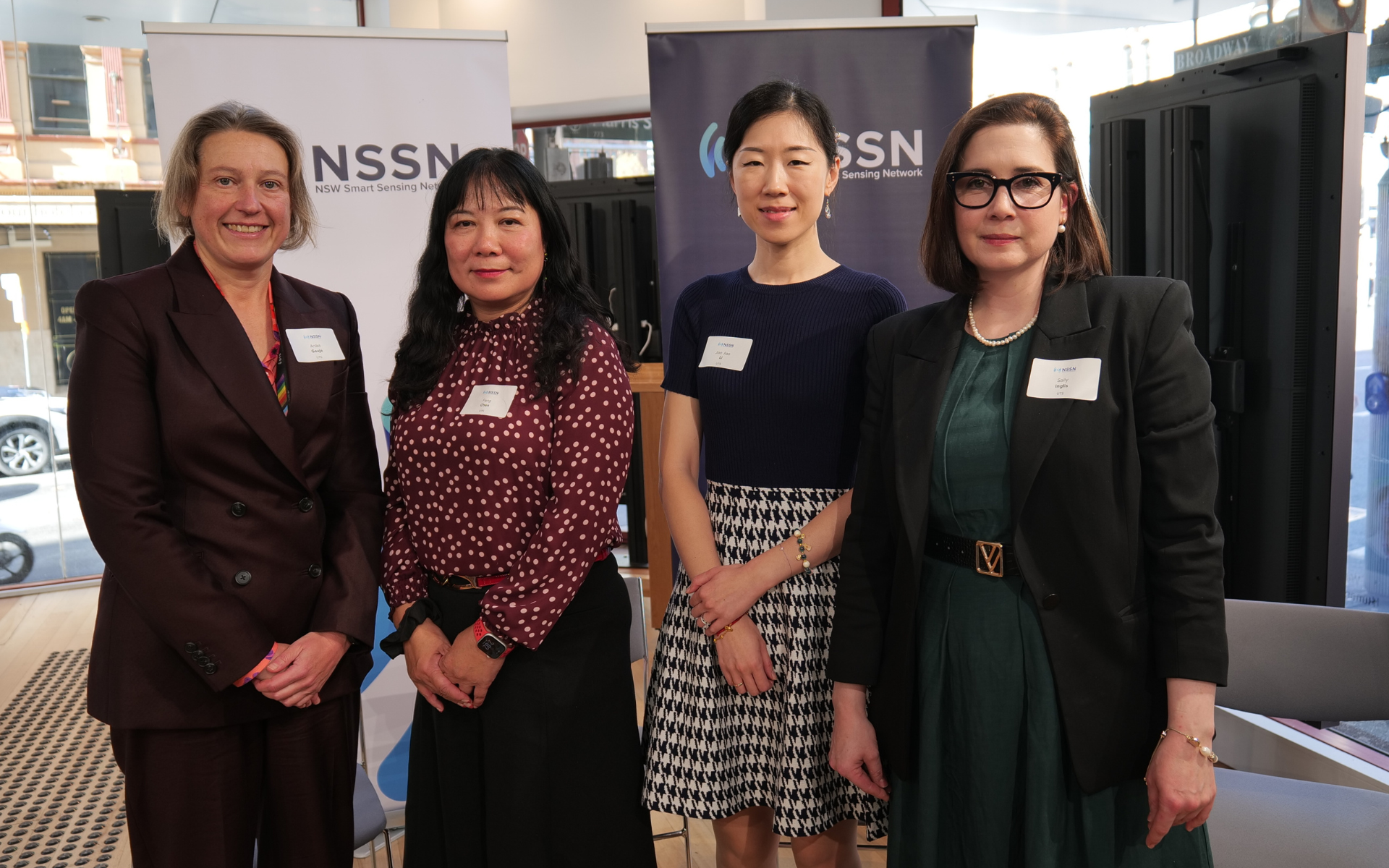
(L-R) Pro Vice-Chancellor (Research) at UTS, Professor Anika Gauja; Distinguished Professor Fang Chen; Dr Jiao Jiao Li, Professor Sally Inglis.