
Meet the researcher: Dr Anastasiia Tukova
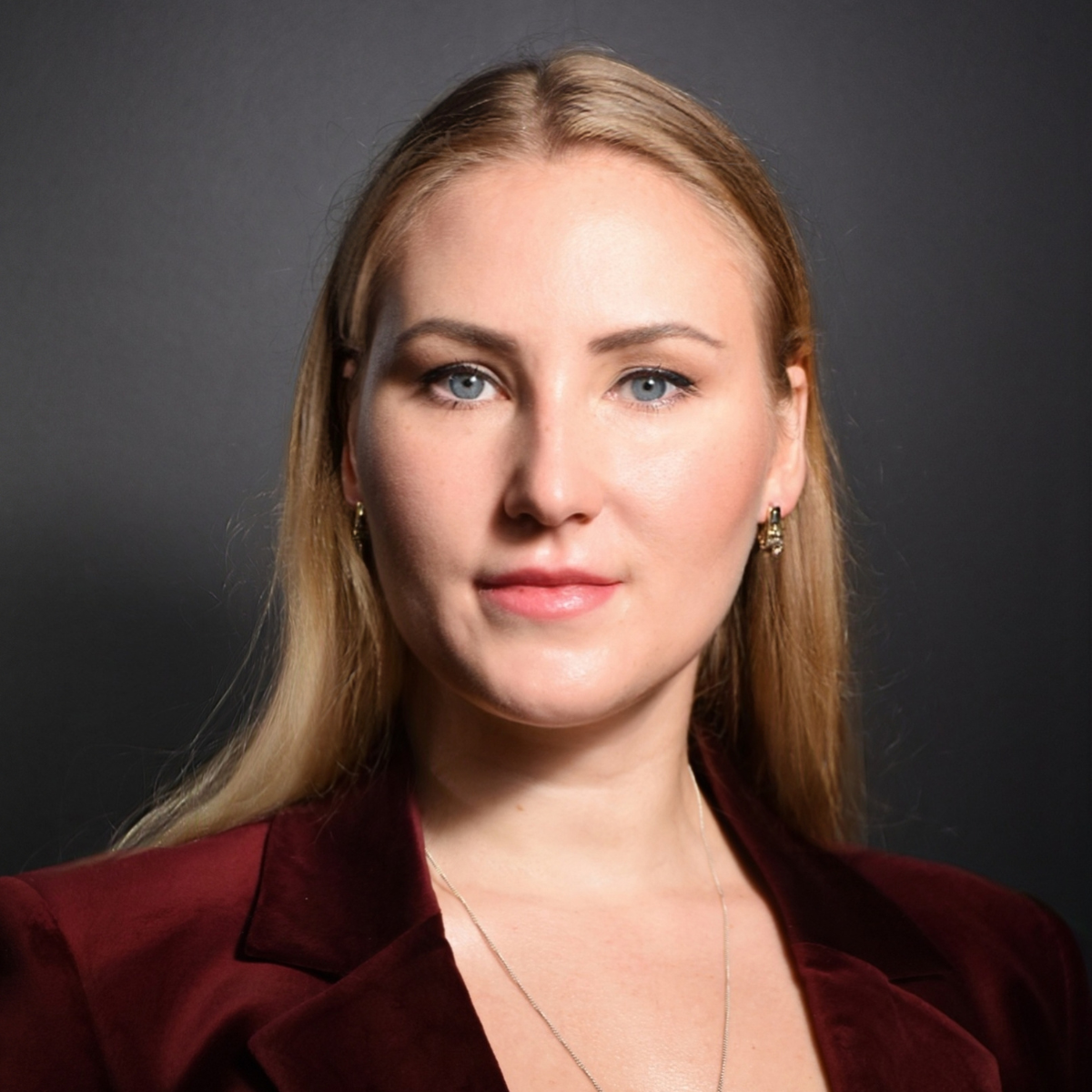
Dr Anastasiia Tukova
Dr Anastasiia Tukova is a Lighthouse Postdoctoral Fellow in the School of Natural Sciences at Macquarie University. Her research focuses on designing plasmonic nanostructures and applying Surface-Enhanced Raman Spectroscopy (SERS) for biosensing and bioimaging. She is involved in the development of a nanosensor-based platform for cancer diagnostics which can detect subtle molecular signals and biomarker patterns.
Tell me about your interest in nanosensors
My interest in nanosensors comes from the unique way they bring together two fascinating worlds: nanotechnology and light. Plasmonic nanostructures, which are materials engineered at the nanoscale, have played a major role in advancing Surface-Enhanced Raman Spectroscopy, or SERS – the technique I use extensively in my research.
What makes SERS so exciting is its ability to amplify extremely weak molecular signals, allowing us to detect very small amounts of analytes, sometimes even approaching single-molecule sensitivity under the right conditions. Although SERS is a relatively young scientific field, only around 50 years old, it has already opened powerful possibilities in chemical analysis, biosensing and disease detection.
For me, nanosensors are exciting because they allow us to study things that are too small or too subtle to detect using many conventional methods.
How do you use sensors in your research work, and why?
In my research, I use plasmonic nanosensors to detect disease-related analytes, including circulating tumour cells, bacteria, extracellular vesicles, DNA, RNA, proteins, macromolecules and small molecules.
The main reason I use plasmonic sensors is their versatility. They can be engineered in different ways depending on the target. For example, we can design SERS nanotags, which are nanoscale beacons that produce a unique spectral signal when they bind to a specific biomarker. These can be tailored to recognise many different types of analytes.
At the same time, label-free SERS allows us to study complex biological samples without attaching a specific label or tag. This is particularly useful for discovering new molecular patterns or analysing samples where we may not yet know the most important biomarkers. With the rapid development of machine learning, decoding these complex SERS fingerprints and classifying biological samples is becoming increasingly achievable.
Another major advantage of SERS-based sensors is their high sensitivity. They can detect very subtle molecular changes, which is especially important in early disease detection, where biomarker levels may be extremely low.
What’s been your most rewarding achievement or moment in your research career?
One of the most rewarding moments in my research career has been seeing my work begin to move beyond the laboratory towards real-world translation.
In 2026, I co-founded the start-up company iNanoDx, which is based on our research and patent-protected technologies. This has been a very meaningful step because it represents the possibility of turning years of scientific work into something that could eventually benefit patients, clinicians and the broader community.
For me, the most rewarding part of research is not only making discoveries but also seeing how those discoveries can become useful. It is incredibly motivating to know that the tools and technologies we develop in the lab may one day contribute to better diagnostics and improved health outcomes.
What more are you hoping to achieve in your career?
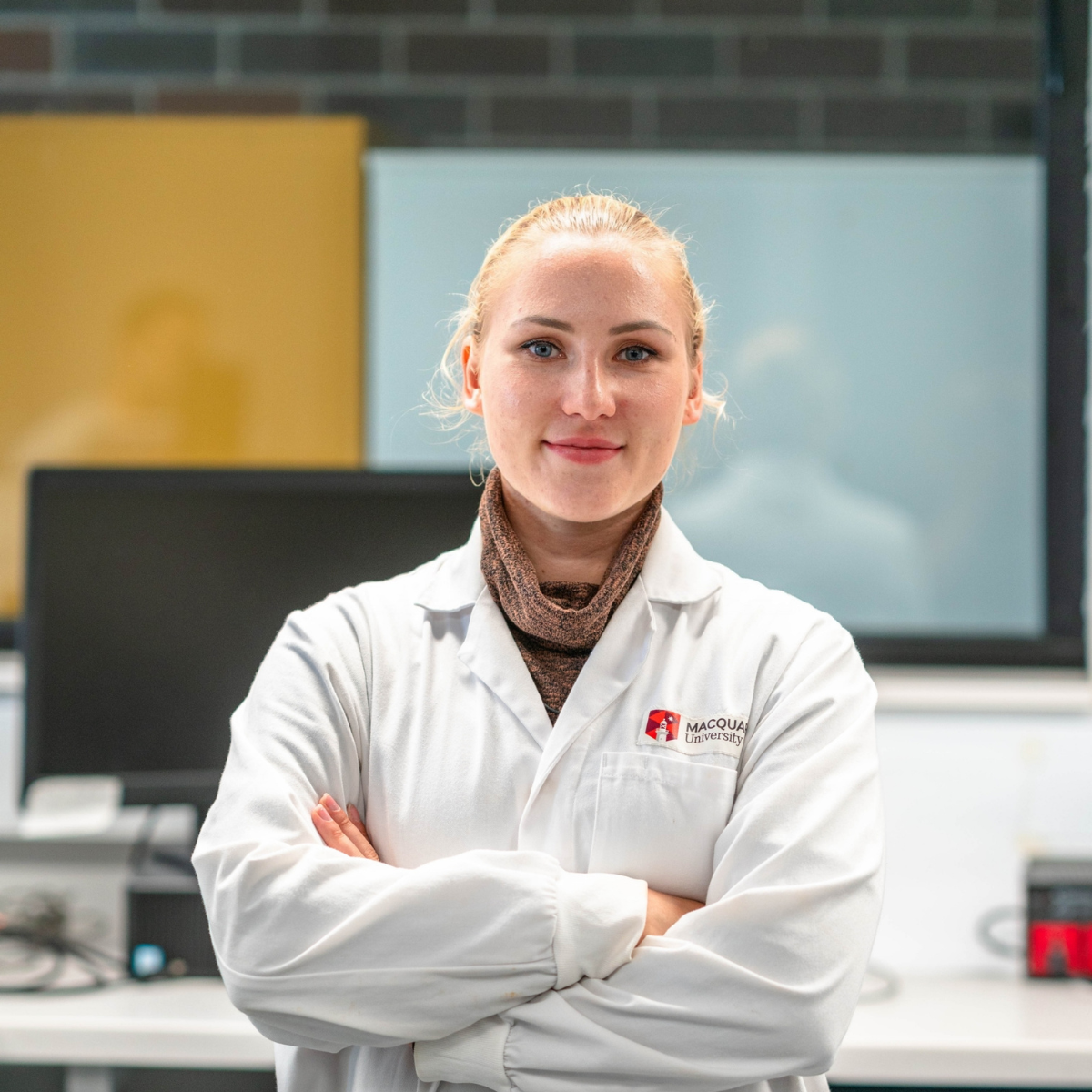
Dr Tukova is involved in the development of a nanosensor-based platform for cancer diagnostics
In my career, I hope to continue developing nanosensor technologies that can make disease detection faster, more sensitive and more accessible. My long-term goal is to help translate advanced spectroscopic and nanotechnology-based methods into practical diagnostic tools that can be used outside highly specialised research laboratories.
I am particularly interested in combining plasmonic nanosensors, SERS and machine learning to create platforms capable of recognising complex biomarker patterns in biological samples. I hope this work will contribute to earlier and more accurate detection of diseases such as cancer.
Beyond the technology itself, I also hope to build strong interdisciplinary collaborations and mentor the next generation of researchers. Scientific progress often happens at the boundaries between fields, and I would like my career to contribute not only to new discoveries, but also to training, collaboration and real-world impact.
Why is what you do important?
My research is important because it offers a way to detect weak biological signals with very high sensitivity. By analysing molecular fingerprints and biomarker patterns, we can gain more detailed information about what is happening in a biological sample, which is very complicated when it comes to diagnostics and clinical utility.
The broader goal is to develop diagnostic technologies that are faster, less invasive and more informative. This could help support earlier diagnosis, better disease monitoring and more personalised treatment decisions. For me, the importance of this work lies in its potential to connect fundamental nanoscience with real clinical needs.