Sensors and AI offer ‘powerful’ opportunity for Australian industry
Sensors will play a critical role in Australia’s artificial intelligence (AI) revolution, the Federal Assistant Minister for Science, Technology and the Digital Economy Dr Andrew Charlton told the NSW Smart Sensing Network’s Ambitious NSW: Sensing the Future of NSW Industry event this week.
Speaking to leaders from government, industry and research at Western Sydney University’s Parramatta campus, Dr Charlton described sensing as giving the economy “better eyes and ears” which would be used by AI to “interpret what those eyes and ears can see and hear”.
“Sensors can detect whether a machine is about to fail before it shuts down a production line,” Dr Charlton said. “They can help farmers use less water and less fertiliser.
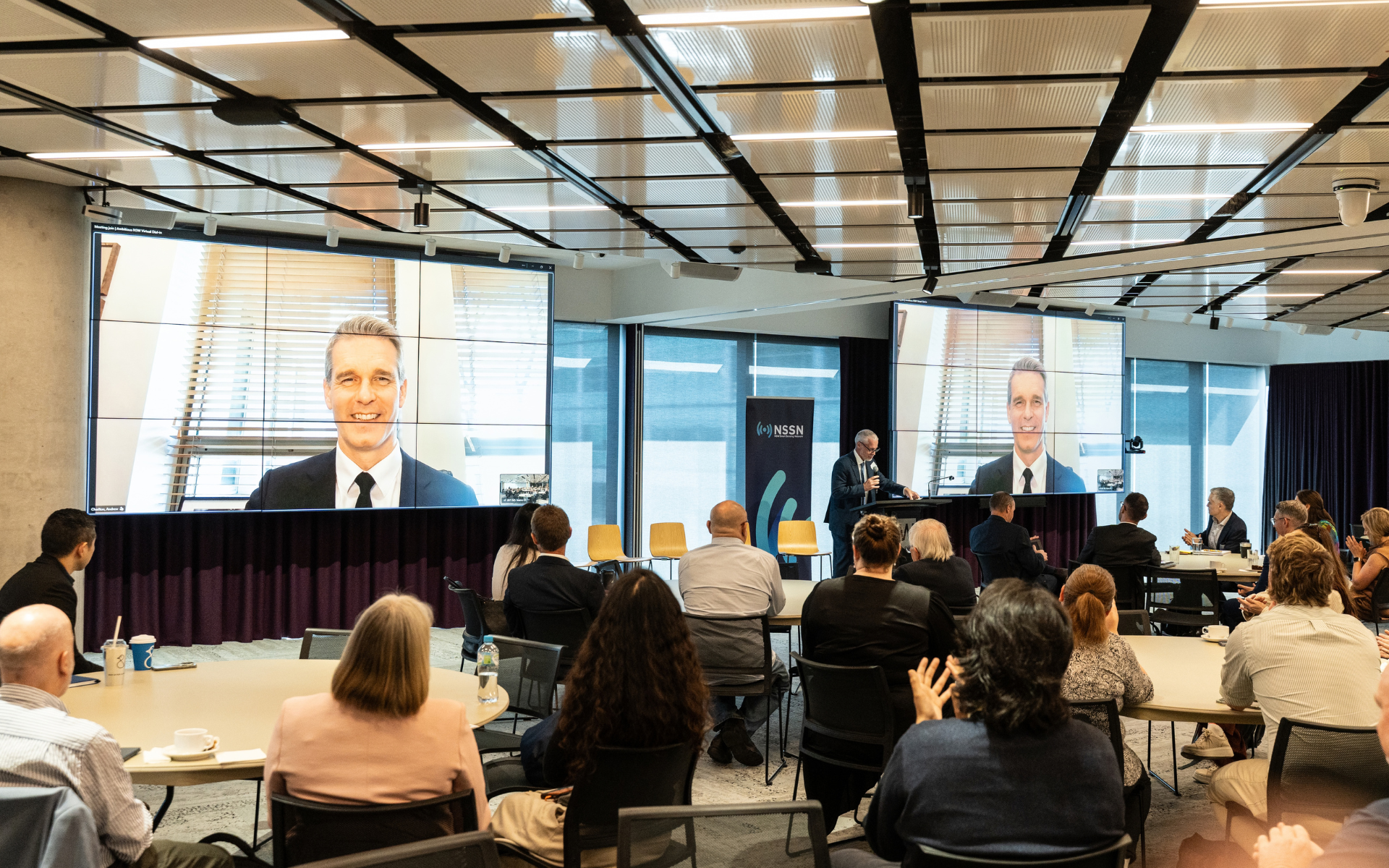
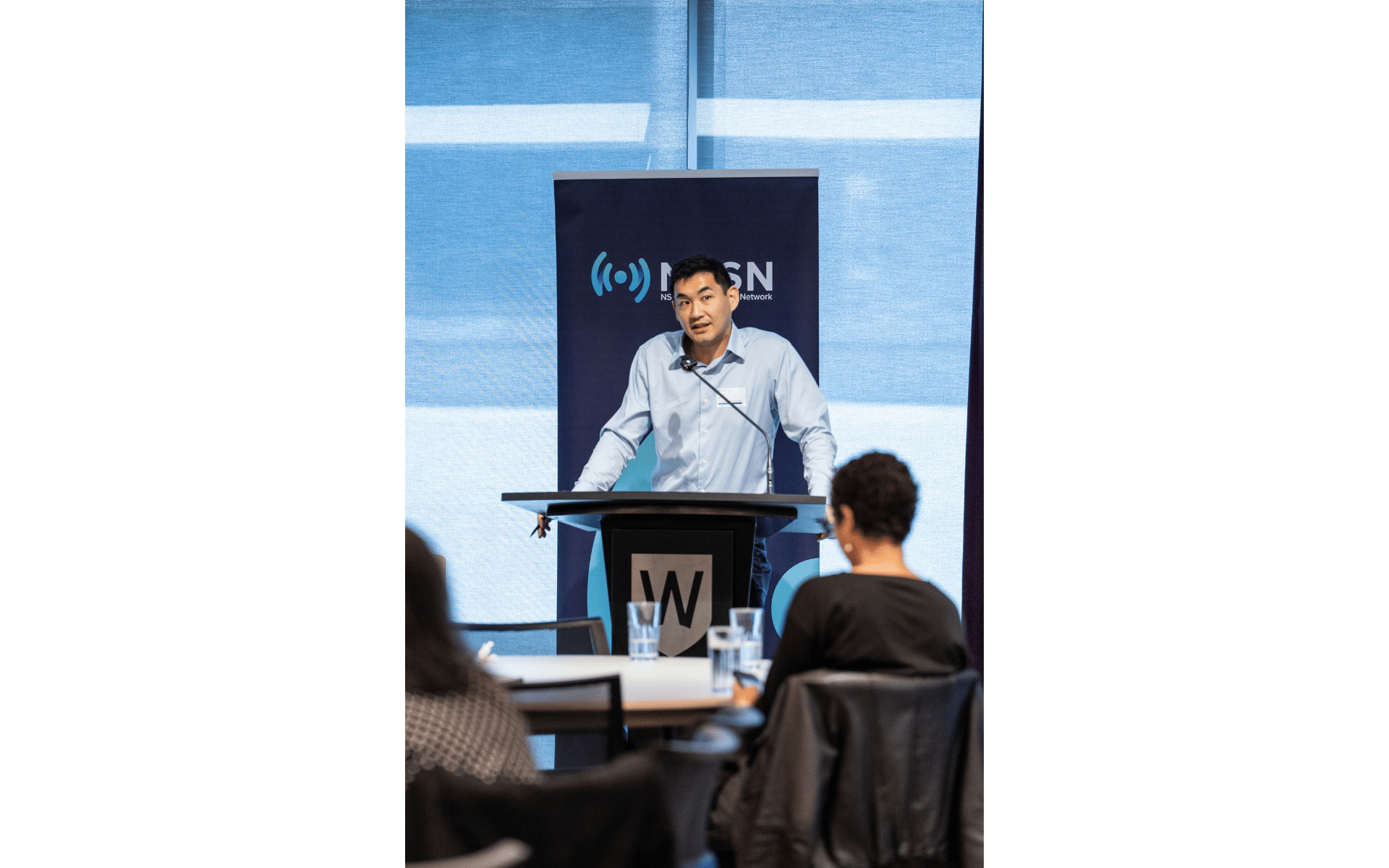
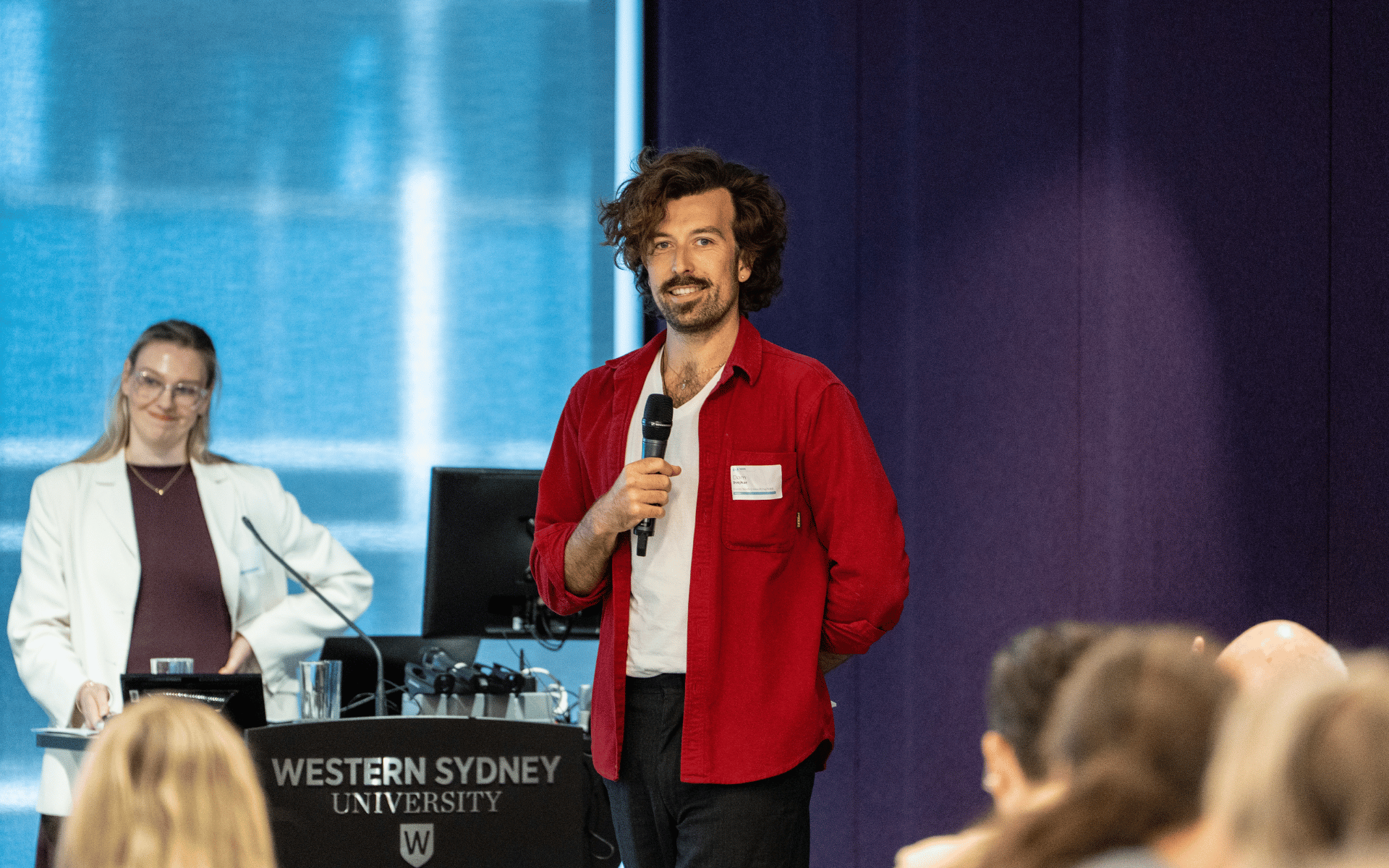
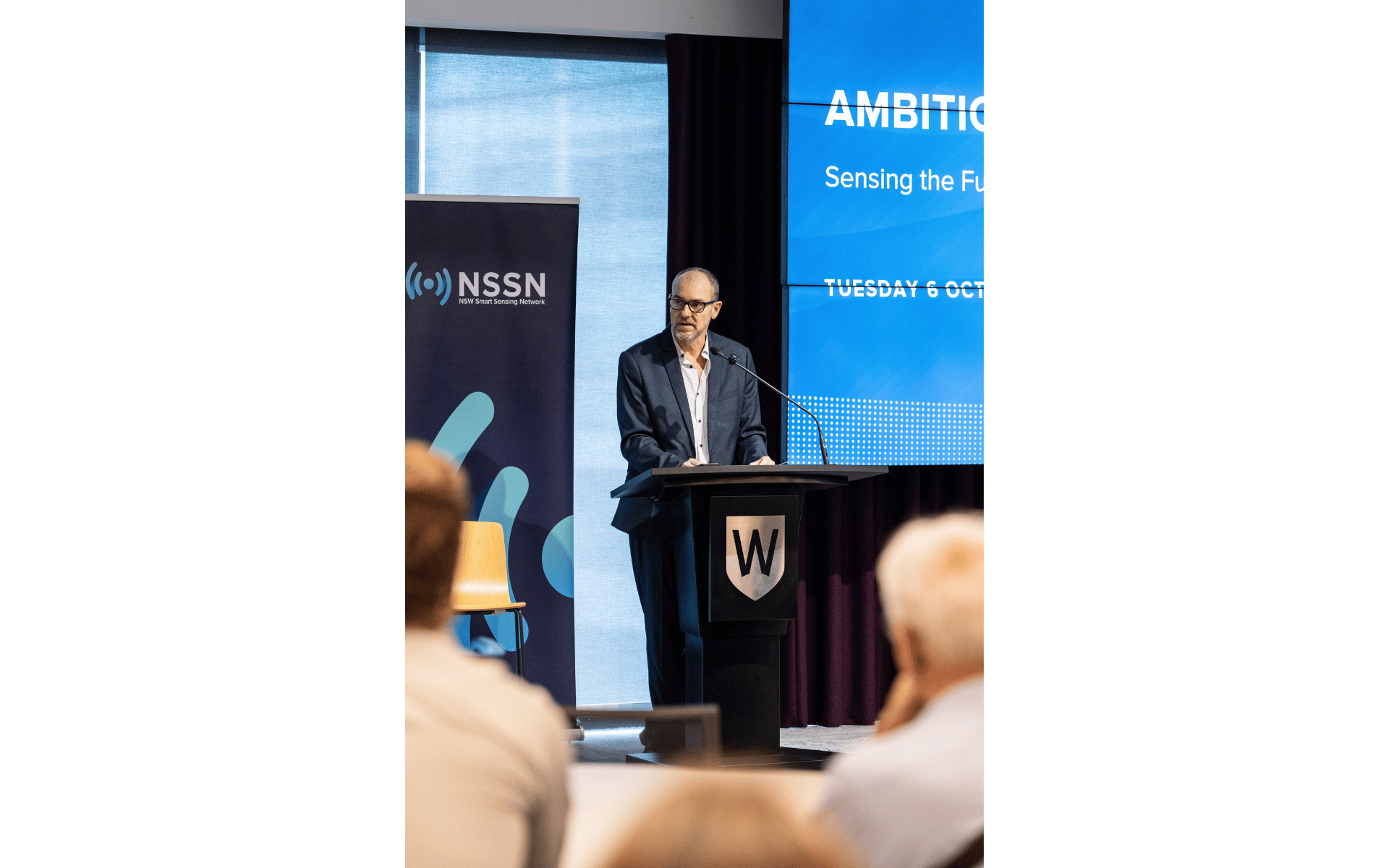
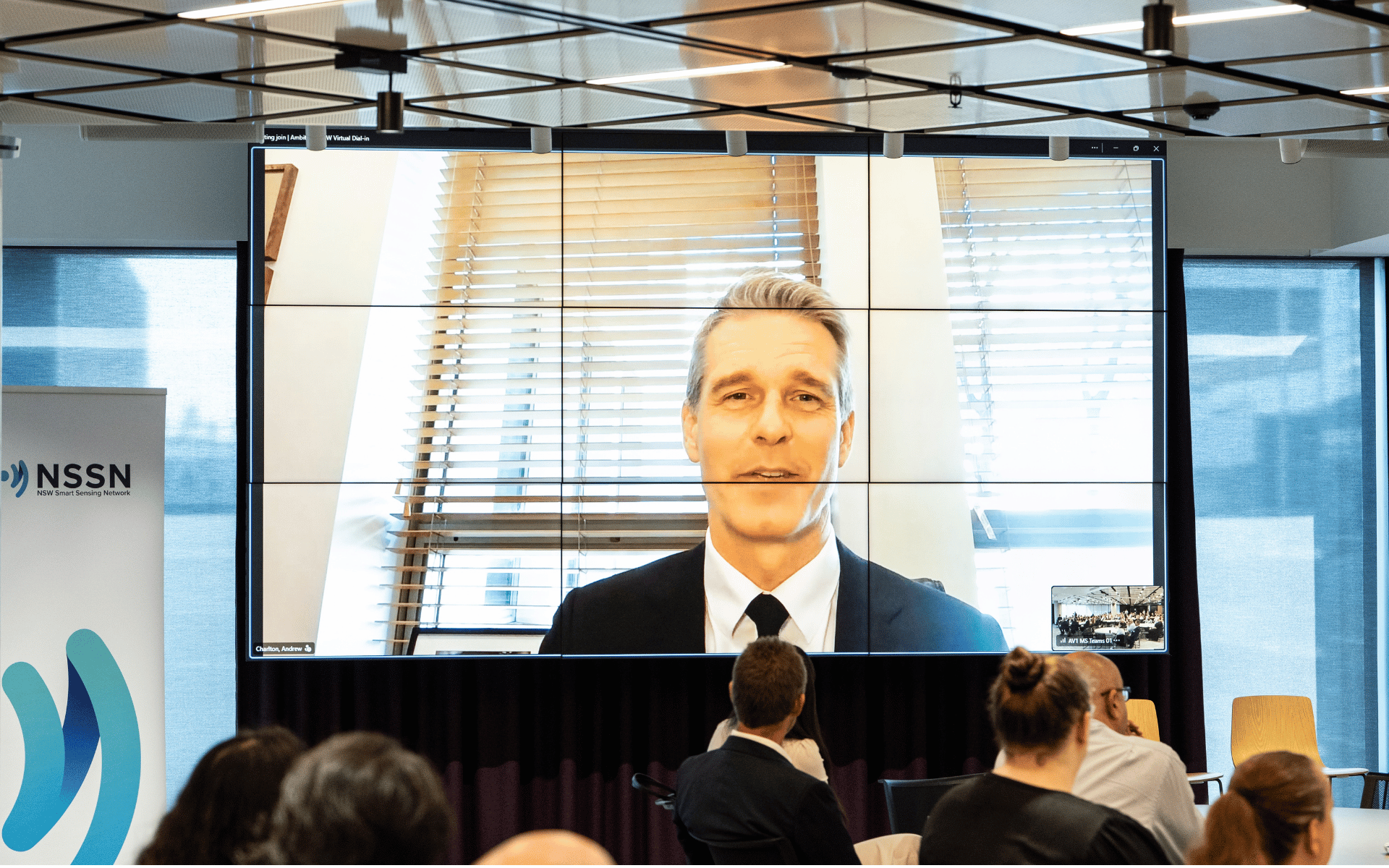
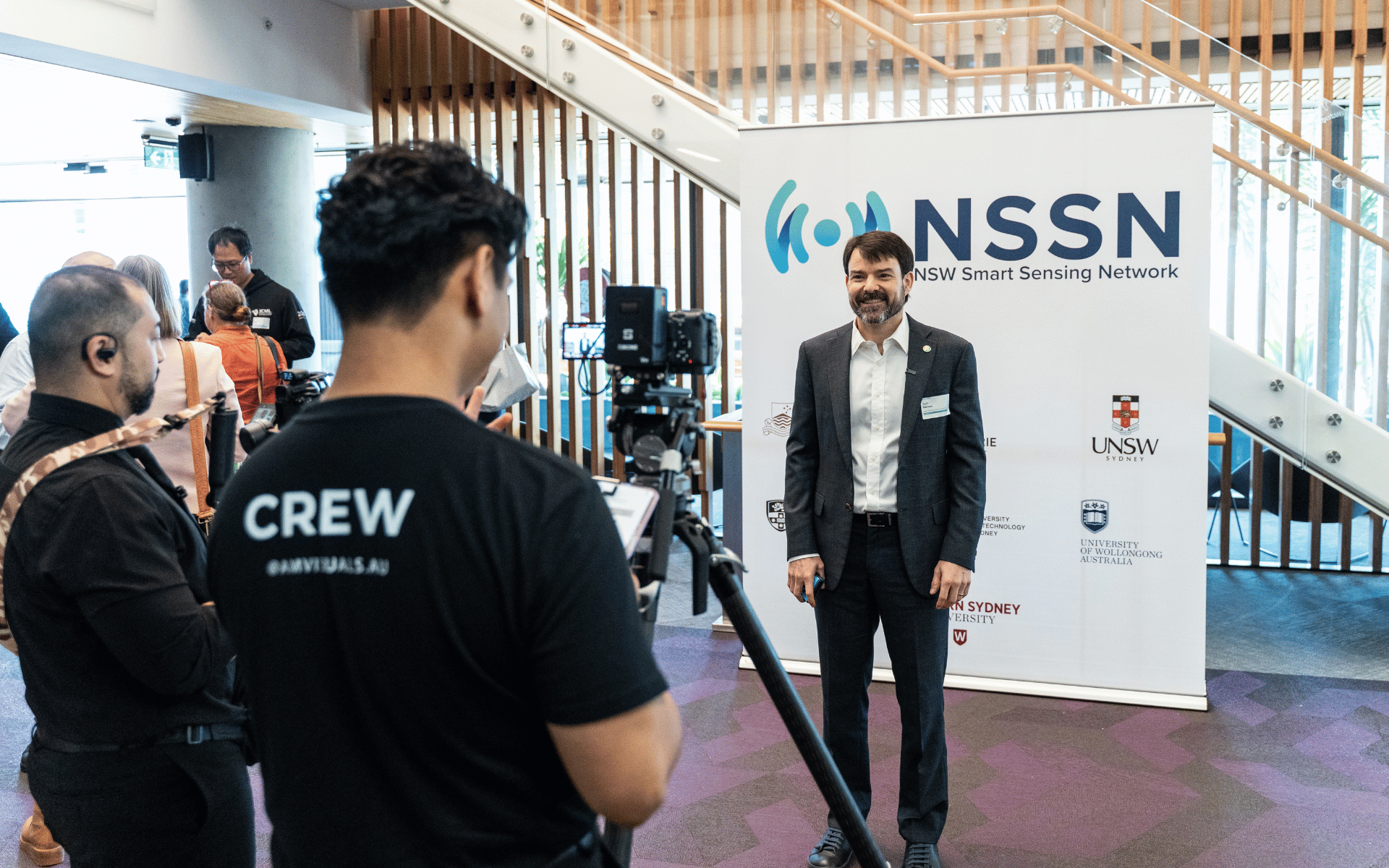
Federal Assistant Minister for Science, Technology and the Digital Economy Dr Andrew Charlton MP delivered the federal minister’s welcome.
“They can measure energy use inside factories and homes. They can make construction safer, transport workers more efficient, and renewable energy systems more reliable. And increasingly, the value of those sensors comes not from simply collecting information, but from what we can do with that information. And this is where the issue that I work on a lot, AI, enters the picture.
“You can think about sensing as giving our economy better eyes and ears, while AI gives it a better ability to interpret what those eyes and ears see and hear.
“When you put the two together, you have something very powerful: systems that can observe the physical world, learn from it, anticipate problems, and crucially help people make better decisions.”
Australia needed to get better at turning its world-class research into Australian companies, capability and jobs, Dr Charlton said, and combining smart sensing with AI could help Australia solve practical industry challenges while building greater technological capability at home.
“Australia doesn't lack for ideas,” Dr Charlton said. “What we need to do is become better at turning those ideas into Australian capability, Australian companies, and Australian jobs.”
He linked that opportunity to the Australian Government’s National AI Plan, arguing that Australia should not simply import emerging technologies but develop and apply them locally.
The aim of Ambitious NSW was to develop potential collaborative projects addressing three NSW priorities: net zero, advanced manufacturing and housing.
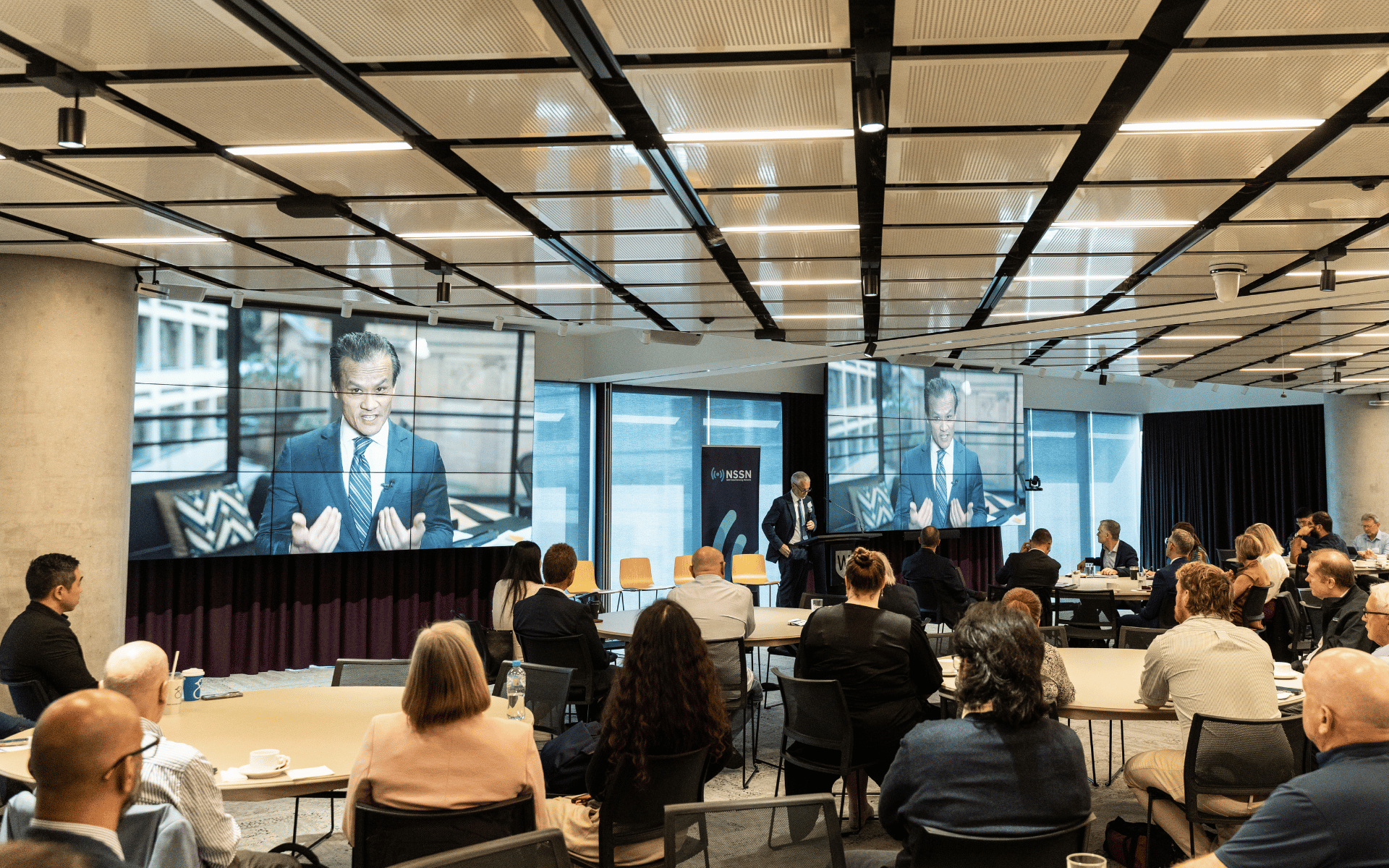
NSW Minister for Industry and Trade and Minister for Innovation, Science and Technology Anoulack Chanthivong MP told the workshop that smart sensing could similarly play an important role in addressing some of the state’s biggest economic and industry challenges.
He said sensing technologies could help improve productivity and quality, use resources more efficiently and support better decision-making across advanced manufacturing, housing and net zero.
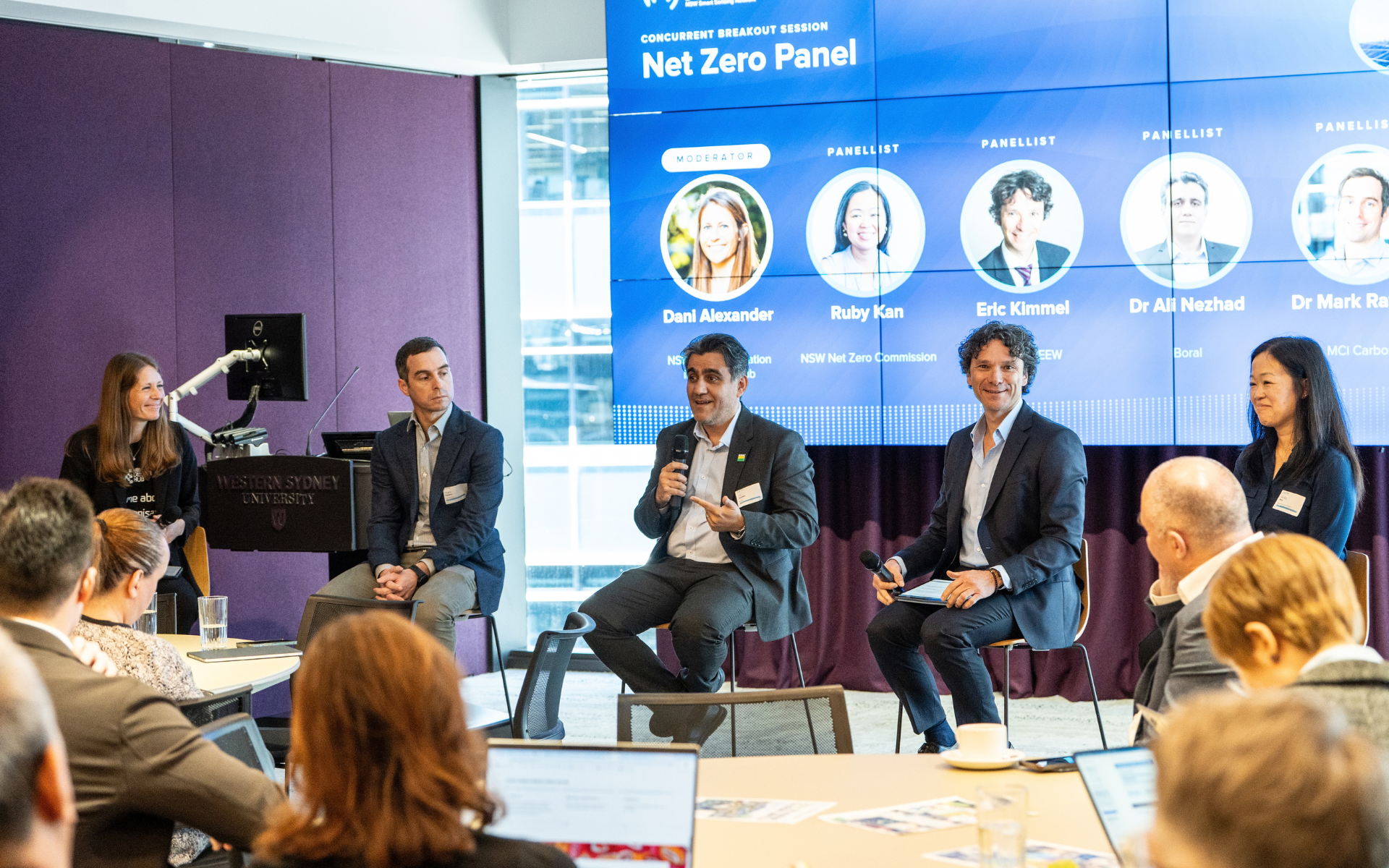
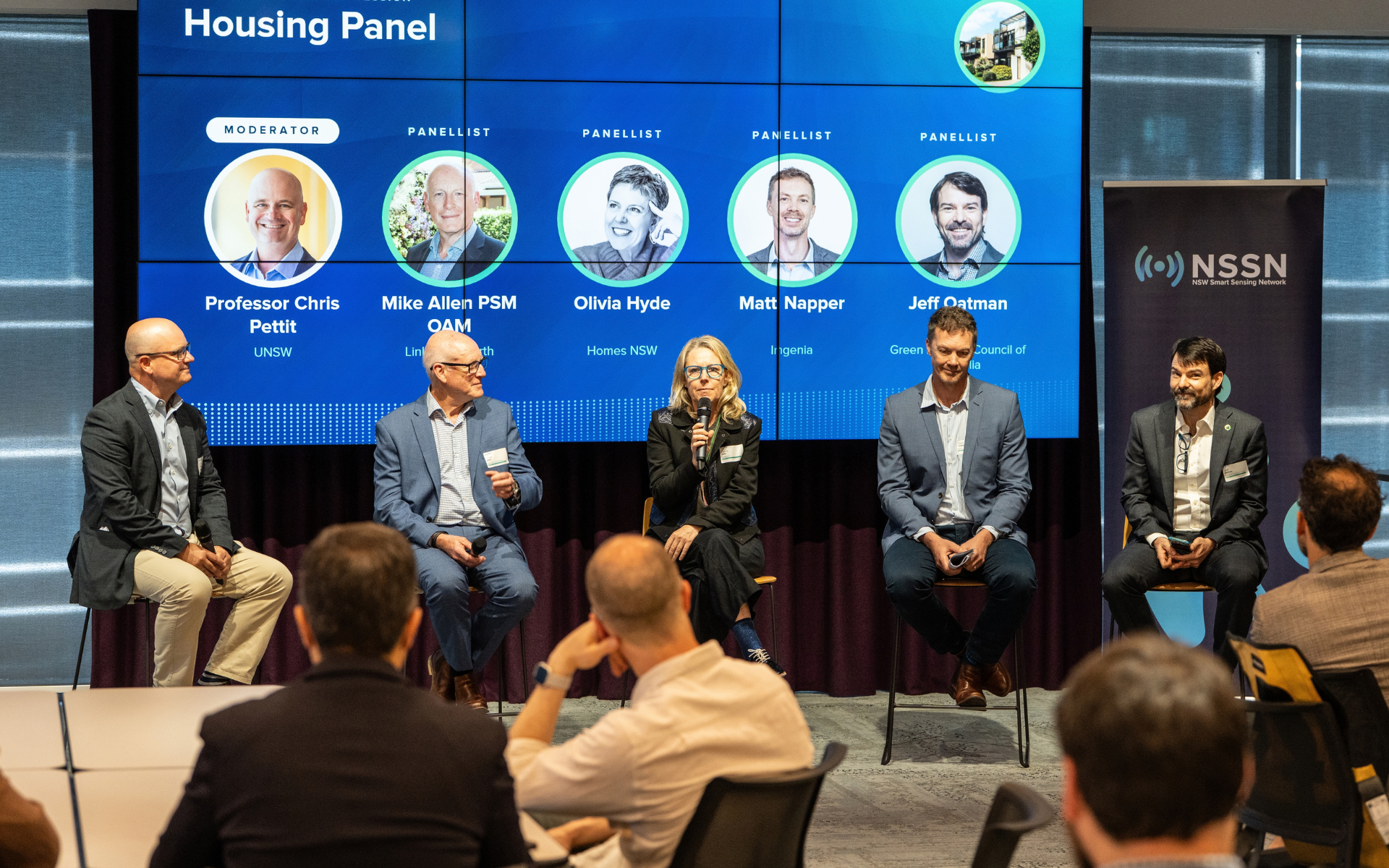
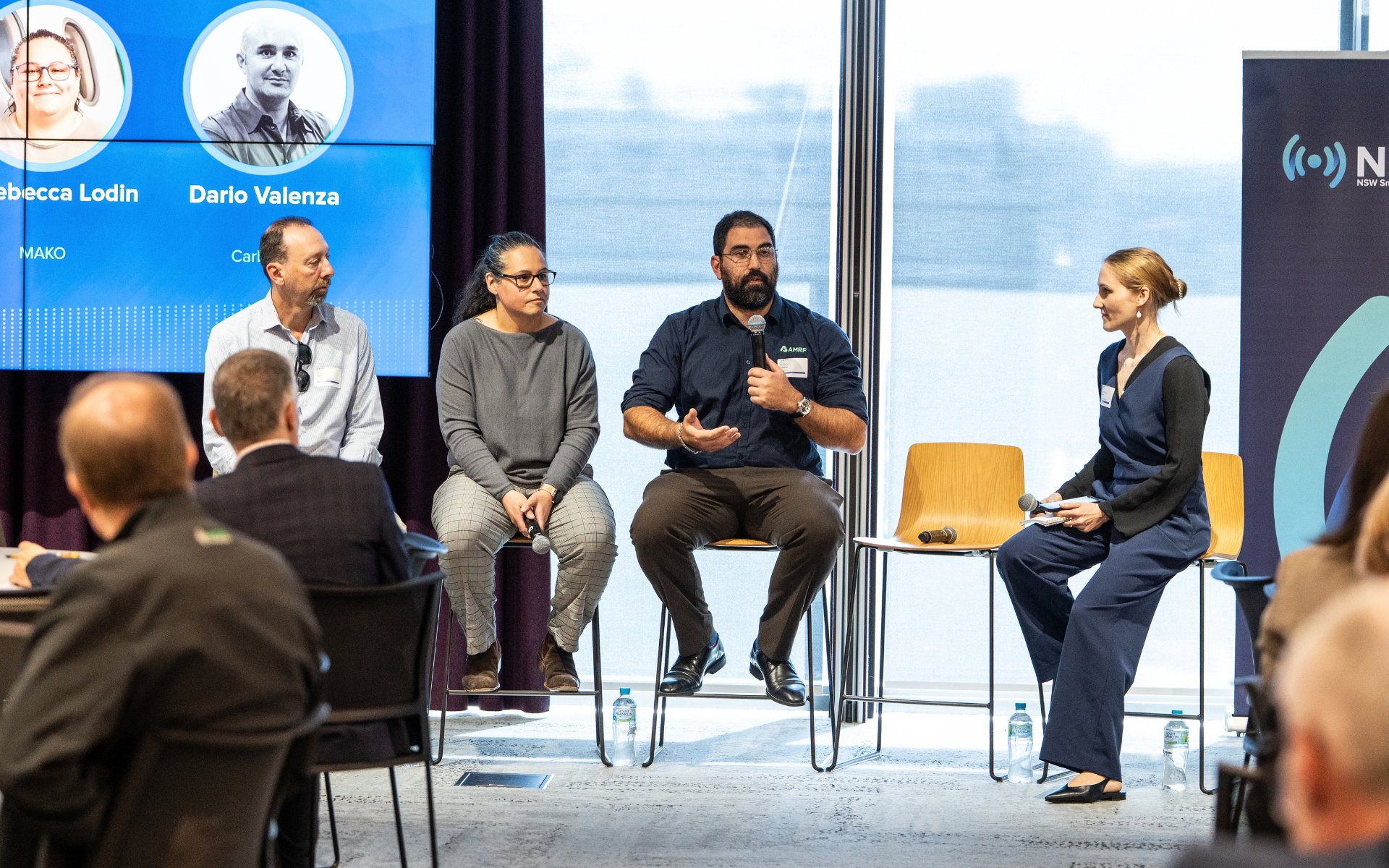
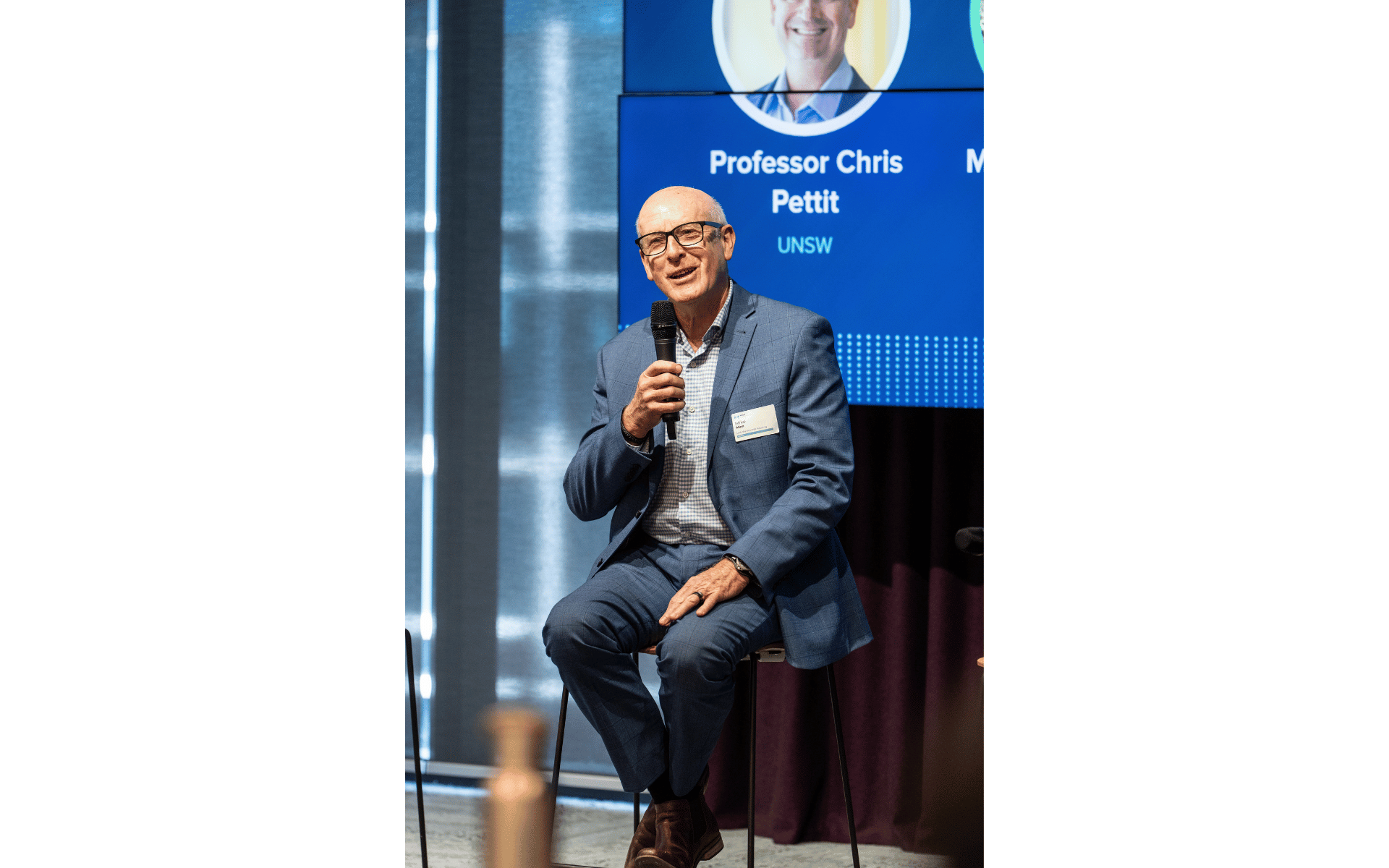
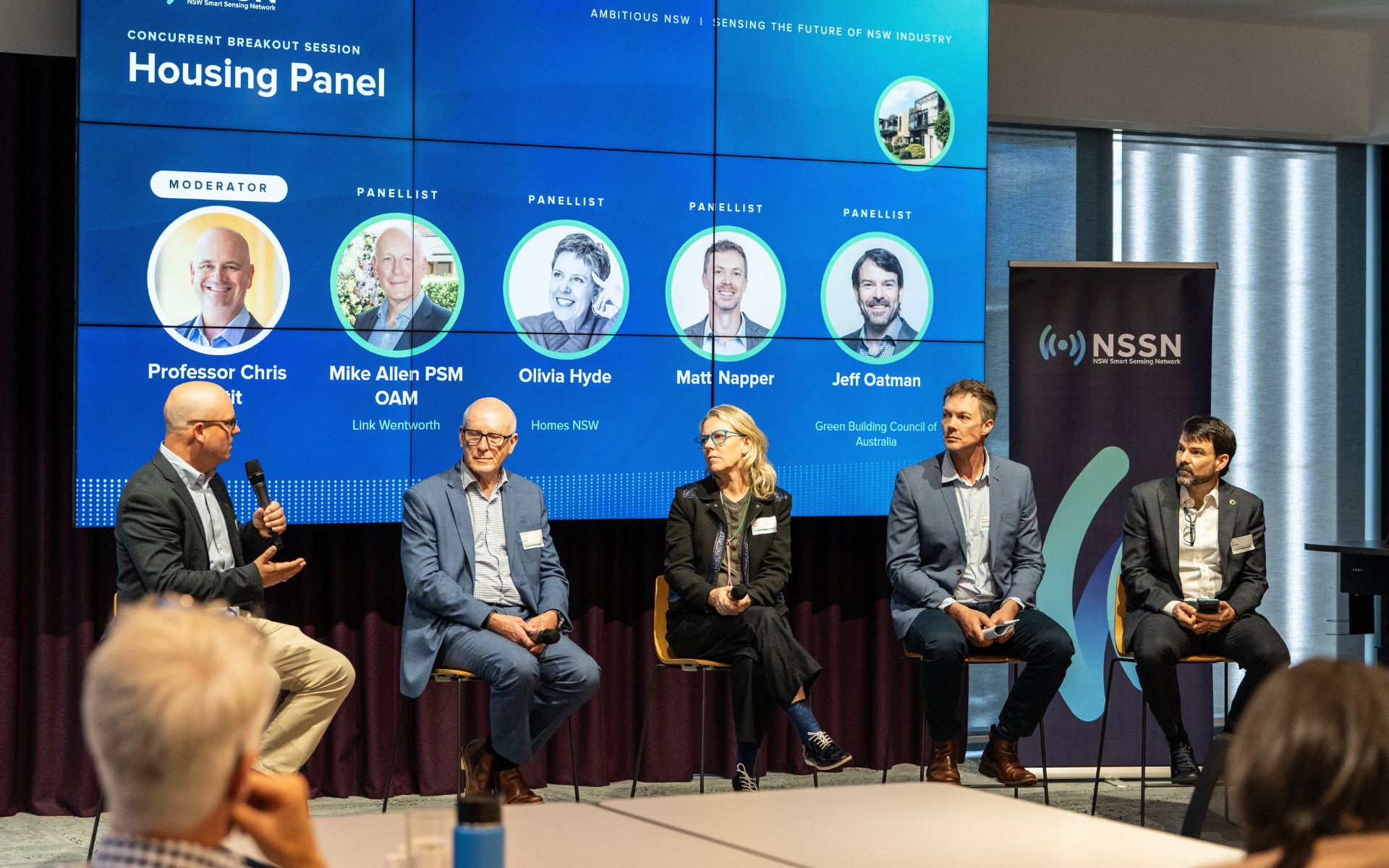
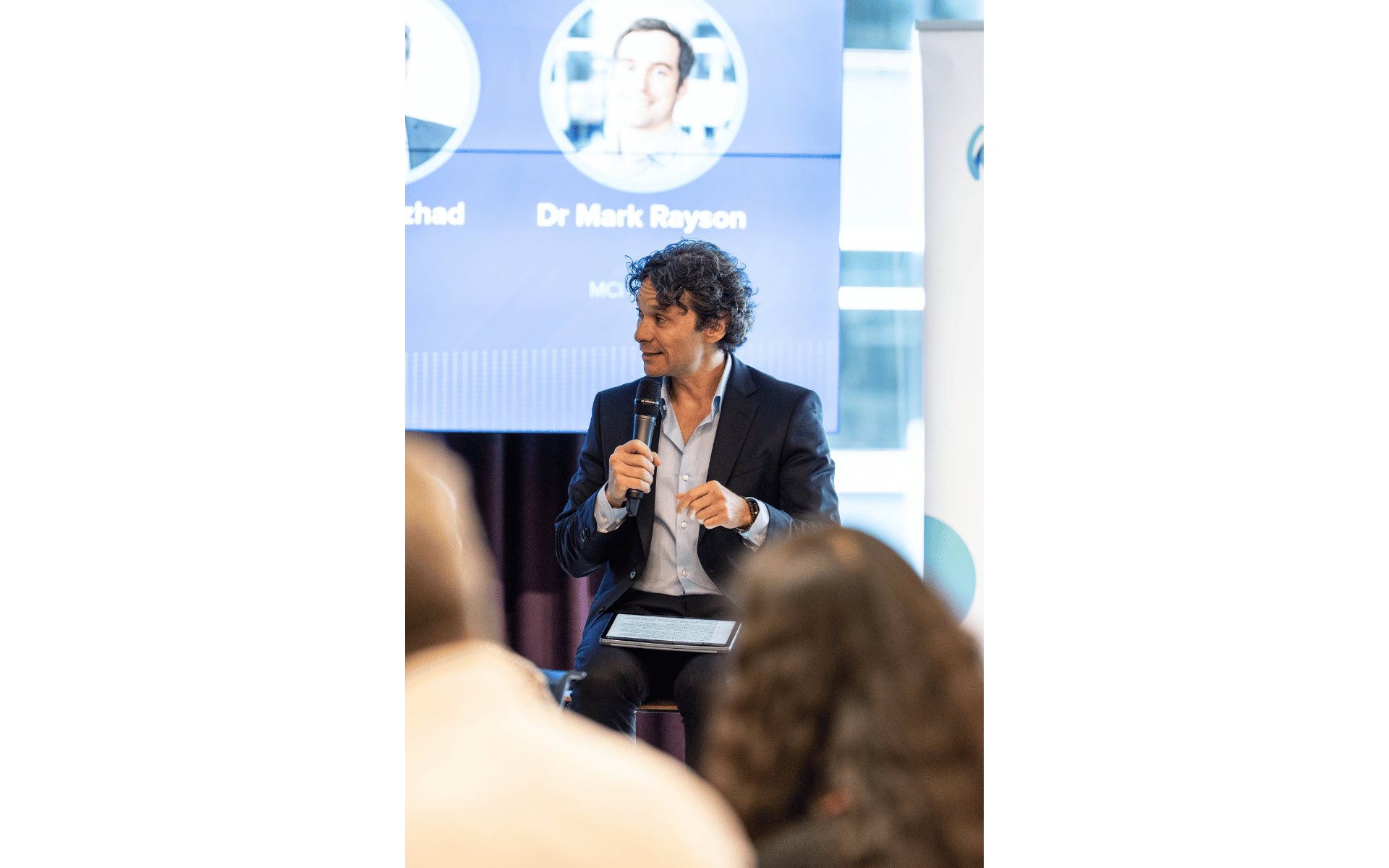
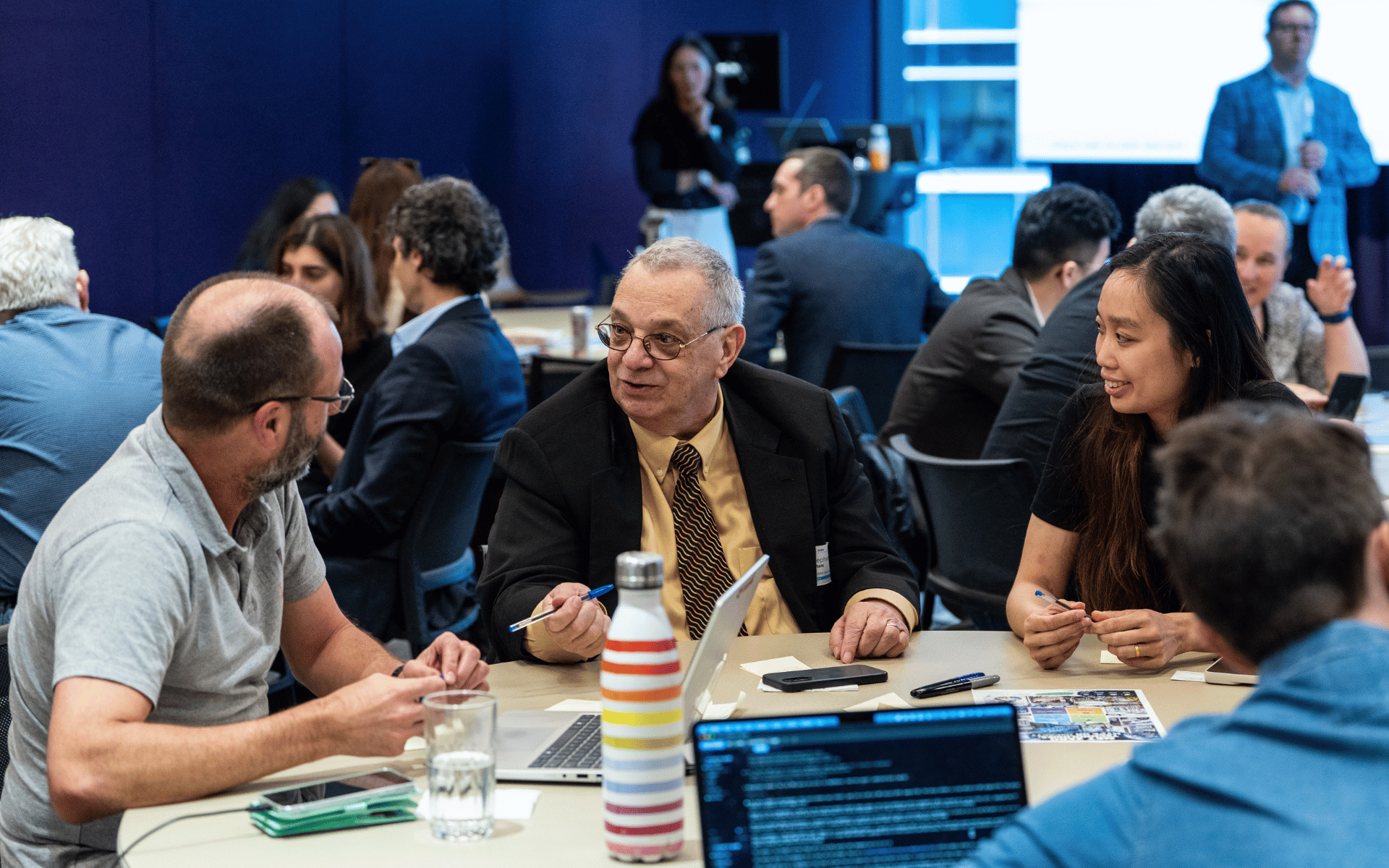
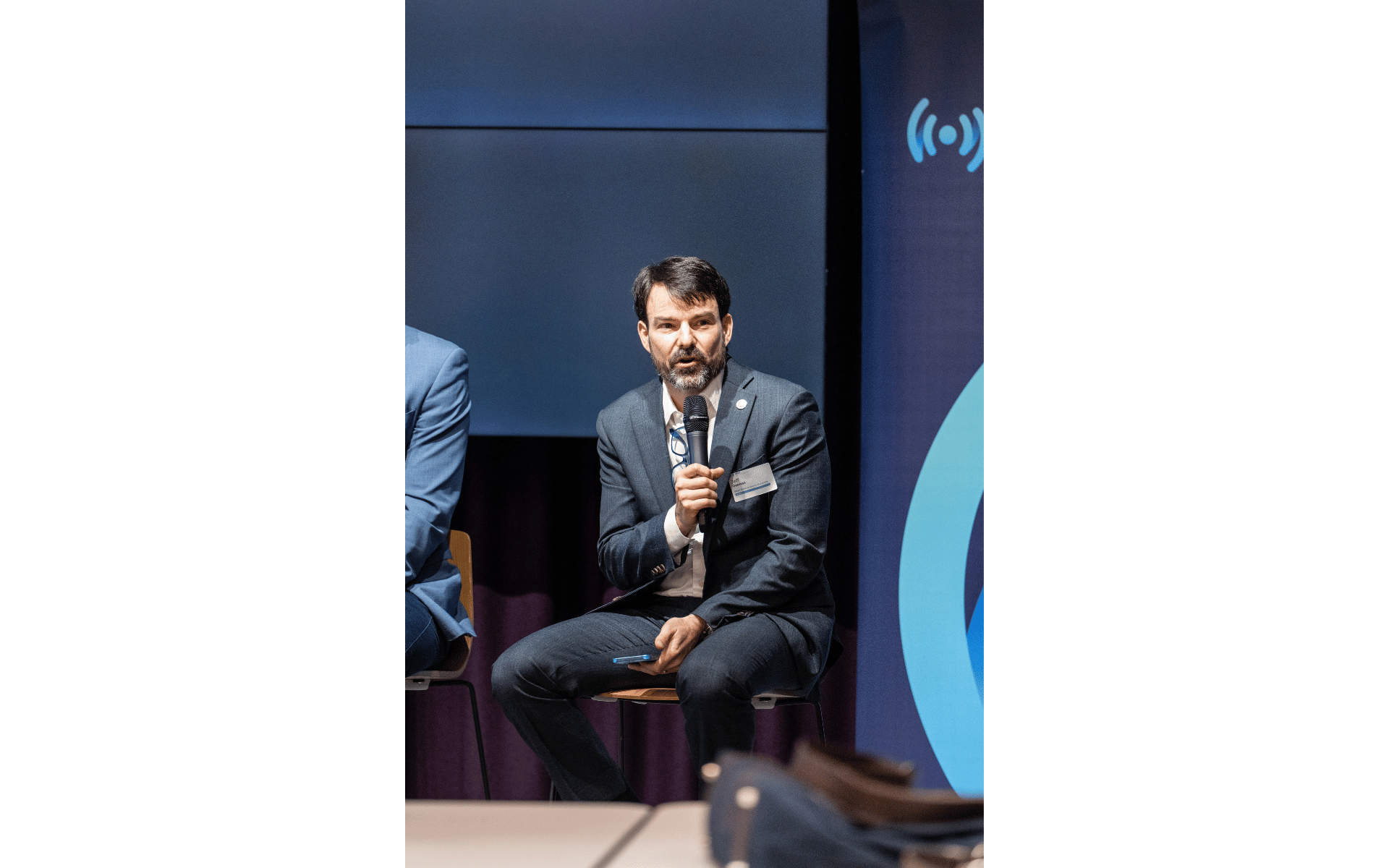
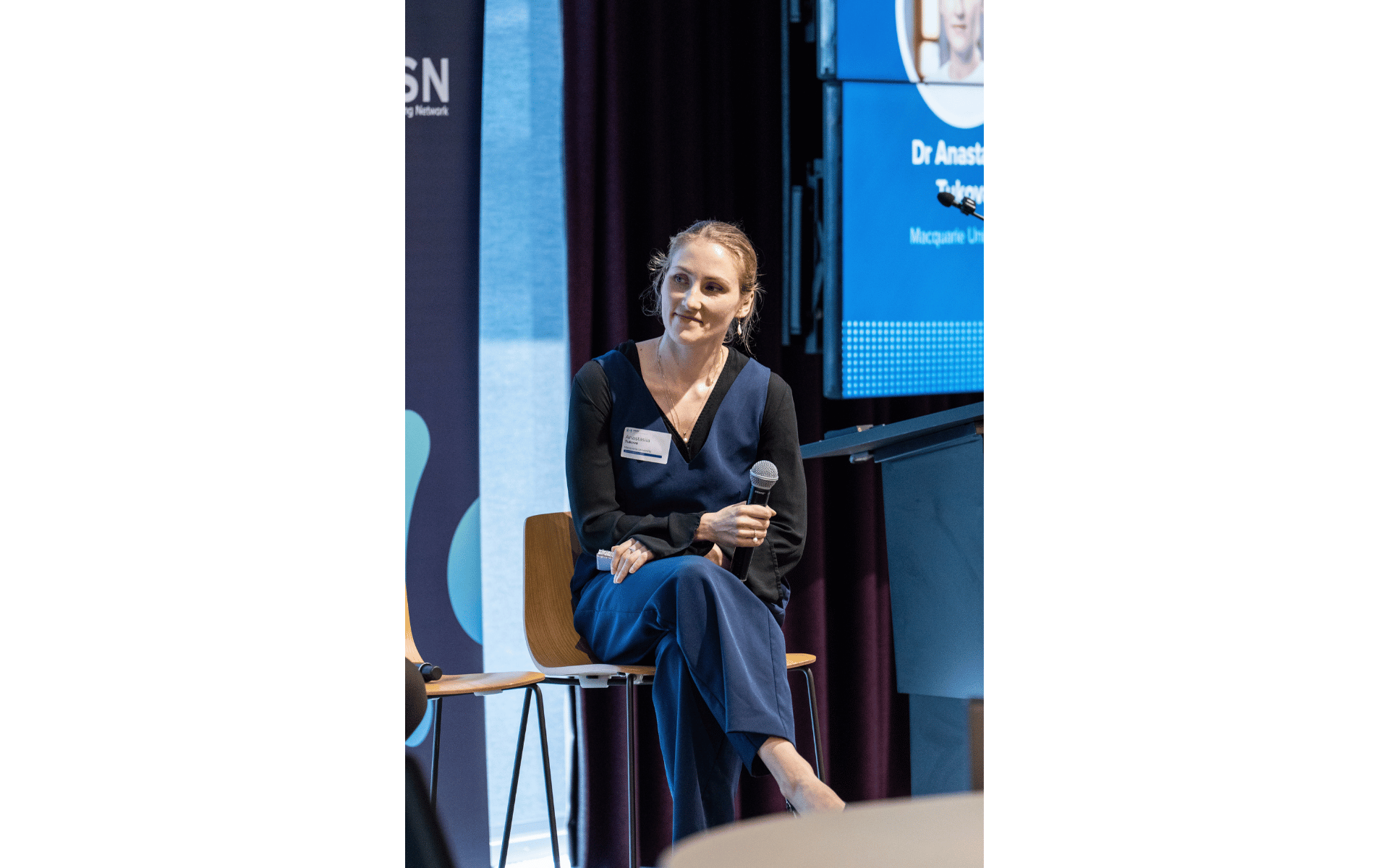
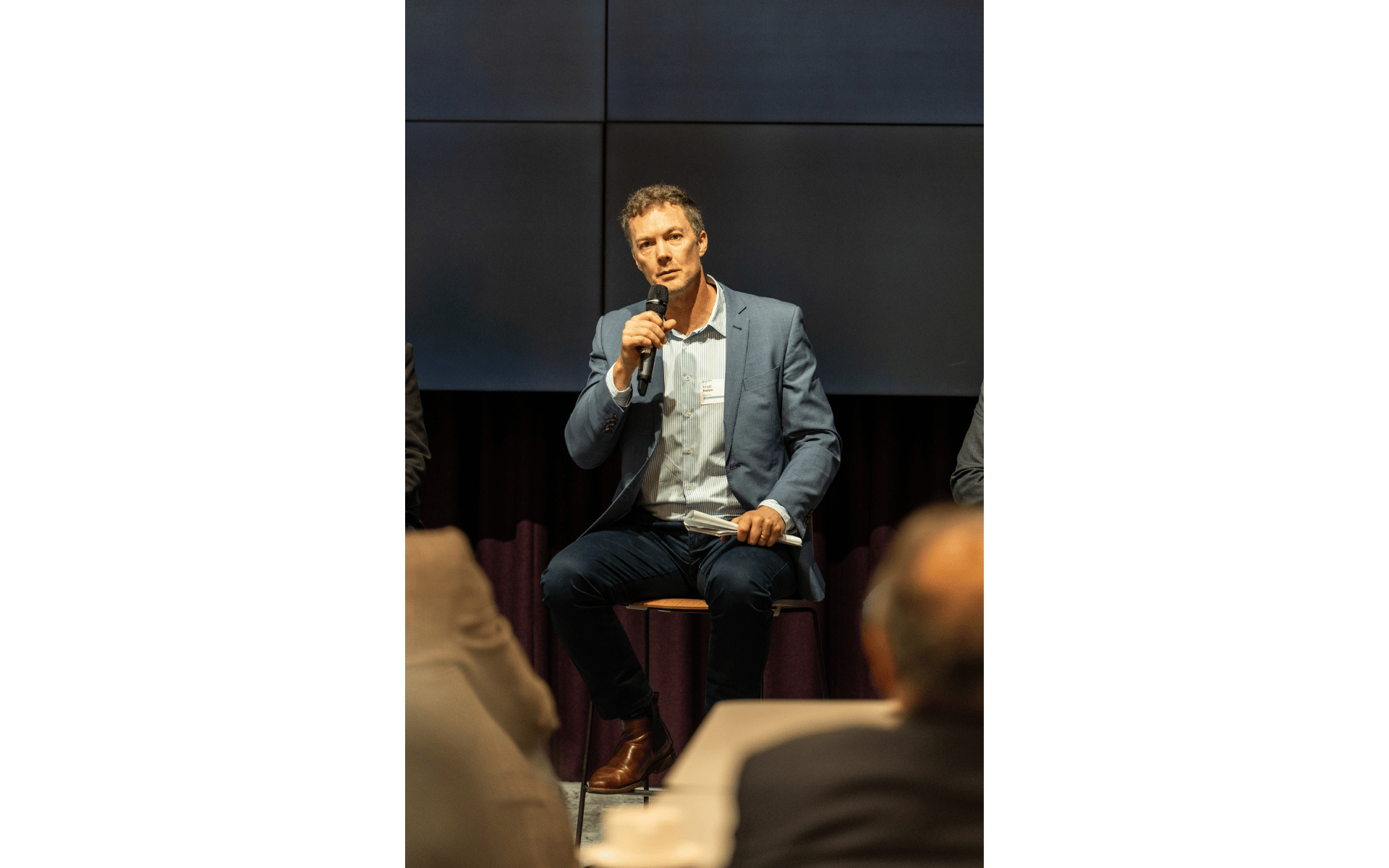
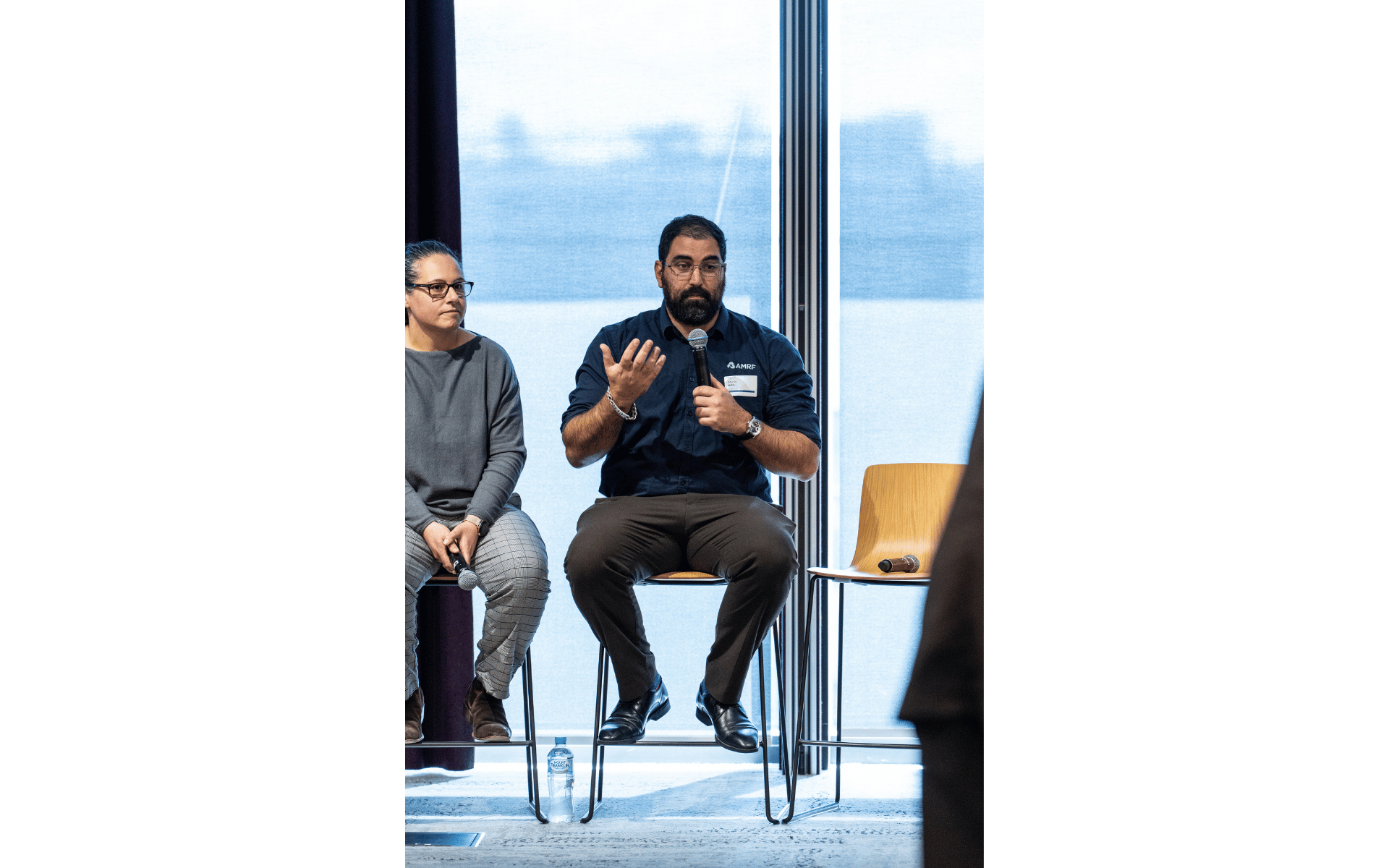
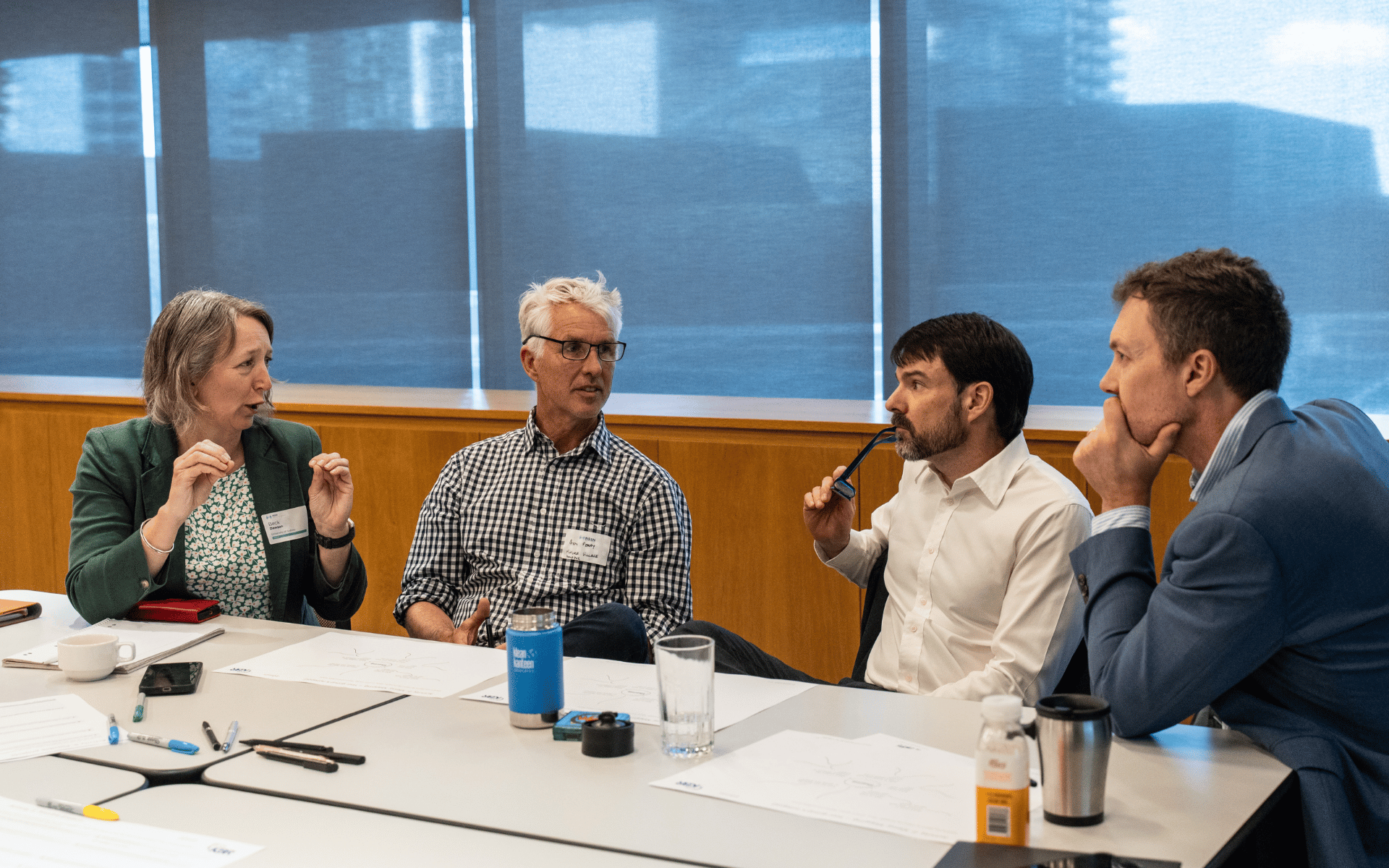
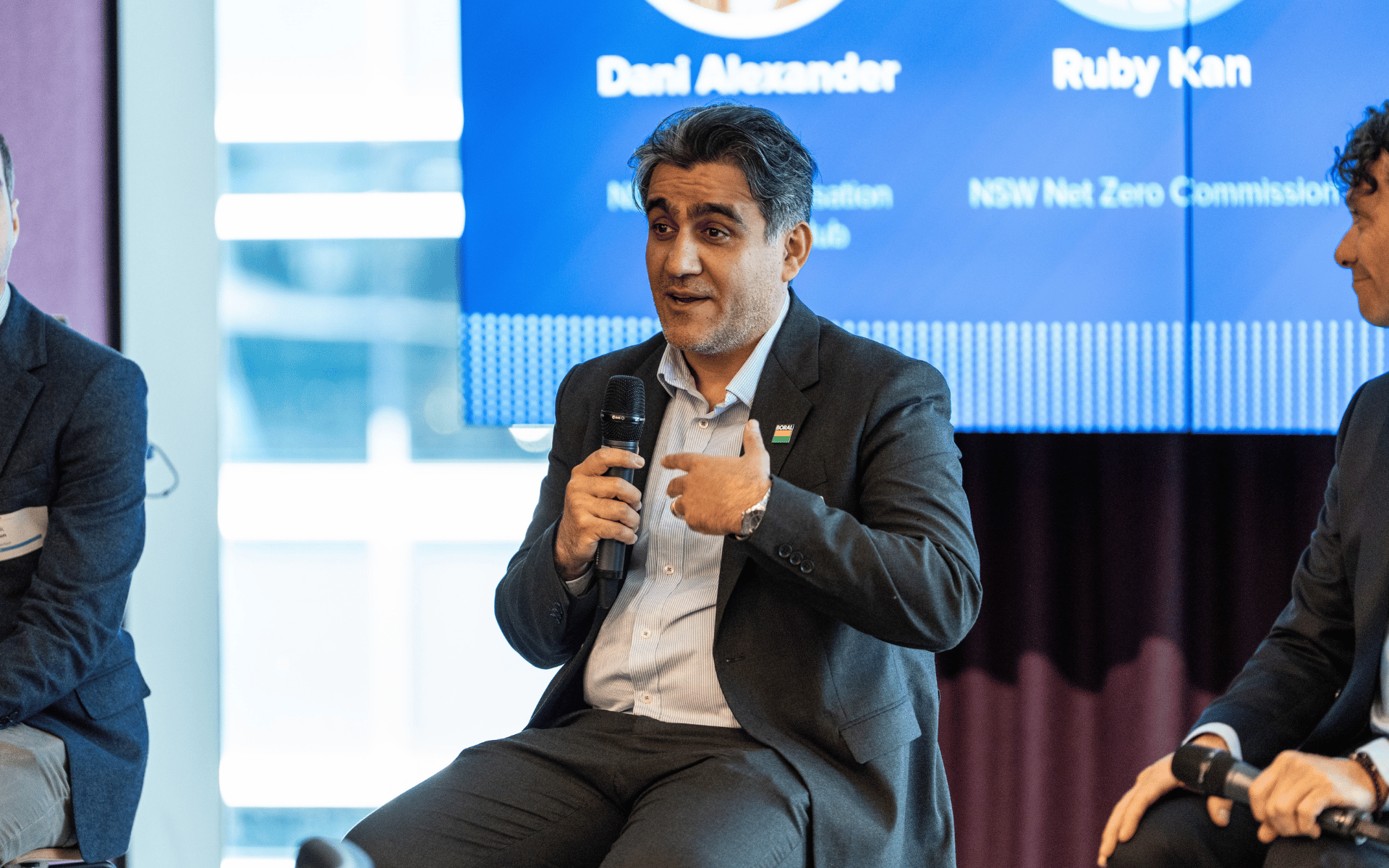
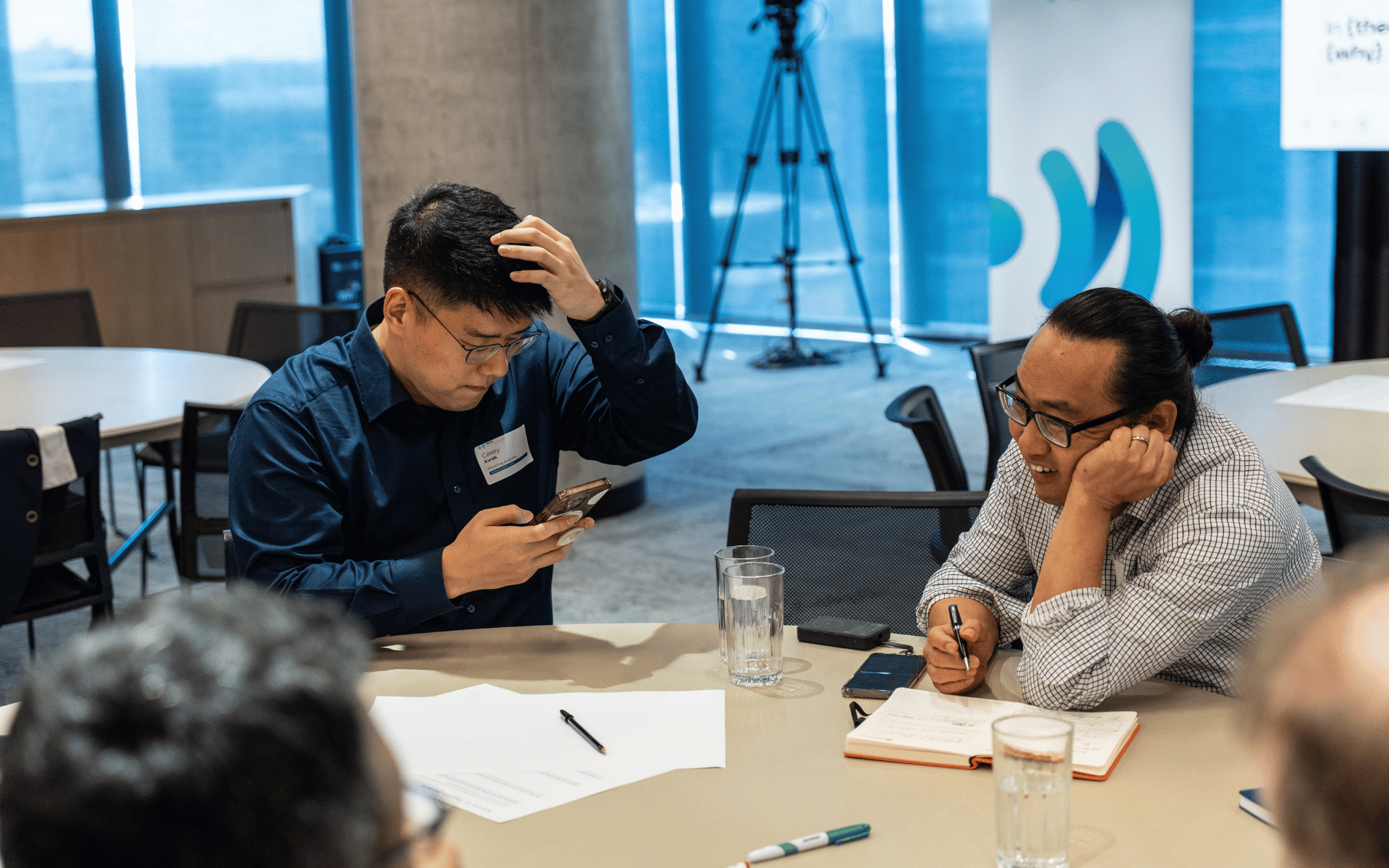
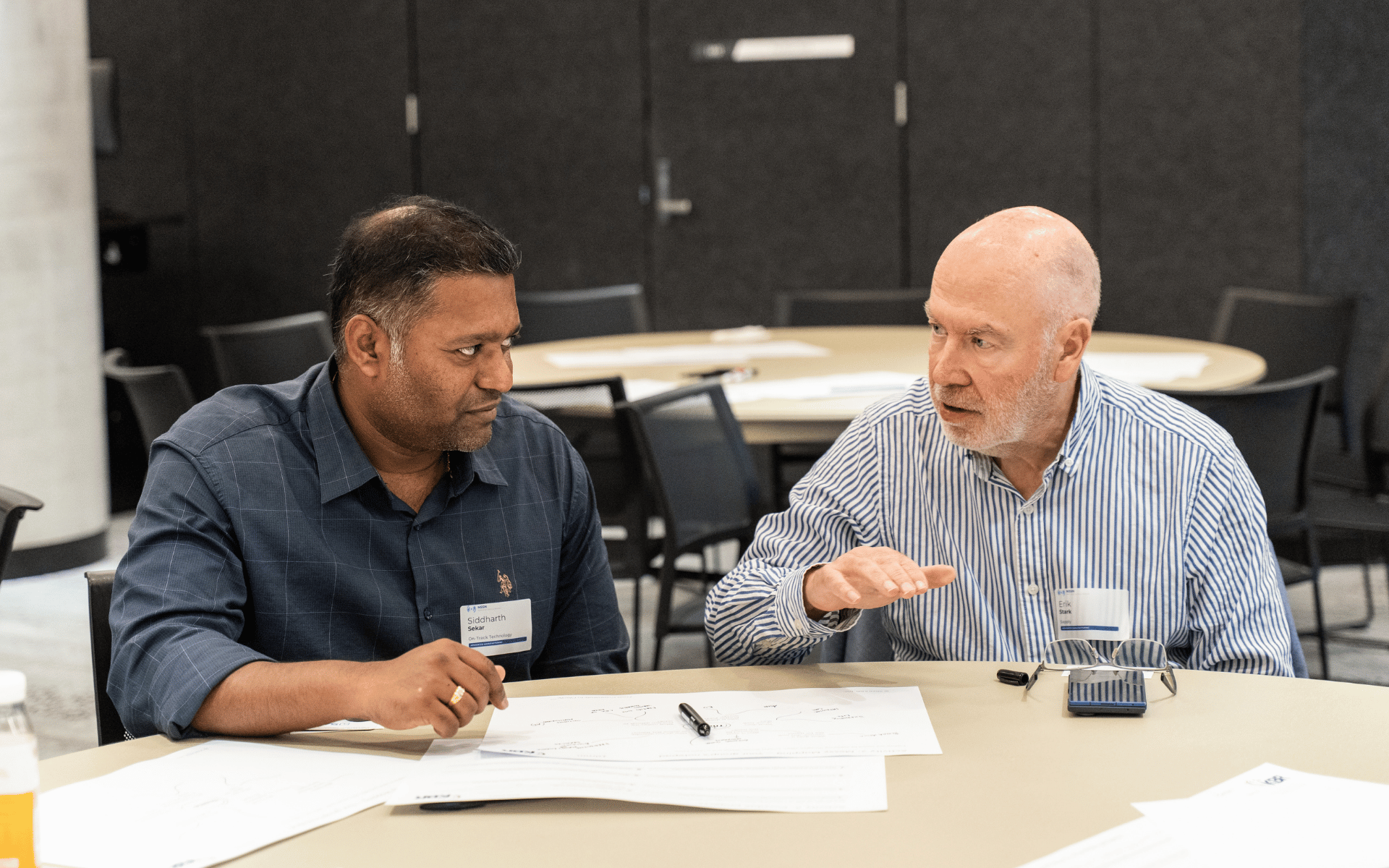
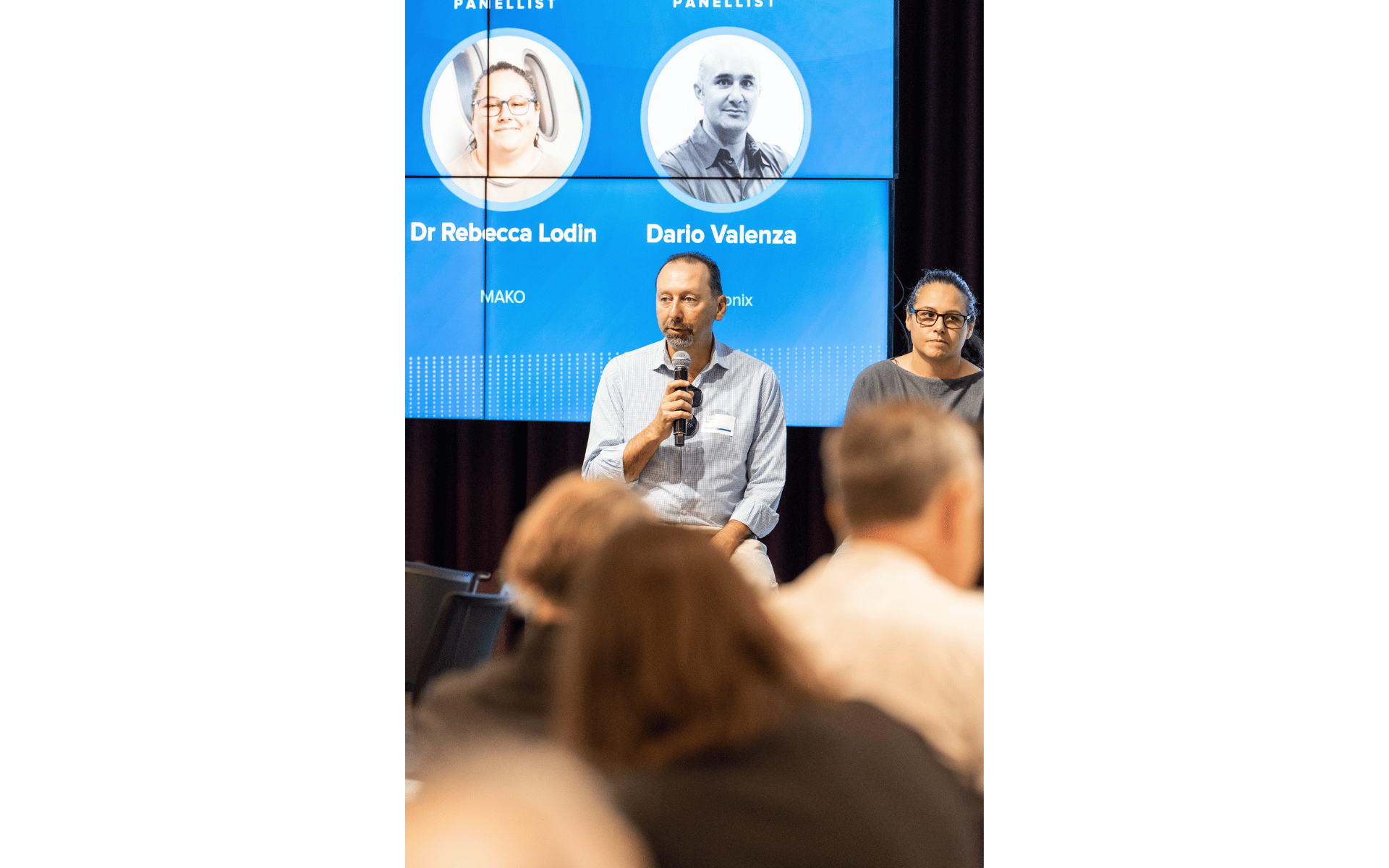
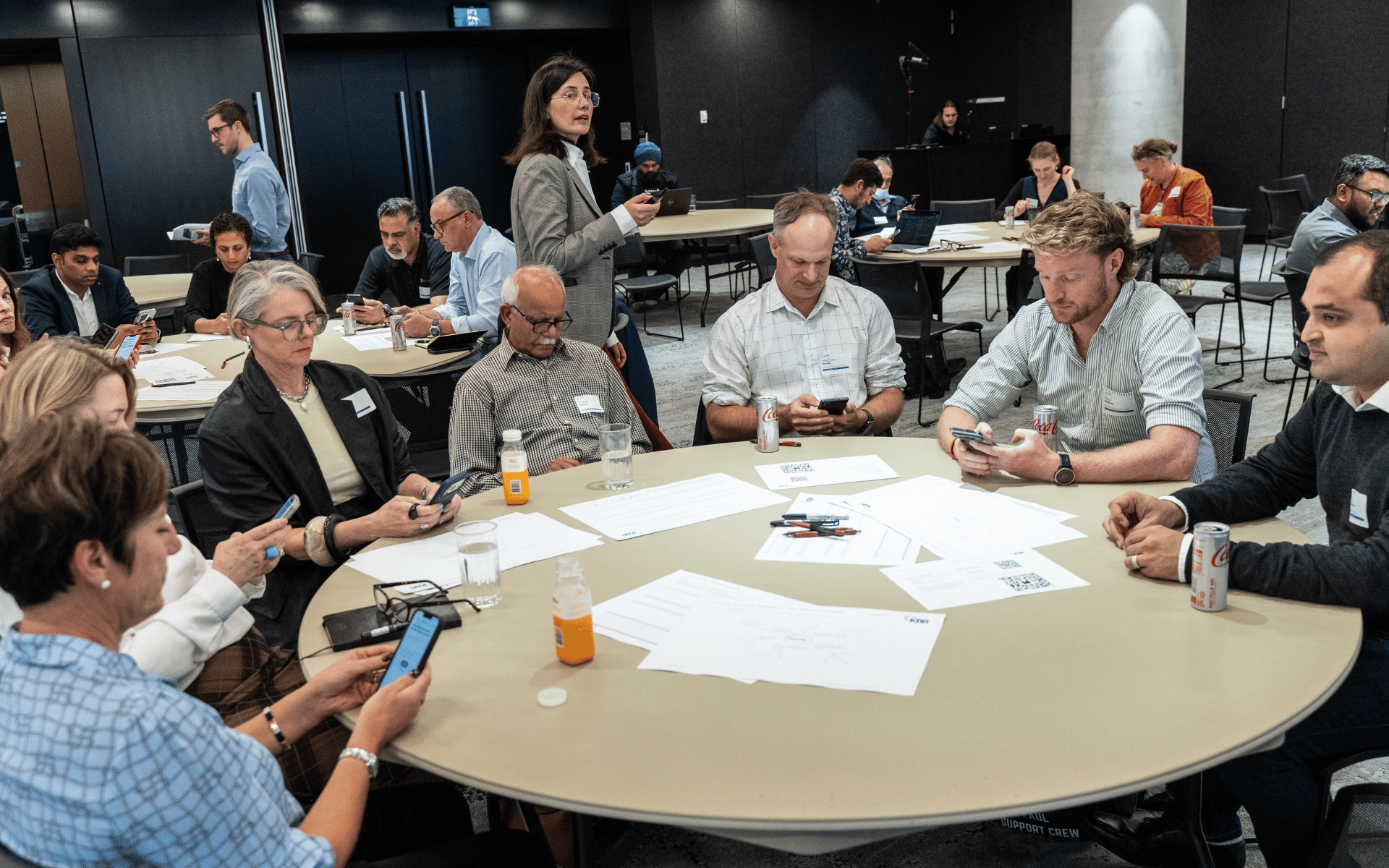
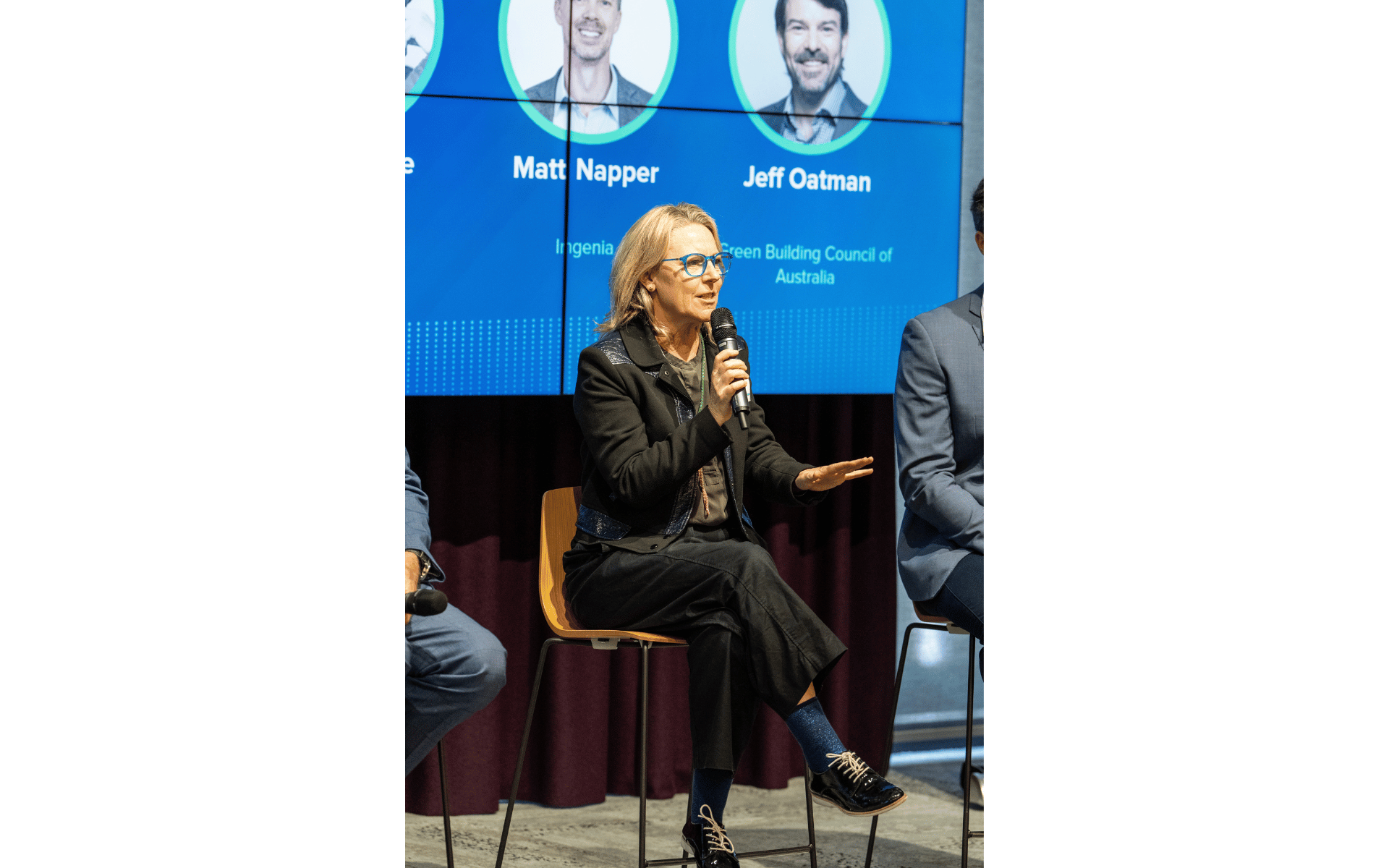
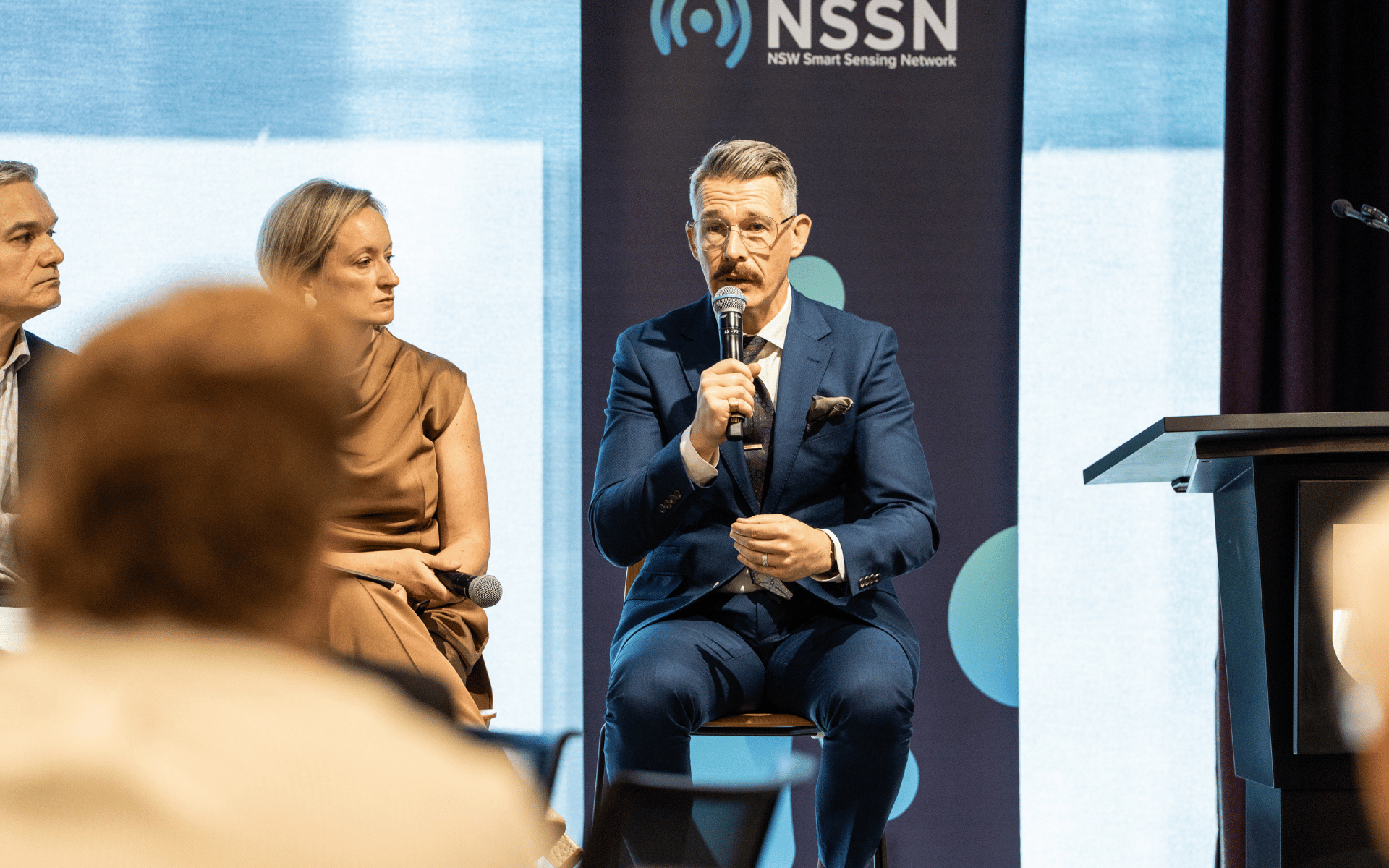
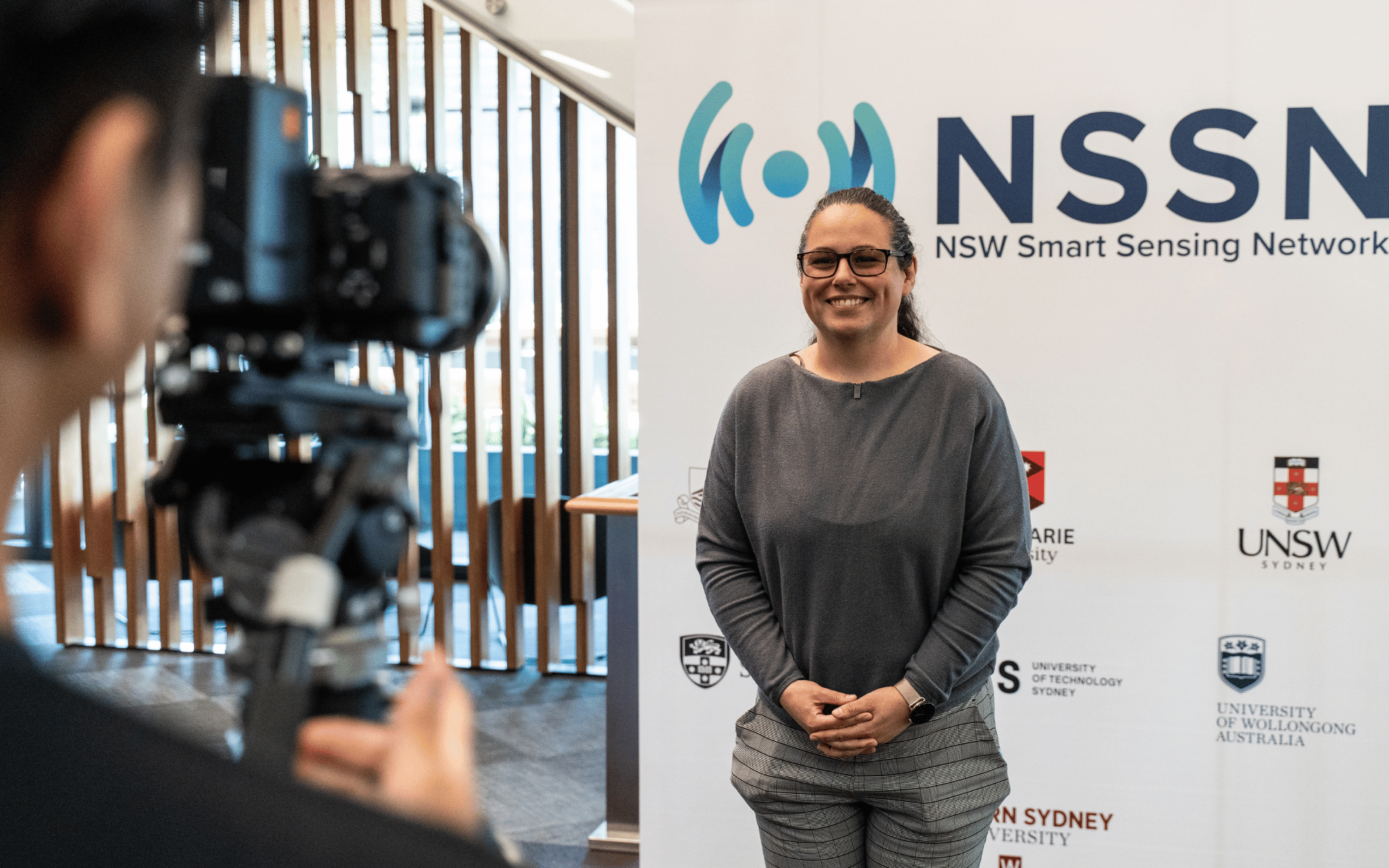
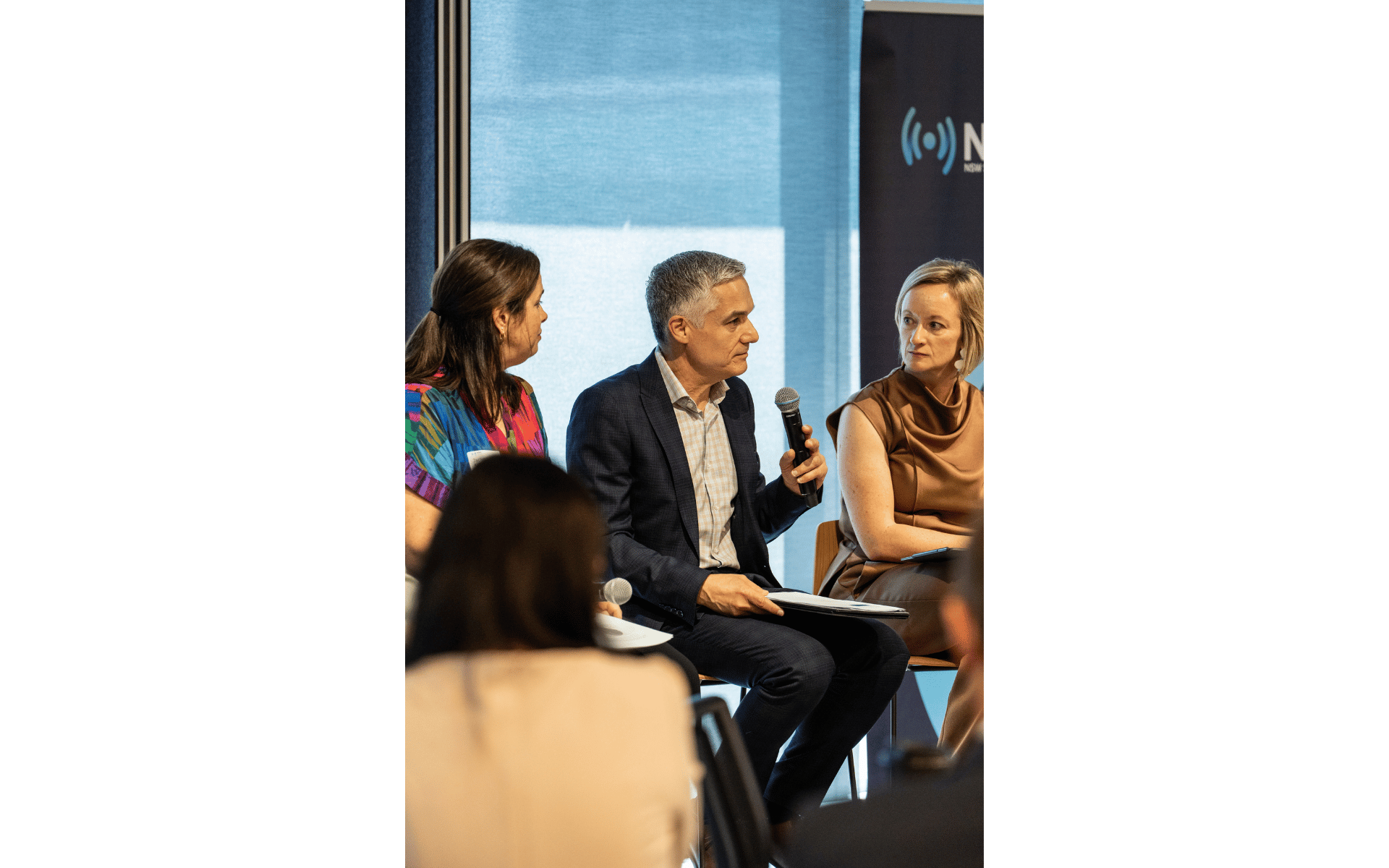
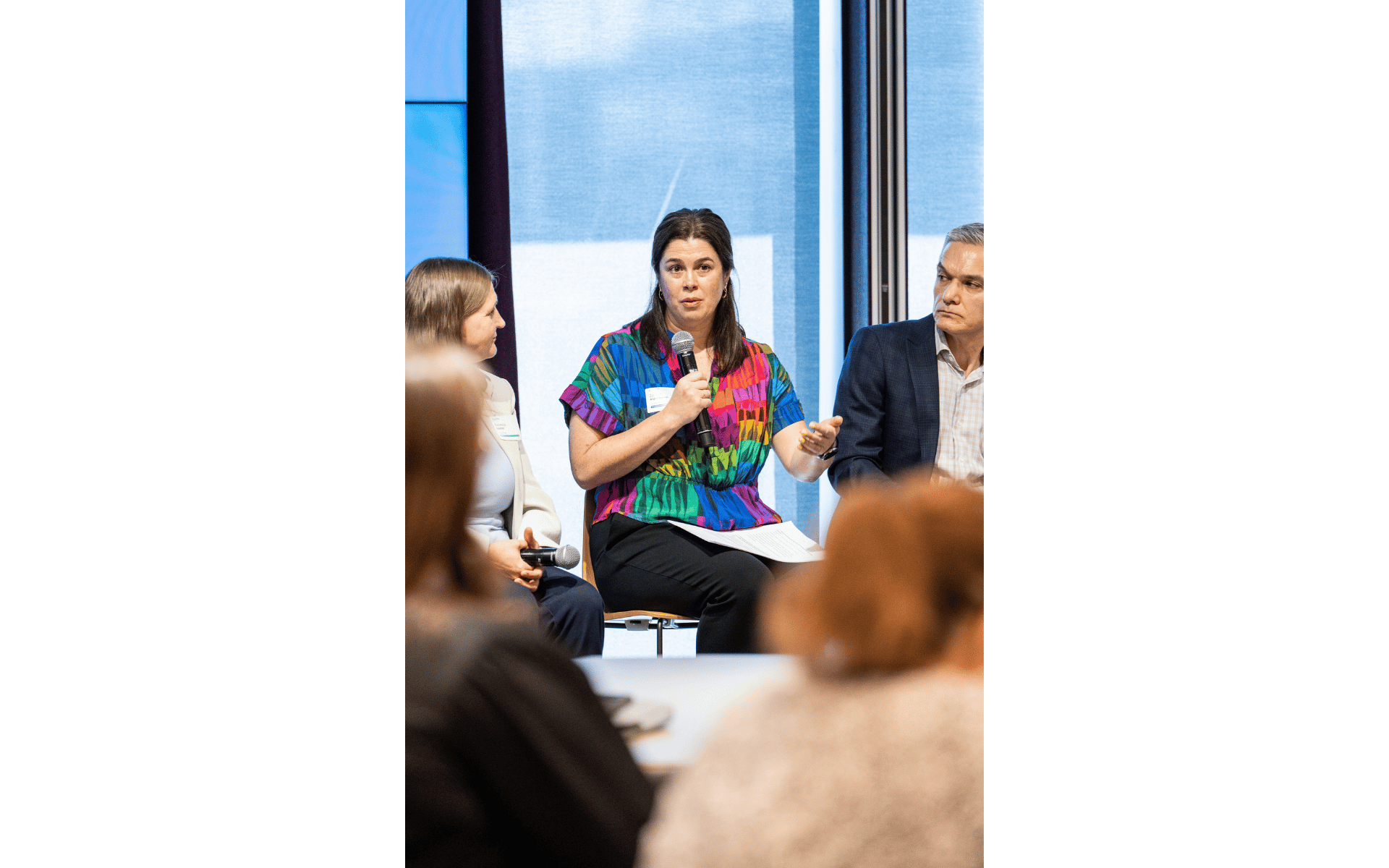
PHOTOS: Afternoon panel sessions explored challenges and opportunities across three NSW priorities: net zero (left), housing (centre) and advanced manufacturing (right), drawing on expertise from government, industry and research organisations including NSW DCCEEW, Boral, MCi Carbon, Homes NSW, the Green Building Council of Australia, UNSW, Macquarie University, Transport for NSW, Carbonix and the Advanced Manufacturing Readiness Facility.
Mr Chanthivong linked Ambitious NSW to the NSW Government’s broader innovation agenda, including the NSW Innovation Blueprint 2035 and the recently announced $150 million Science and Innovation Fund, aimed at turning more NSW research into commercial products, businesses and jobs.
Describing the event as “exactly the kind of collaboration we need more of”, he said bringing industry, government and researchers together could help identify where sensing would have the greatest impact, what was needed to move promising ideas into practice, and which partnerships could take them forward.
He urged participants to “think boldly, challenge traditional approaches, and explore where smart sensing technologies can have the greatest impact”.
From ideas to potential projects
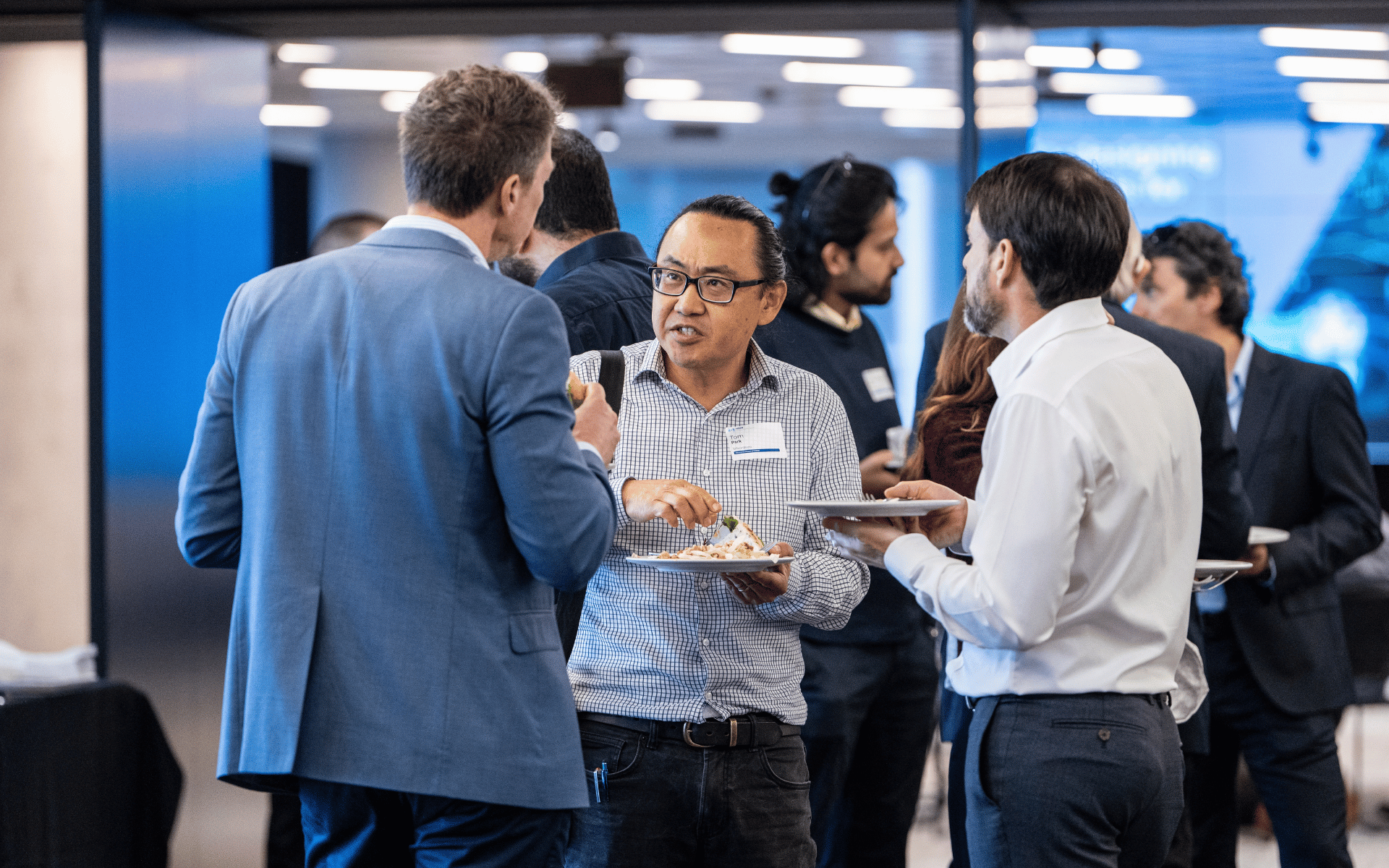
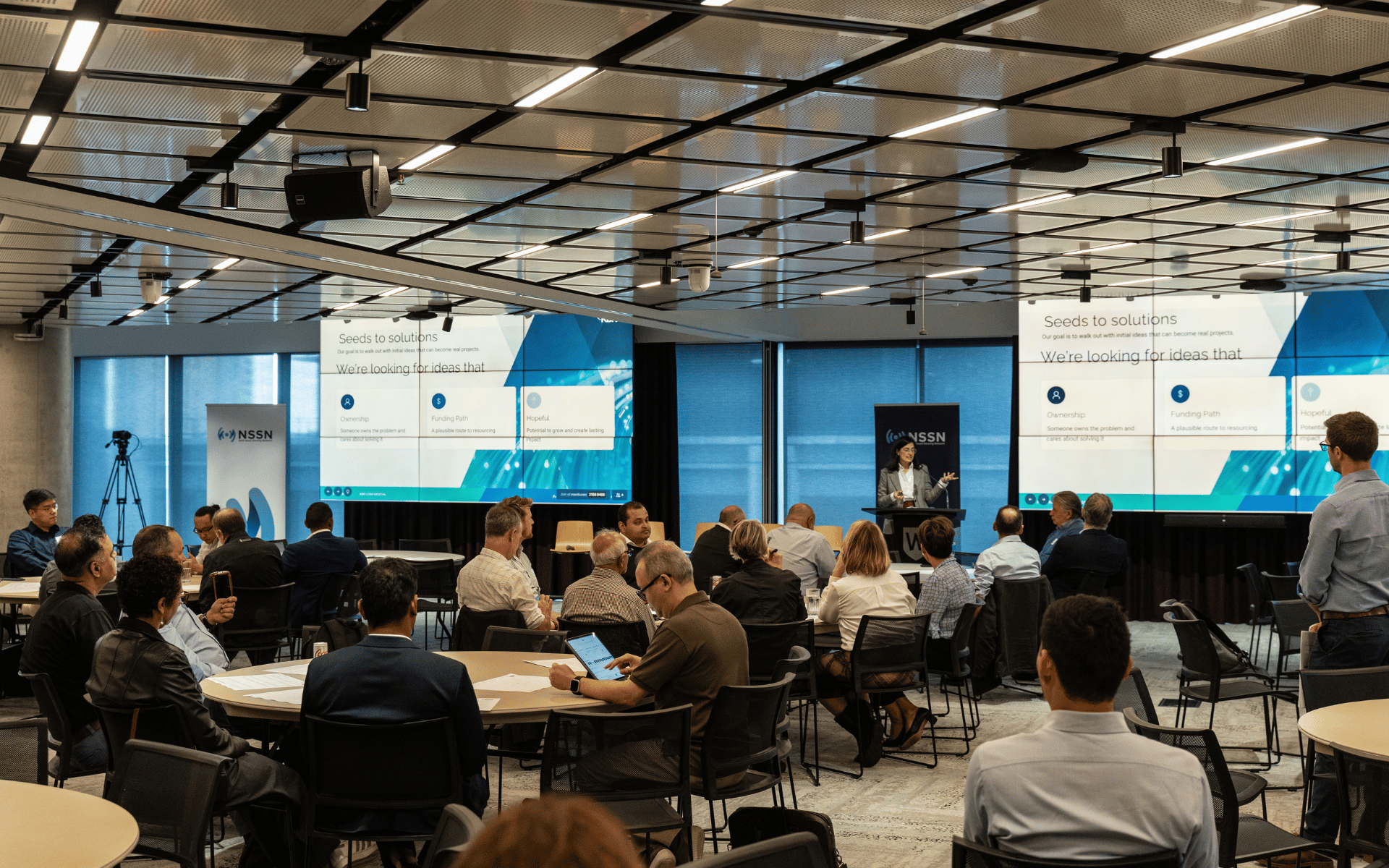
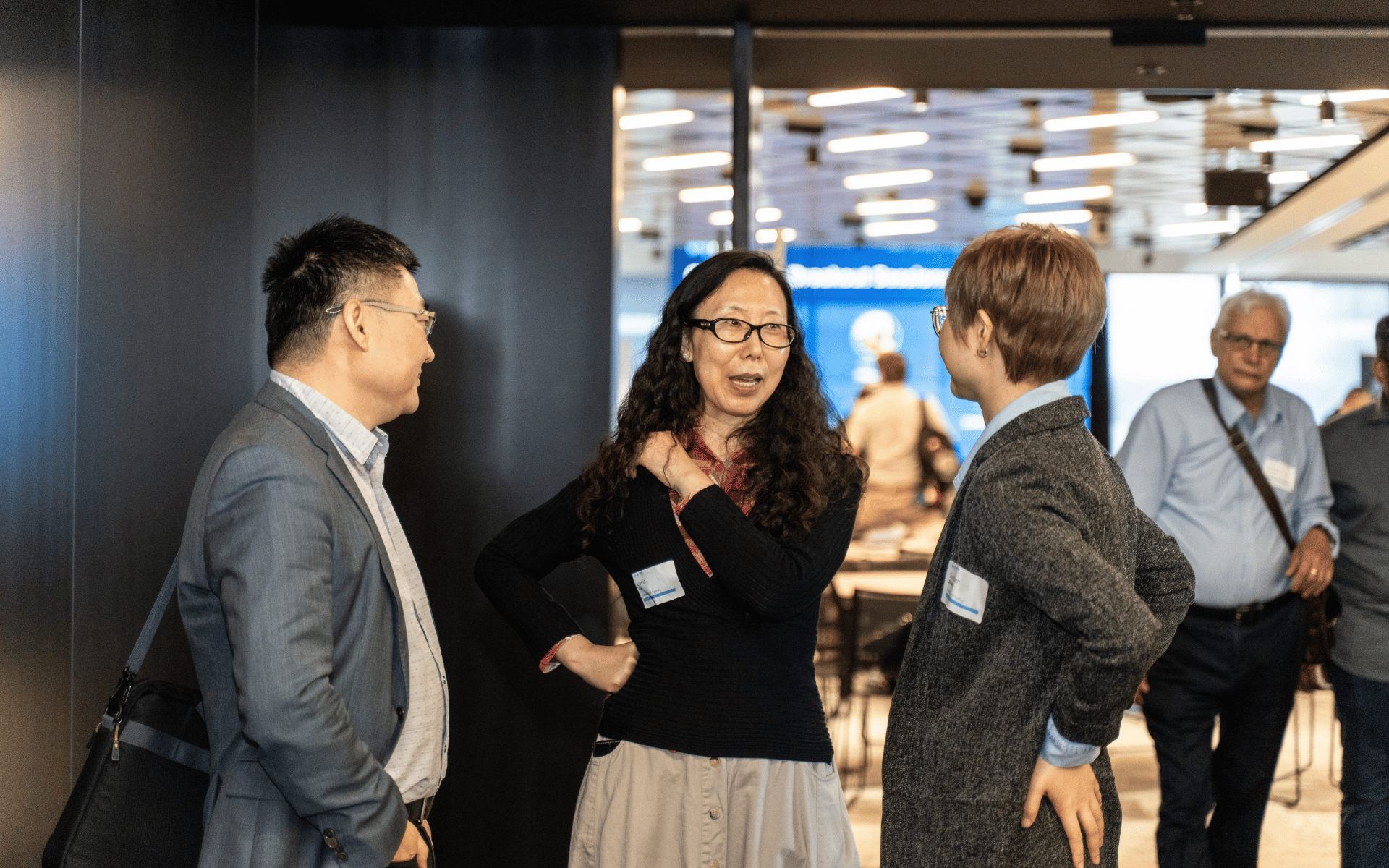
That challenge was put into practice throughout the workshop, where participants developed potential collaborative project ideas addressing the three NSW priorities.
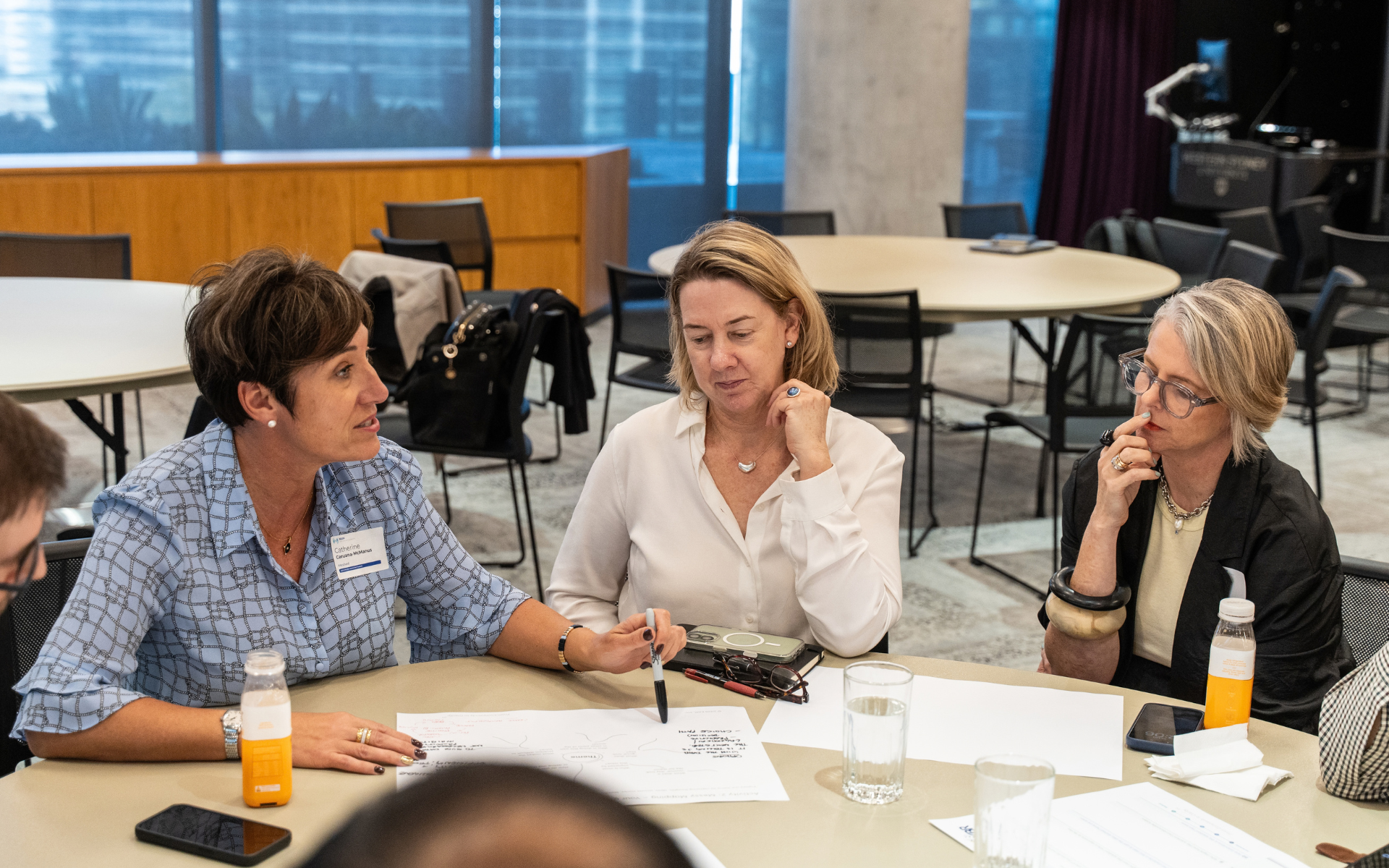
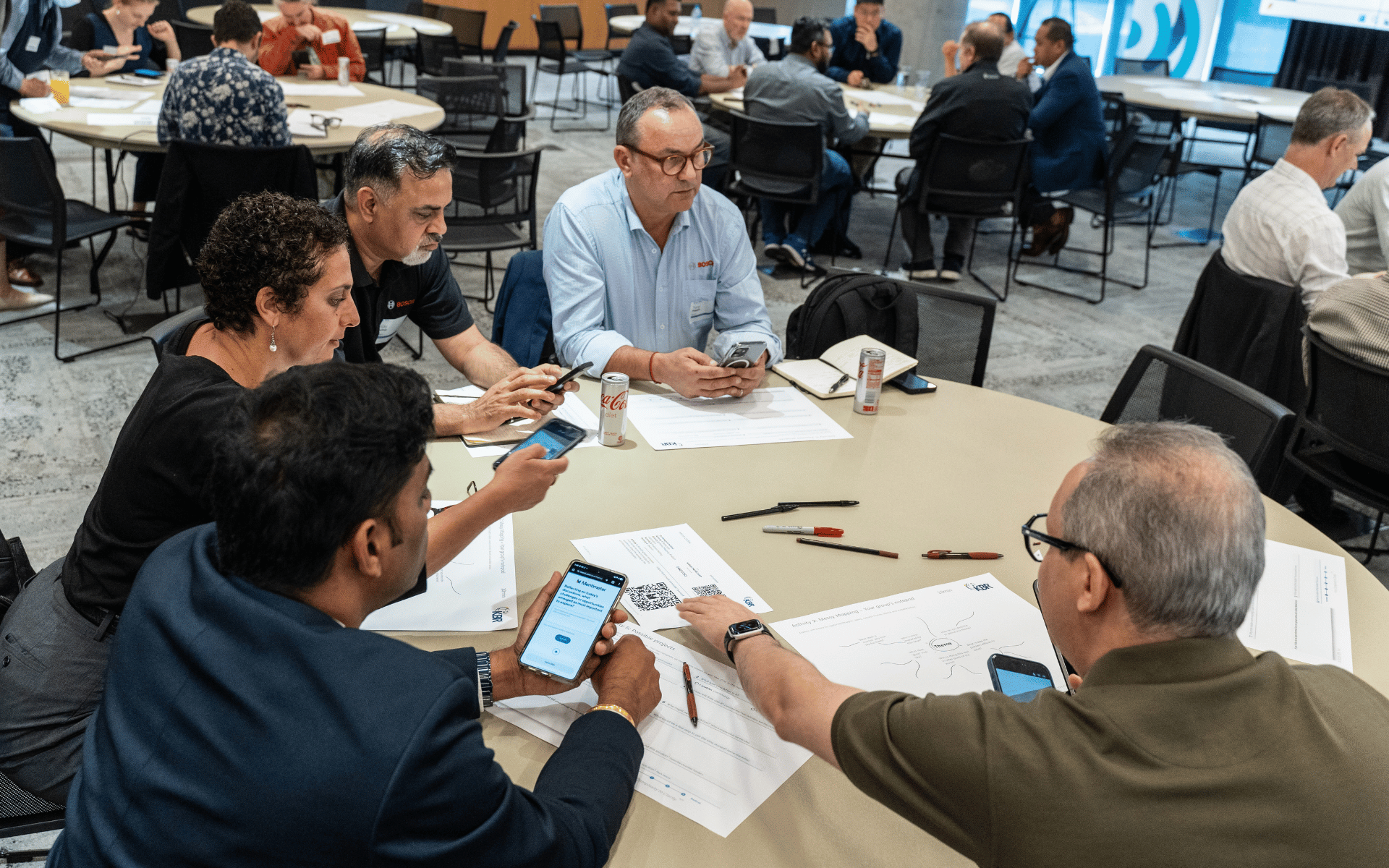
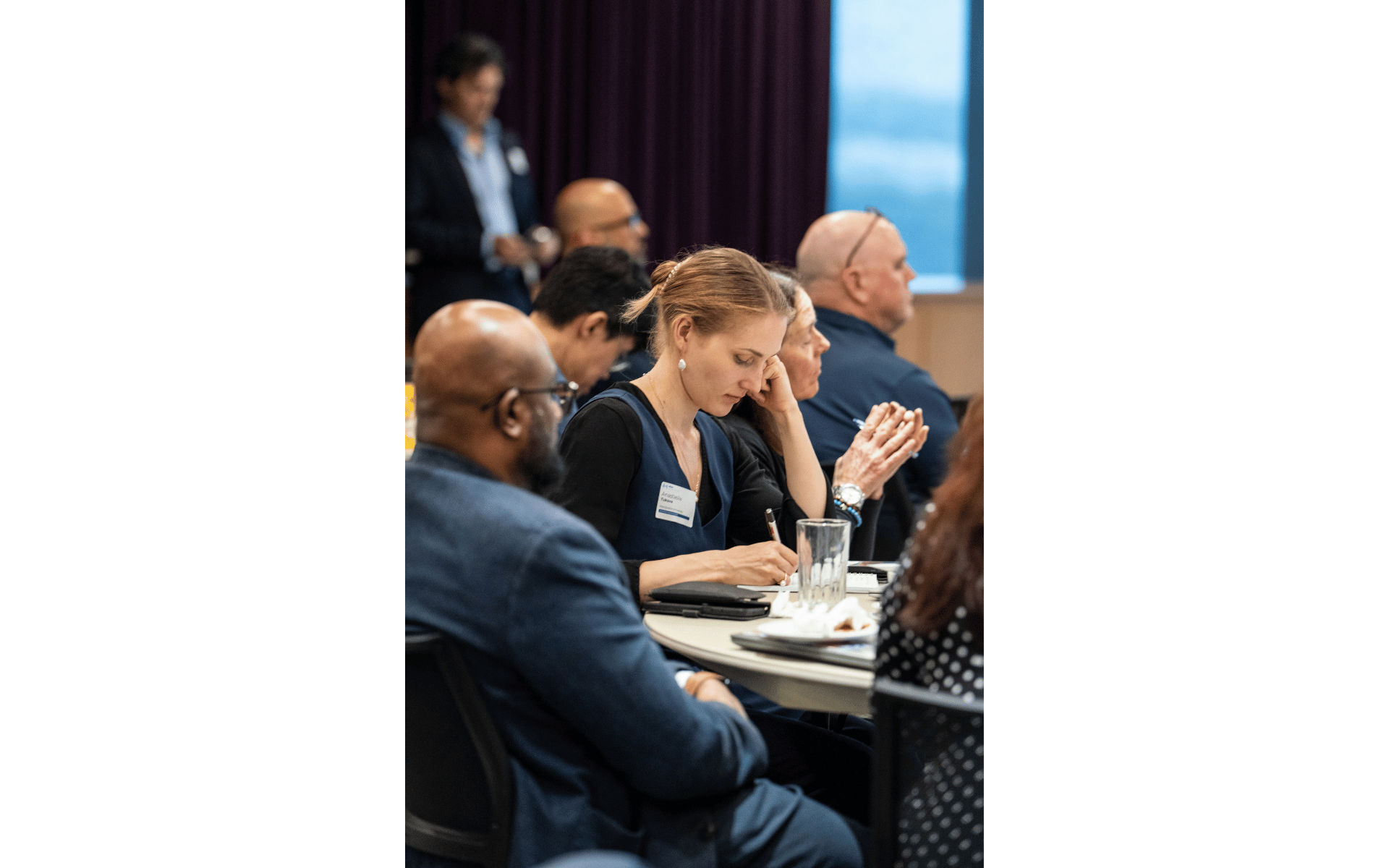
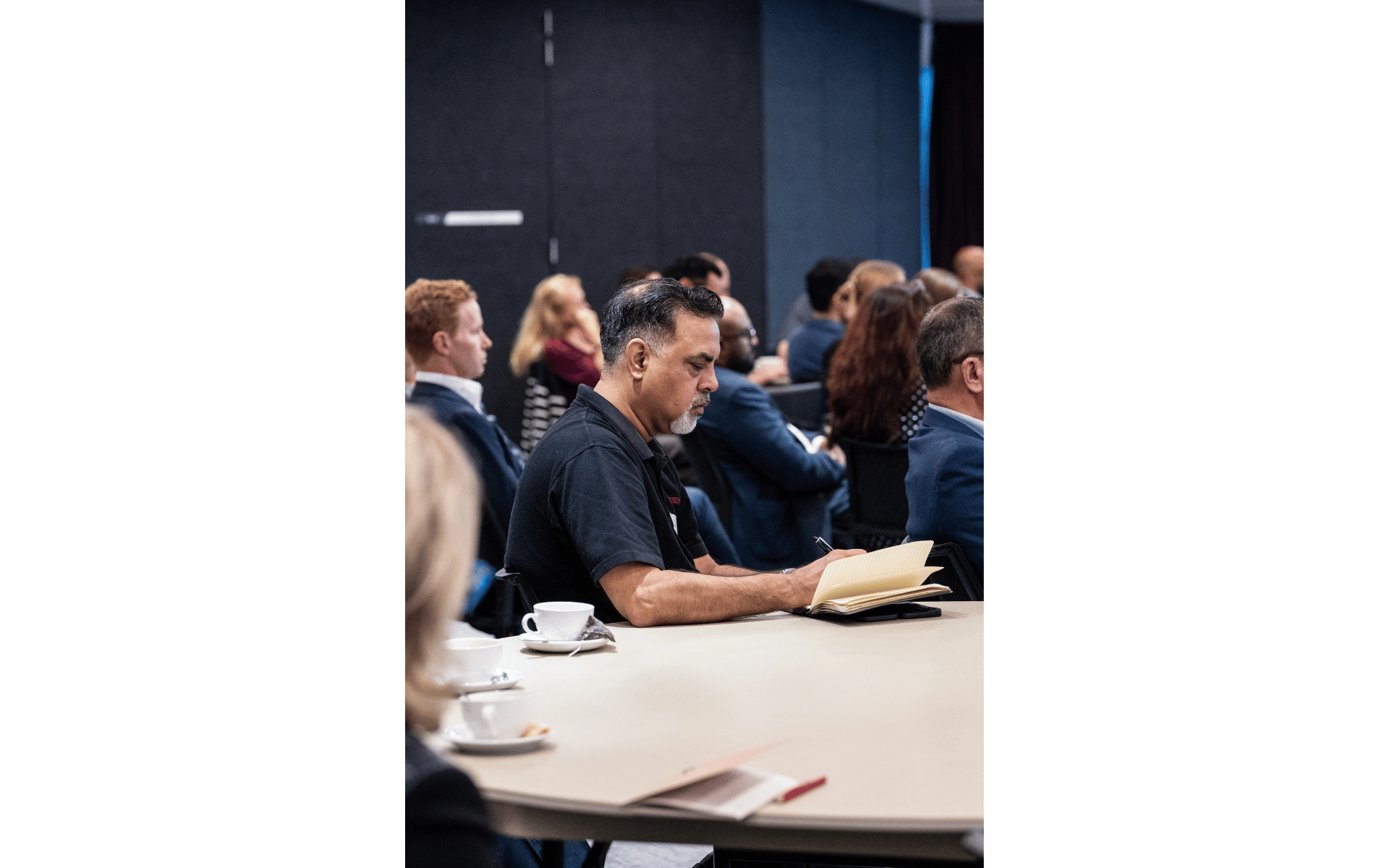
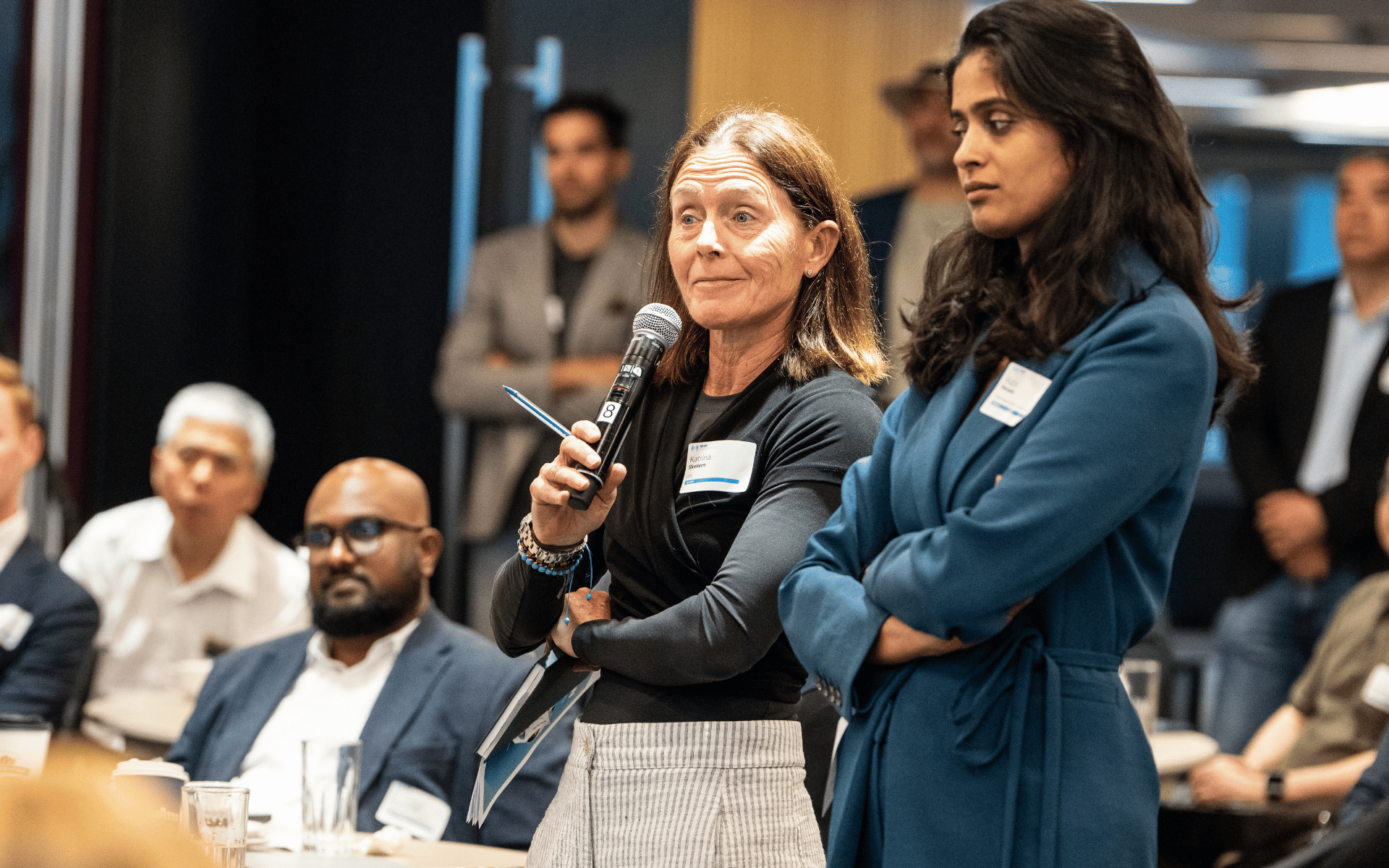
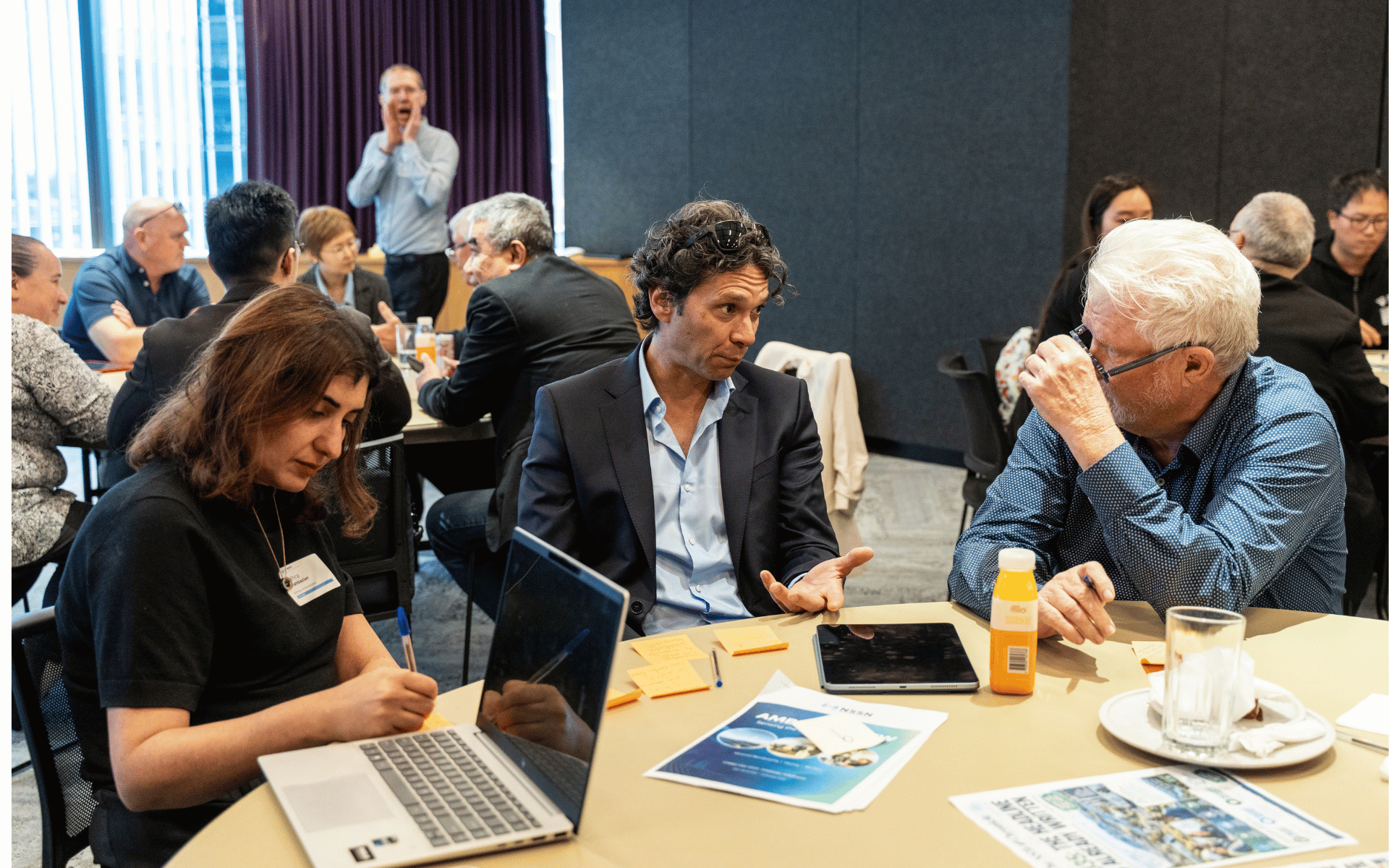
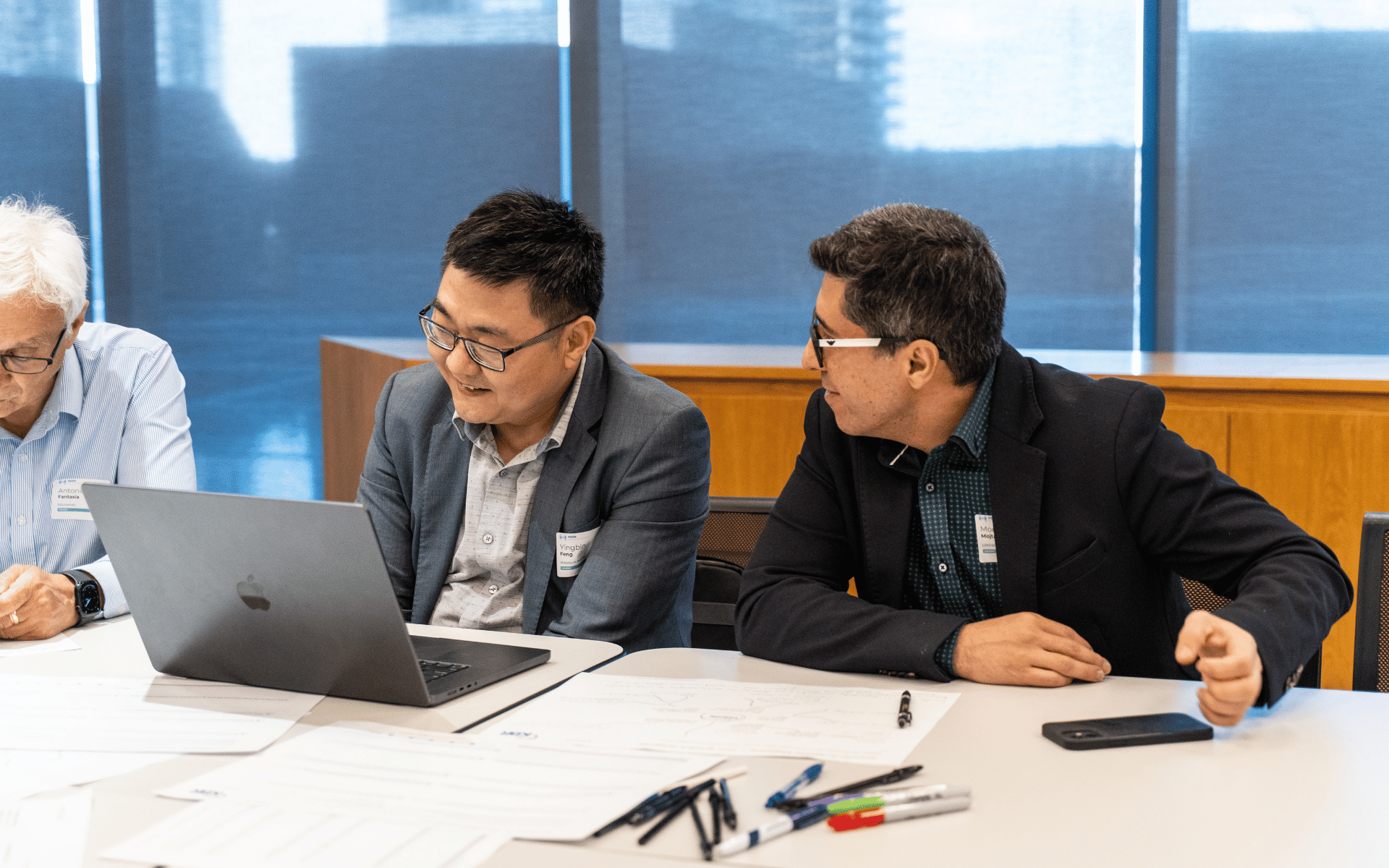
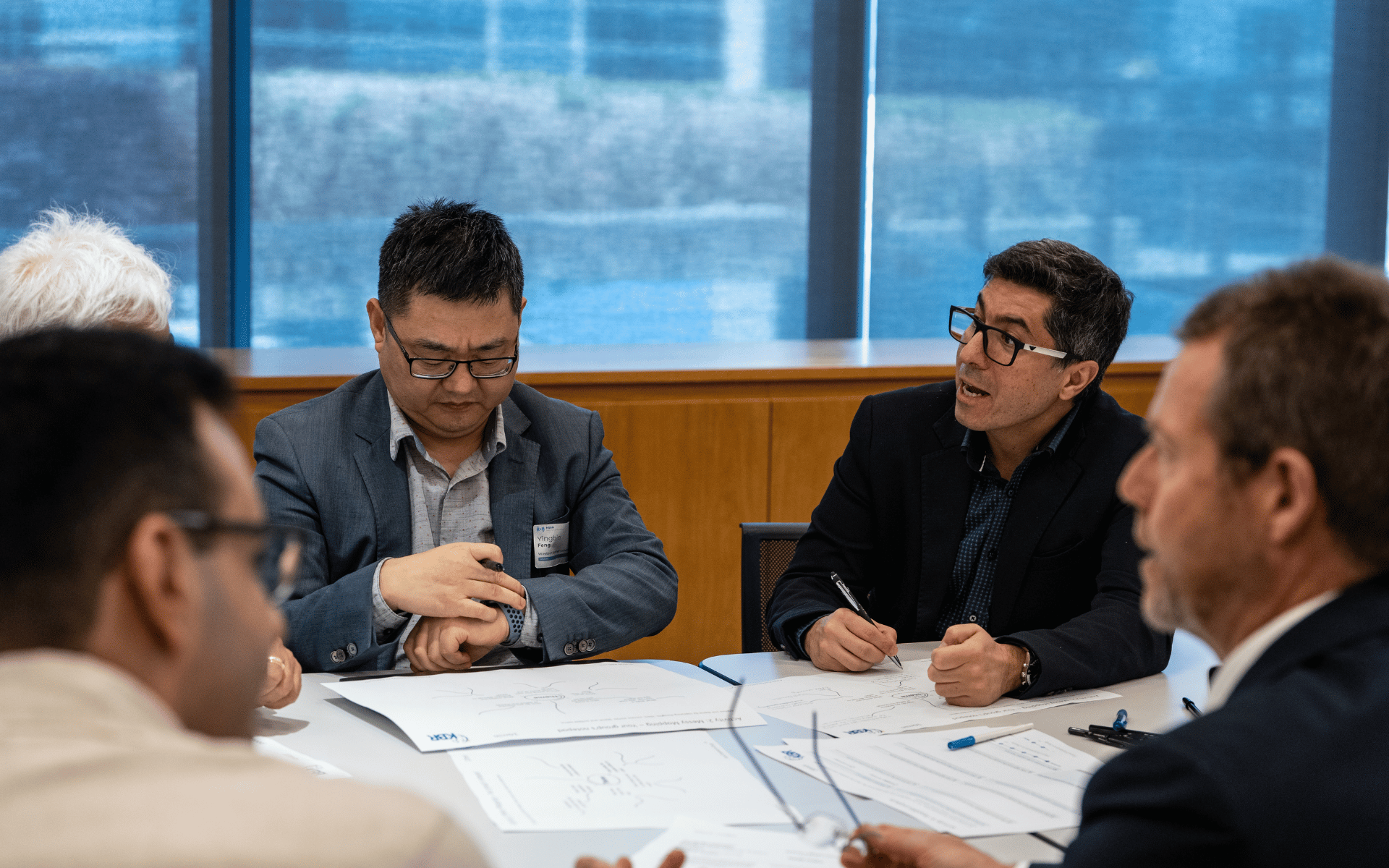
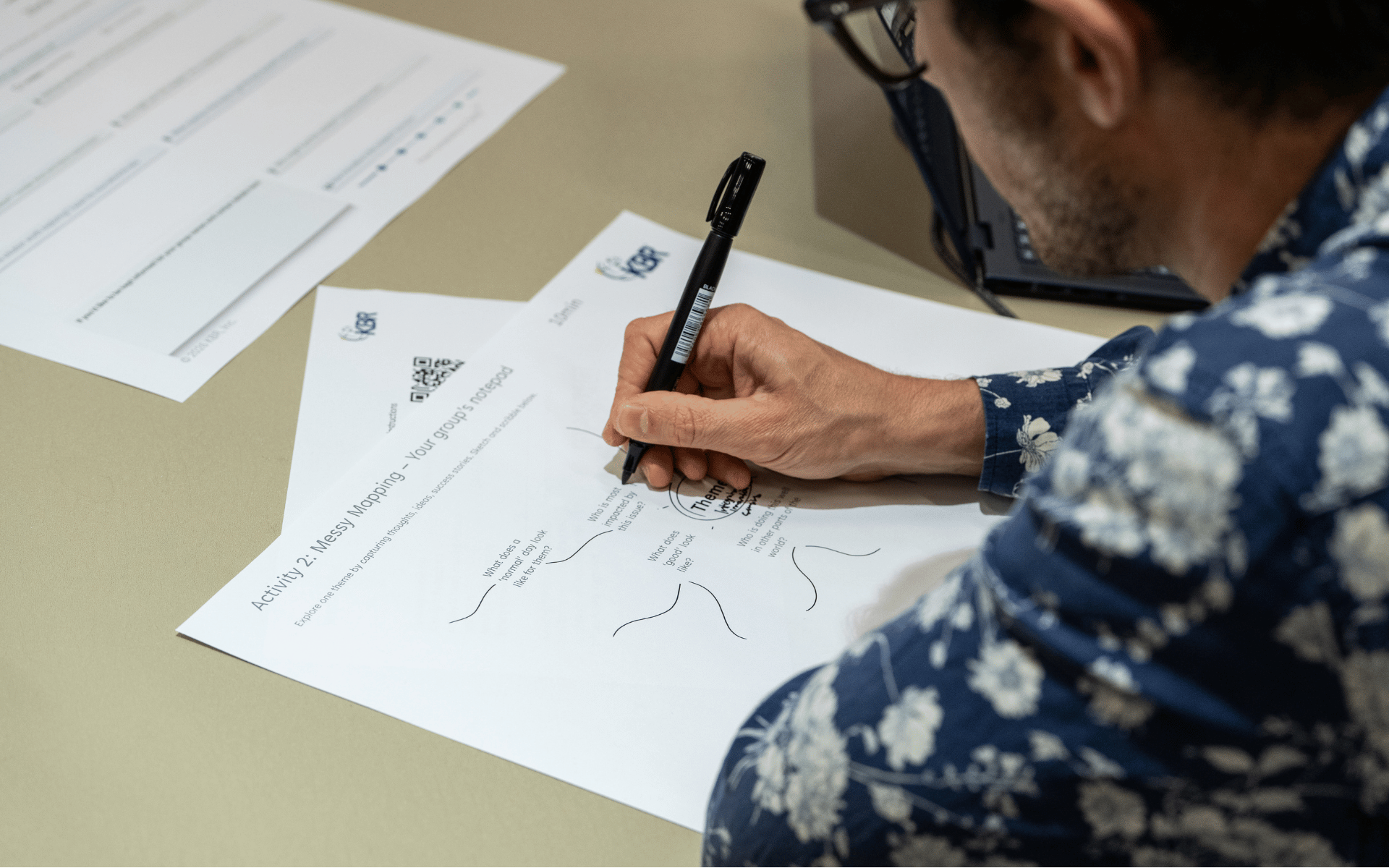
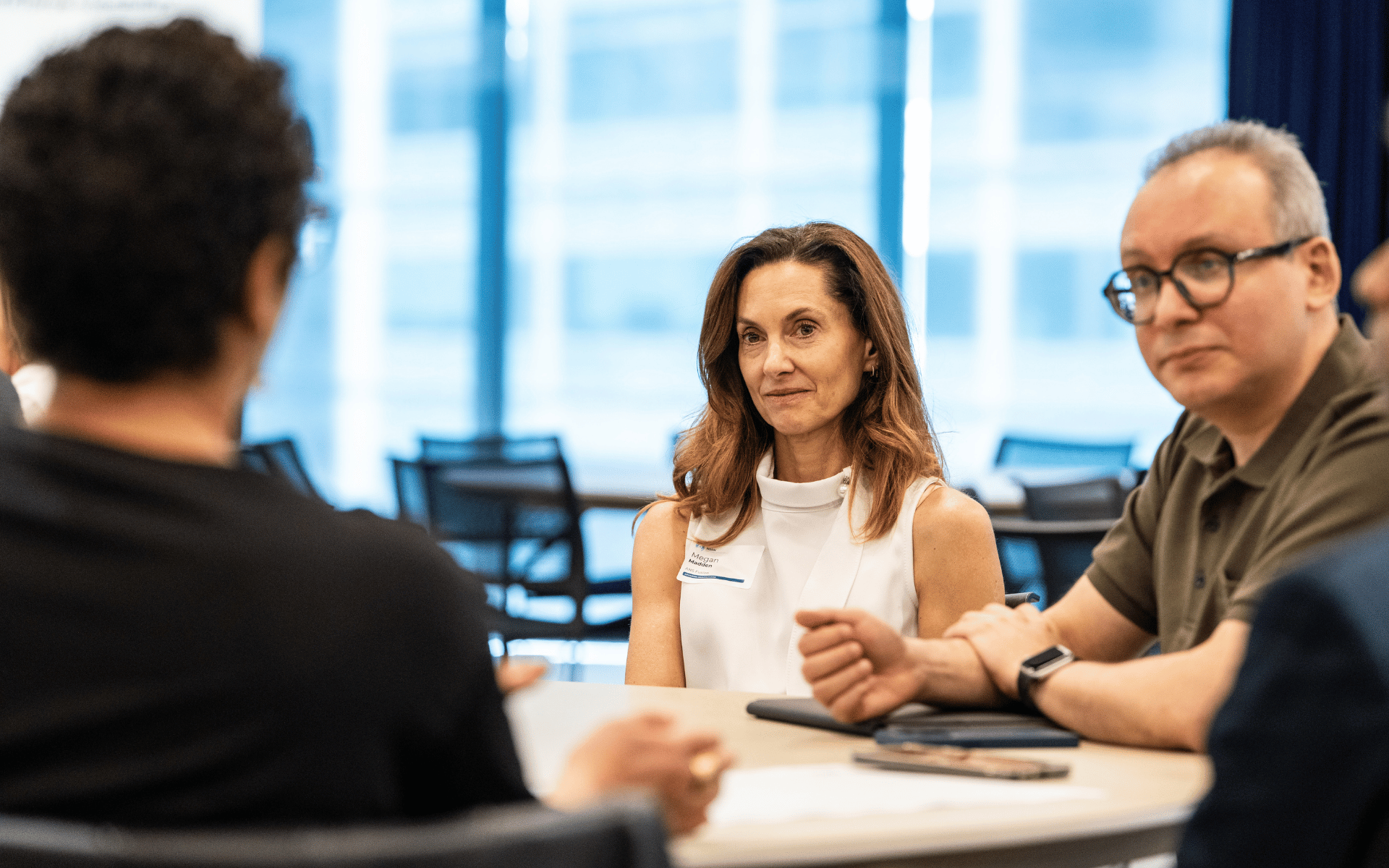
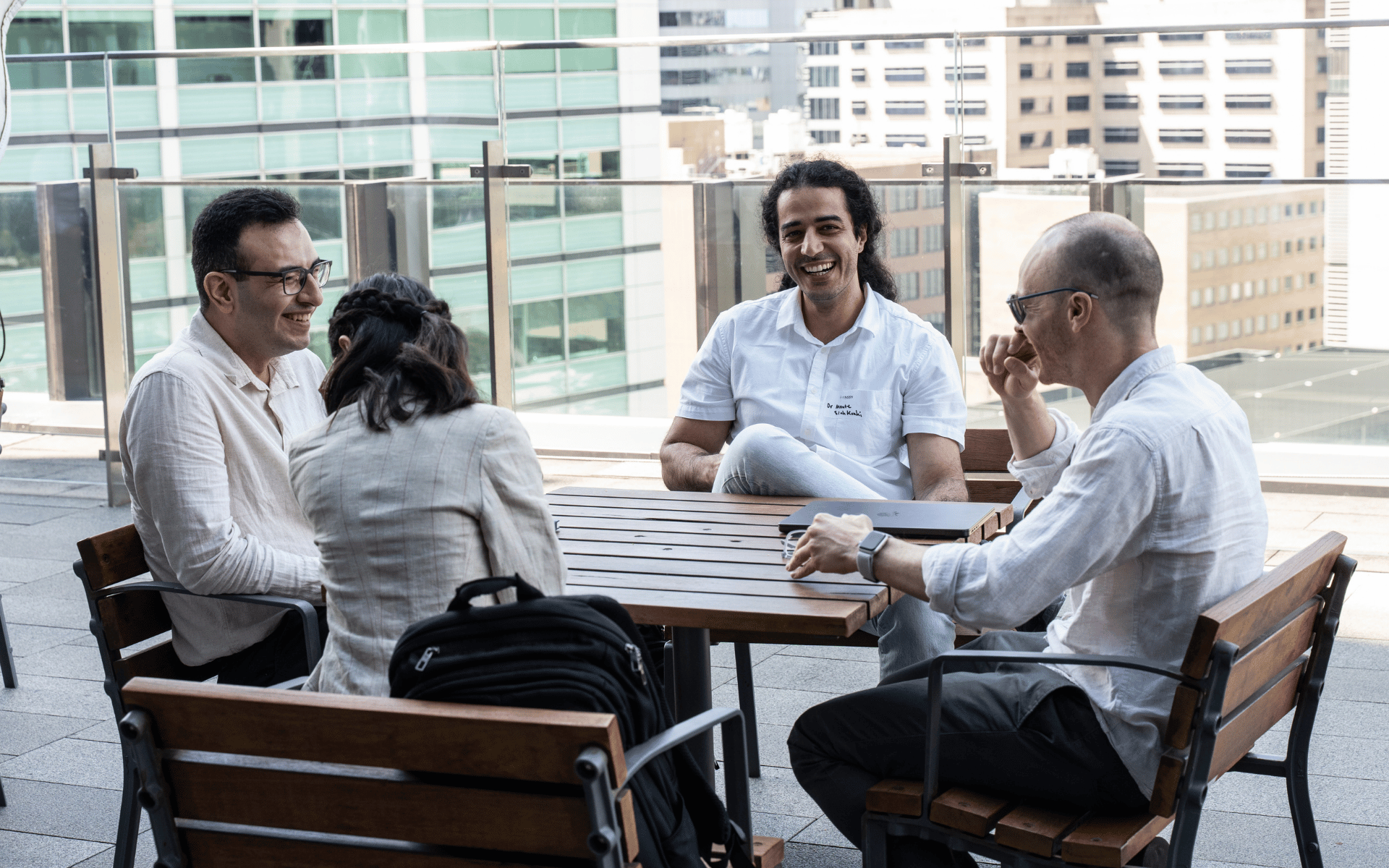
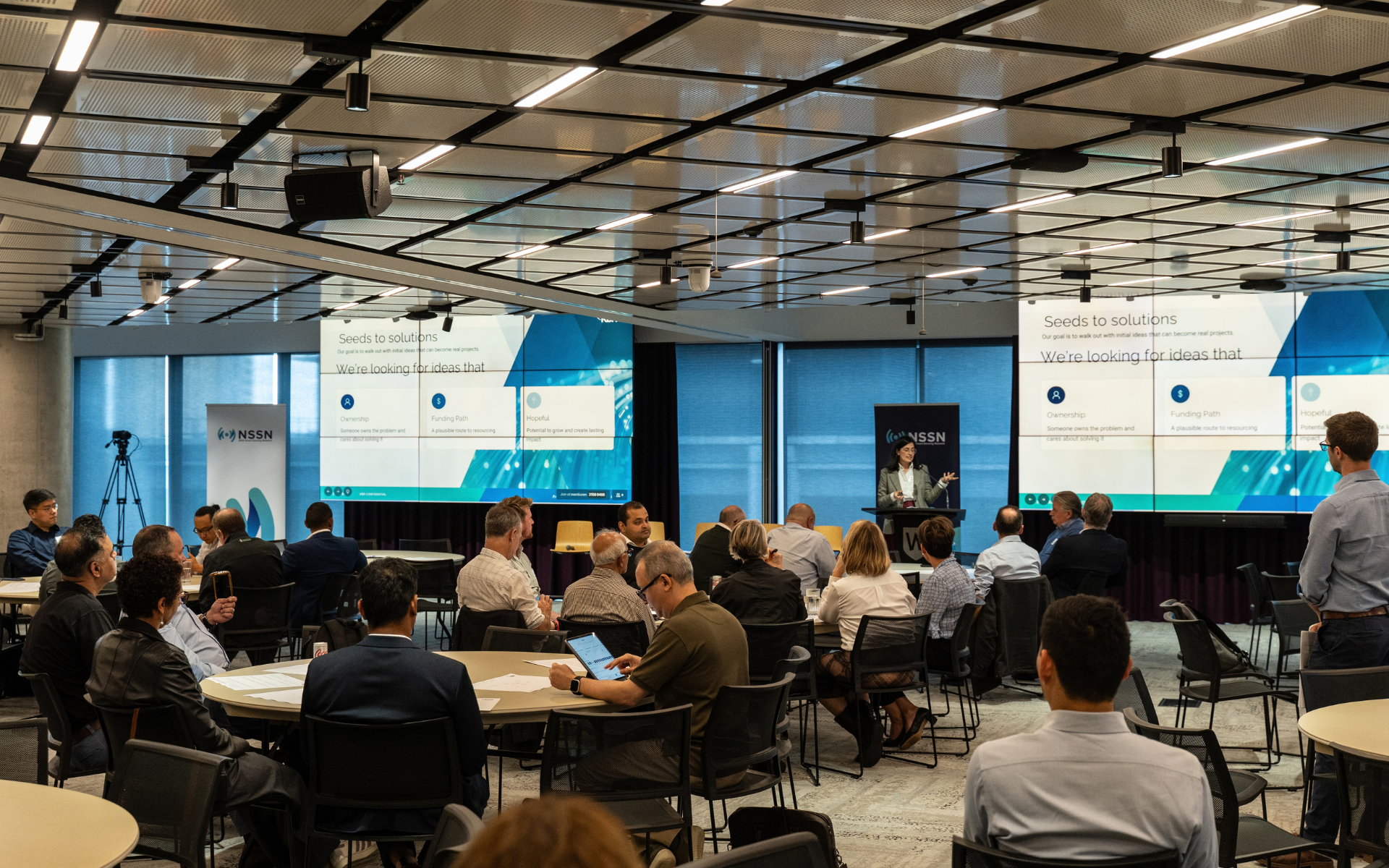
Participants developed potential collaborative project ideas in workshops.
For net zero, participants explored how smart sensing, data and new technologies could help cut emissions across industrial processes, freight and bushfire management.
One proposal looked at redesigning industrial processes to replace coal with biogenic carbon produced from organic waste, potentially reducing emissions in hard-to-abate industries and, when combined with carbon capture, creating carbon-negative processes.
Another idea involved using freight data to identify the most effective pathways for decarbonising road and marine transport.
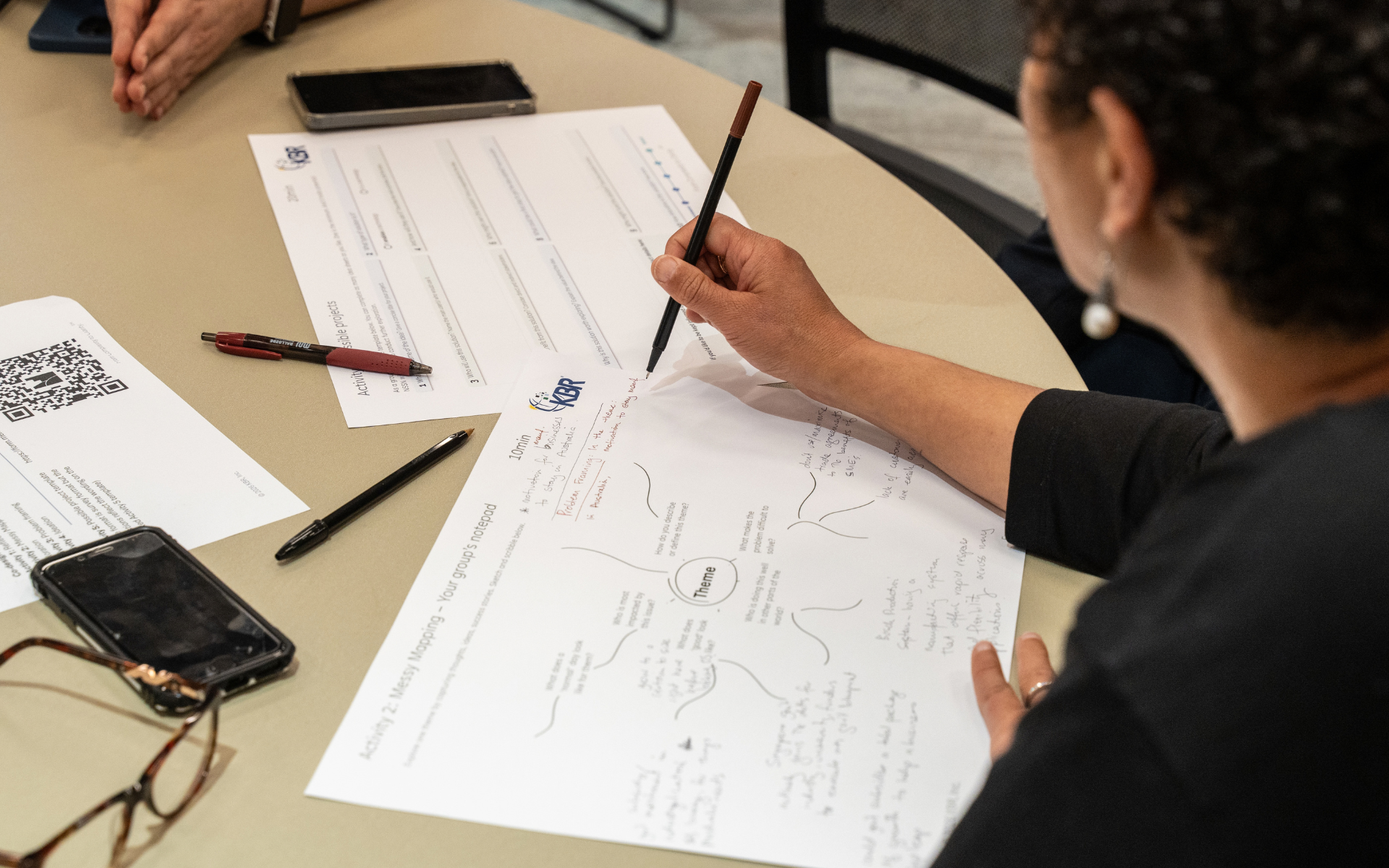
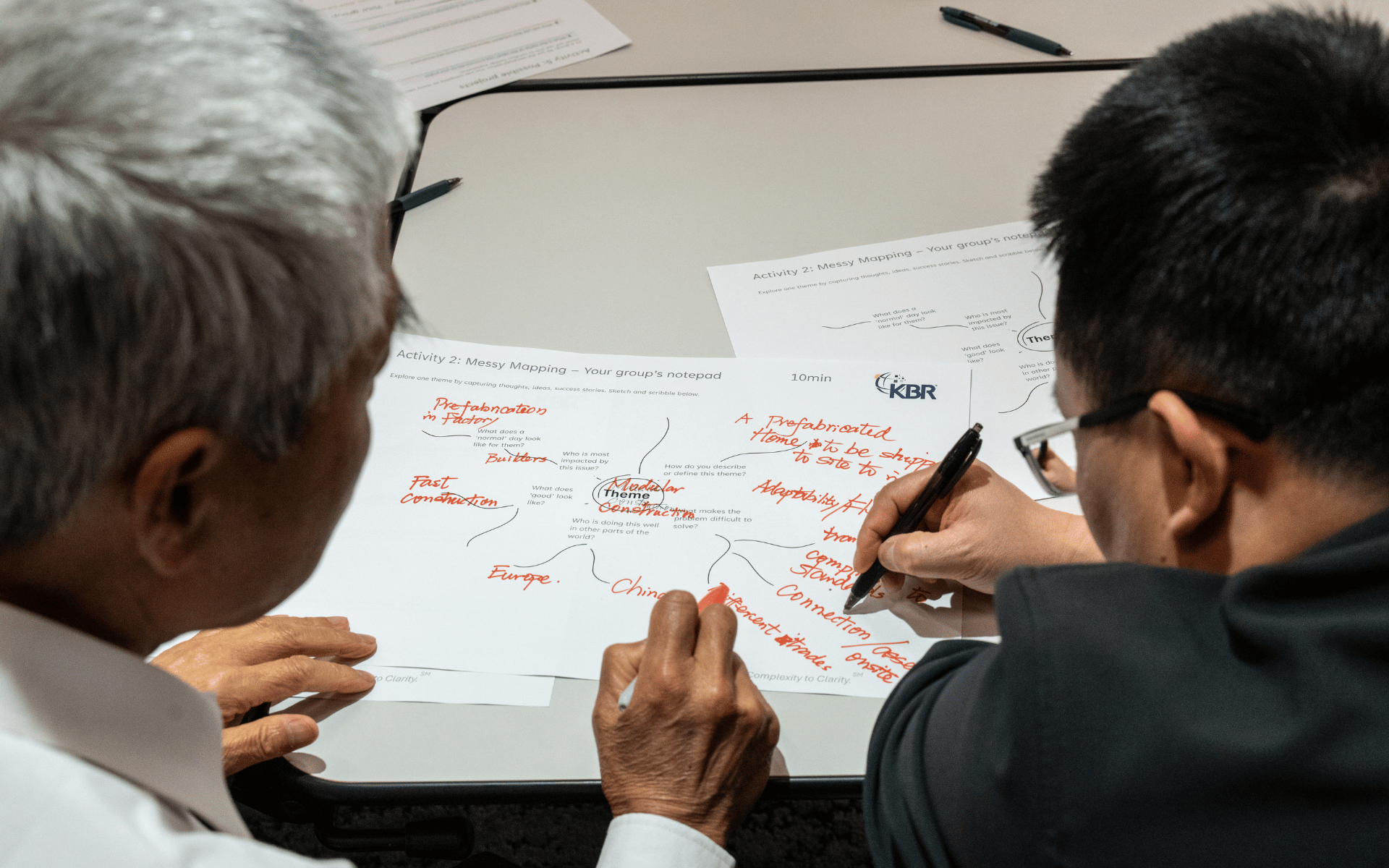
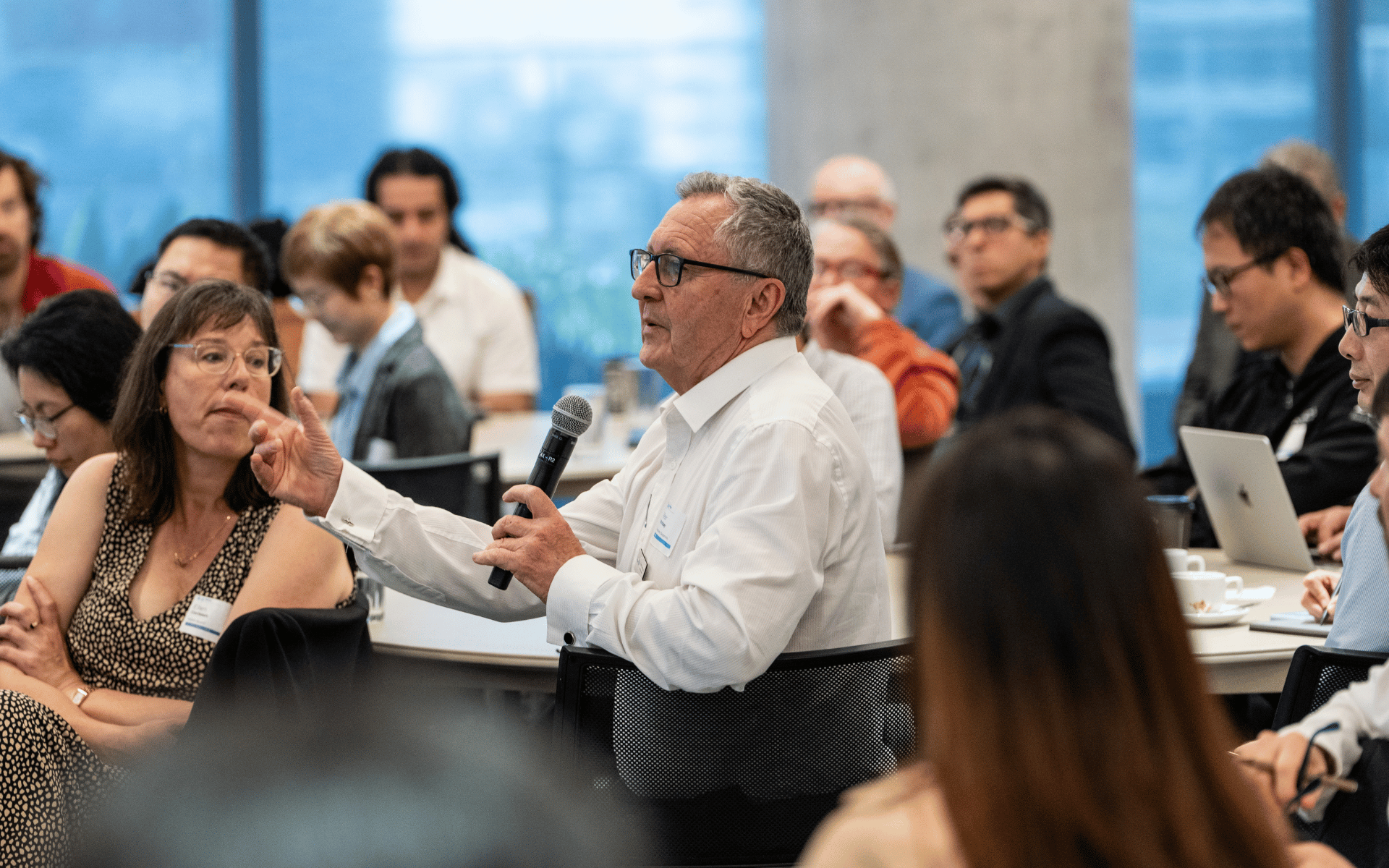
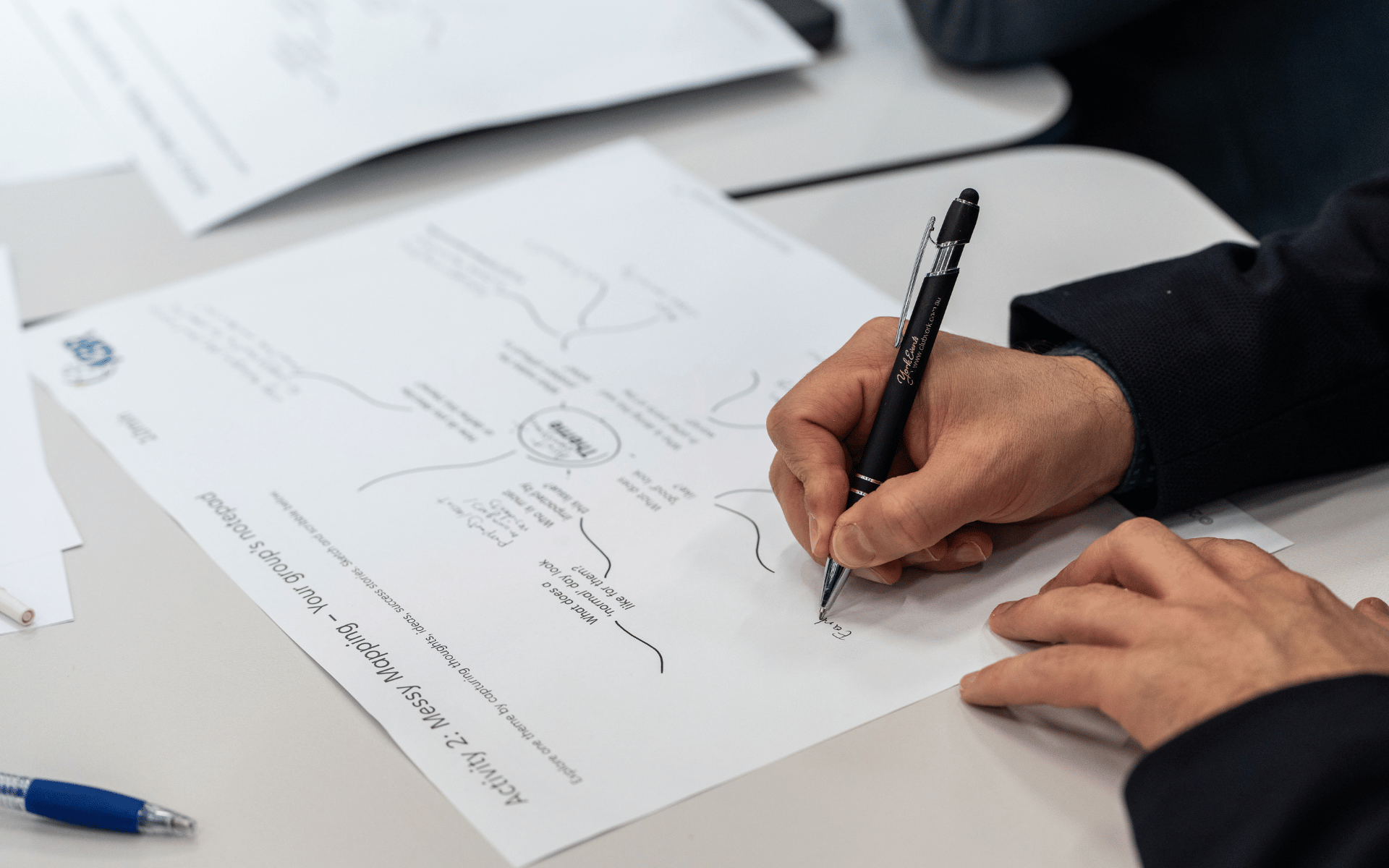
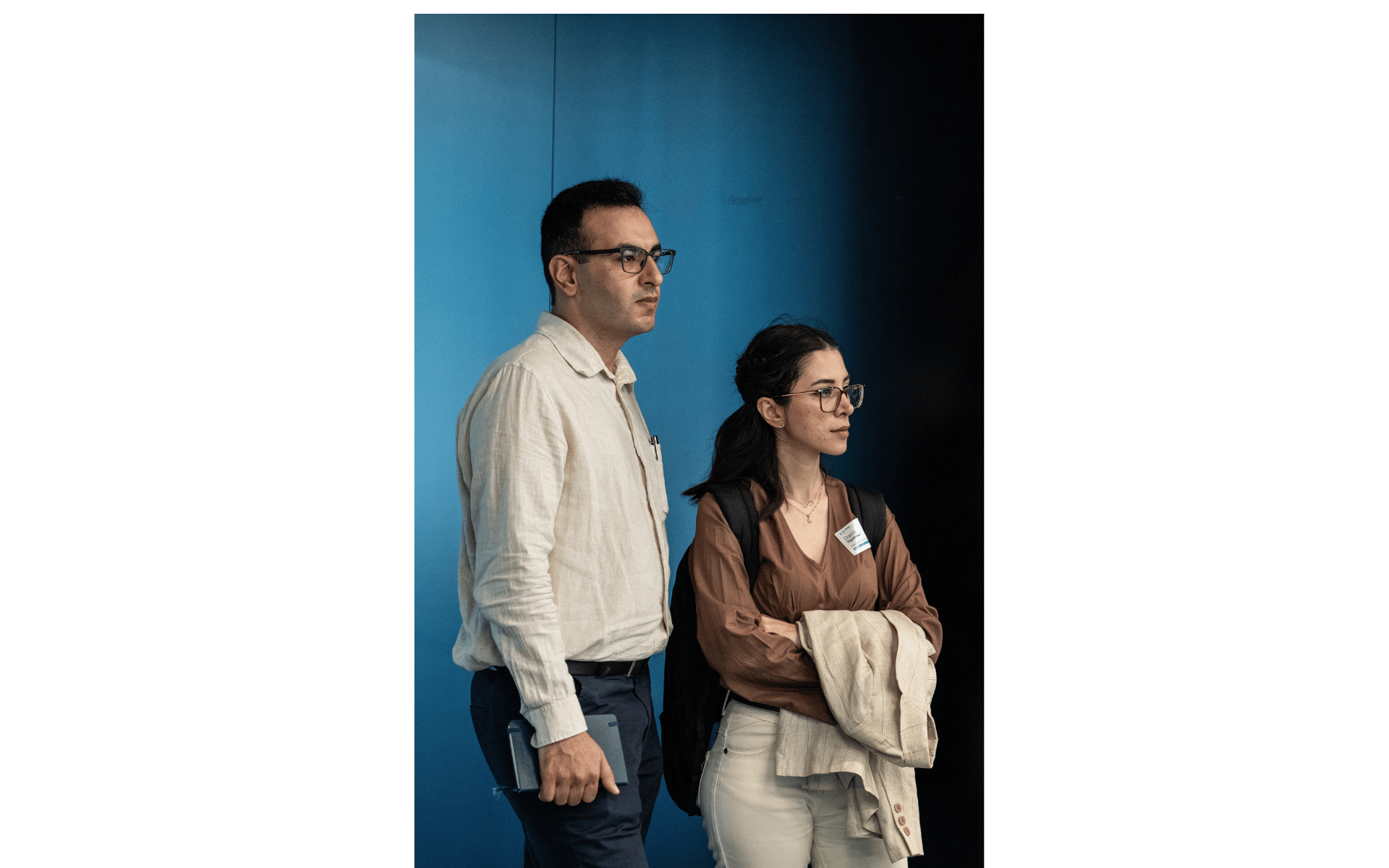
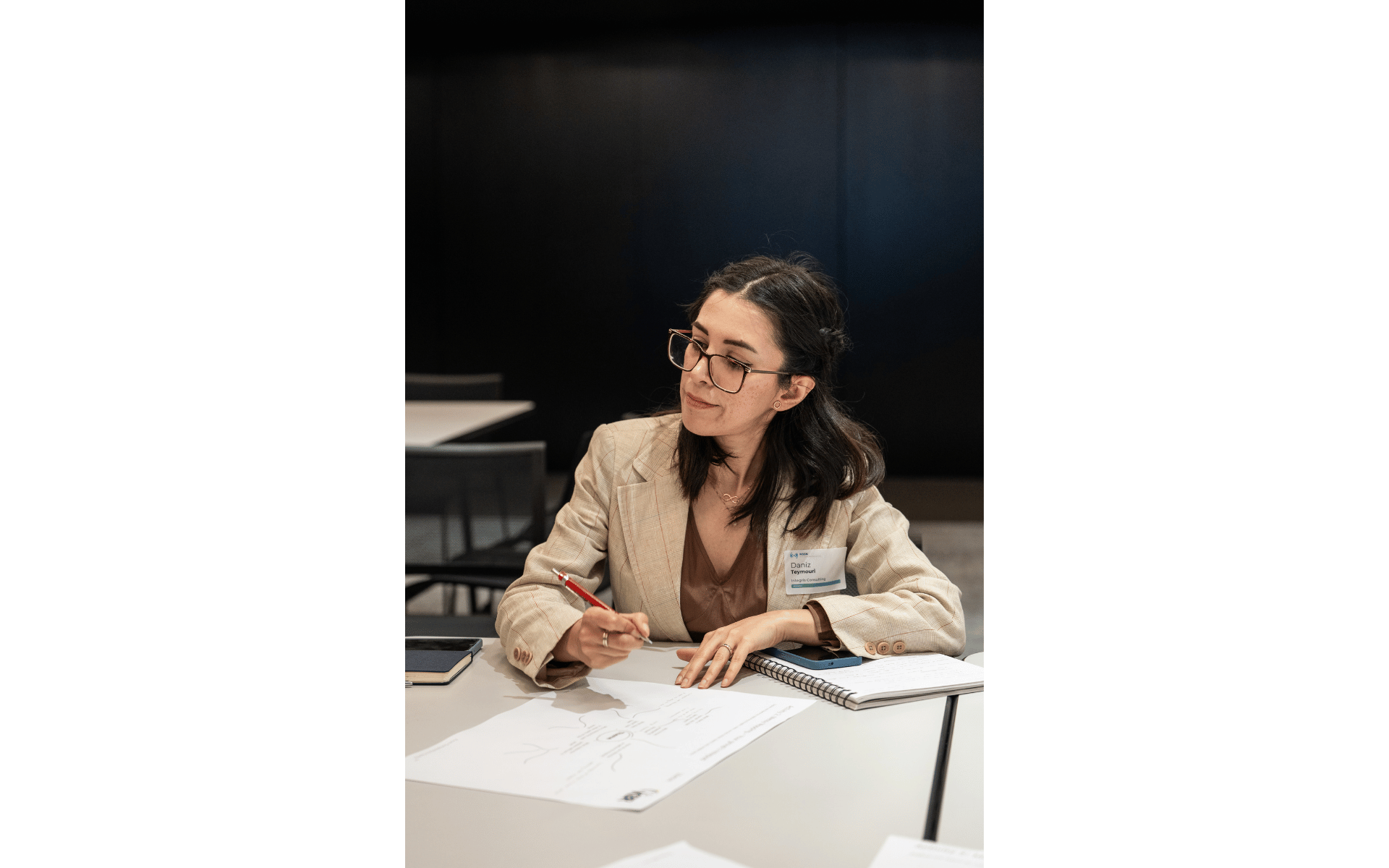
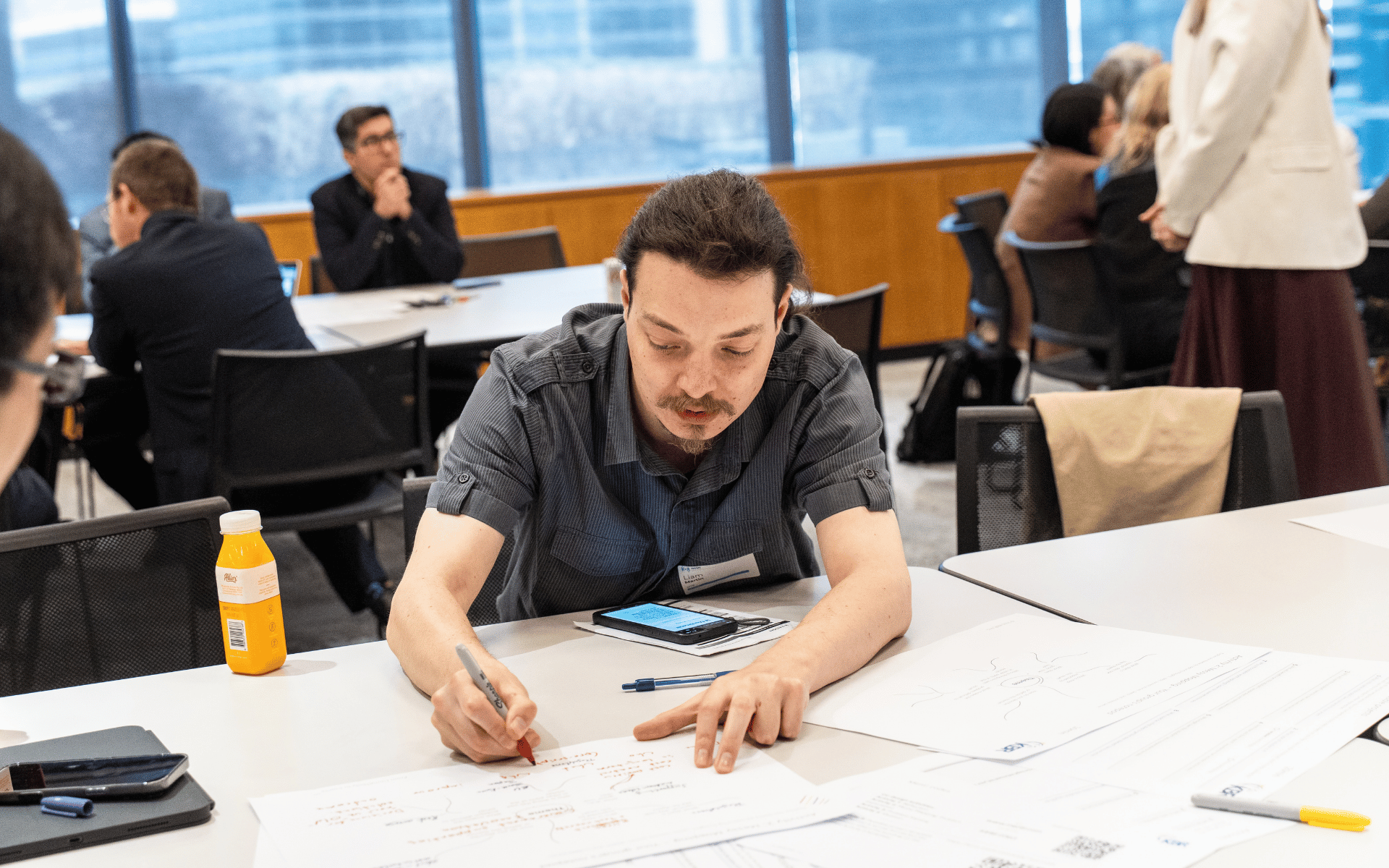
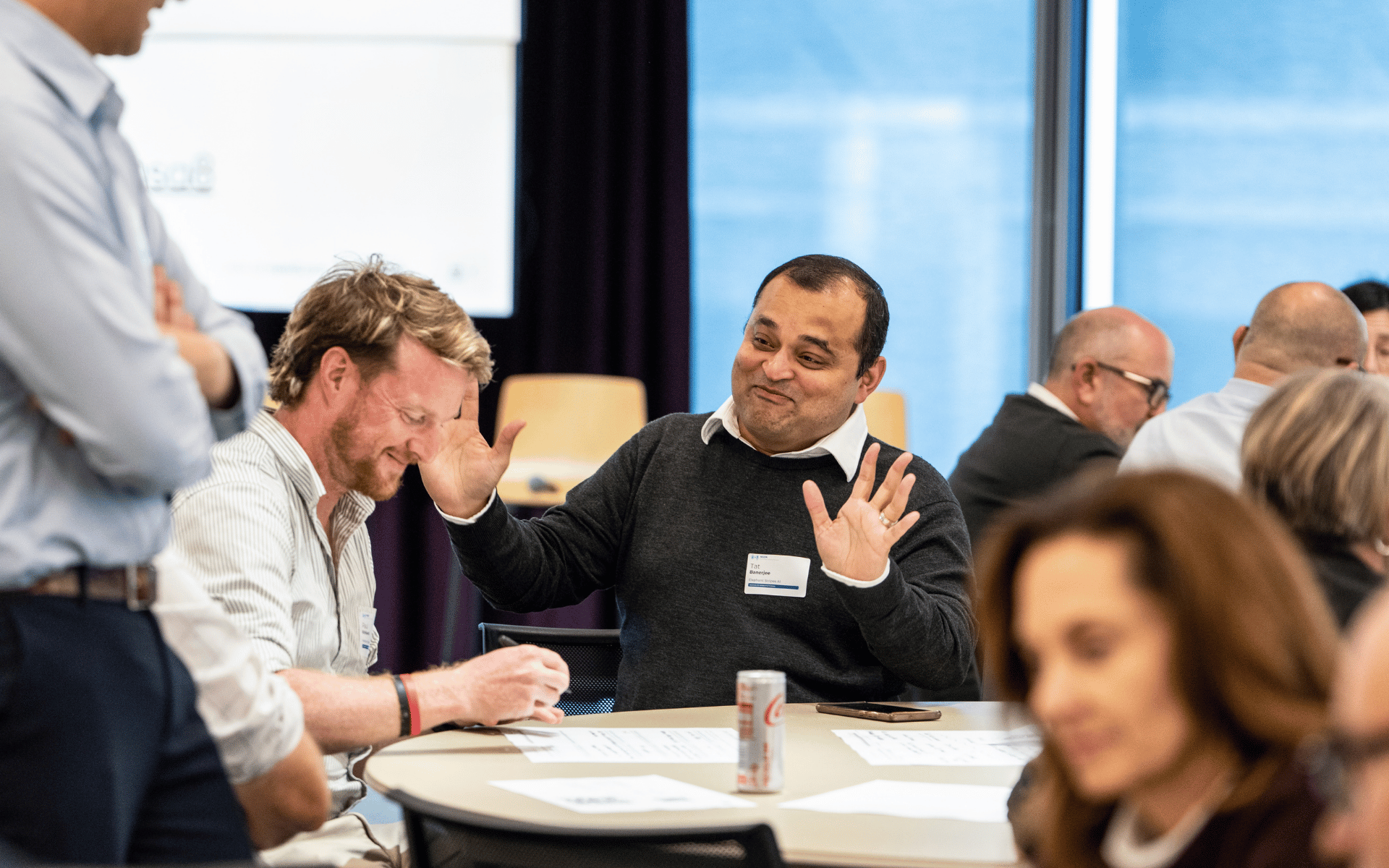
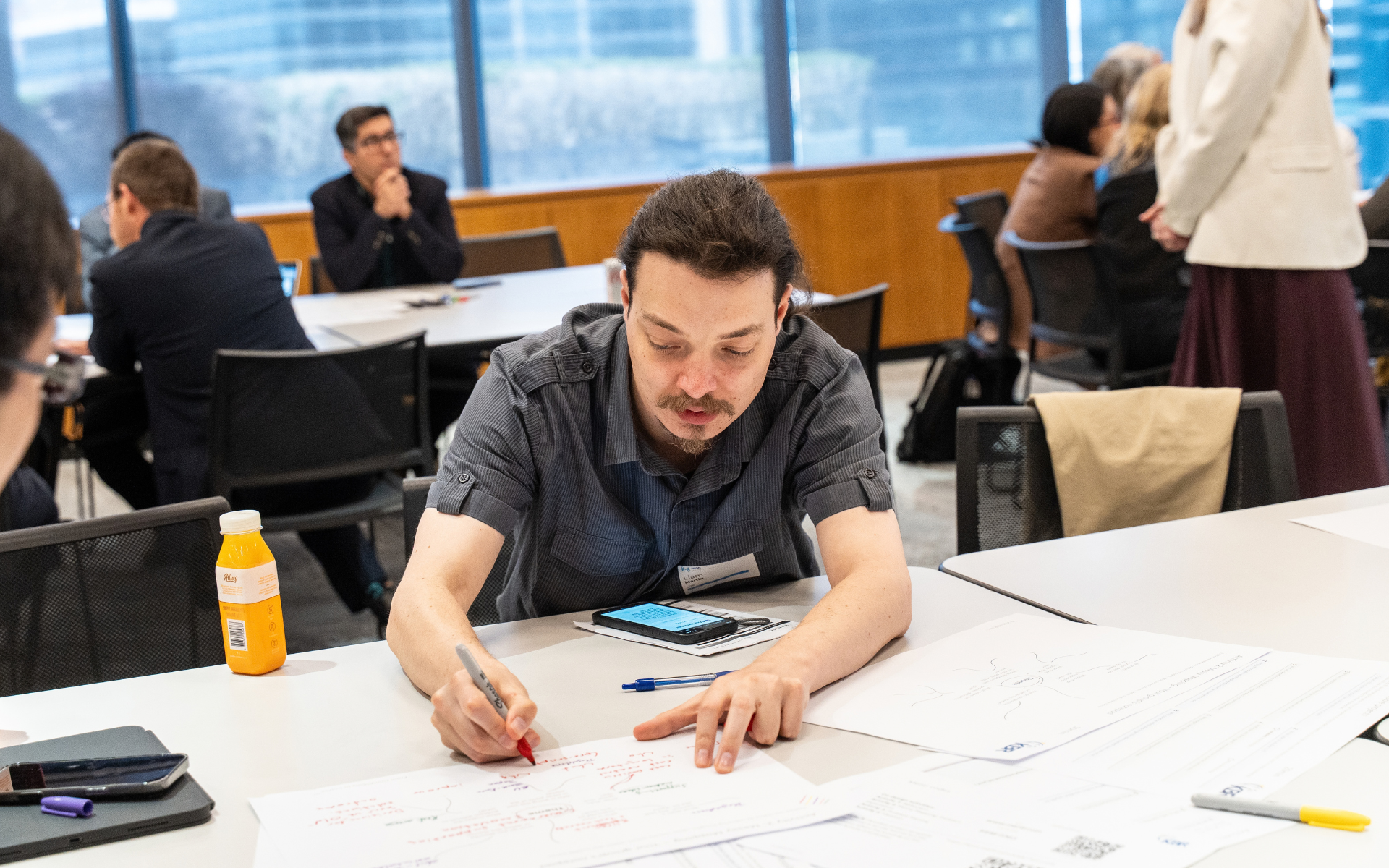
A participant in the advanced manufacturing workshop.
In advanced manufacturing, participants explored how smart sensing, automation and stronger local supply chains could help boost Australia’s productivity and resilience. One idea focused on using smart sensors to extend the reach of doctors, nurses and specialists, helping the healthcare system manage growing demand and workforce shortages.
Another proposed an AI-powered platform to connect businesses and researchers with relevant expertise, collaborators and funding opportunities.
For housing, participants explored how smart sensing could help older and vulnerable people live safely and independently at home for longer, as well as support a shift from reactive maintenance to more proactive management.
Ideas included using building-condition and liveability data to help prioritise maintenance across social housing portfolios, and installing low-cost sensors to monitor temperature, humidity and CO₂ in homes.
Bridging Australia’s innovation “missing middle”
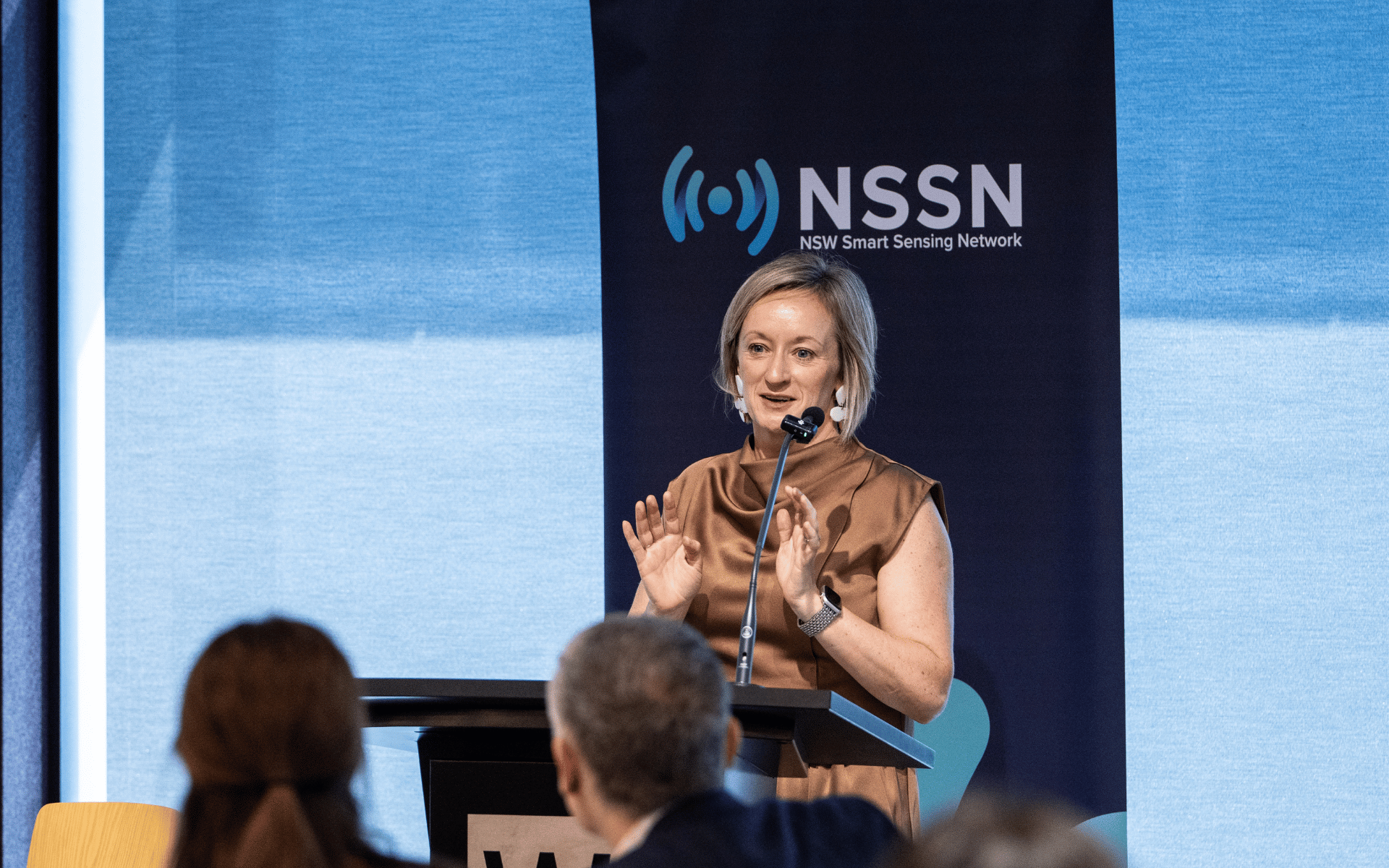
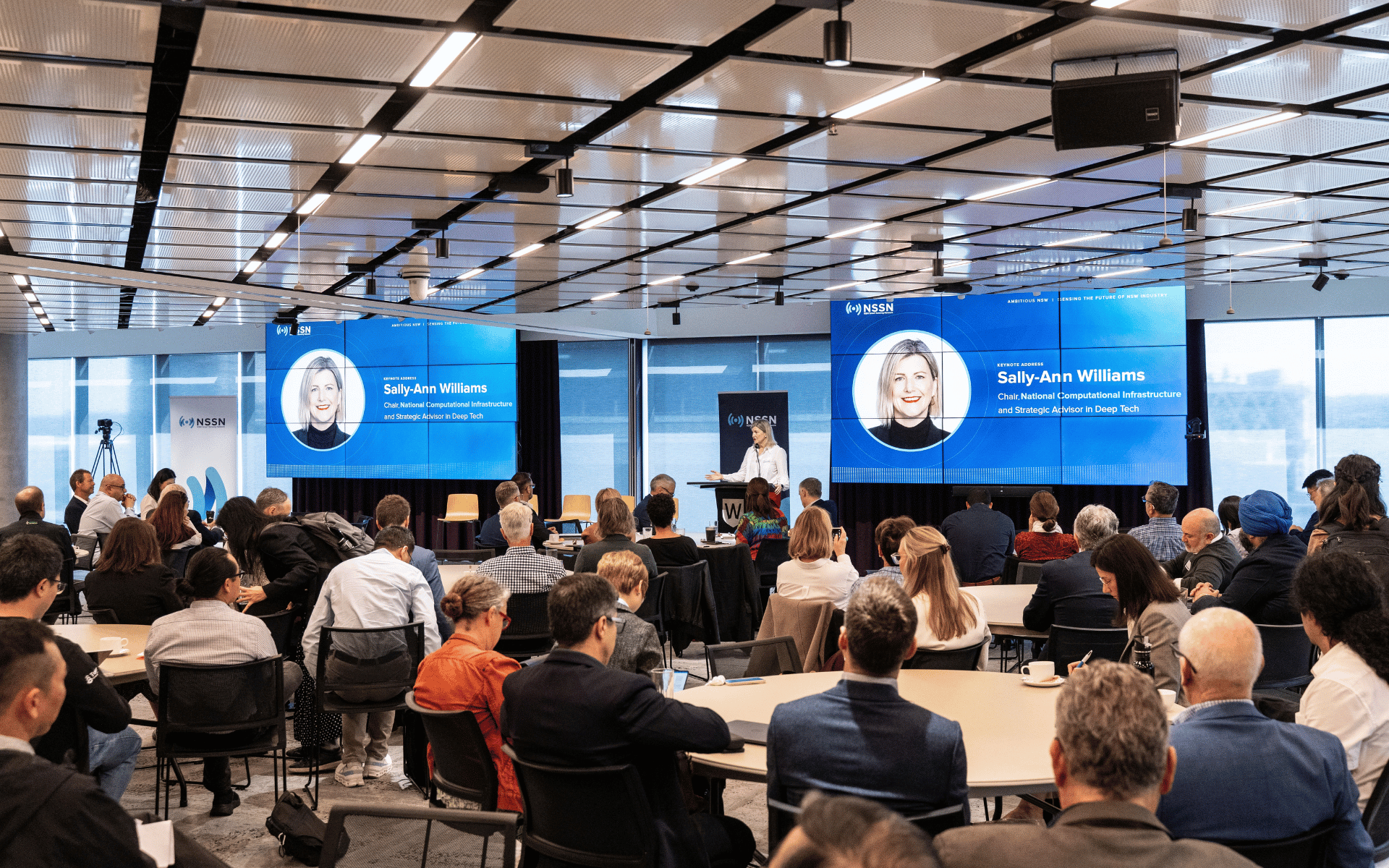
In her keynote address, Chair of National Computational Infrastructure, Sally-Ann Williams, said Australia risked leaving world-class research stranded unless it built more companies capable of absorbing new technologies and created stronger demand for them.
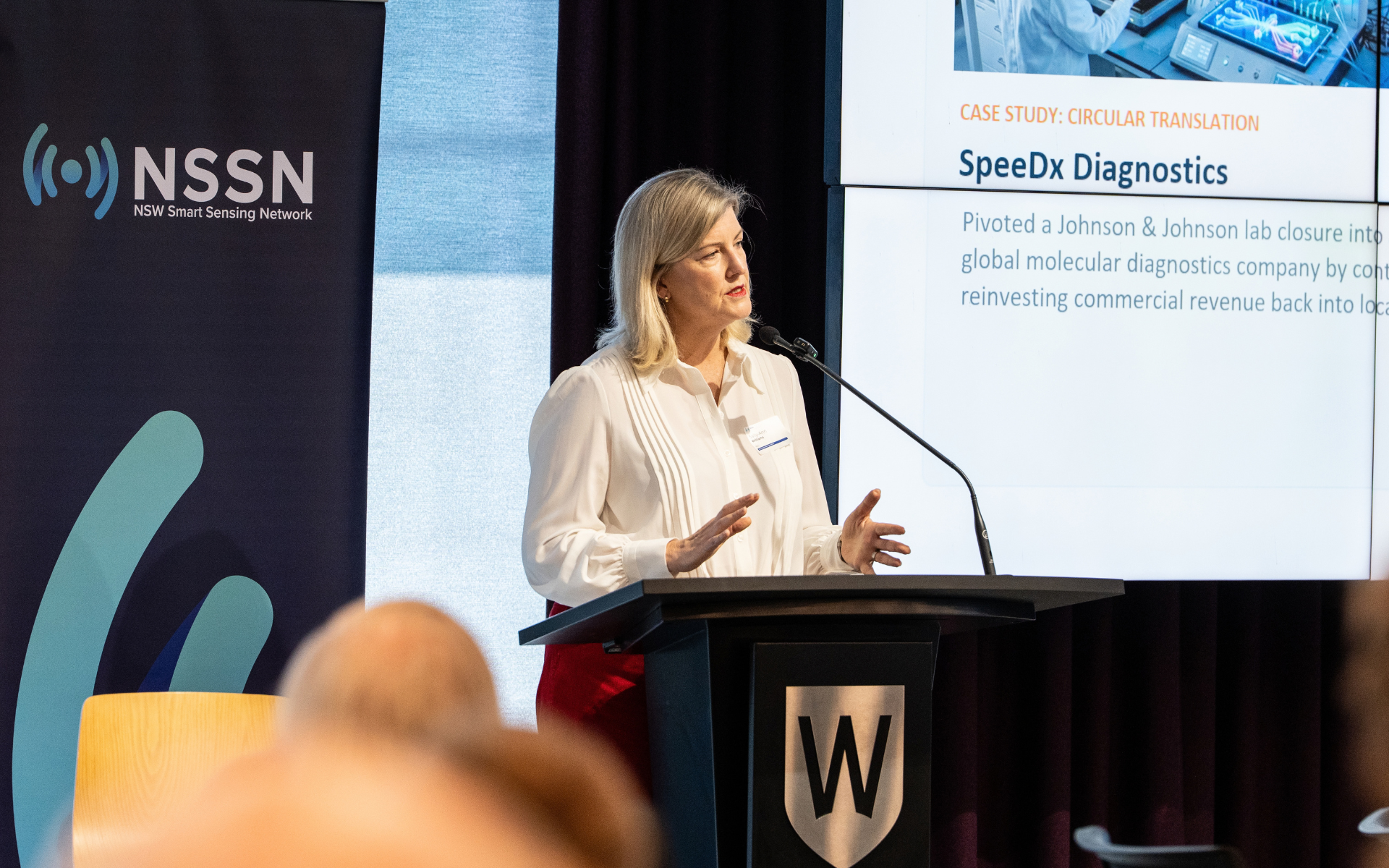
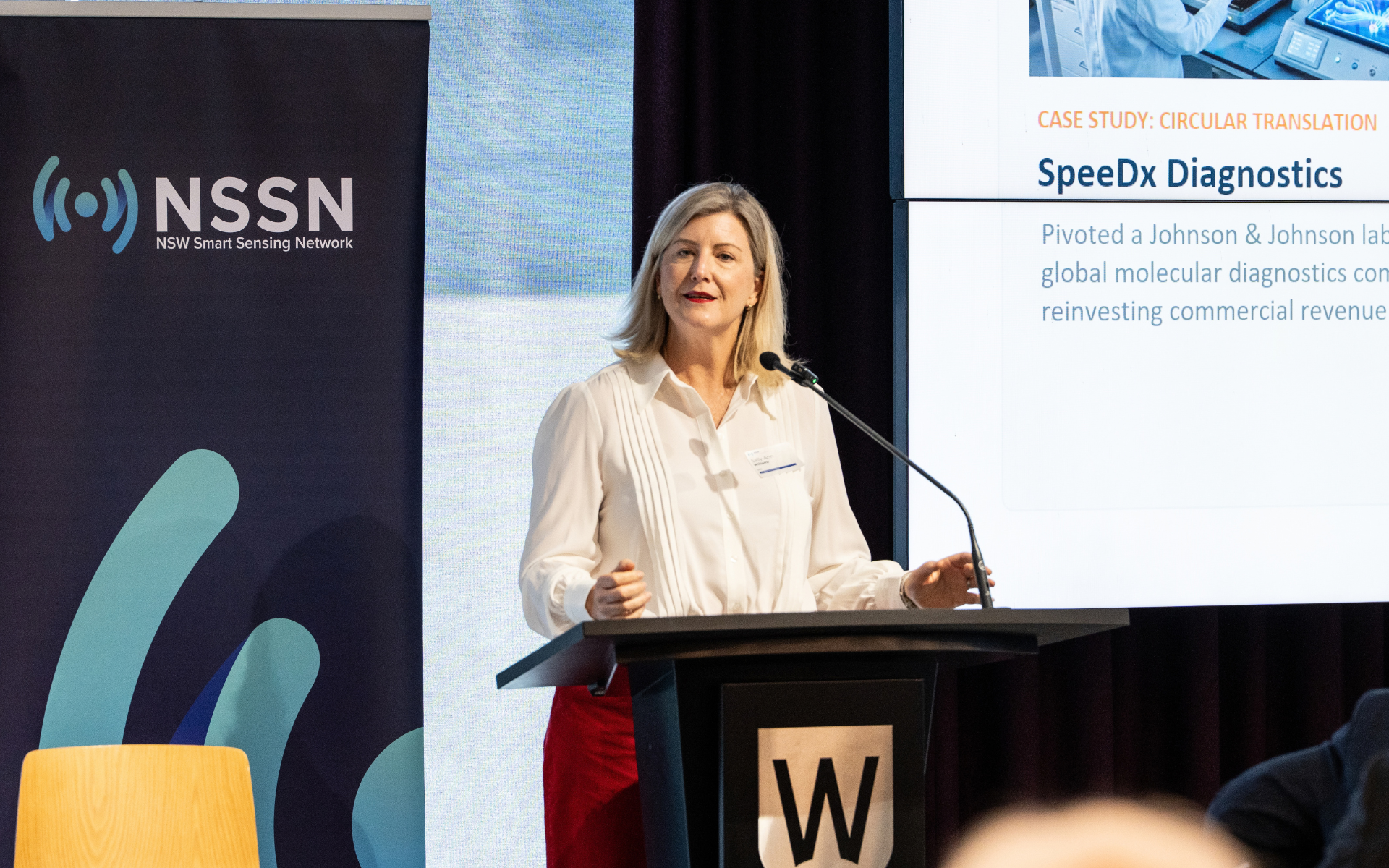
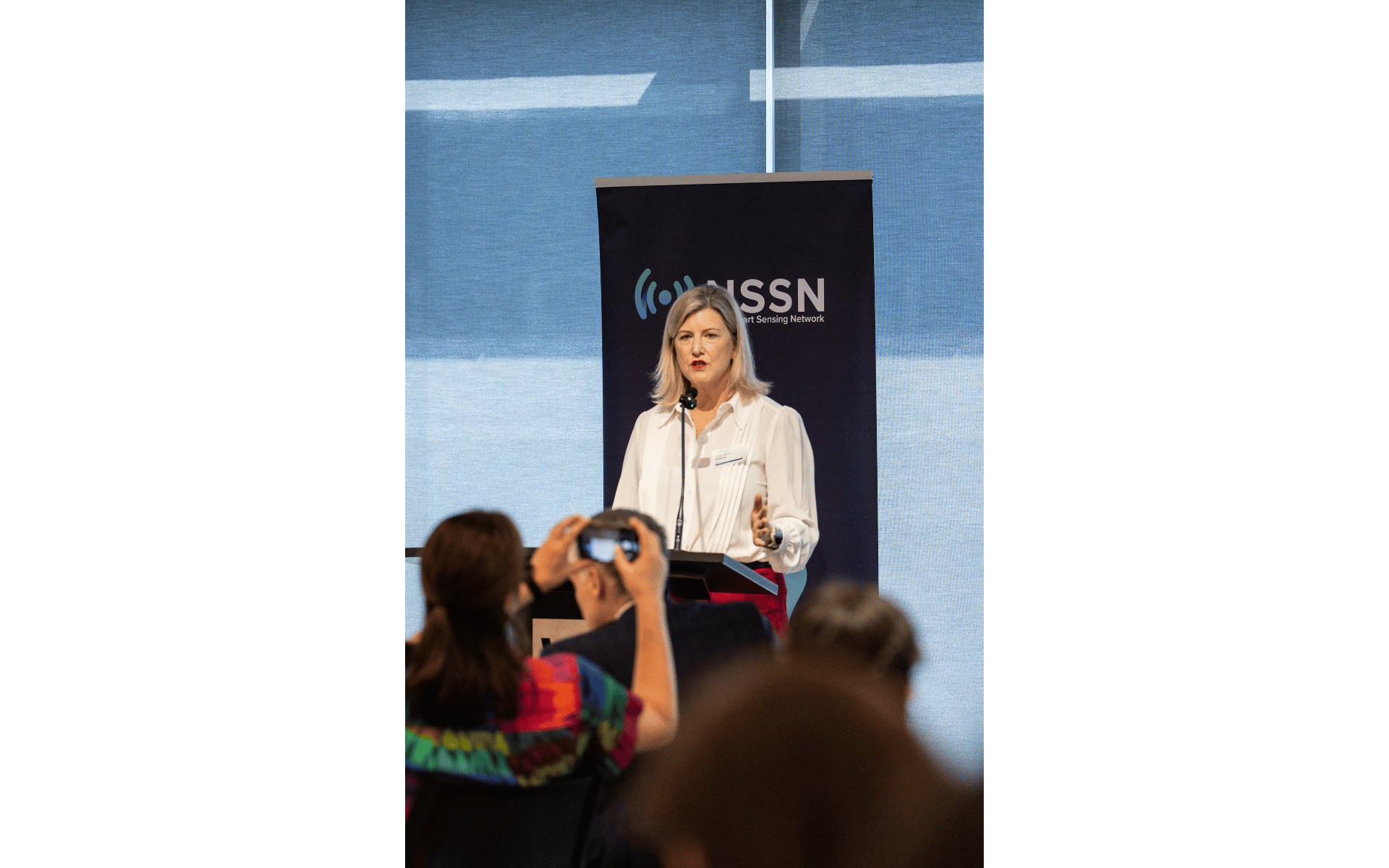
Chair of National Computational Infrastructure and strategic advisor in deep tech, Sally-Ann Williams, delivered the keynote address.
She said Australia’s innovation challenge was not a shortage of ideas, but a “missing middle” of businesses with the capacity to take promising technologies through to scale.
Ms Williams said stronger innovation outcomes would require universities, industry, investors and government to work together around major shared challenges, while building greater capacity for trials, demonstration and scale-up.
The strategic advisor in deep tech said governments needed to move “from being merely a grant giver to an active market creator”, using procurement and anchor-customer contracts to validate emerging technologies, attract investment and help Australian companies grow.
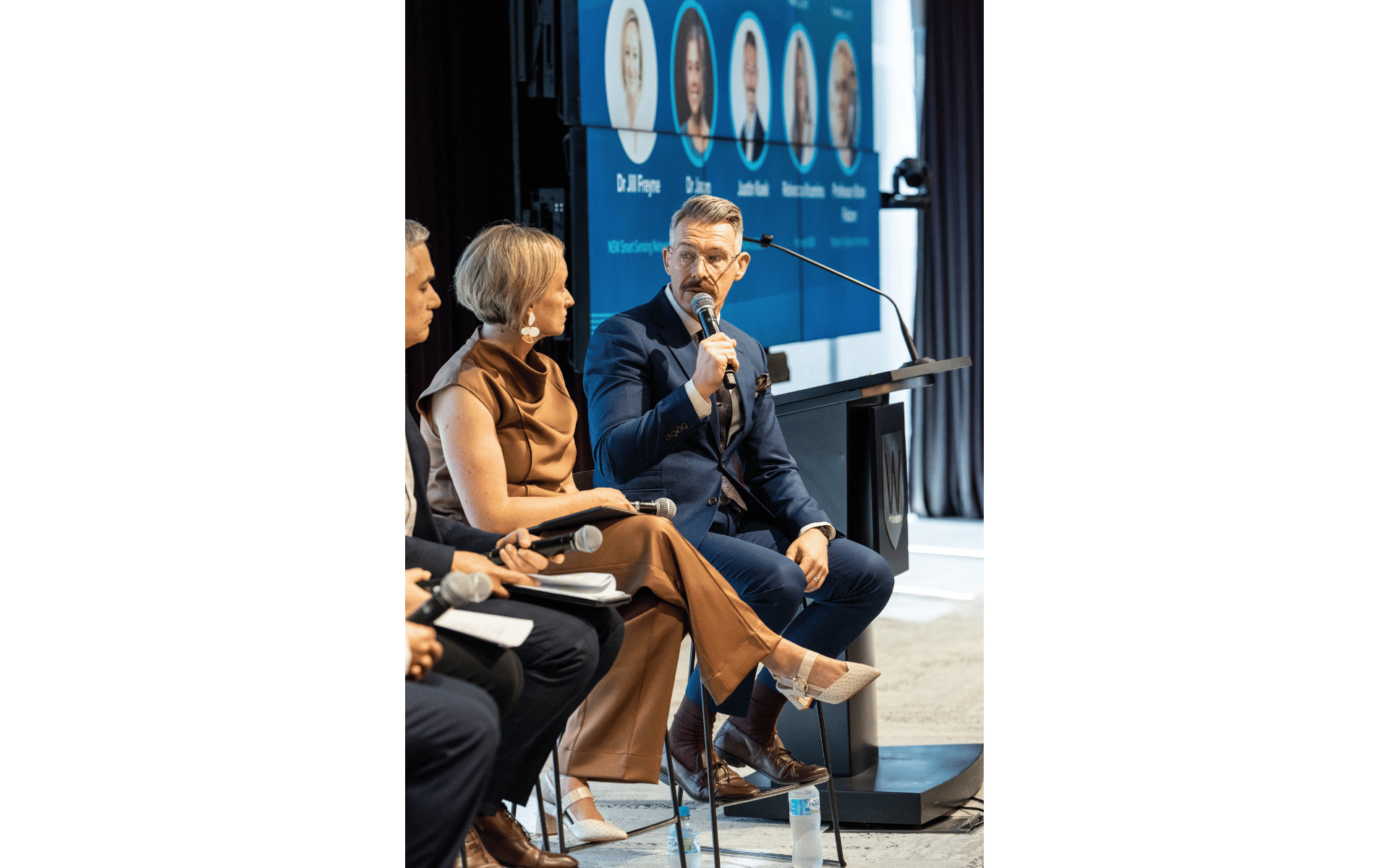
The themes raised by Ms Williams were picked up in a plenary panel chaired by NSSN Board Chair Dr Jill Freyne.
Western Sydney University Dean of Engineering, Computing and Science Professor Brian Falzon pointed to examples illustrating the challenge of moving promising technologies from research into widespread use.
One was Western Sydney University spin-out Opterra, which developed neuromorphic sensing technology for space domain awareness, including devices operating in orbit, but had to establish itself in the UK to attract substantial venture capital.
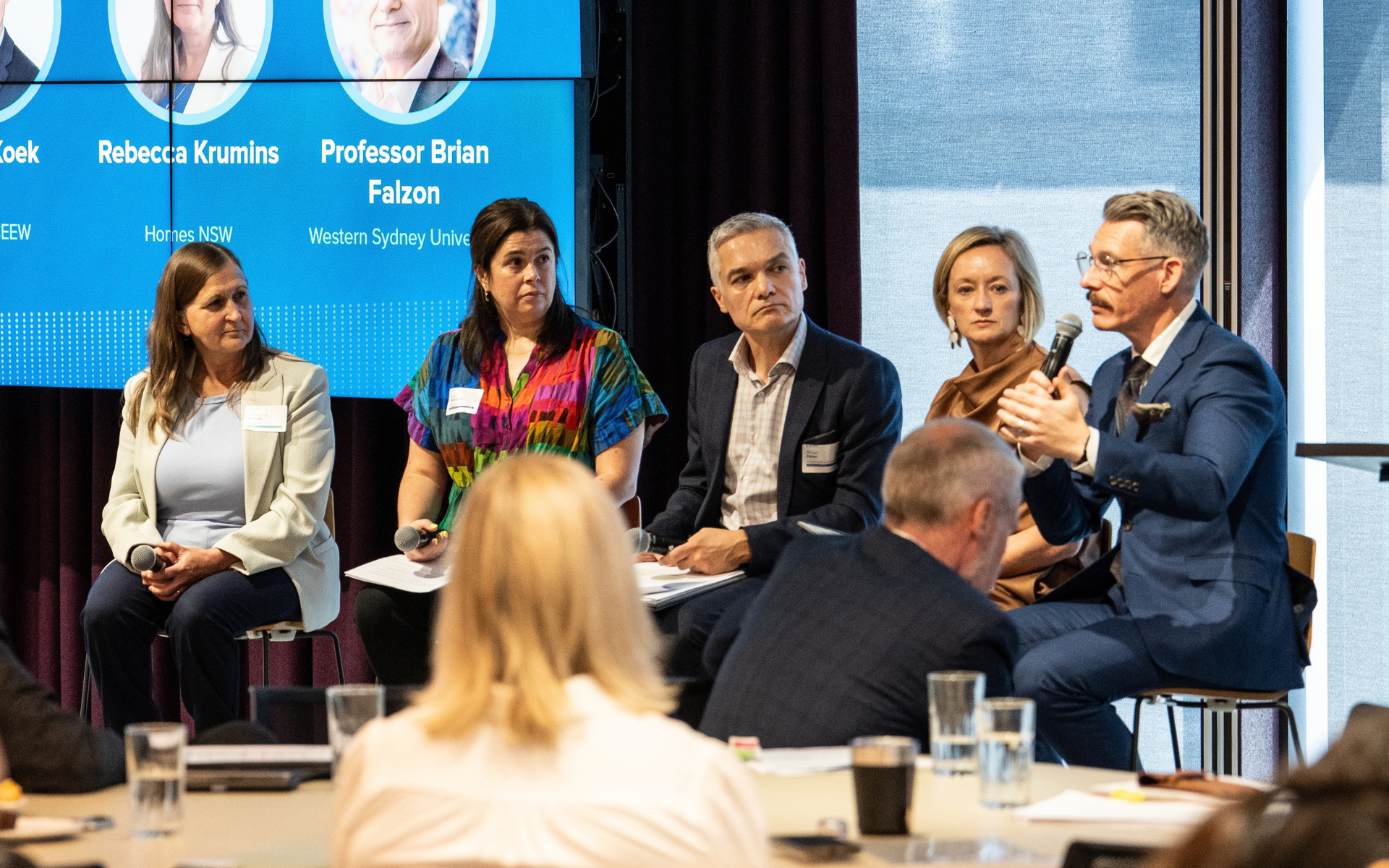
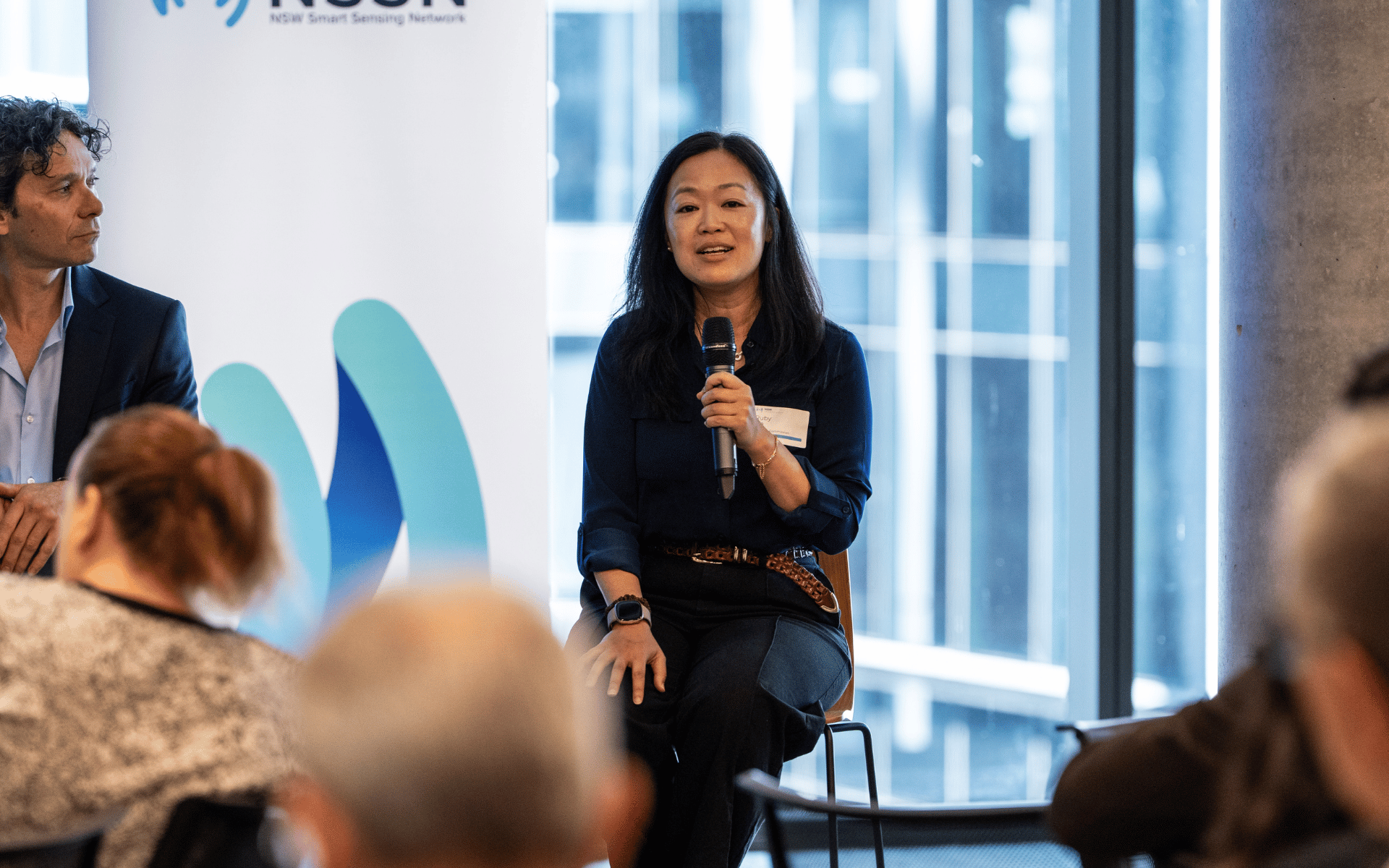
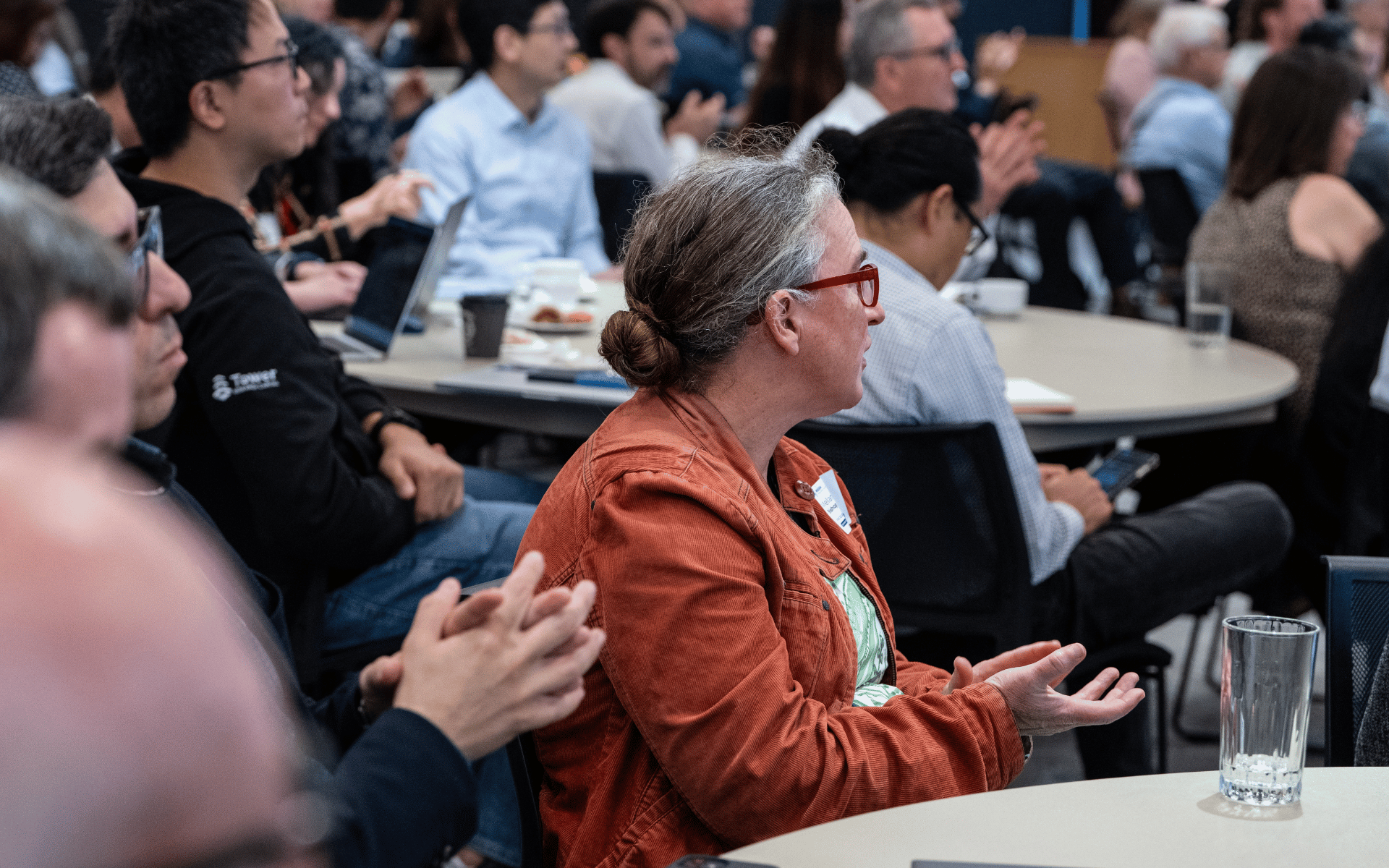
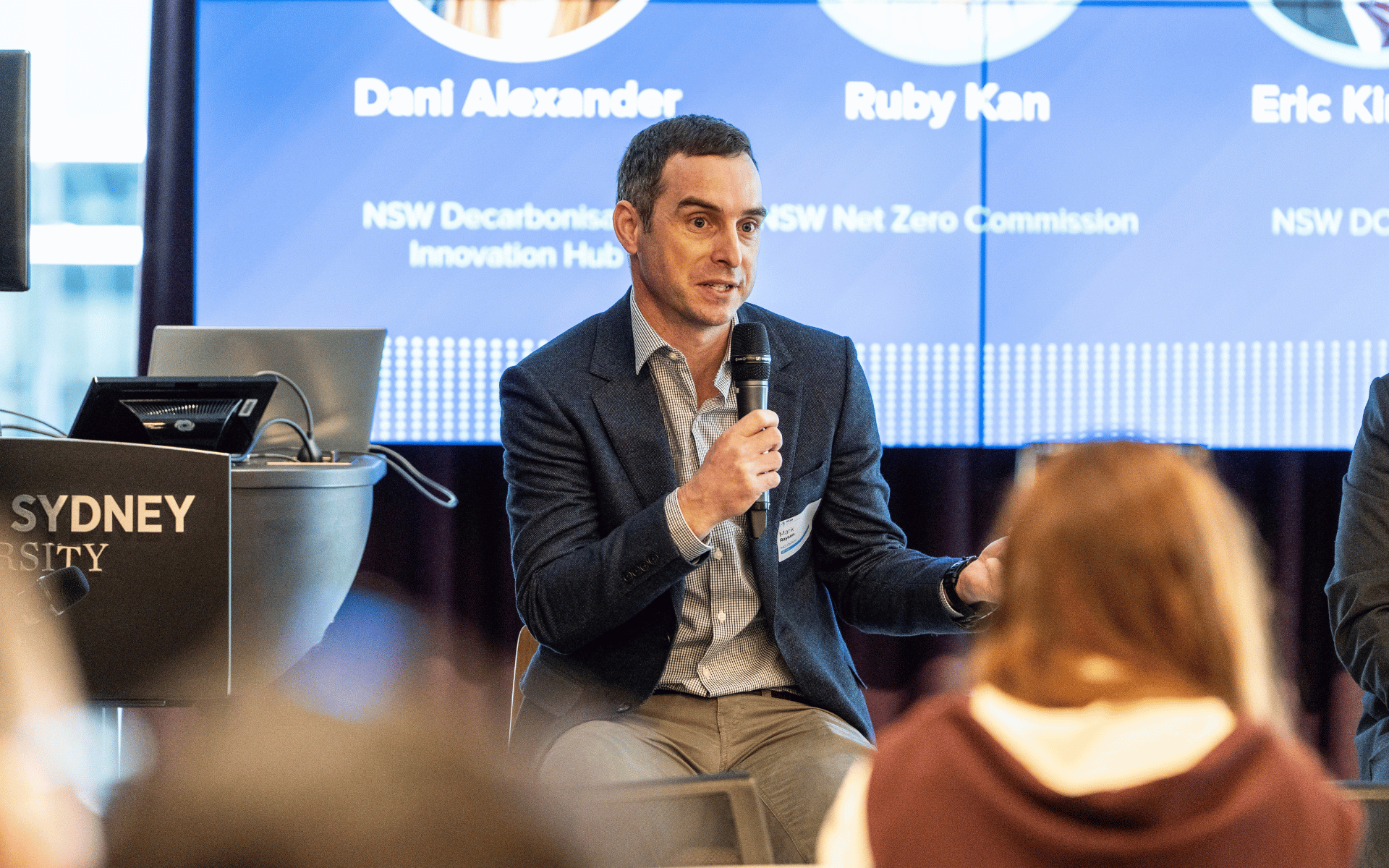
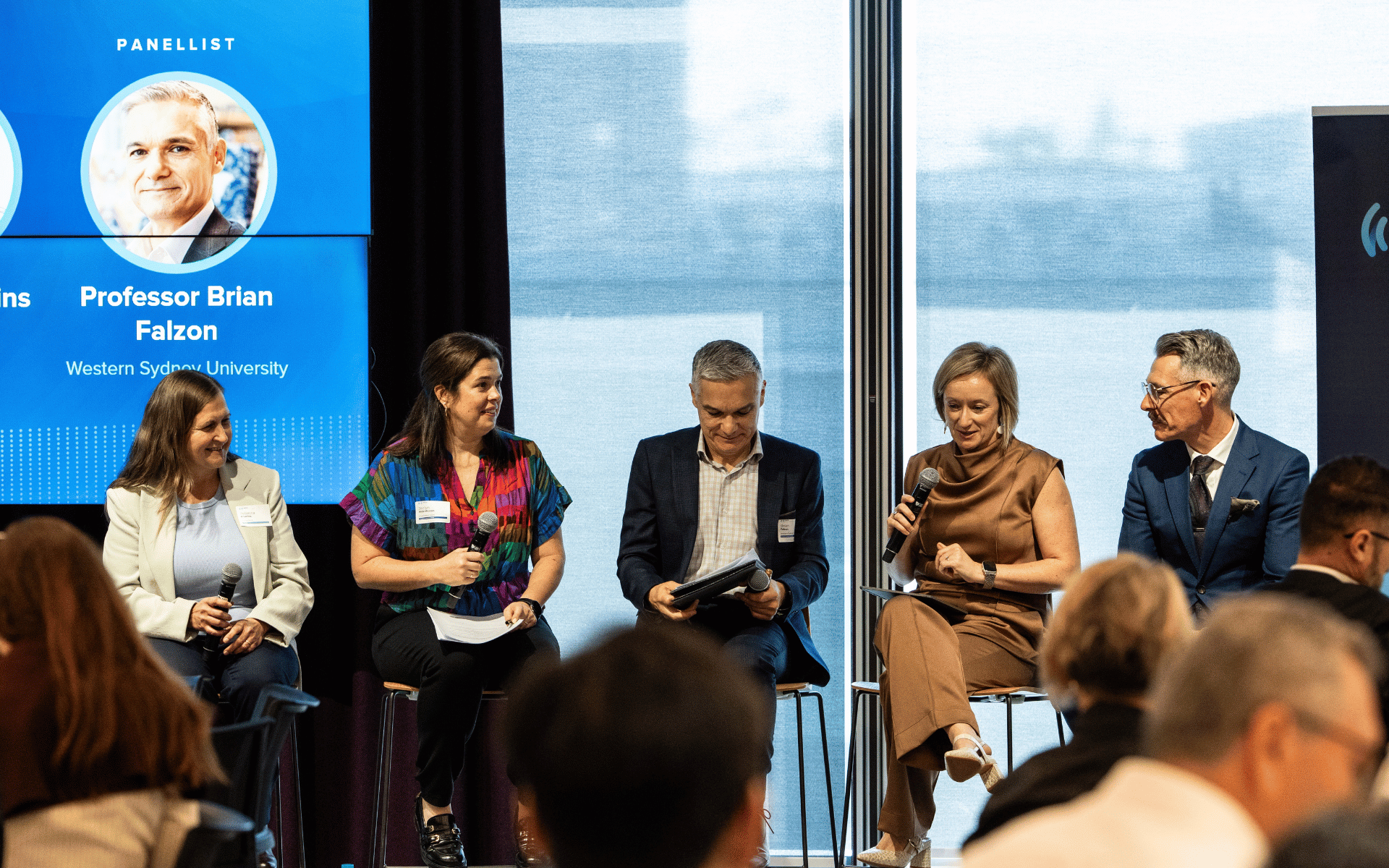
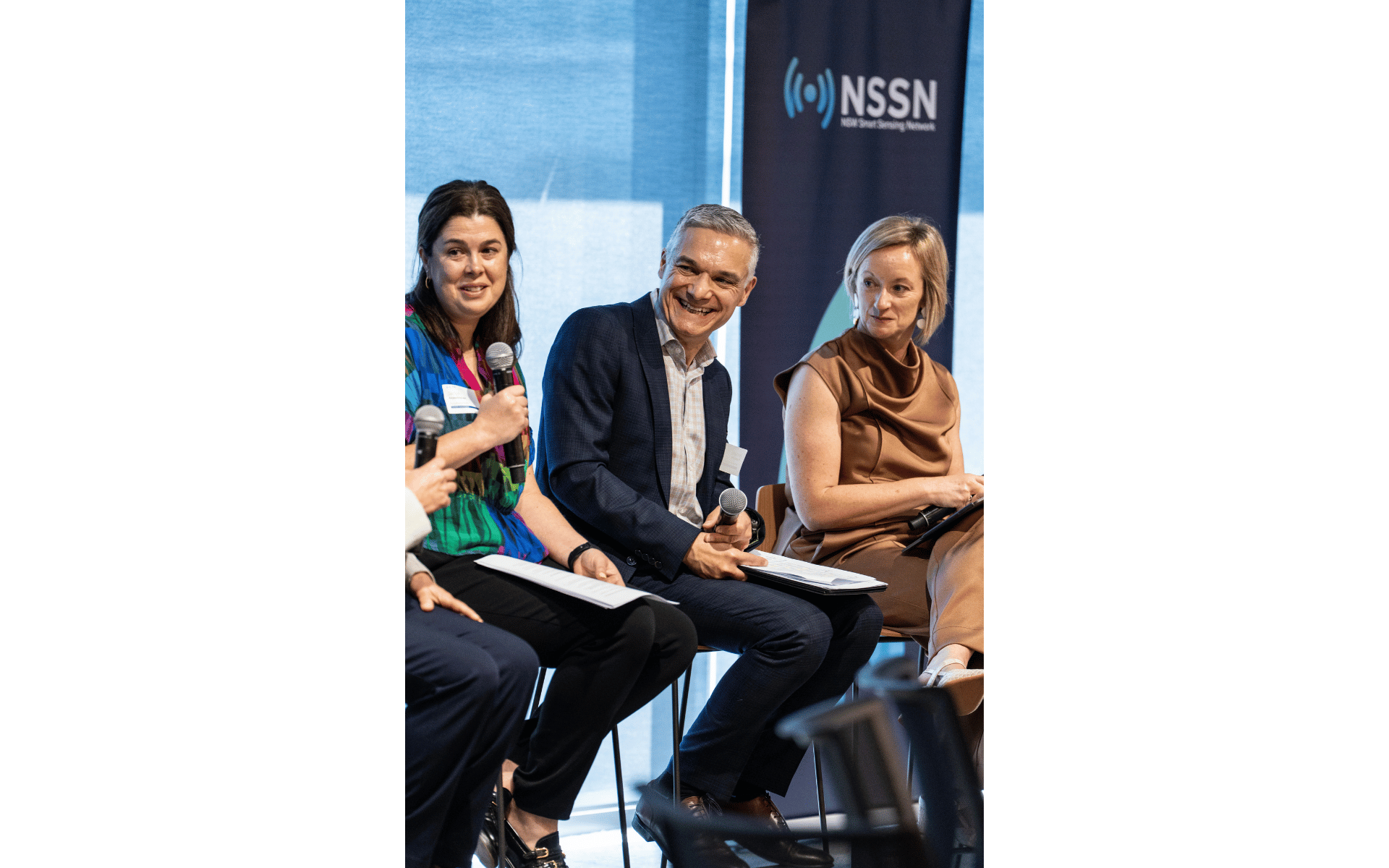
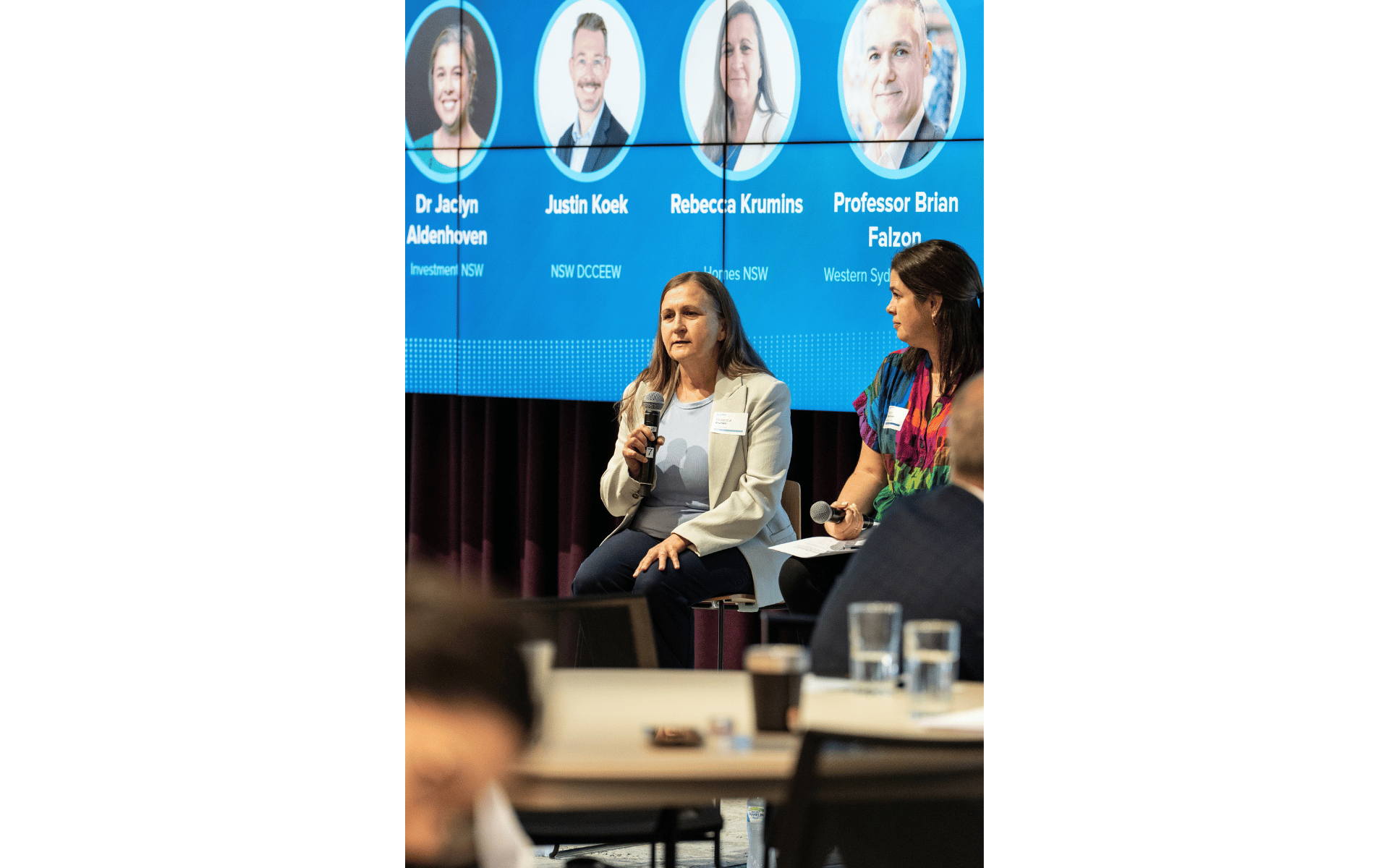
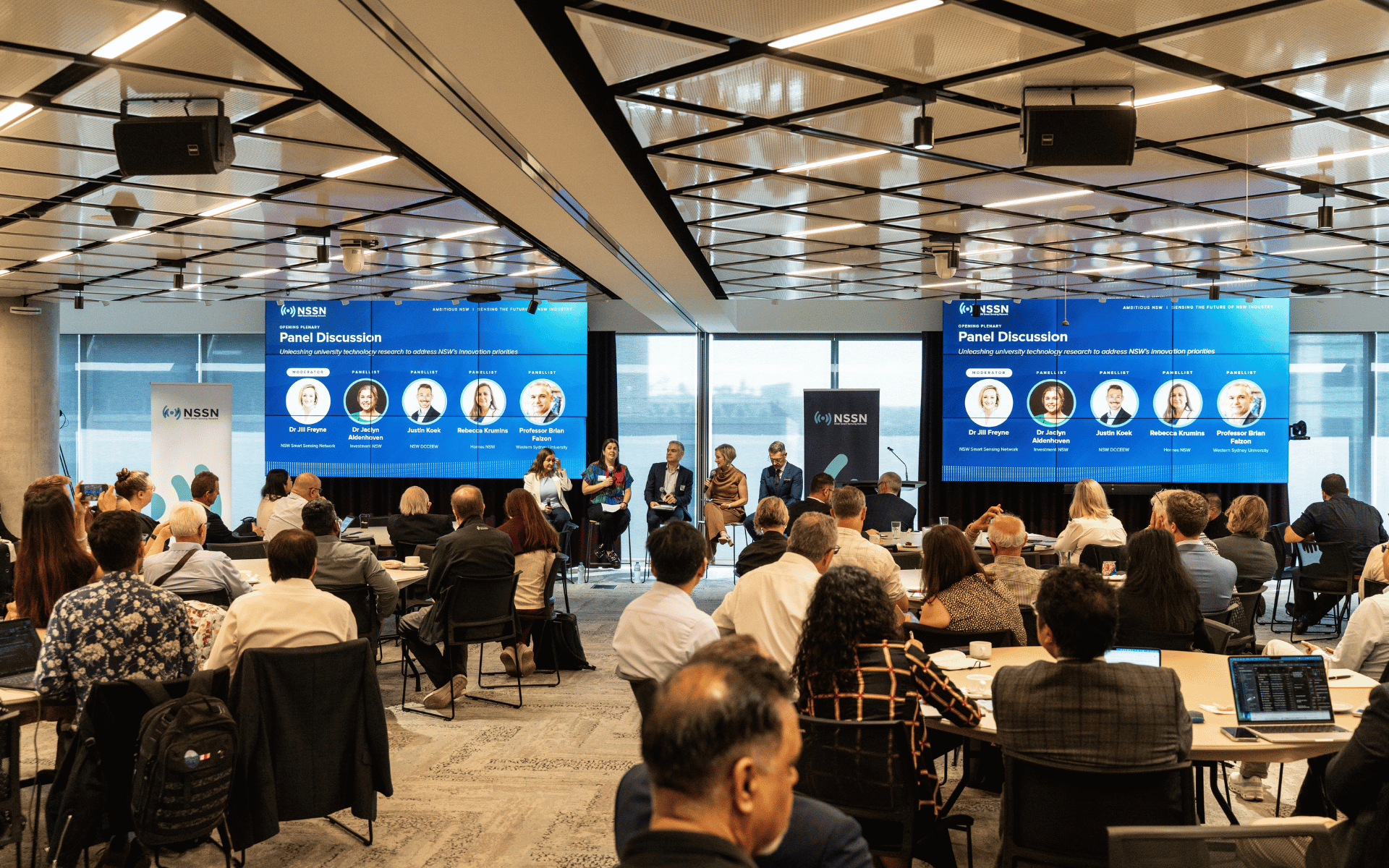
The opening plenary panel explored how university research and technology can help address NSW’s innovation priorities.
“That is a fantastic technology, which is probably a bit of a missed opportunity for us,” Prof Falzon said.
He also highlighted the award-winning SimPact project, which deployed around 250 sensors in Bicentennial Park to optimise irrigation and urban cooling and better understand microclimates, but has yet to progress from pilot to wider deployment.
Executive Director of Fostering Innovation at Investment NSW Jacqueline Aldenhoven said another major challenge was getting technologies that already exist adopted more widely by industry.
“A lot around manufacturing is that adoption,” she said. “How do we use the technology that already exists and how do we get that on the factory floor and adopted at scale?”
She said giving manufacturers opportunities to test and trial new technologies could help businesses understand their potential and build the confidence and capability needed for broader adoption.
Executive Director of Portfolio Asset Management at Homes NSW Rebecca Crummins said smart sensing could help transform the way the department manages its approximately 95,000 social housing properties, shifting maintenance from a reactive model towards prevention.
“We wait for people to call and say, this is what’s happened in my property,” she said. “There’s a cost that goes with being so reactive.”
She pointed to possibilities including moisture sensors that could help prevent mould, sewer sensors that identify blockages before they overflow, and digital twins that allow staff to identify emerging maintenance problems before something breaks.
“We can be much more proactive about what we do on a day-to-day basis,” she said.
Director of Net Zero Industry & Innovation at NSW DCCEEW Justin Koek said one of the biggest barriers to deploying new technology was overcoming perceptions of risk among potential adopters.
“When a lot of us in this room hear technology and innovation and we hear solution to a problem, there is a very large cohort of people out there who hear risk and cost,” he said.
He identified methane detection, industrial decarbonisation and climate adaptation as three areas where smarter sensing could have significant impact: from pinpointing sources of methane emissions and improving industrial efficiency to identifying communities and infrastructure most vulnerable to a changing climate.
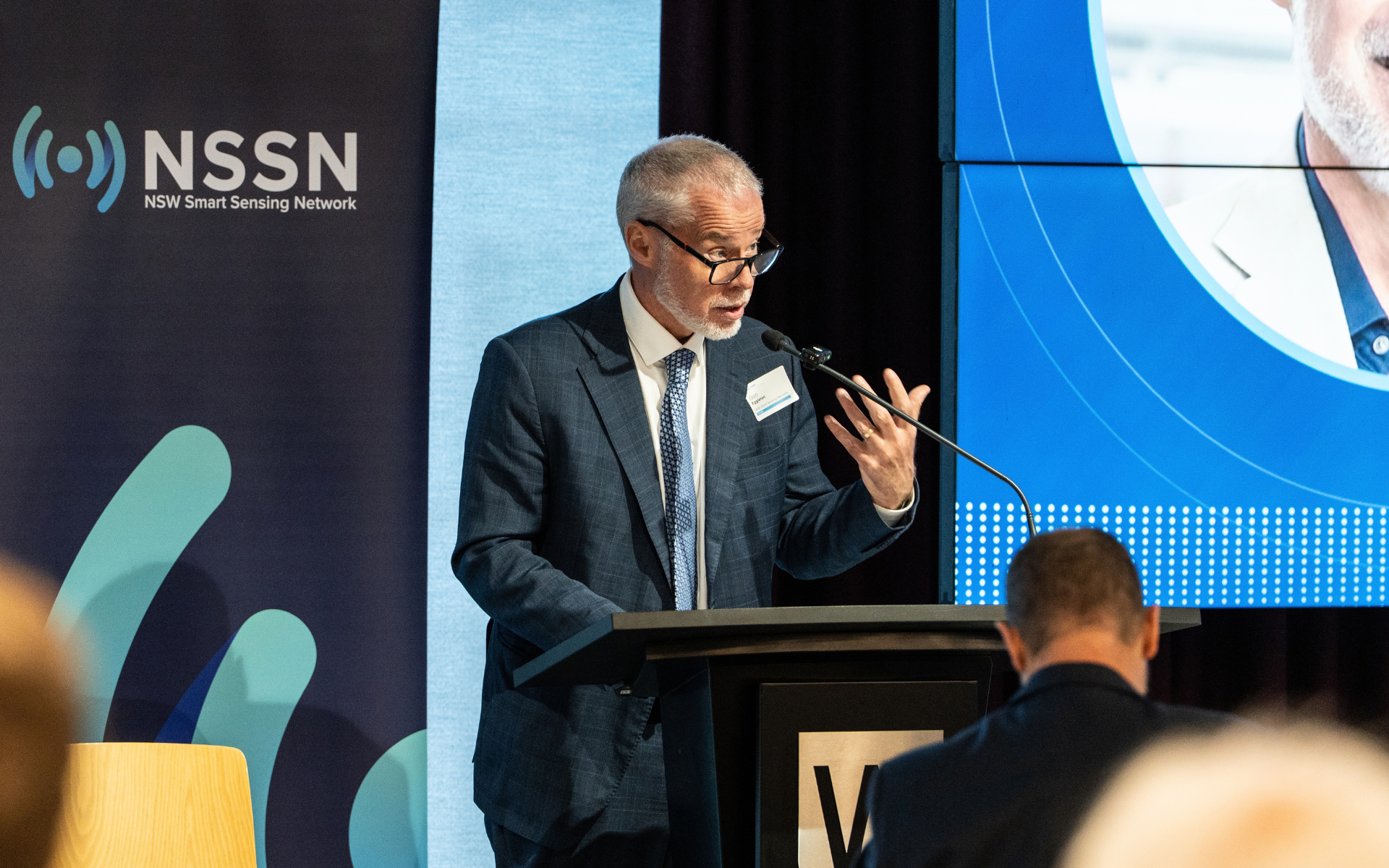
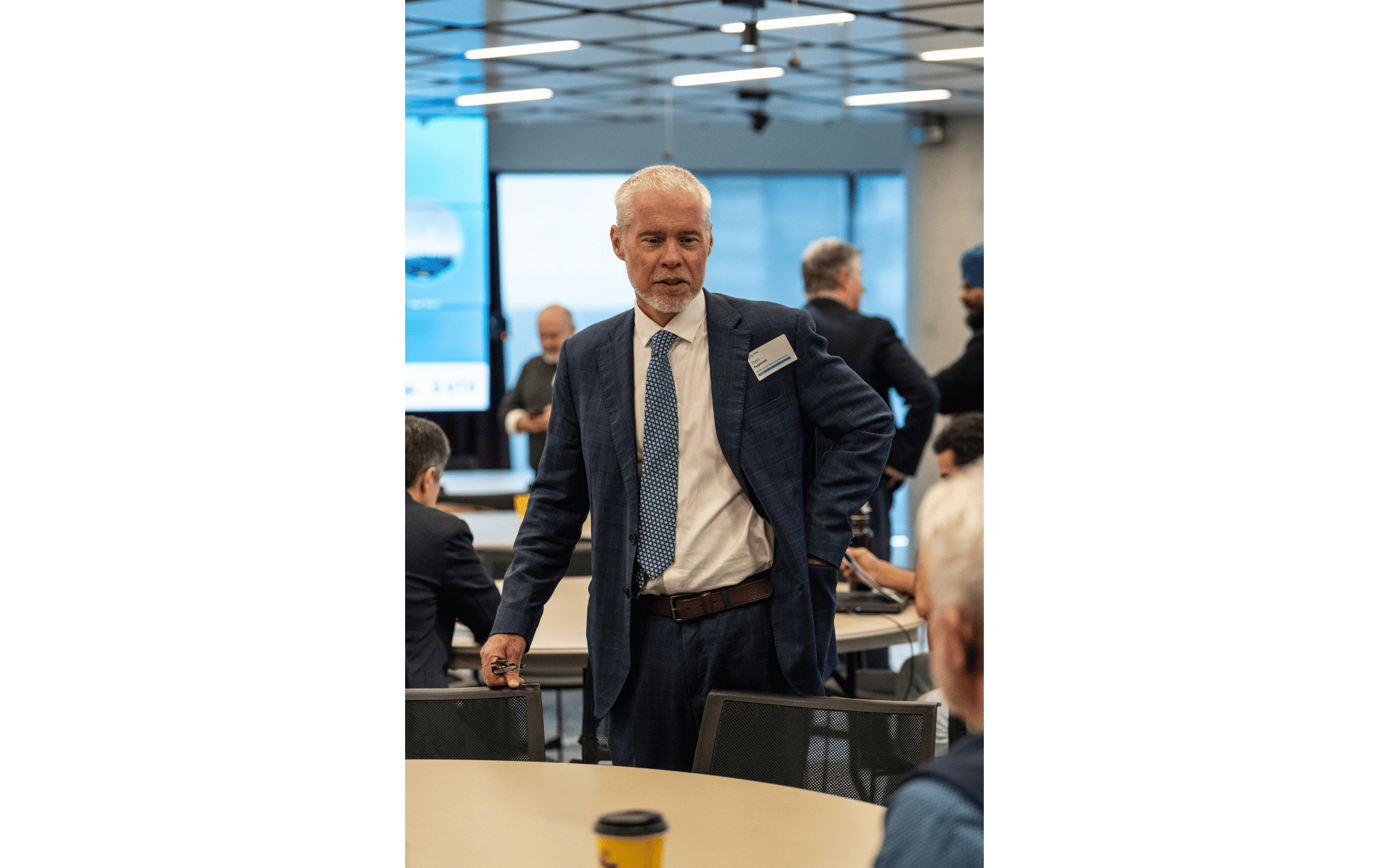
NSSN Co-Director Prof Benjamin Eggleton
NSSN Co-Director Professor Ben Eggleton said the workshop was designed to turn the ideas generated on the day into collaborative R&D projects.
He said combining sensors with communications networks, data platforms, edge computing and artificial intelligence could turn real-time observations into actionable insights and support better decision-making.
“The measure of success isn’t simply whether we have had some interesting conversations today … it is what happens after today,” he said.
NSSN Co-Director Professor Julien Epps said the NSSN would build on the ideas and connections sparked at the event to forge partnerships, unlock funding and turn opportunities into collaborative R&D projects that deliver real-world impact.
“Today was never meant to be just about talk … we want you to be inspired to continue the ideas and the opportunities that we’ve sparked here today,” Prof Epps said.
“Please think about what next steps you can take, what partnerships you can build, what funding you can unlock, what teams you can build to turn ideas into action. For us at the NSSN, this is just the beginning.”
View our photo gallery for highlights from the day.