
The energy transition has a subsurface intelligence problem - and we’re still drilling blind
The energy transition depends on better understanding the earth’s subsurface for resources like geothermal energy, critical minerals and carbon storage, yet our ability to map deep underground remains limited. In this Thought Piece, NSSN Board Member and Director - Global Manufacturing Operational Excellence at Cochlear, Hebbat Manhy, says shared real-world testing infrastructure is needed to validate advanced sensing technologies which can reduce geological uncertainty and accelerate investment in net-zero projects.
The great irony of the 21st-century energy transition is that while we look to the sky for wind and sun, our success depends on how well we can see into the earth.
Whether it is geothermal baseload power, critical minerals for electric vehicles, or permanent carbon storage, the transition to net zero is fundamentally a subsurface intelligence play.
Yet our ability to map the deep earth lags far behind our ambitions. In too many cases, we are still drilling on probability rather than precision.
In deep geothermal exploration, a single borehole can cost between $7 million and $15 million. If it hits a productive thermal reservoir, it unlocks decades of zero-emissions power. Miss the target by a few hundred metres, and the capital is stranded.
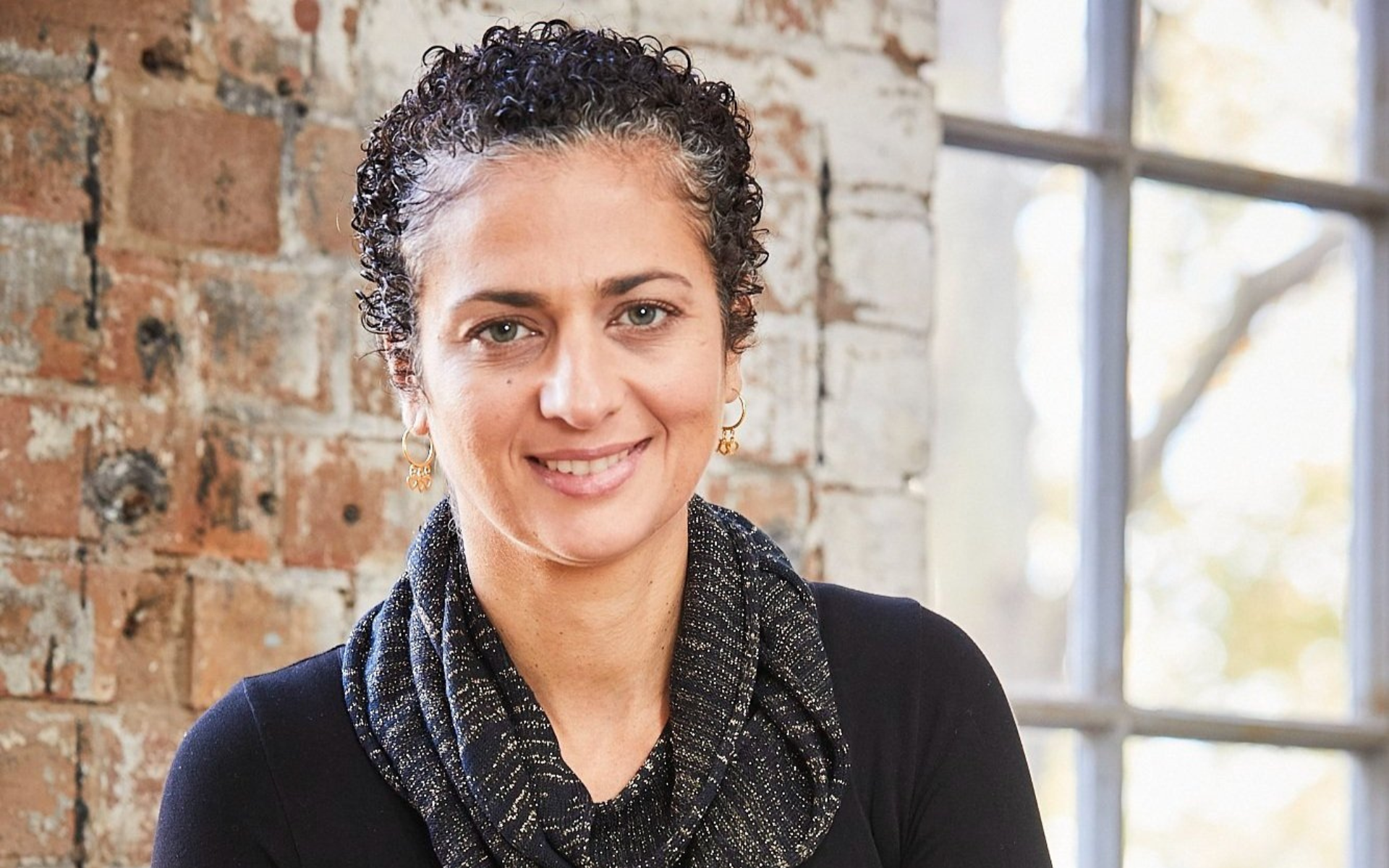
Hebbat Manhy. Credit: Supplied
Failure rates in new fields can exceed 50%. Multiply that across critical minerals, carbon storage, and underground hydrogen, and the cost of geological uncertainty runs into the billions.
The energy transition is capital-intensive. It cannot afford "poke-and-hope" geology.
A trillion-dollar blind spot
According to the International Energy Agency, investment in critical minerals, carbon capture, and geothermal must scale dramatically by 2050. Each depends on clear geological mapping before serious capital is deployed.
Urban infrastructure faces a similar hurdle. Tunnelling routinely hits unforeseen ground conditions that drive overruns measured in hundreds of millions. Geological uncertainty imposes a risk premium on everything built below ground.
Capital is available, but investors demand confidence. Reduce subsurface uncertainty even modestly, and projects move from marginal to bankable.
The validation gap
The technology to improve this picture is moving fast. Quantum sensors detect density variations deep underground.
Fibre-optic systems measure temperature and acoustic signals over kilometres. AI integrates these data streams into geological models.
In a lab, the physics is sound. The bottleneck is validation at industrial scale.
Sensors that work in clean rooms must survive three kilometres underground in high heat, humidity, pressure, and vibration.
This is where progress stalls. Universities build prototypes and mining companies operate sites, but few bridge the gap between a promising experiment and a reliable industrial tool.
It is a classic coordination failure: the systemic benefit of proving these sensors is immense, but no single company will fund the proving ground alone.
Without shared validation infrastructure—physical facilities to test technology in real-world conditions—inventions struggle to cross the "Valley of Death."
Why this infrastructure matters for businesses
For small sensing companies trying to scale, the economics of validation are brutal. Real-world certification can cost millions.
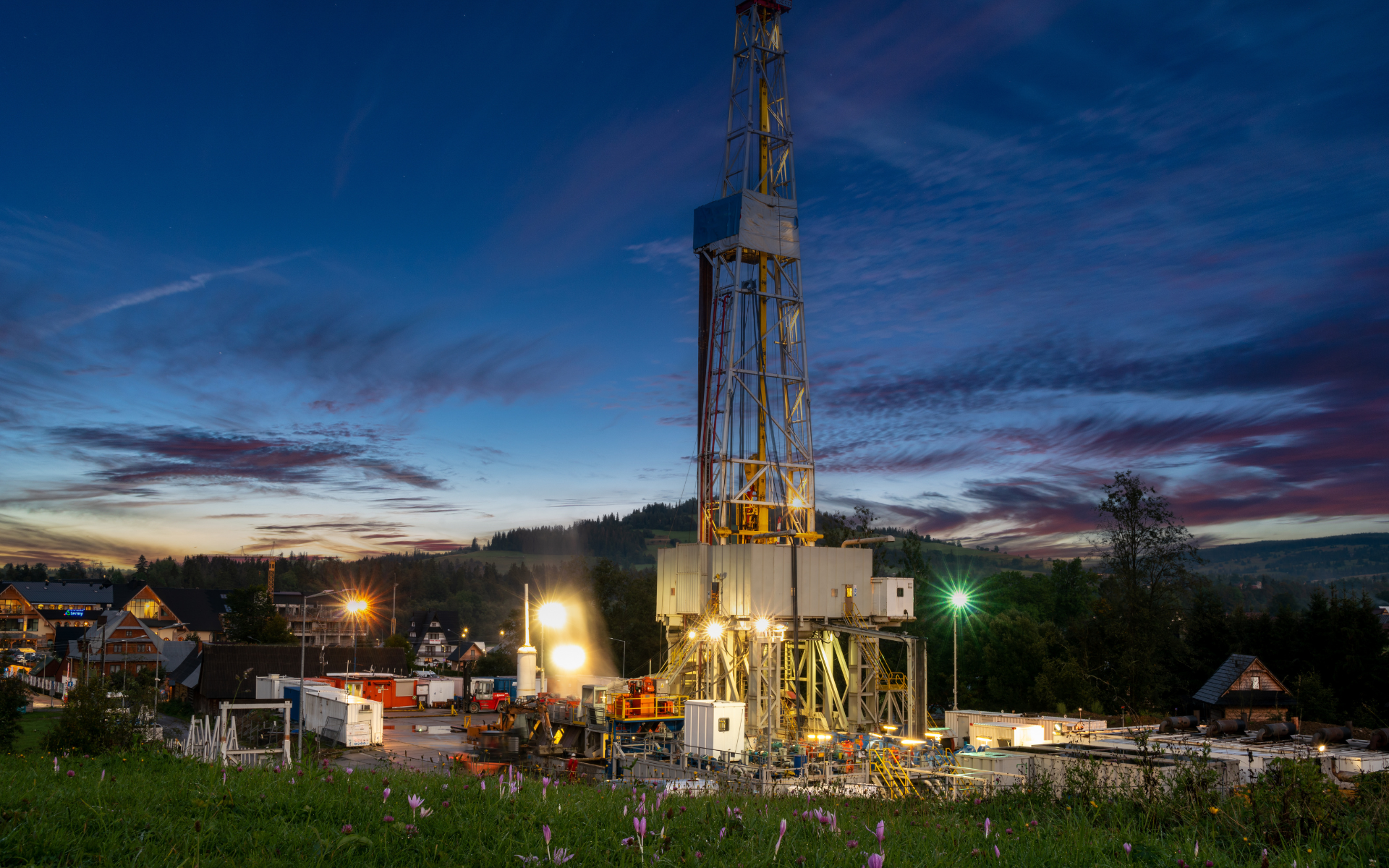
A single deep geothermal borehole can cost between $7 million and $15 million. “Miss the target by a few hundred metres, and the capital is stranded.” Credit: AdobeStock
Testing in a paying customer's operation means that customer must absorb disruption and iteration cycles. Most won't. Consequently, companies are forced to pursue certification based on laboratory or “field” testing. Investors know the difference.
Shared validation infrastructure changes the equation. It provides industrial-grade environments where technologies can fail, iterate, and improve without jeopardising commercial relationships.
Coupled with scale-up facilities like the Advanced Manufacturing Readiness Facility, it creates an end-to-end pathway from prototype to bankable product.
This isn't just about technical specs; it’s about founder resilience.
The stress of betting a company’s future on unproven technology in high-stakes environments is an existential risk.
A dedicated proving ground removes that layer of volatility, allowing founders to build stable supplier partnerships and system integrations away from the pressures of a live commercial site.
Why NSW is uniquely positioned
New South Wales combines assets rarely co-located. We have world-class research in quantum and photonics, extensive operating mines for extreme testing, and a century of expertise in complex engineering in harsh environments.
Through the NSW Smart Sensing Network, this research is already linked to industry.
The NSSN's 2026 Grand Challenge Fund targets sensing solutions for Net Zero.
What remains missing is the physical "bridge" - testbeds where multiple technologies can be proven simultaneously without disrupting production.
There is a successful precedent. When NSW identified world-class RNA research but lacked pilot manufacturing, government-backed shared infrastructure stepped in.
This allowed technologies to be validated locally before attracting private capital. The principle is simple: de-risk early, crowd-in investment later.
A strategic choice
The global market for subsurface intelligence will flow to jurisdictions that can reduce geological risk. Capital does not reward ambition; it rewards certainty.
An investment of $30 million to $50 million in shared validation infrastructure would be modest compared to trillions committed to the global transition. Yet the impact on project timelines and business survival rates would be massive.
Regions like the Hunter Valley and Illawarra, currently transitioning from coal and steel, possess the exact industrial expertise required to host such facilities.
A validation hub would build on existing capability while creating a new, high-tech economic anchor.
The transition to net zero will not be limited by shortage of sunlight or wind. It will be limited by execution risk.
NSW has the expertise to lead. The question is whether we build the bridge between lab and reality - or import the technology later, at a premium.
The drilling will continue. The only question is whether we keep drilling blind.