
World-first newborn test could detect hearing problems in under a minute
Australia has one of the world’s leading newborn hearing screening programs, but the most comprehensive test is relatively time-consuming and requires sensors to be placed on a baby’s head.
Now, a project led by Macquarie University researchers is developing a faster, simpler hearing test that could check both the ear and the nerve carrying sound to the brain in less than a minute, using just a tiny microphone placed in the ear.
The team’s goal is to reduce the test time from around six minutes to less than one minute while maintaining the high level of accuracy needed for newborn hearing screening.
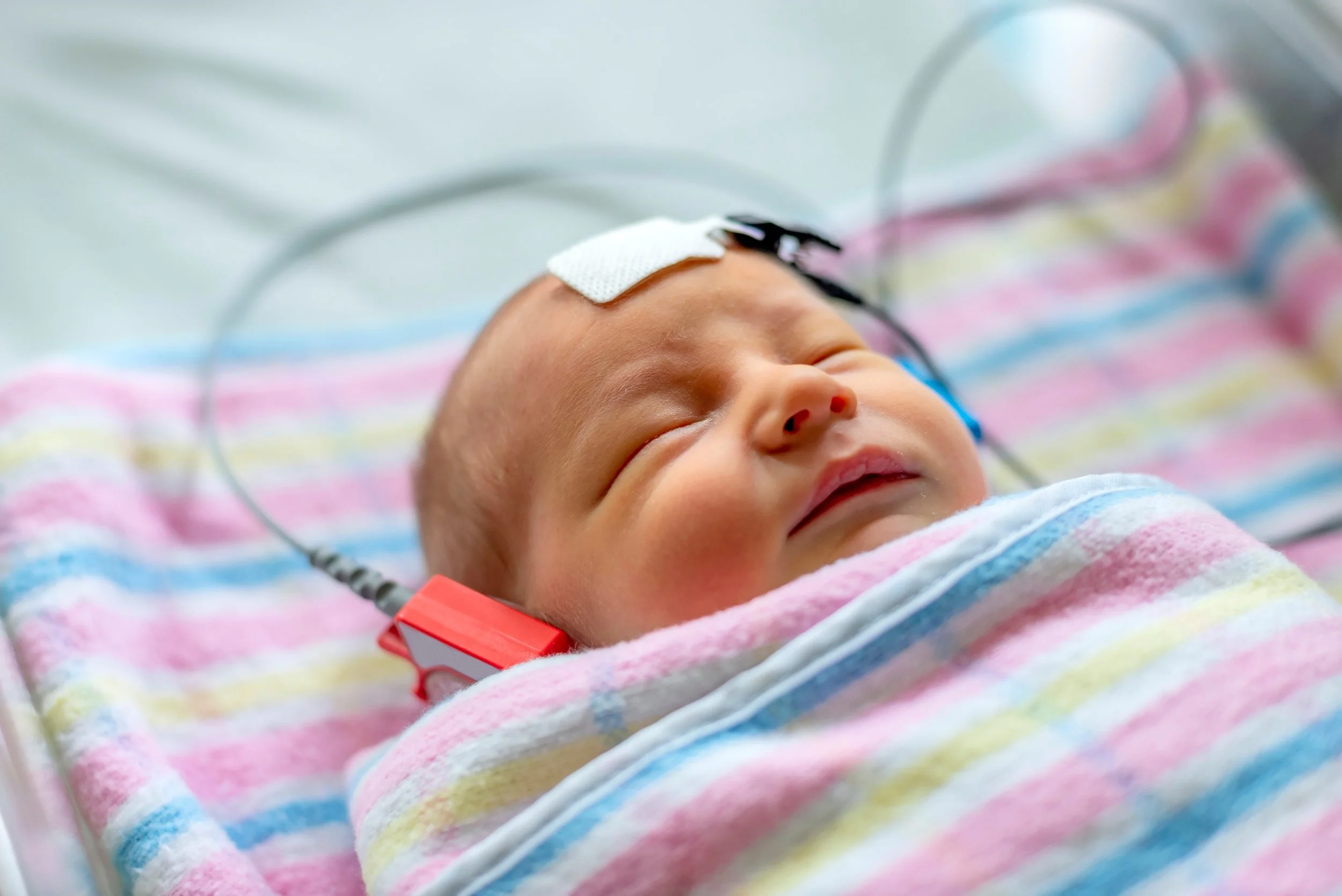
The most comprehensive newborn hearing test is relatively time-consuming and requires sensors to be placed on a baby’s head. Credit: AdobeStock
The NSSN Grand Challenge Fund project, Transformative Ear Sensing for Fast, Low-Cost Diagnostics, is being led by hearing scientist and audiologist Dr Sriram Boothalingam from Macquarie University’s Hearing Research Centre.
“Around 10 to 15 per cent of babies diagnosed with hearing loss at birth have a problem with the hearing nerve, and these are the babies that simpler screening tests can miss,” Dr Boothalingam says.
“Our goal is to develop a test that is as simple and fast as an ear test but still gives us the information we need to identify those children as early as possible.”
The new approach aims to combine the speed and simplicity of an ear-based test with the accuracy of current nerve testing, without the need for scalp sensors.
“Finding hearing loss early can make a lifelong difference to a child’s speech and language development,” Dr Boothalingam says.
“Australia has one of the world’s leading newborn hearing screening programs, but it costs around $22.6 million or more a year to deliver.
“We want to make that same high standard of screening faster, simpler and more affordable, so more children can benefit from early detection, wherever they live.”
If successful, the new test could potentially save Australia an estimated $7–11 million a year while maintaining high diagnostic performance.
It could also make accurate hearing screening easier to deliver in remote First Nations communities and low- and middle-income countries, where access to current testing can be limited by cost, equipment and specialist resources.
A world-first approach
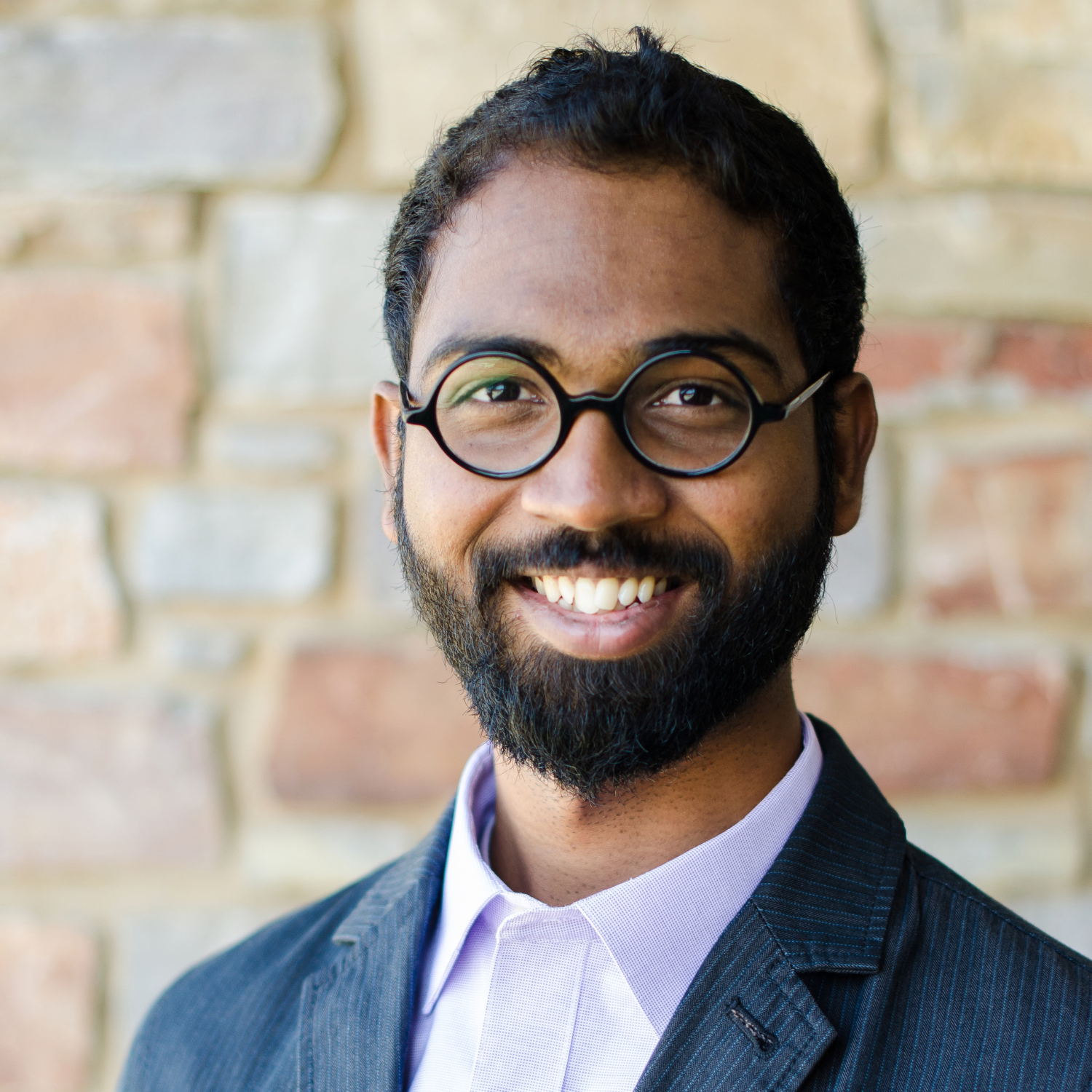
Dr Sriram Boothalingam. Credit: Supplied
Dr Boothalingam says the test uses a tiny loudspeaker to play sounds into the ear and a sensitive microphone to listen for the faint echo produced by the inner ear.
The researchers have found that subtle changes in this echo can also provide clues about whether the nerve pathway carrying sound to the brain is functioning properly.
What makes the approach different is that it uses the same simple ear-based measurement that could provide information about both the inner ear and the auditory nerve pathway, something conventional hearing screening cannot currently do.
The idea has its roots in Dr Boothalingam’s PhD research into how the brain and ear communicate.
During his postdoctoral research work with Prof. Sumit Dhar at Northwestern University, USA, about a decade ago, he discovered that carefully changing the way sounds were presented could reveal information about the neural pathway as well as the ear itself.
That insight ultimately led to the patented screening technique being further developed today. Dr Boothalingam’s Macquarie Team consists of postdoctoral fellow Dr François Deloche, and math and statistics professors Georgy Sofronov and Thomas Fung, along with hearing scientists Dr Fadwa Alnafjan and Lisa Maggs.
From research to the clinic
With the underlying technique already patented, the next step is to make the test faster, more accurate and ready for clinical use.
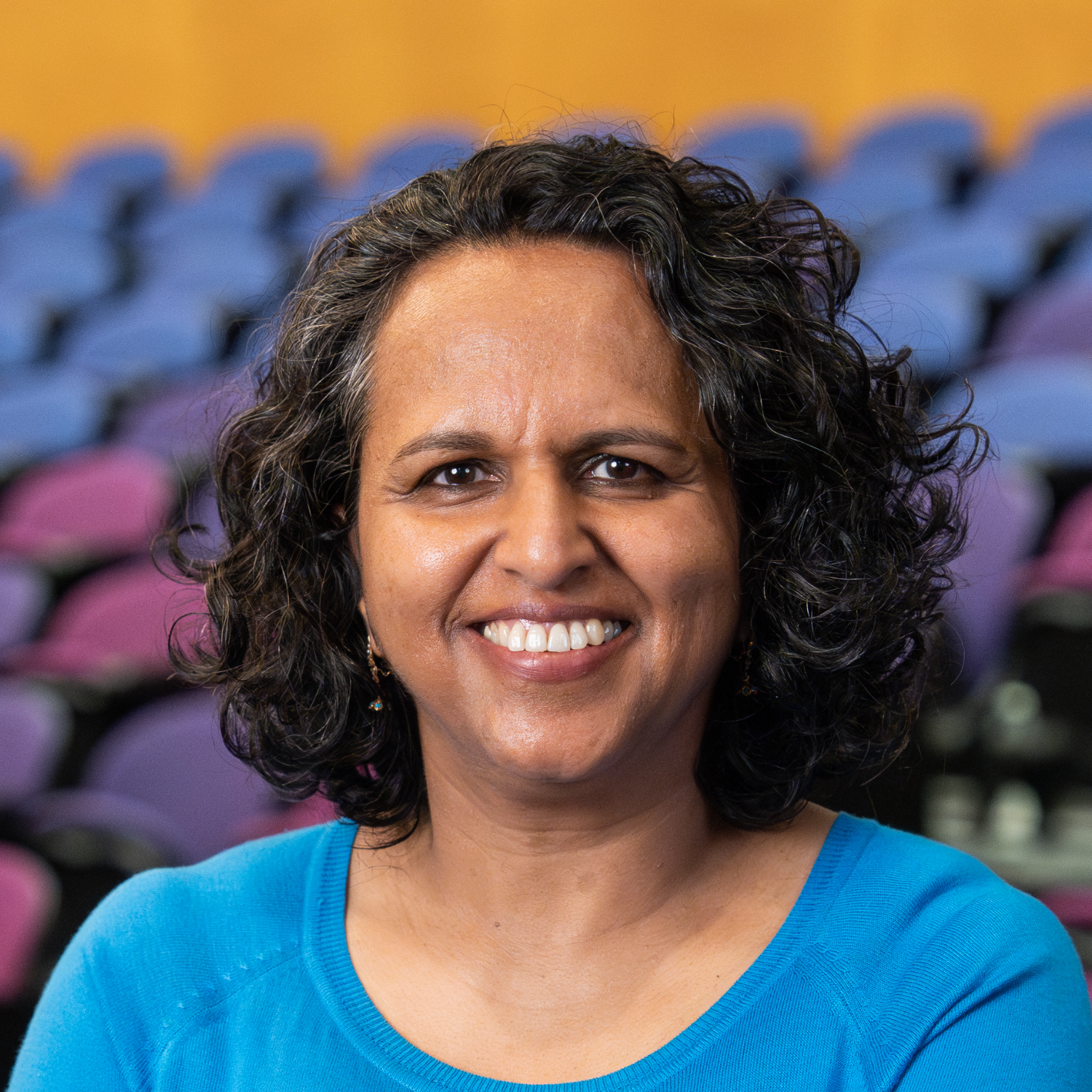
Associate Professor Beena Ahmed. Credit: Supplied
UNSW biomedical signal processing experts Associate Professor Beena Ahmed and A/Prof Tara Hamilton are helping the team improve both the speed and accuracy of the test, including how quickly sounds can be delivered to the ear and how rapidly the resulting signals can be analysed.
“The signals we are trying to detect are incredibly faint, so the challenge is to separate the information we need from all the background noise and do that as quickly and reliably as possible,” Dr Ahmed says.
“By combining advanced signal processing with statistical and machine learning techniques, we hope to make the test fast enough for routine clinical use without compromising its accuracy.”
The test could also help audiologists identify where in the hearing pathway a problem may lie, potentially reducing unnecessary tests, repeat appointments and the time taken to reach a diagnosis.
It could also have applications beyond newborn screening, including assessing older children in audiology clinics.
NSSN Human Health Theme Lead Catherine Oates Smith says the project demonstrates the potential for smart sensing to make sophisticated health technologies simpler and more accessible.
“This project has the potential to take a sophisticated newborn diagnostic test and make it faster, simpler and much more accessible,” she says.
“It’s a great example of how smart sensing, combined with expertise across hearing science, engineering and industry, can help translate research into better newborn health outcomes.”
“The significance of this test for newborn hearing diagnosis and the subsequent opportunity for prevention and remedial action for these babies is immense and has worldwide significance.”
Building a pathway to clinical use
The project brings together expertise from across research, clinical hearing care and industry.
Macquarie University and the National Acoustic Laboratories, one of the world's oldest and leading hearing science institutions, are contributing hearing research, clinical expertise and existing data collected from children with different types of hearing loss.
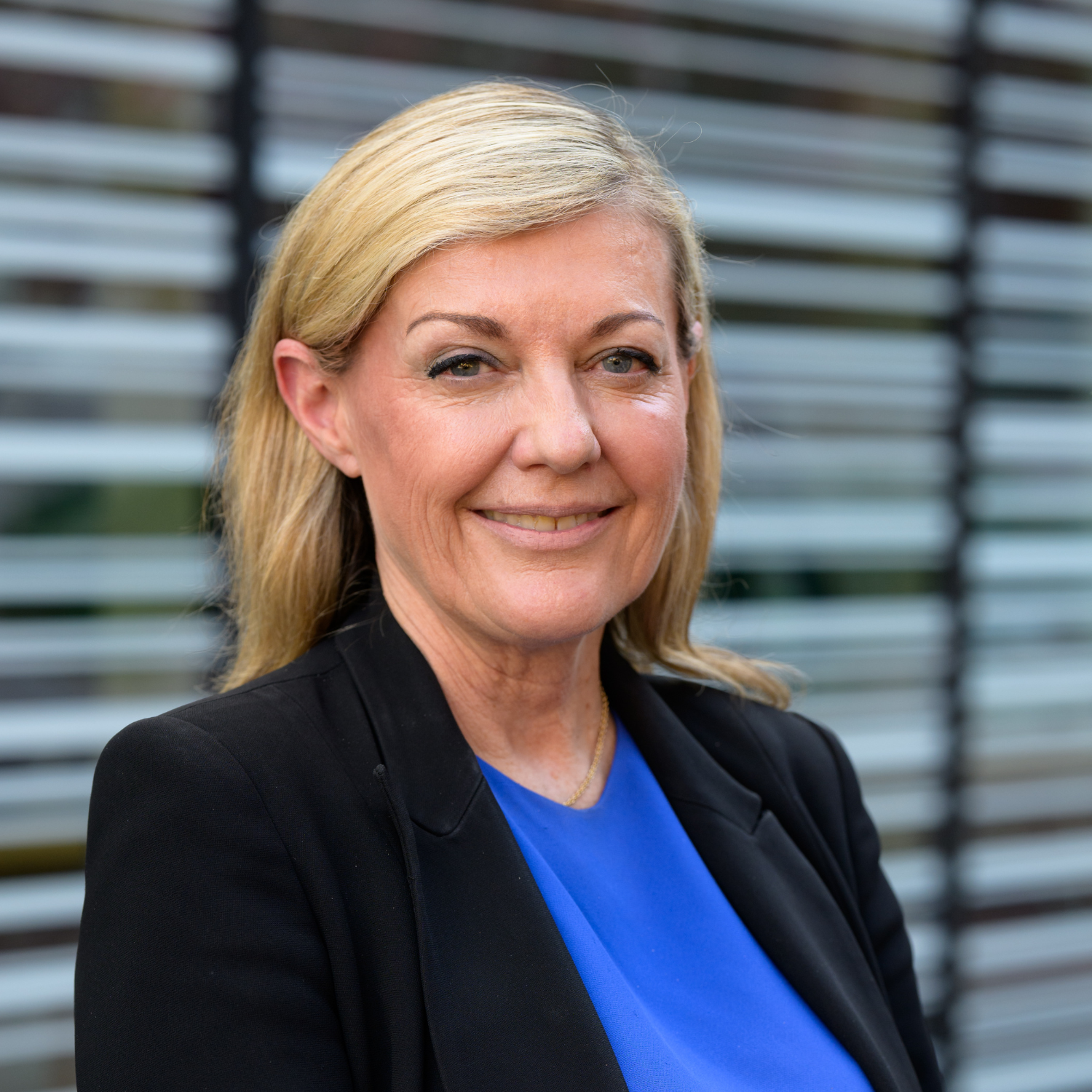
Catherine Oates Smith. Credit: Supplied
UNSW researchers are bringing expertise in biomedical signal processing, statistics and machine learning, while University of Iowa collaborator Professor Shawn Goodman is helping the team distinguish between different reasons a hearing response may be absent: for example, whether sound is not reaching the inner ear properly or there is a problem within the inner ear itself.
Cochlear is providing matching funding and supporting the project’s goal of improving early identification of hearing loss.
US-based Intelligent Hearing Systems, which already manufactures hearing-testing equipment used internationally, is also working with the researchers on the pathway to translation. There is a potential pathway for the new software to be incorporated into existing hearing-testing devices rather than requiring an entirely new system to be developed.
The next step is to refine the algorithms, demonstrate that the test can achieve accuracy comparable with current nerve testing, reduce the testing time to less than a minute and begin evaluating how it could be incorporated into equipment used by clinicians.
“If we can make this as accurate as the current gold standard, but faster, simpler and more affordable, the opportunity is to take a test developed here in Australia and make high-quality hearing screening accessible to many more children around the world,” Dr Boothalingam says.