
Illawarra technology start-up Bored Owl's journey from identifying a gap in research capabilities to developing a practical solution was shared by Co-Founder Jonathan Masters at the NSSN’s Sensing Industry Connect at the University of Wollongong's iAccelerate innovation hub last week.
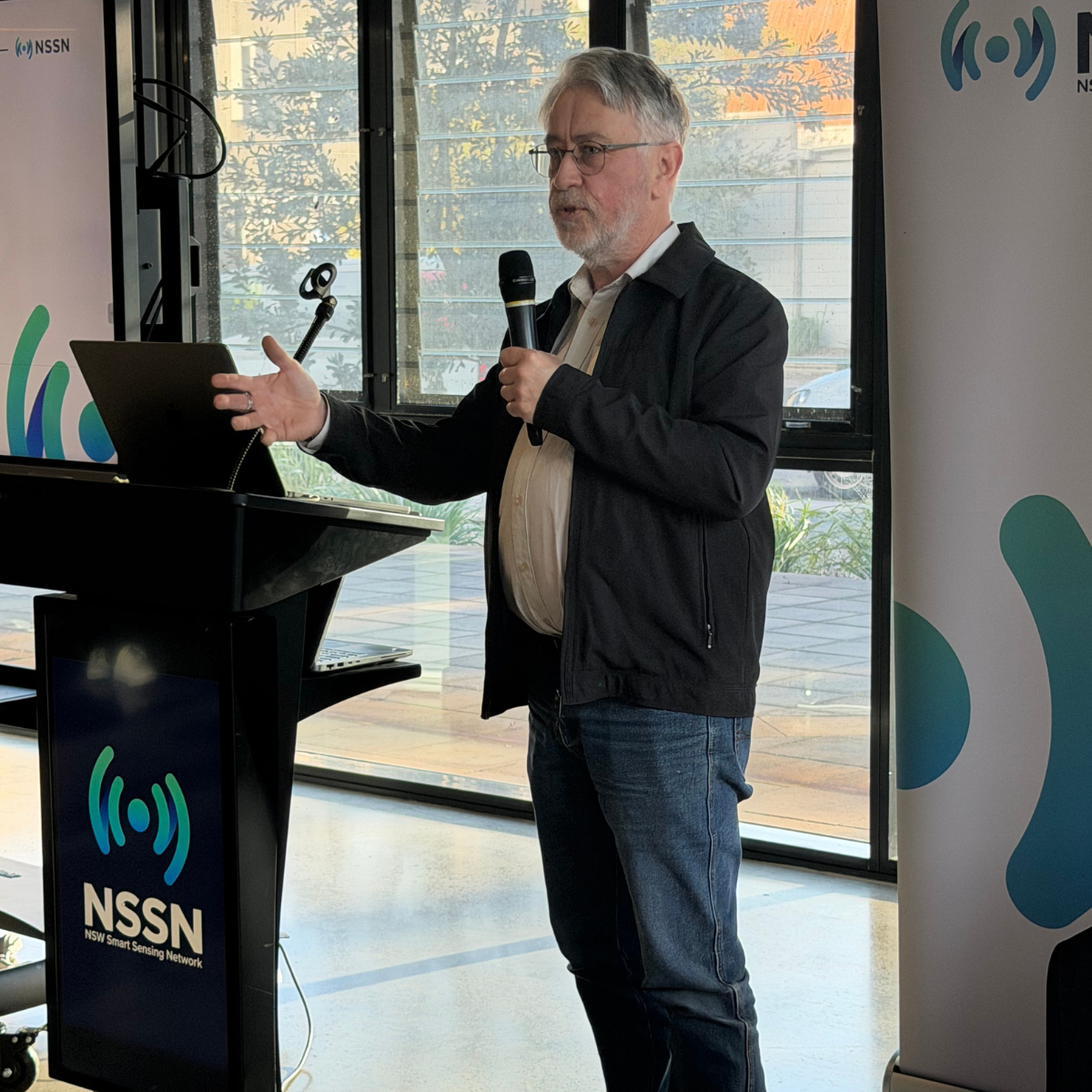
Bored Owl Co-Founder Jonathan Masters speaking at NSSN Sensing Industry Connect.
Bored Owl has developed EDDIE, a plug-and-play system that makes it easier for scientists and engineers to connect sensors, collect data and run experiments without building complex systems from scratch.
Before co-founding Bored Owl, Mr Masters spent much of his career developing products for industrial applications, including working with industrial robotics in automotive manufacturing facilities in Melbourne and Adelaide.
He later joined CSIRO, where he identified a gap between researchers' scientific expertise and the technical skills needed to build and operate measurement systems.
“I felt there was a gap between how researchers implemented their ideas, got experiments going and acquired the equipment they needed to collect data, and what their actual expertise and skills were,” Mr Masters told the audience.
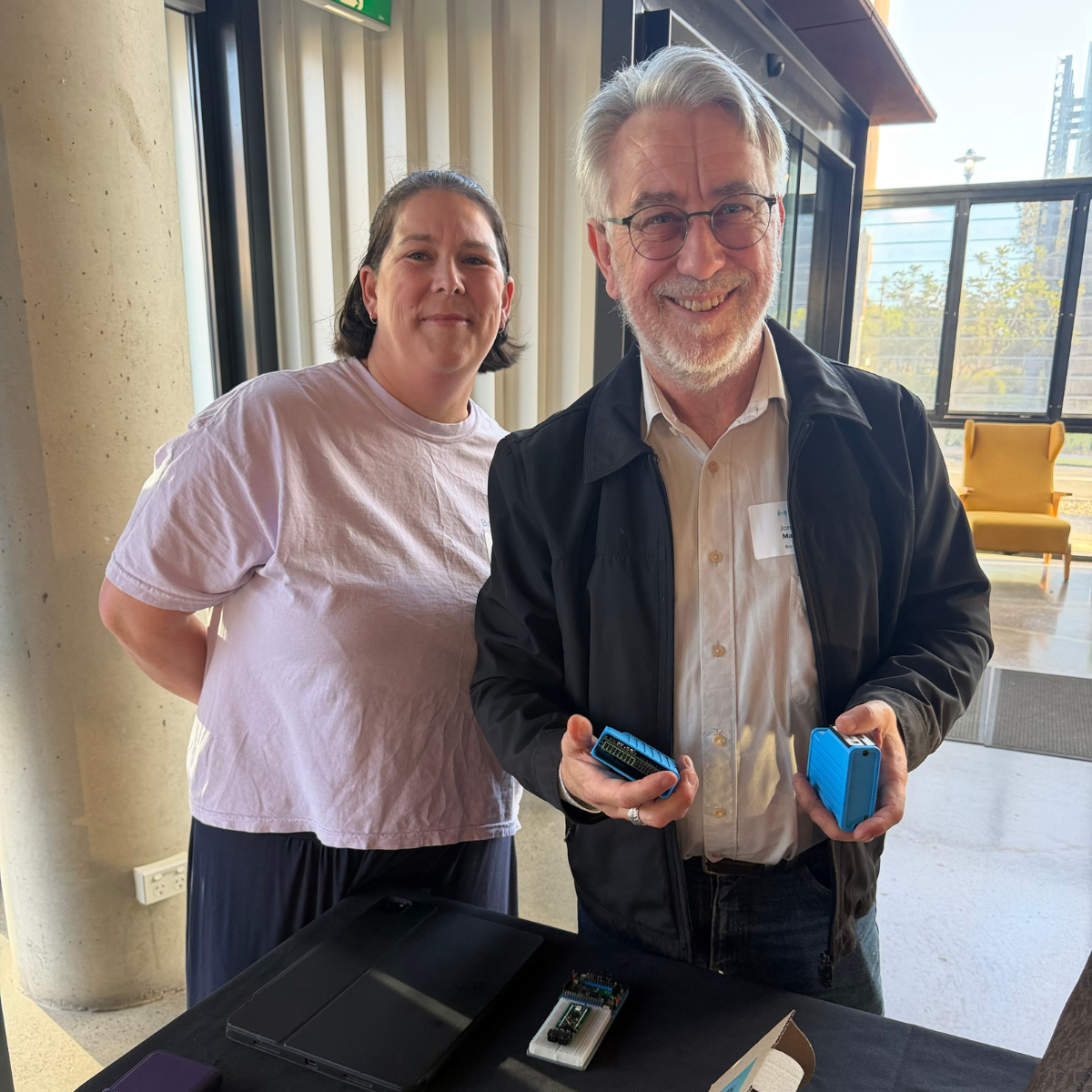
Bored Owl Co-Founders Patricia Giang (right) and Jonathan Masters, holding an EDDIE device.
EDDIE addresses this challenge by providing an off-the-shelf, modular solution that allows scientists and engineers to build measurement systems quickly, without starting from scratch.
Its flexible design enables users to develop and test individual components of an experiment before integrating them into a complete system. It also makes systems easier to maintain and adapt as research projects evolve, and team members change.
“We really want to build a product that gives you a way of expressing the problem in a language that you understand, that plugs things together that work, so you can get an outcome really quickly,” Mr Masters said.
EDDIE in action: Supporting wind turbine research
At the University of Wollongong's Fluids Lab, researcher Charlotte Mills, working with Professor Buyung Kosasih, has used Bored Owl's TurbineDAQ system to investigate how wind turbines behave during experiments in a wind tunnel.
The researchers needed to measure the turbine's rotational speed with enough precision to understand how the position of individual blades affected its performance.
Using EDDIE's modular technology, they were able to collect detailed measurements, reduce interference in the data and transfer the results directly to MATLAB software for further analysis.
The system combined connected hardware modules with Bored Owl's desktop software, allowing researchers to measure, record and display data through a single application.
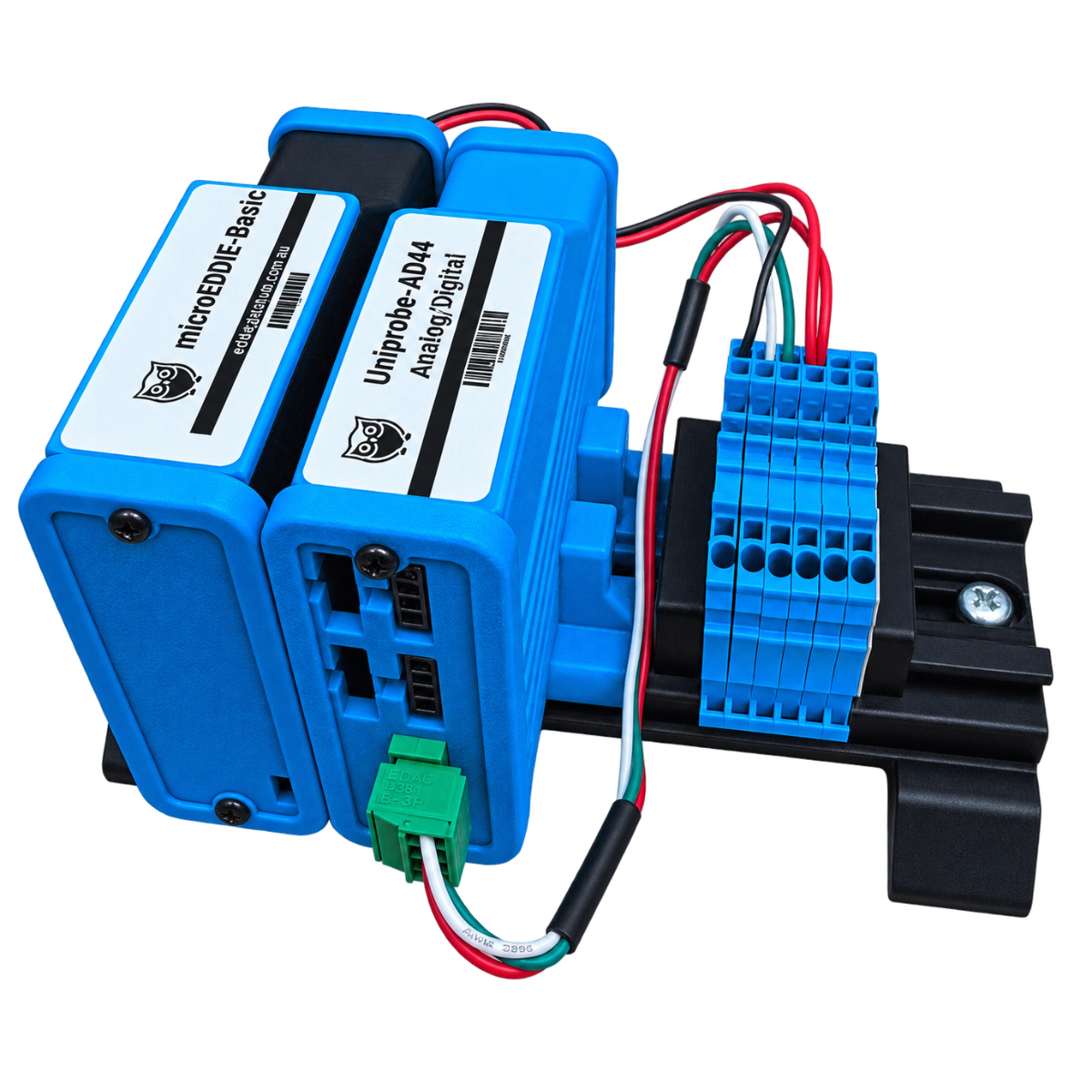

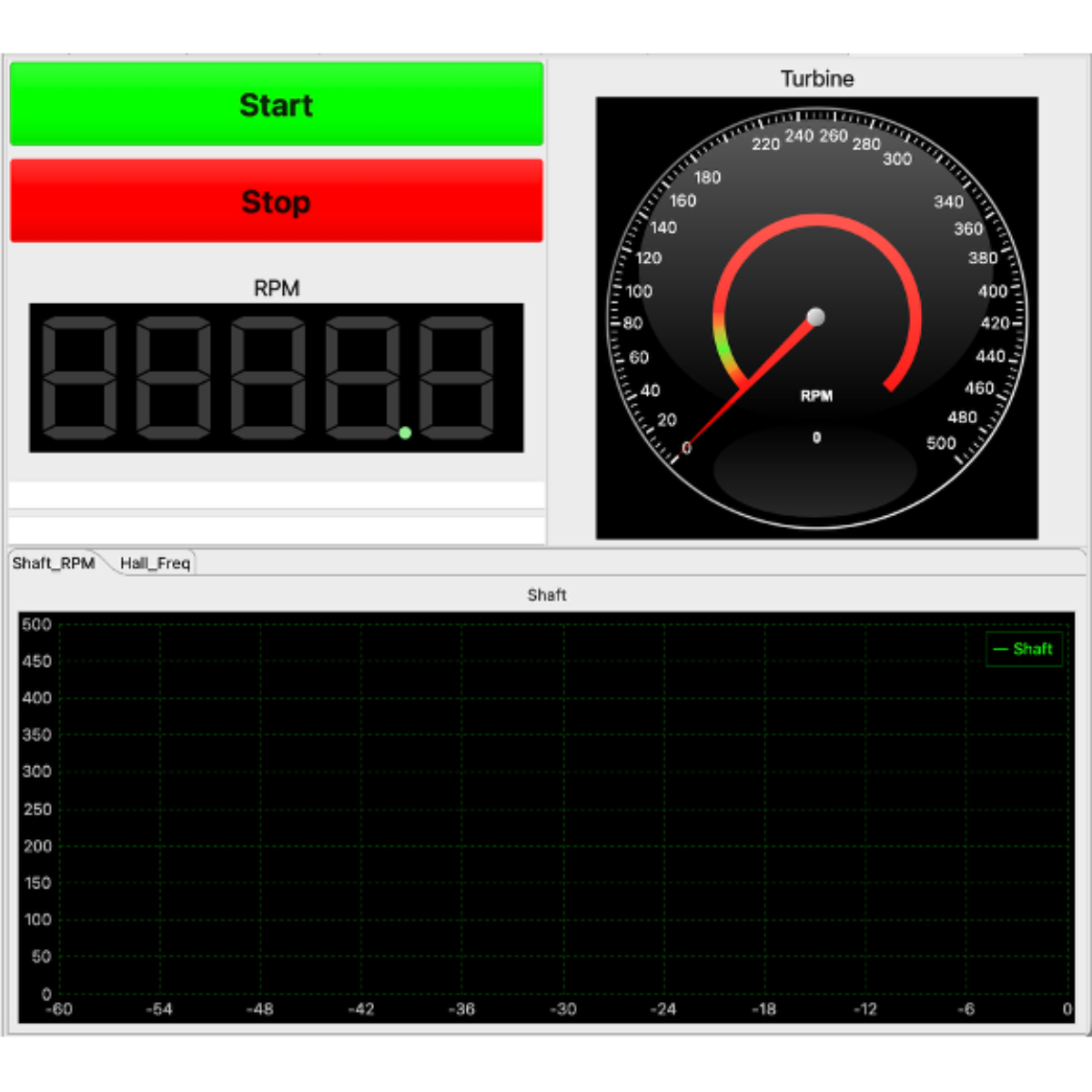
Bored Owl’s TurbineDAQ system (left), used in wind turbine research at the University of Wollongong, combines modular sensing hardware with software to measure, display (right) and record turbine rotational speed.
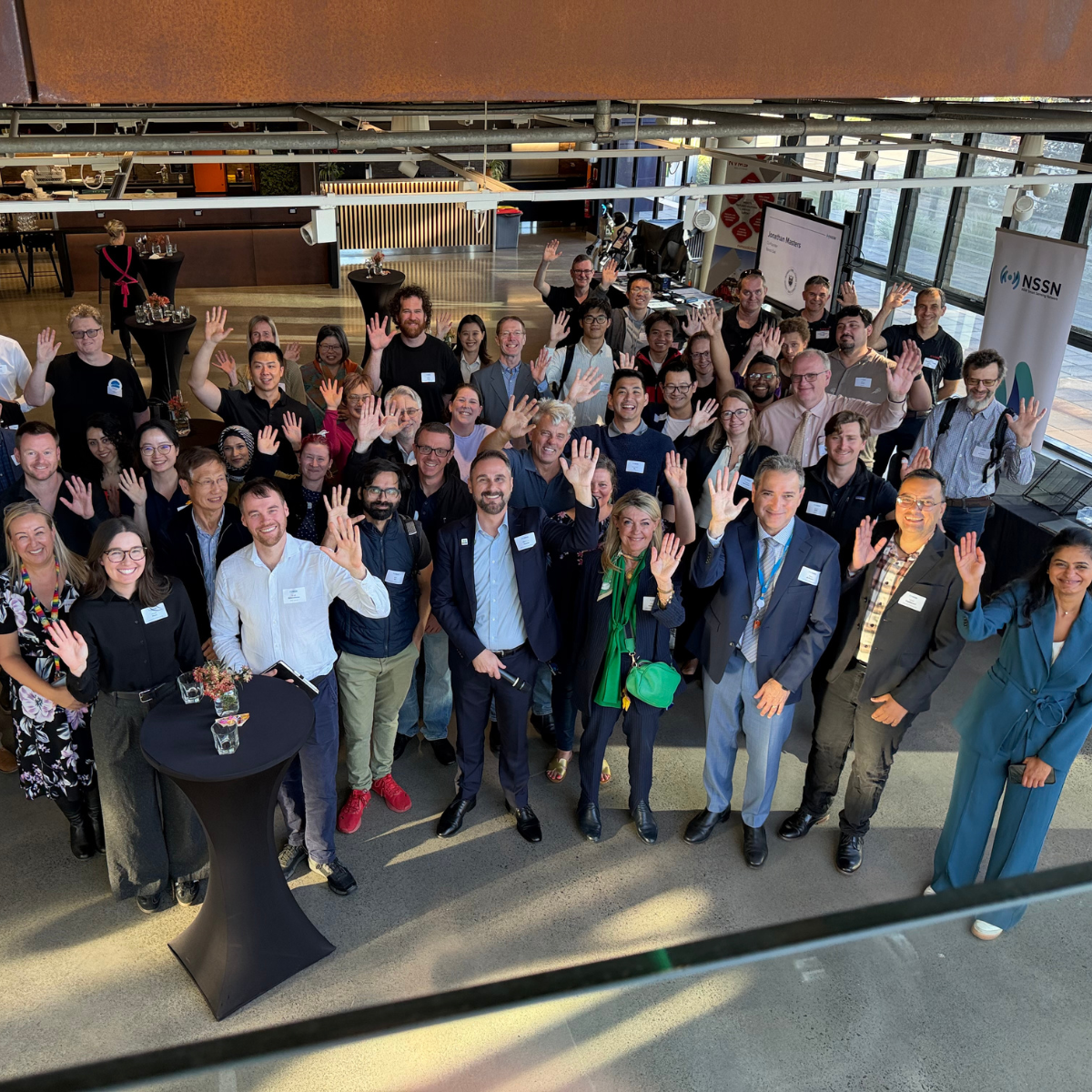
More than 50 people attended the Sensing Industry Connect at University of Wollongong’s iAccelerate.
The quality of the measurements, together with the speed and ease of data collection, provided researchers with a practical way to examine turbine behaviour in greater detail.
The system is now set to be expanded following a request from Professor Kosasih to measure torque and shaft load while controlling turbine speed.
Bored Owl is preparing to add further modules to the existing system, demonstrating how EDDIE can be adapted as research requirements evolve without having to rebuild the measurement system from scratch.
Supporting innovation across research and industry
Mr Masters said EDDIE is particularly suited to researchers and businesses developing new ideas and testing innovative concepts.
“It’s really ideally suited to people who are trying to get an idea working,” he said.
By simplifying sensor integration, equipment control and data collection, EDDIE aims to reduce development time and costs, helping researchers and businesses turn innovative ideas into practical solutions faster.
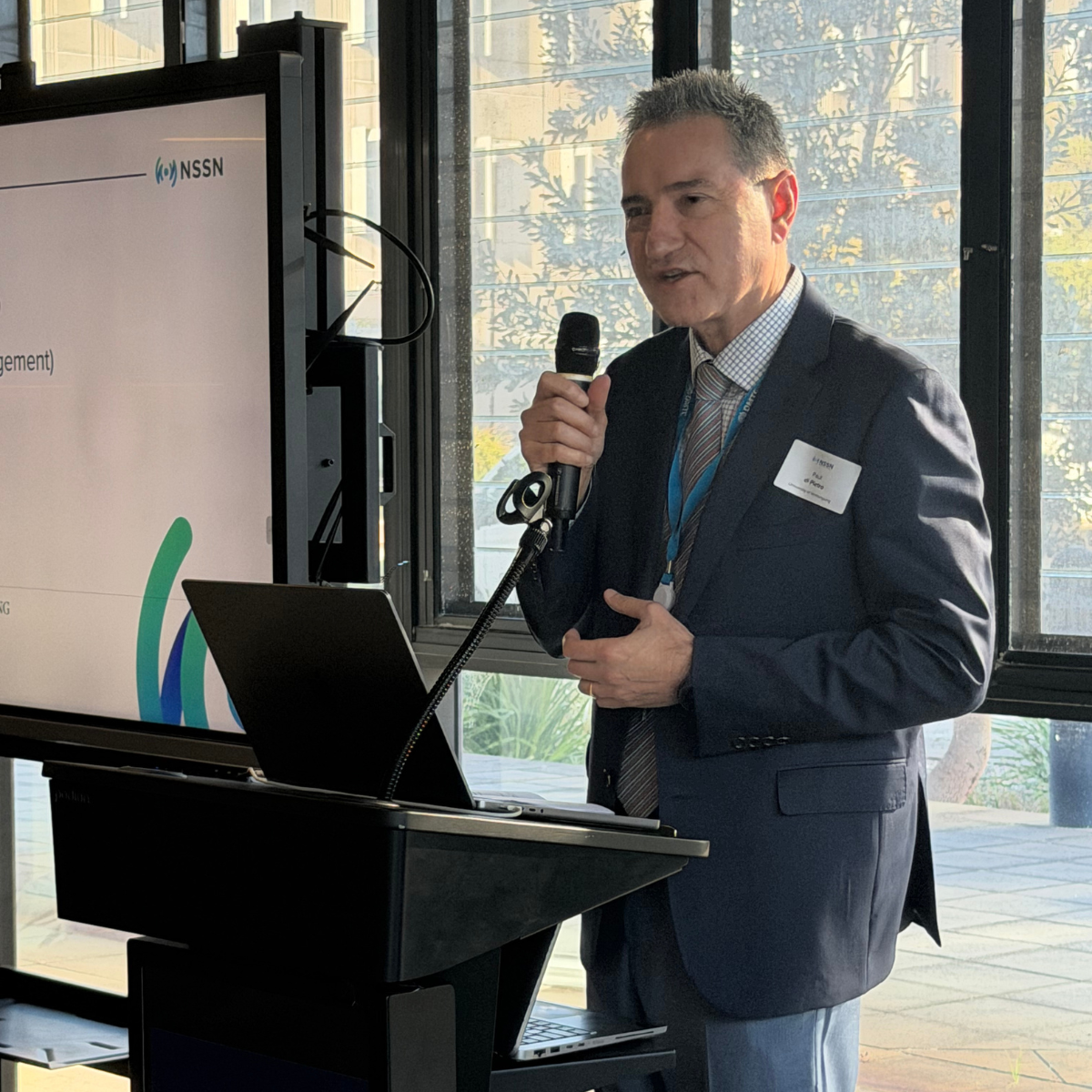
Dr Paul di Pietro
University of Wollongong Pro Vice-Chancellor (Industry & Engagement), Dr Paul di Pietro, described Bored Owl as a great example of how innovation, entrepreneurship and collaboration can translate ideas into real-world impact.
“Behind every successful innovation is usually a conversation that started it all,” he said, adding that breakthroughs increasingly depend on partnerships rather than organisations working in isolation, and that events such as Sensing Industry Connect help spark the connections that lead to new opportunities.
He highlighted how advances in sensing technologies are increasingly occurring at the intersection of disciplines and sectors, including manufacturing, healthcare, environmental monitoring, infrastructure, robotics and defence, where bringing together different expertise and capabilities is critical to achieving real-world impact.
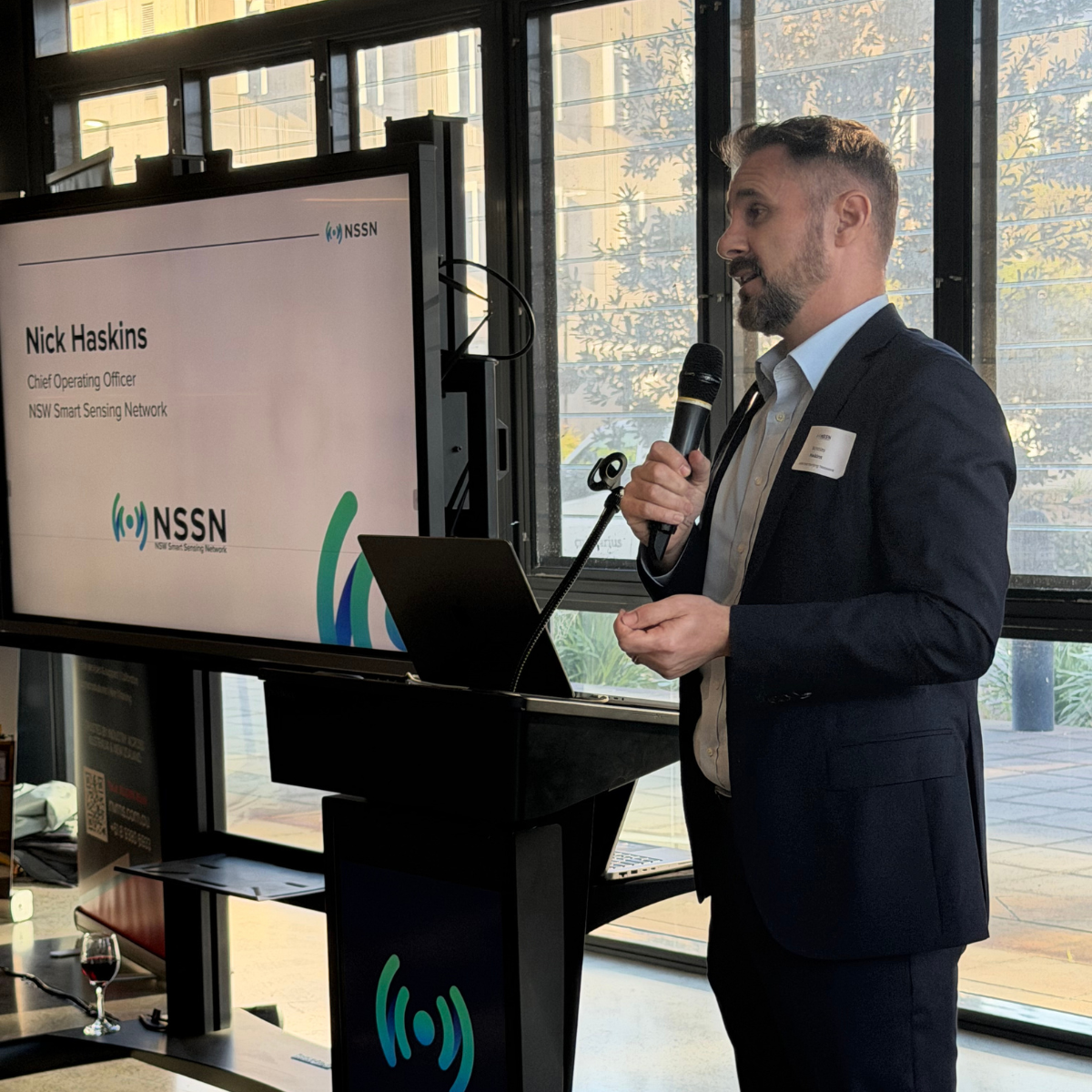
NSW Smart Sensing Network (NSSN) Chief Operating Officer, Nicholas Haskins, described the Illawarra region as “a powerhouse for New South Wales innovation”, highlighting its contribution to science and technology.
He outlined the NSSN's role in bringing together universities, government and industry to translate world-class research into practical solutions and commercial outcomes.
Mr Haskins also encouraged applications for Round 7 of the NSSN Grand Challenge Fund, which is now open and offers grants of up to $100,000 for collaborative smart sensing projects involving industry or government partners. Applications close on 22 February 2027.
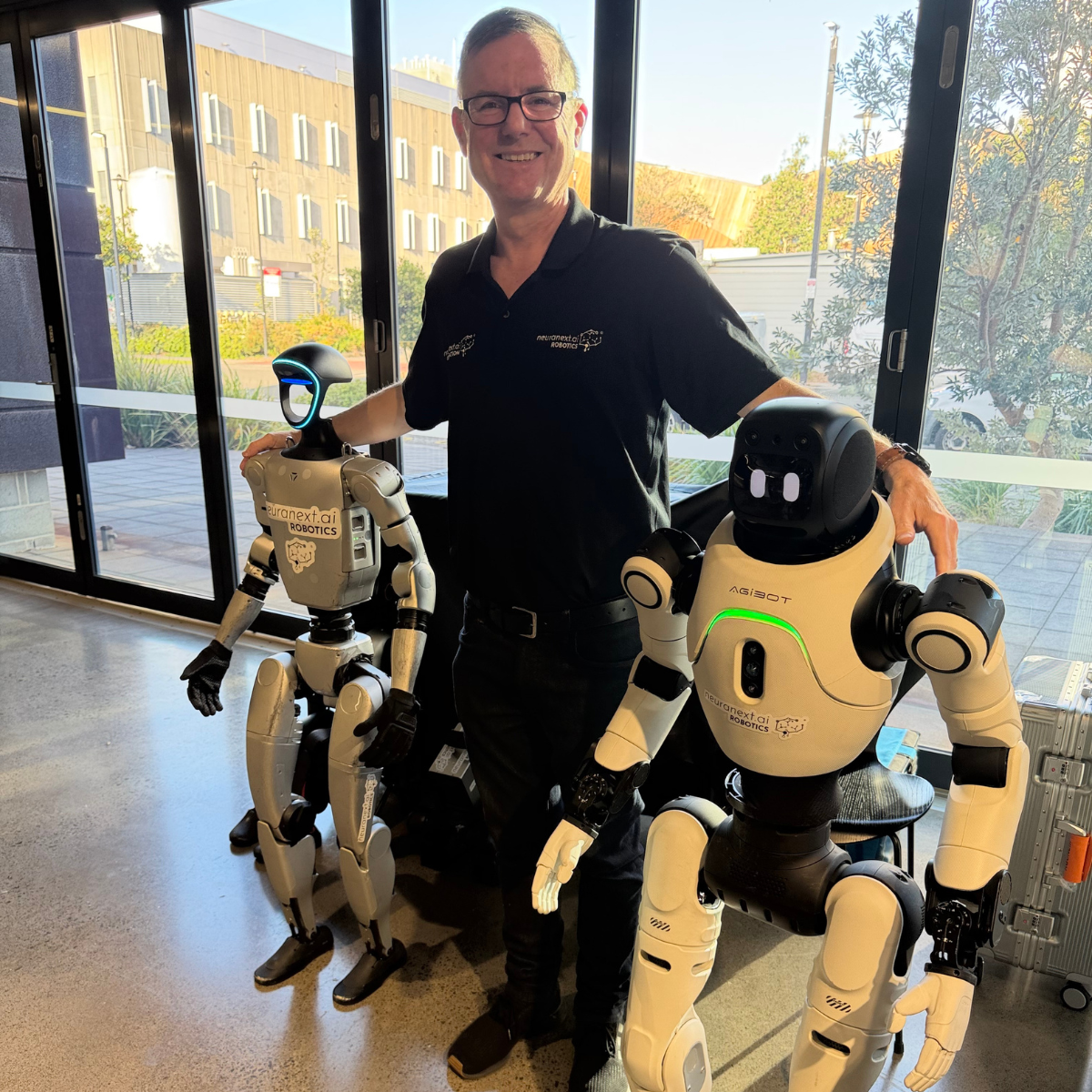
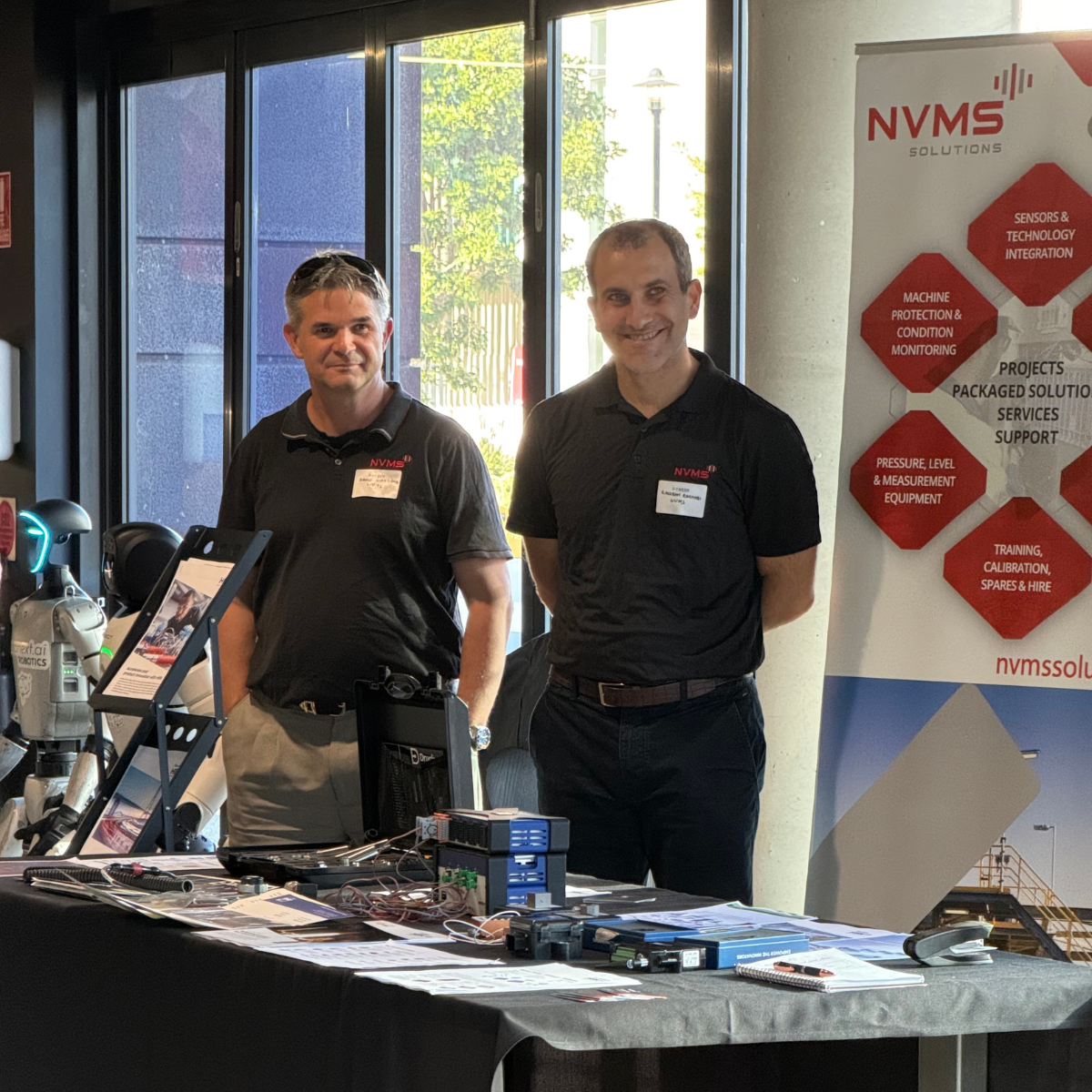
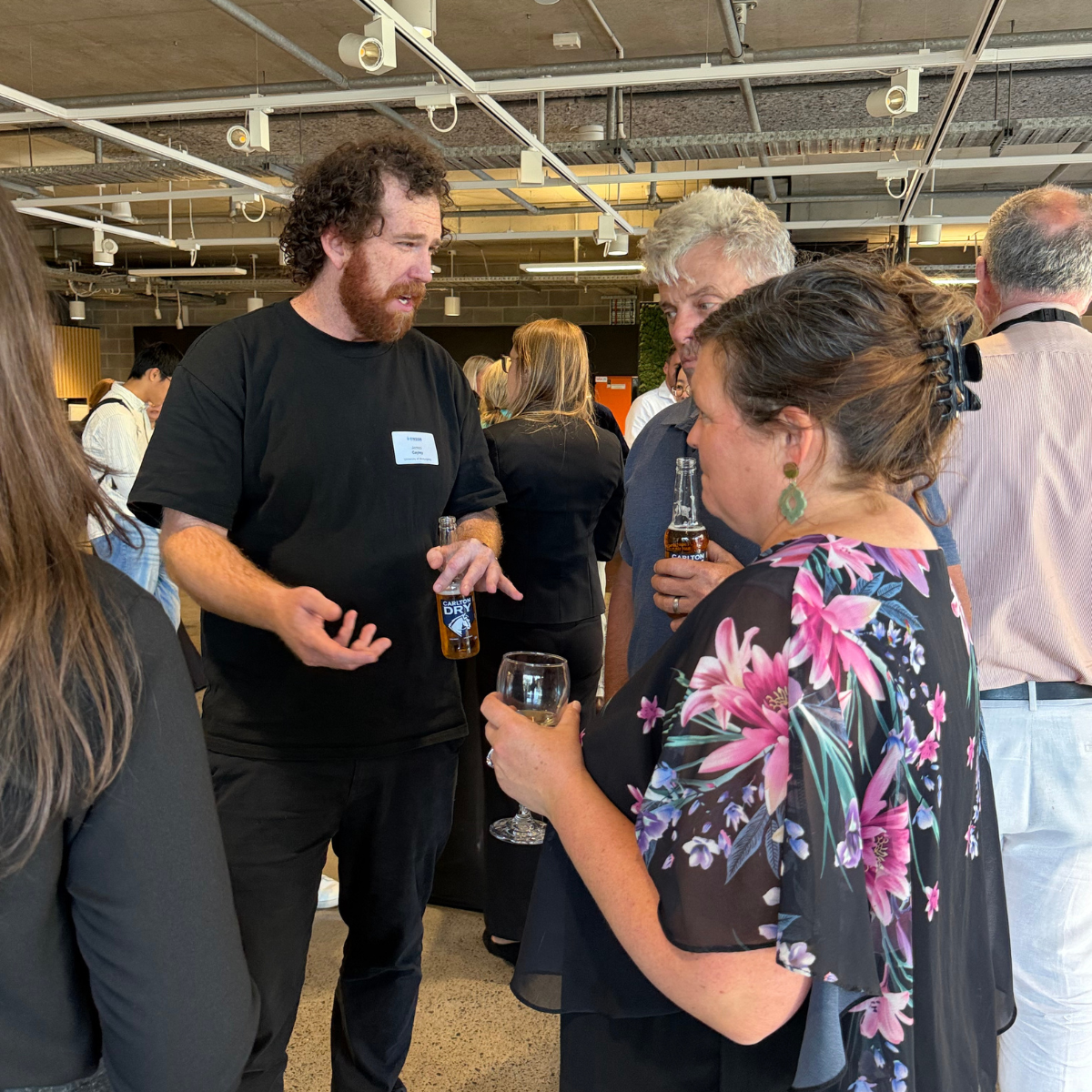
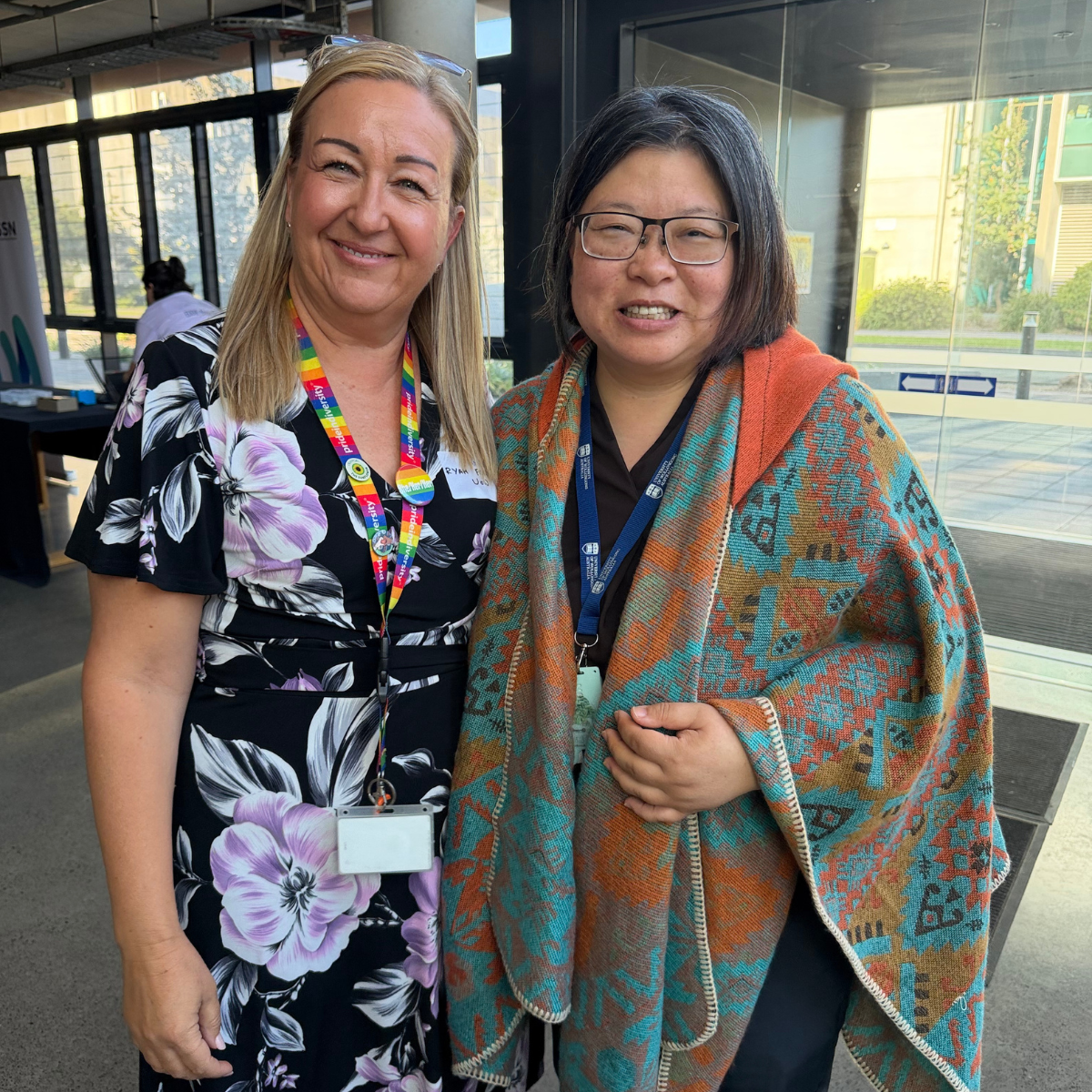
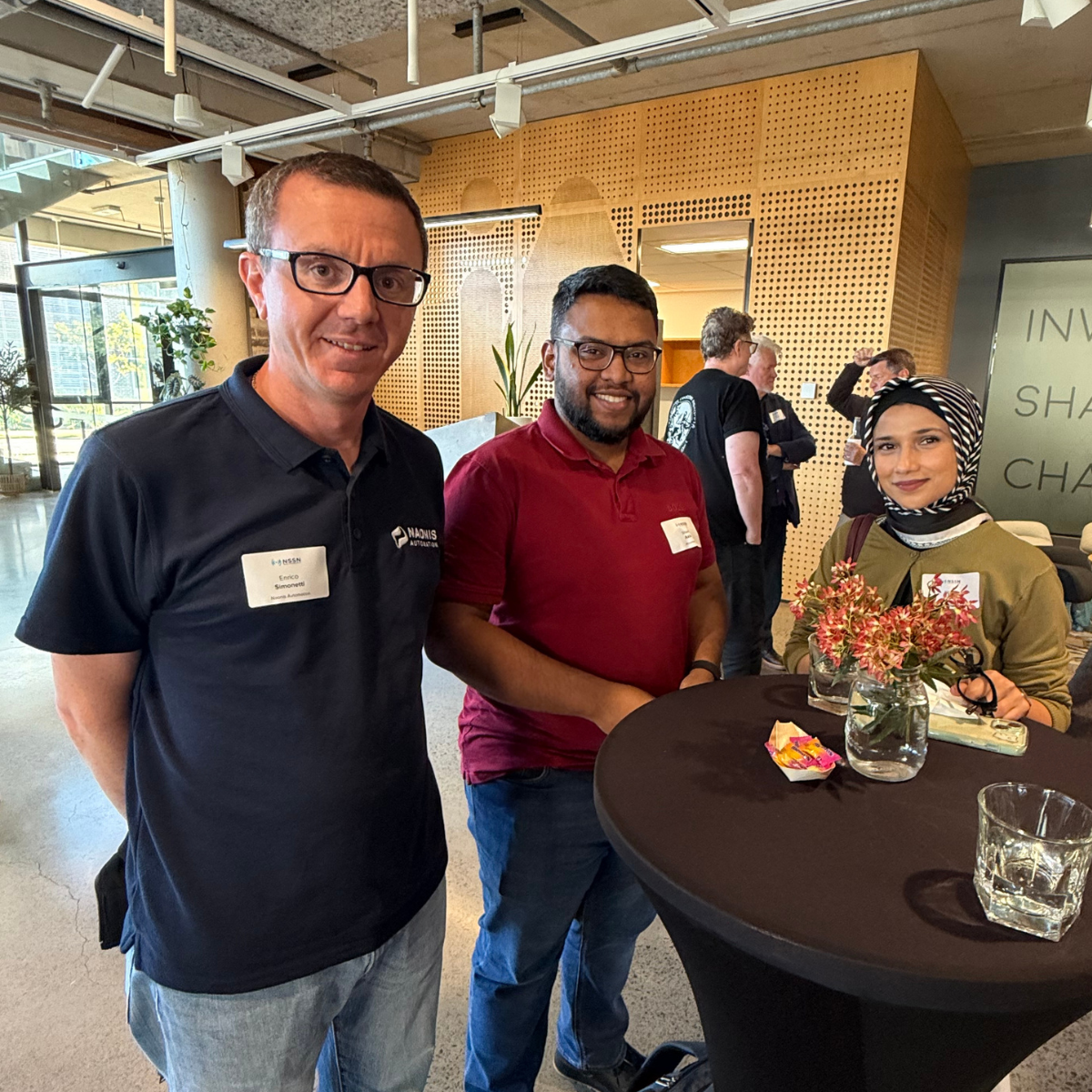
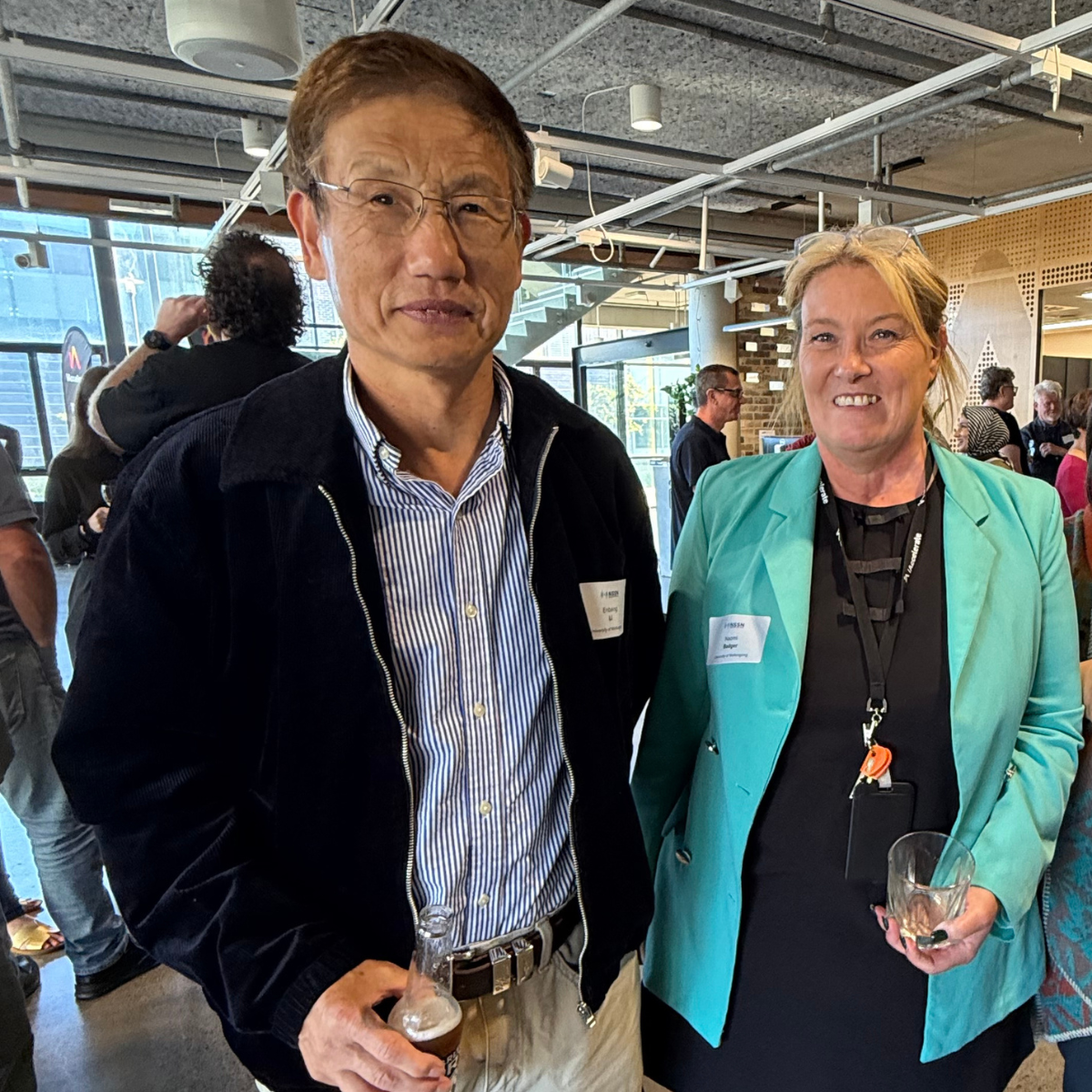
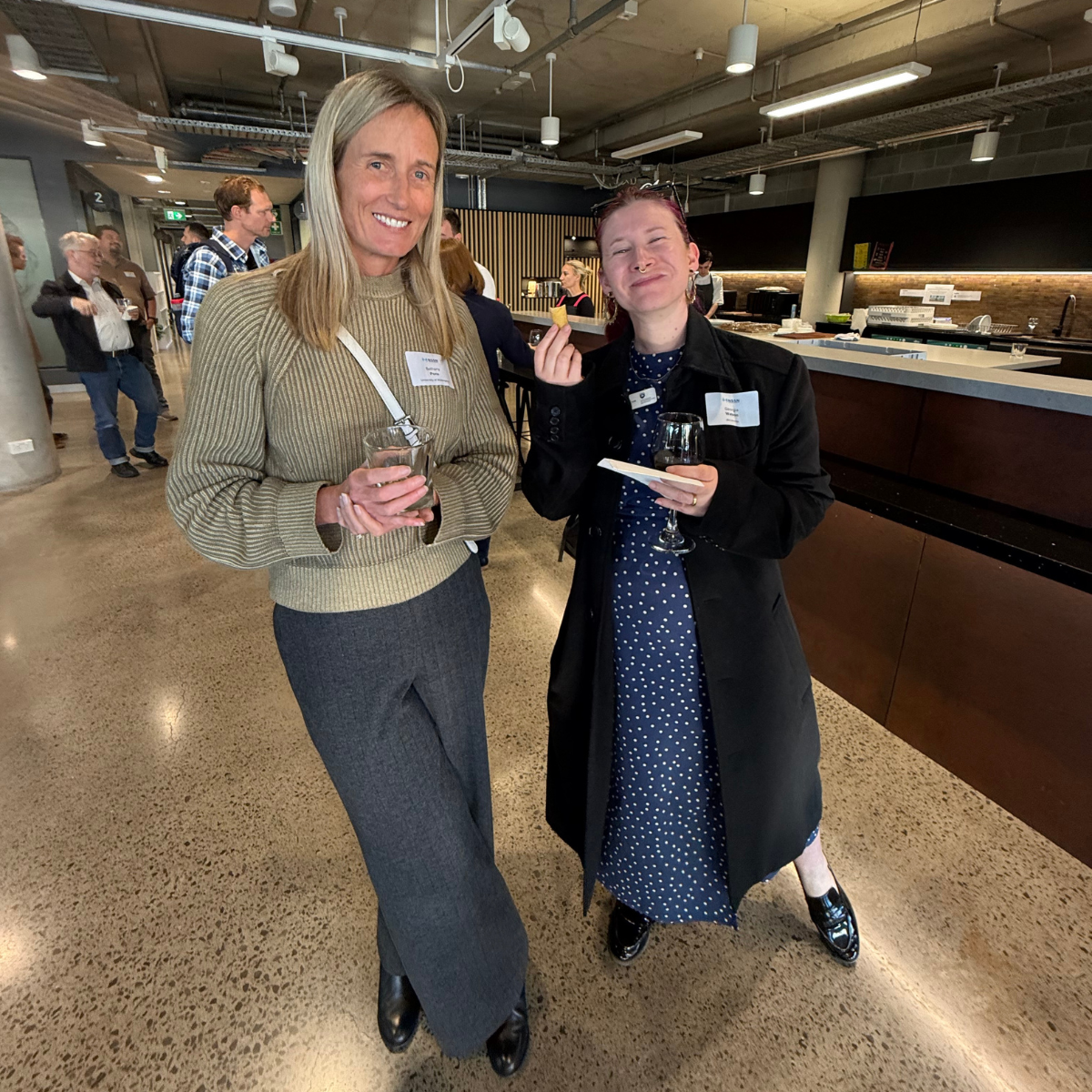
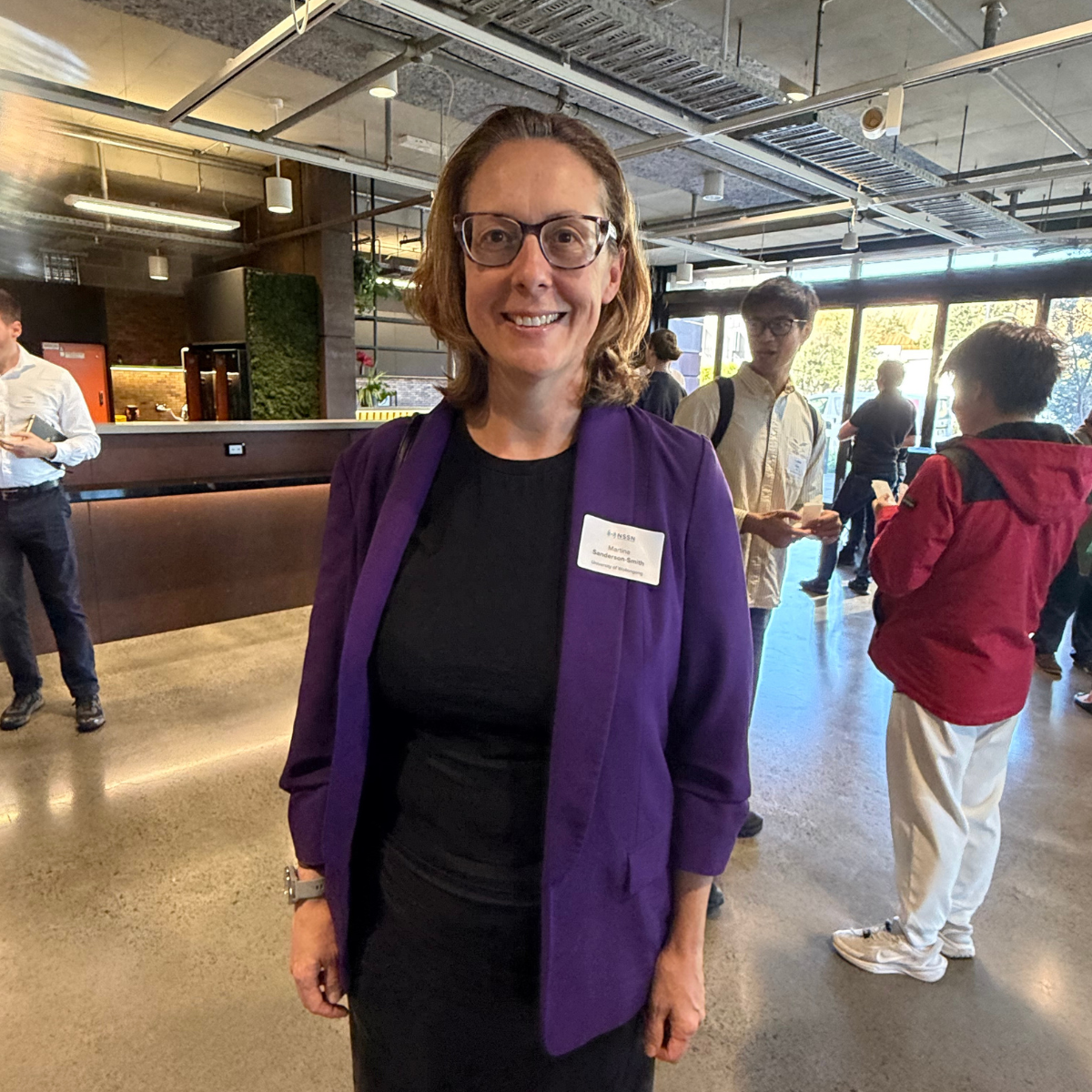
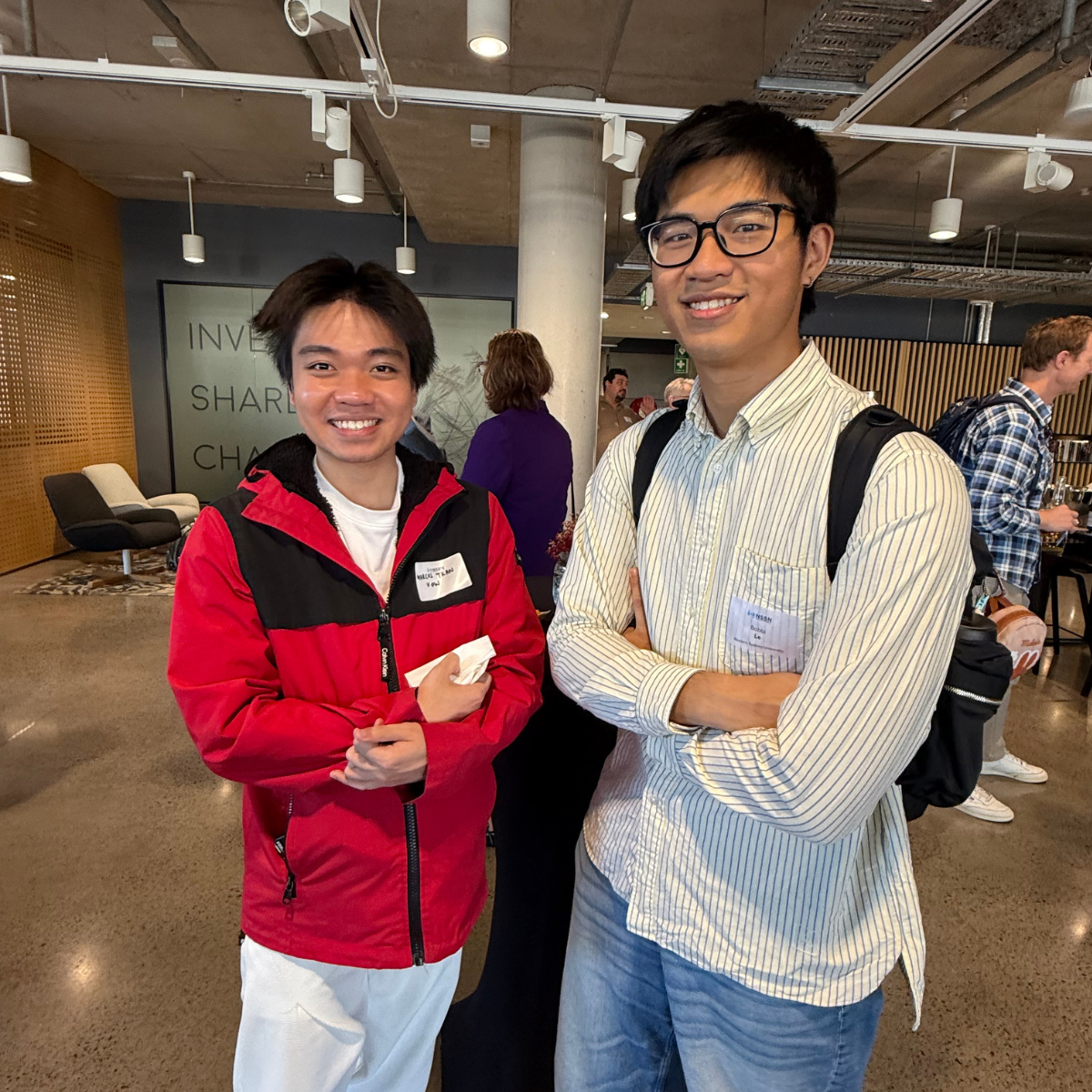
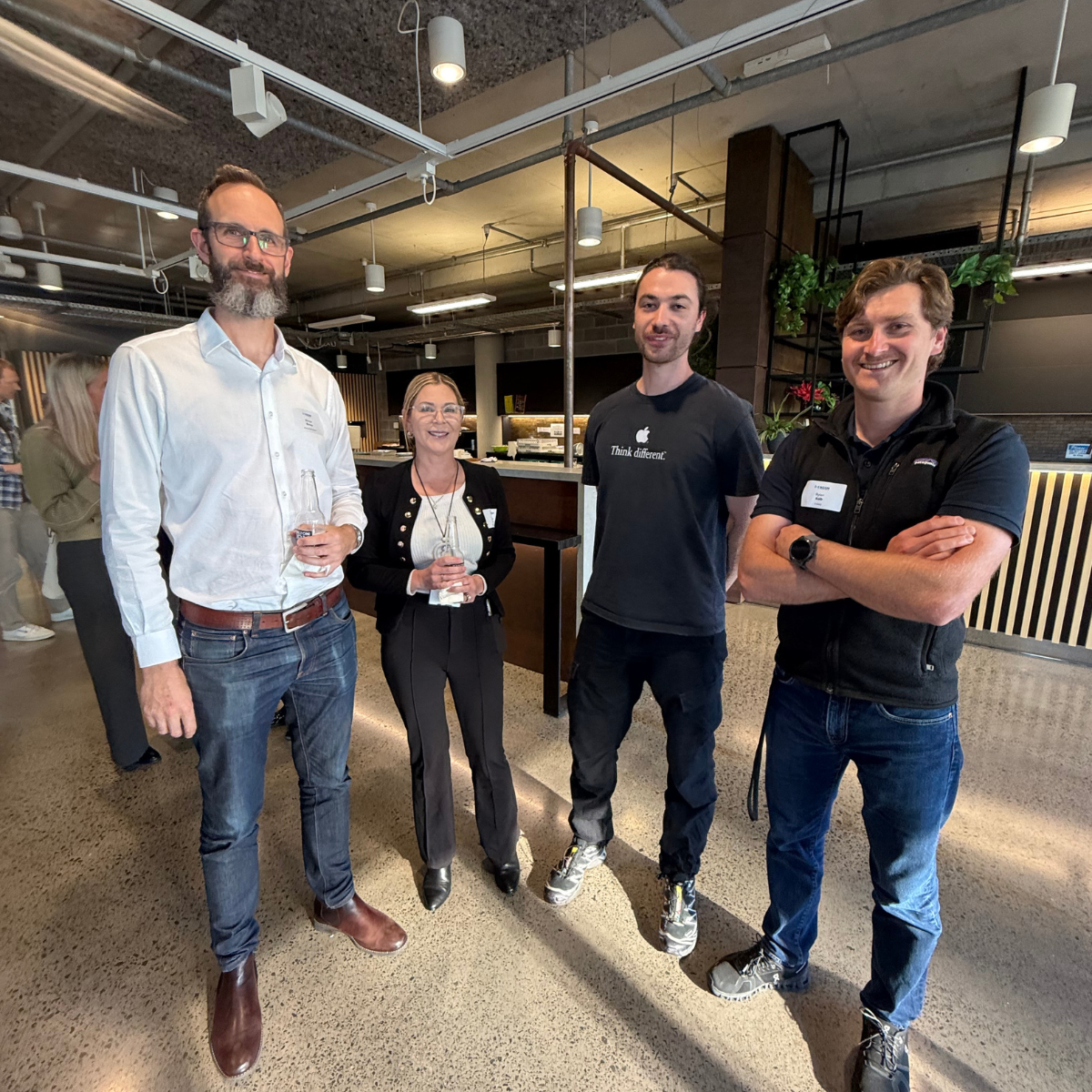
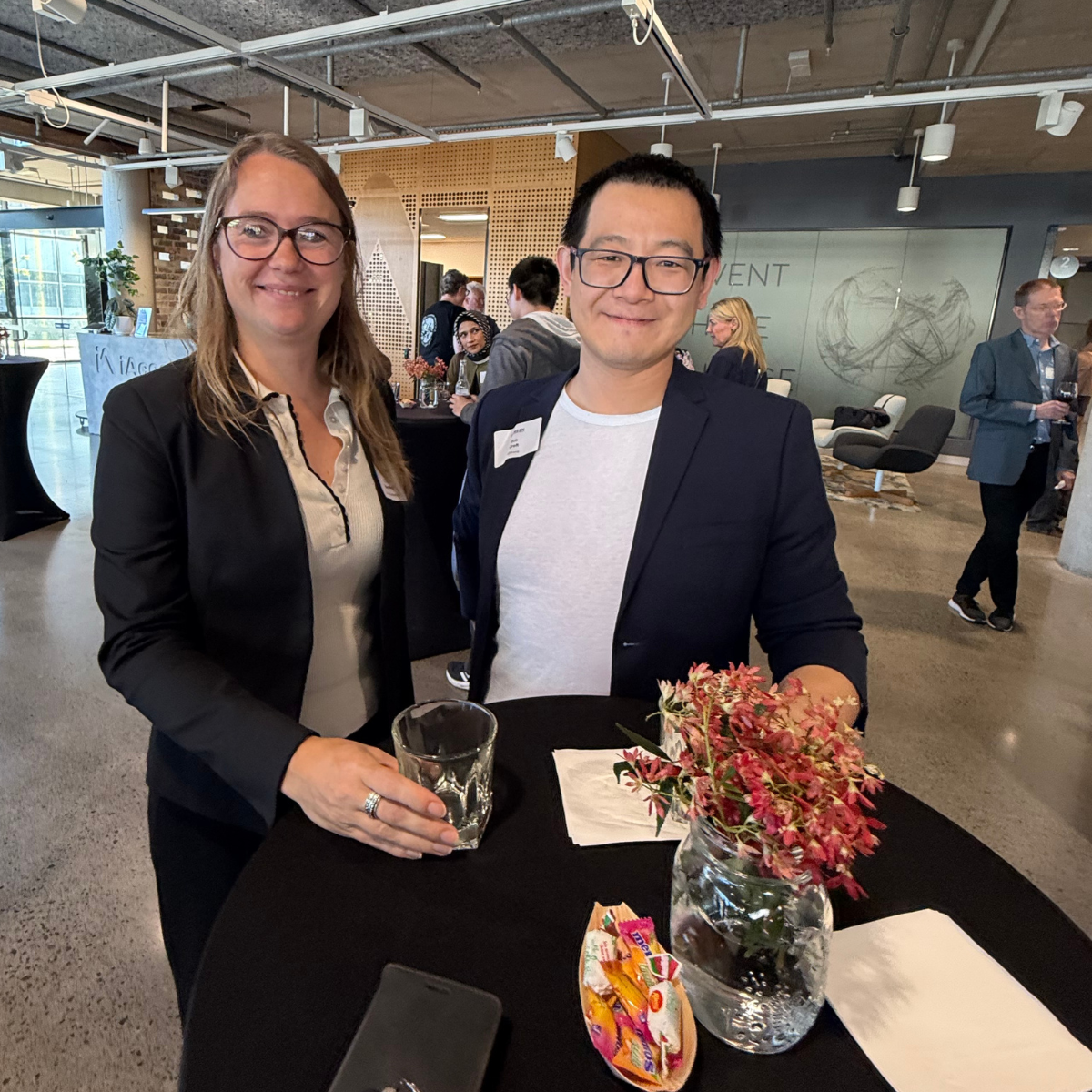
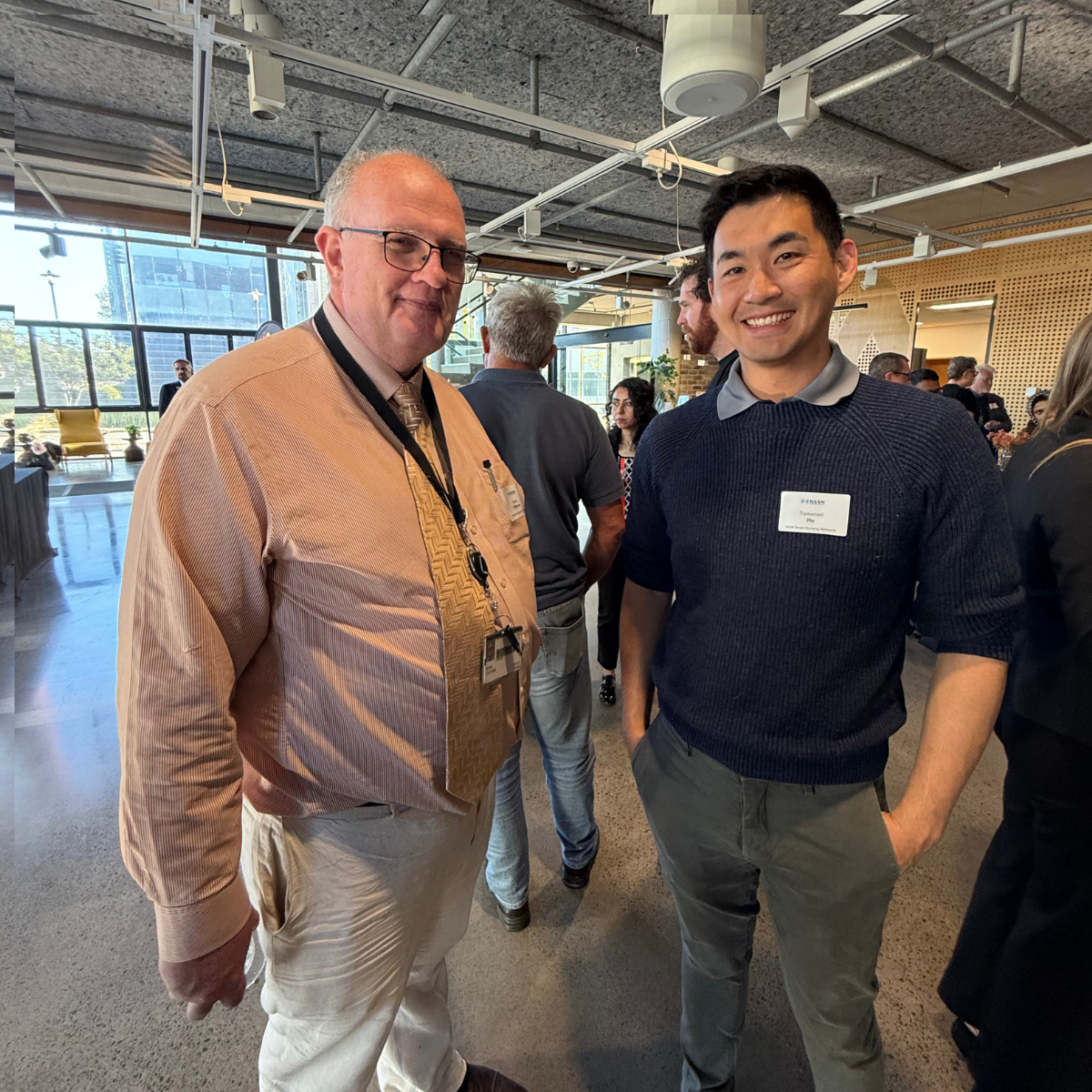
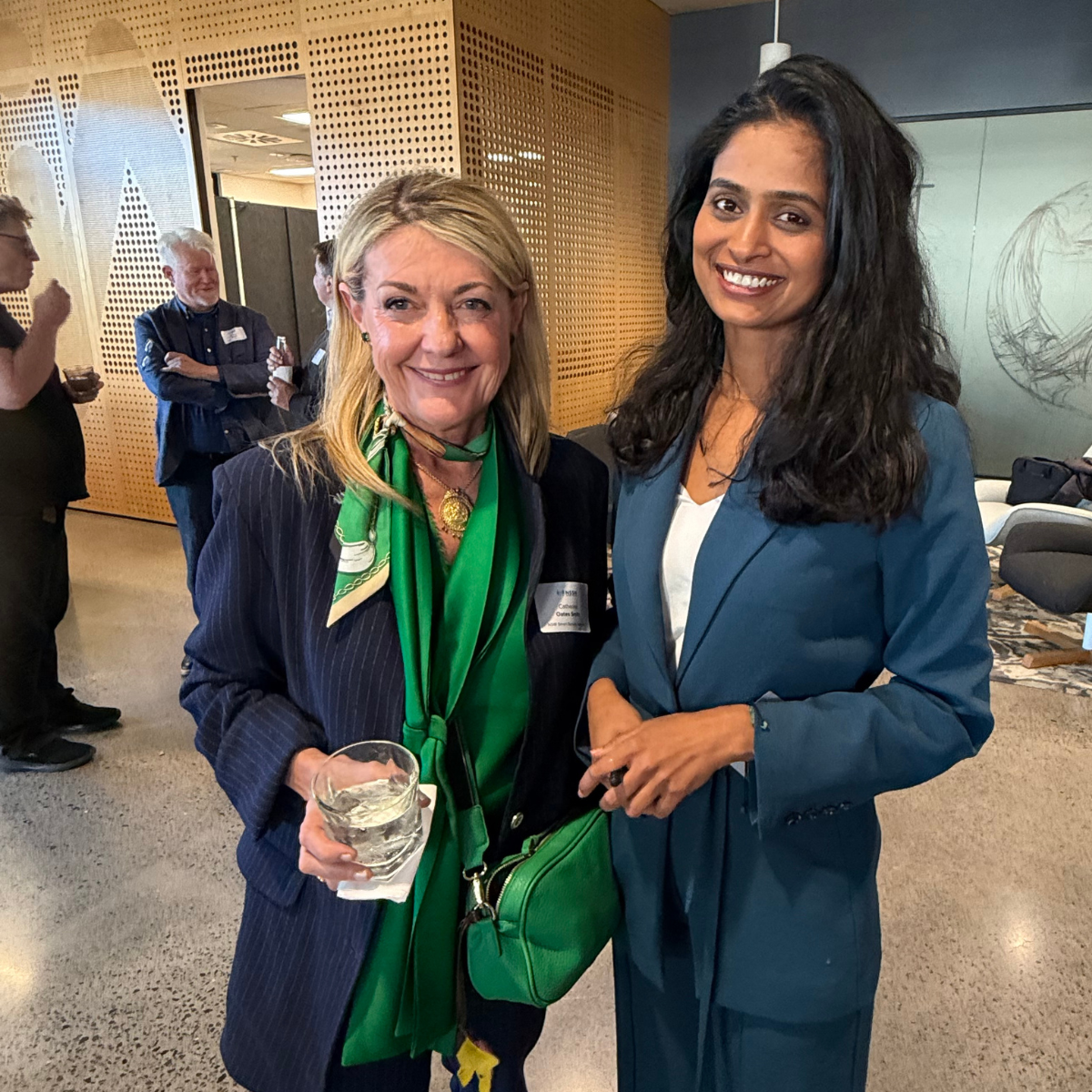
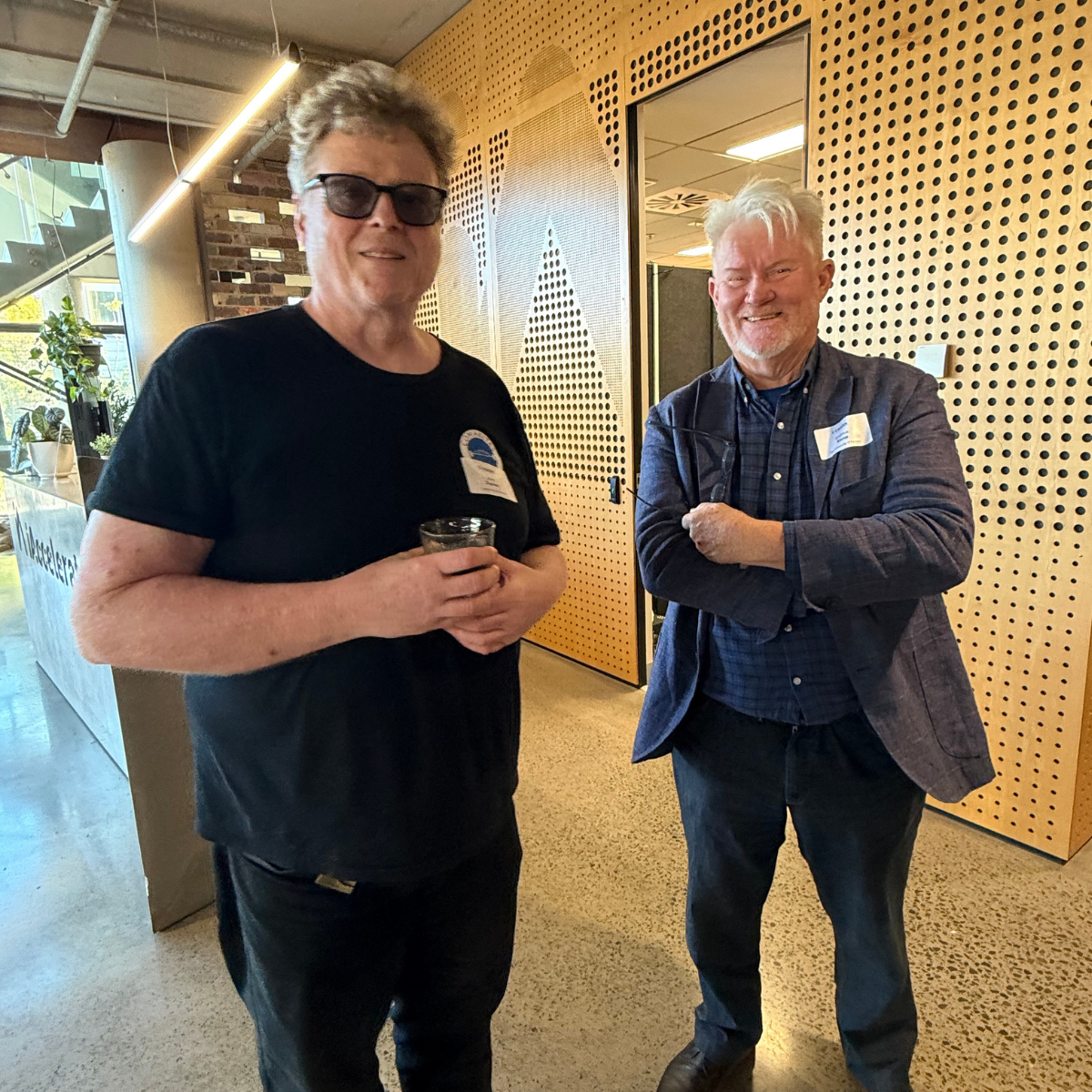
Attendees at the NSSN Sensing Industry Connect at University of Wollongong.