
Improving care navigation, building evidence for smart sensing technologies and exploring a Healthy at Home demonstrator emerged as key priorities at the NSW Smart Sensing Network's (NSSN) Healthy at Home strategy workshop on Monday.
The Healthy at Home program explores how smart sensing and data technologies can support older Australians to live safely and independently at home while easing pressure on aged care services.
It was co-created by the NSSN and FASTlab in collaboration with the Central Coast Research Institute and UNSW's Tyree Foundation Institute of Health Engineering.
The workshop at UNSW brought together 36 in-person and online participants for an intensive co-design session to identify the program’s next strategic priorities.
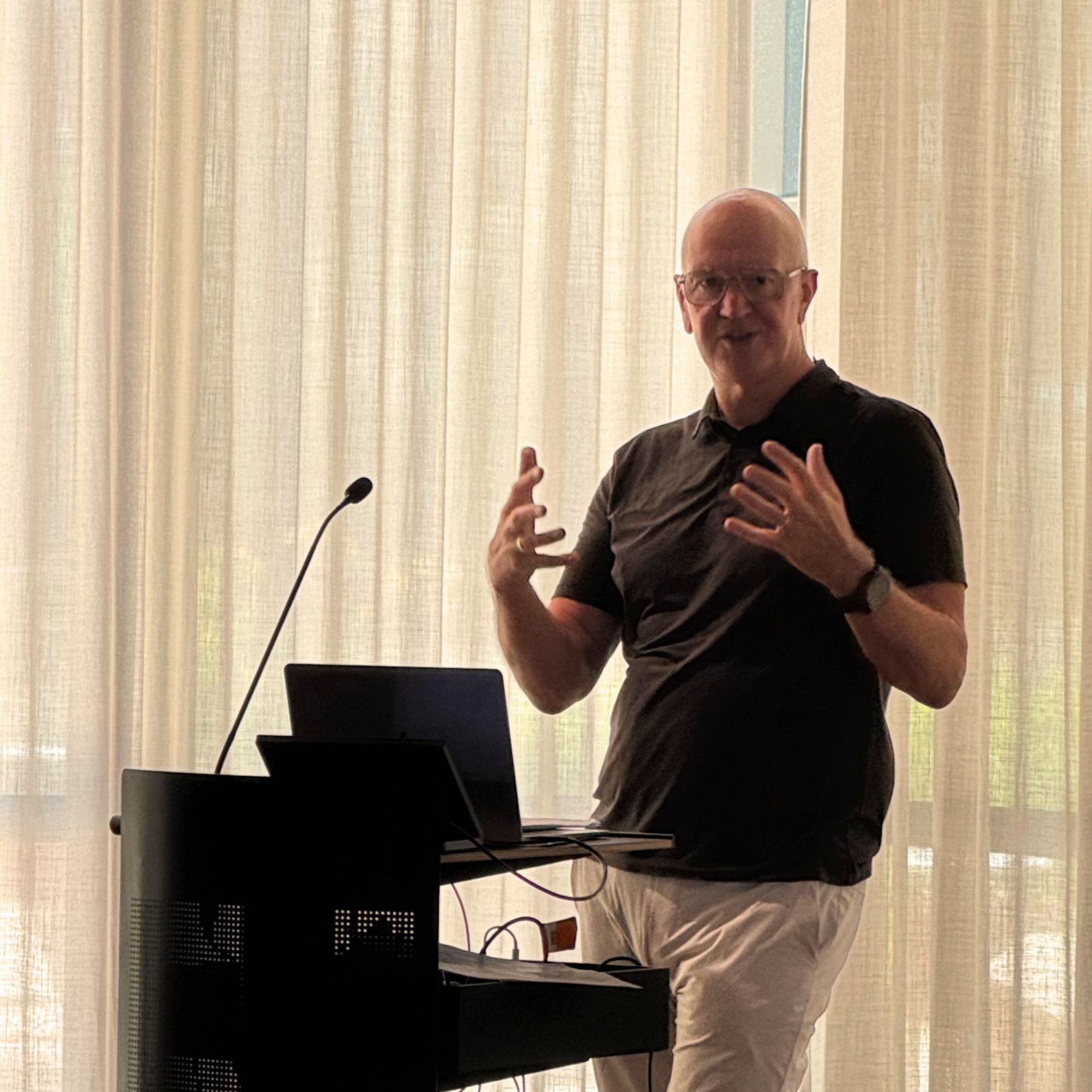
Healthy at Home Consortium Chair Prof Paul Egglestone
Representatives attended from Ageing Australia, Liveably, MyMedicWatch, Brogden Partners, Orcaa, FAST Laboratory, Ericom, Telstra Health, Hills, NSW Health, NSW Meals on Wheels, the University of Technology Sydney, South Eastern Sydney Local Health District and Randwick Health Innovation Precinct.
Designed and led by Healthy at Home Consortium Chair Professor Paul Egglestone, Founder and Director of FASTlab and Professor of Creative Practice at Avondale University, the workshop focused on a central question: “What can we do together that none of us can do on our own?”
“The message from the room was clear: people still struggle to know who to call and who pays, and technology only helps if someone is there to respond,” Prof Egglestone said.
“That’s a problem none of us can solve alone.”
Putting older Australians at the centre of care
NSSN Human Health Theme Lead Catherine Oates Smith described the growing pressures on Australia's hospital and aged care systems, particularly as the population aged over 80 increases, and the challenges of coordinating care between state and Commonwealth services.
She said smart sensing technologies could support earlier hospital discharge, enable remote monitoring and help prevent unnecessary hospital admissions.
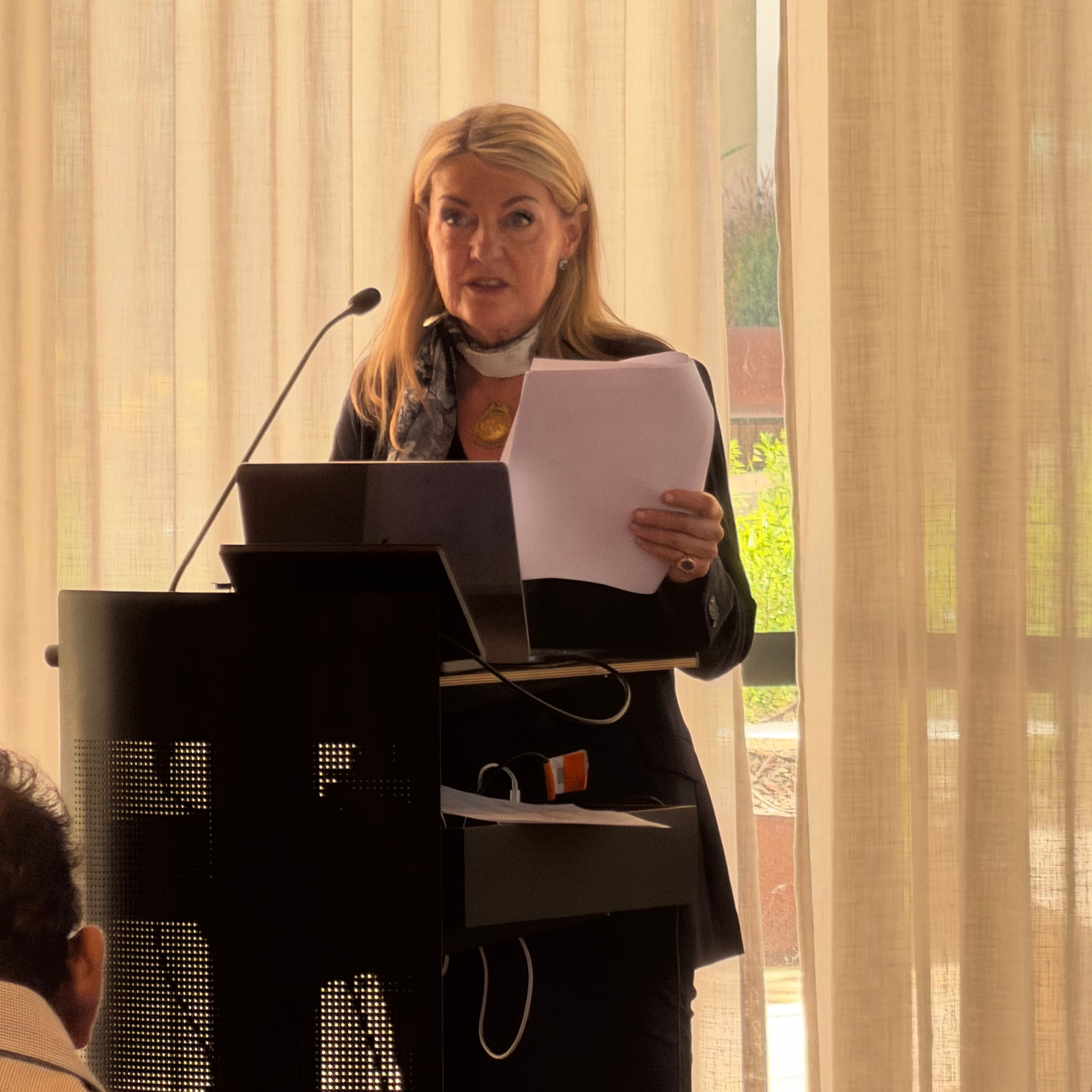
NSSN Human Health Theme Lead Catherine Oates Smith
“The purpose of the Healthy at Home program is to get people out and keep them out of hospital,” Ms Oates Smith said.
“We have seven research universities, and together with our industry and government partners, we want to create a sensor-driven care ecosystem that uses data to deliver care and manages the challenge of who pays for that care.”
Central to this approach is ensuring older Australians receive coordinated care as they transition between hospital and home, supported by appropriate technologies, shared health information and sustainable funding models.
Ms Oates Smith said technology must complement rather than replace human care, with consumers involved in designing solutions that meet their needs.
Workshop participants agreed, saying monitoring is only useful if someone acts on it.
They called for named contacts, human review, clear escalation and a backup plan if technology fails, and many said older people need regular human contact whether or not an alarm goes off.
Improving communication and care navigation
The session built on the longstanding Healthy at Home program, whose activities include NSSN’s third and fourth Ageing Forums, held in 2024 and 2025.
Research projects within the Healthy at Home program include:
Understanding Reception of Care Technology for Healthy Ageing at Home: Exploring older Australians, carers’ and families’ attitudes towards using sensors and robots to support ageing at home.
SOUND-BITES Program: Training Meals on Wheels volunteers to screen older clients for hearing loss during routine home visits.
Meaningful Measures in the Home: Identifying key health and wellbeing indicators that can be monitored using smart sensors to support personalised care and help prevent hospital admissions.
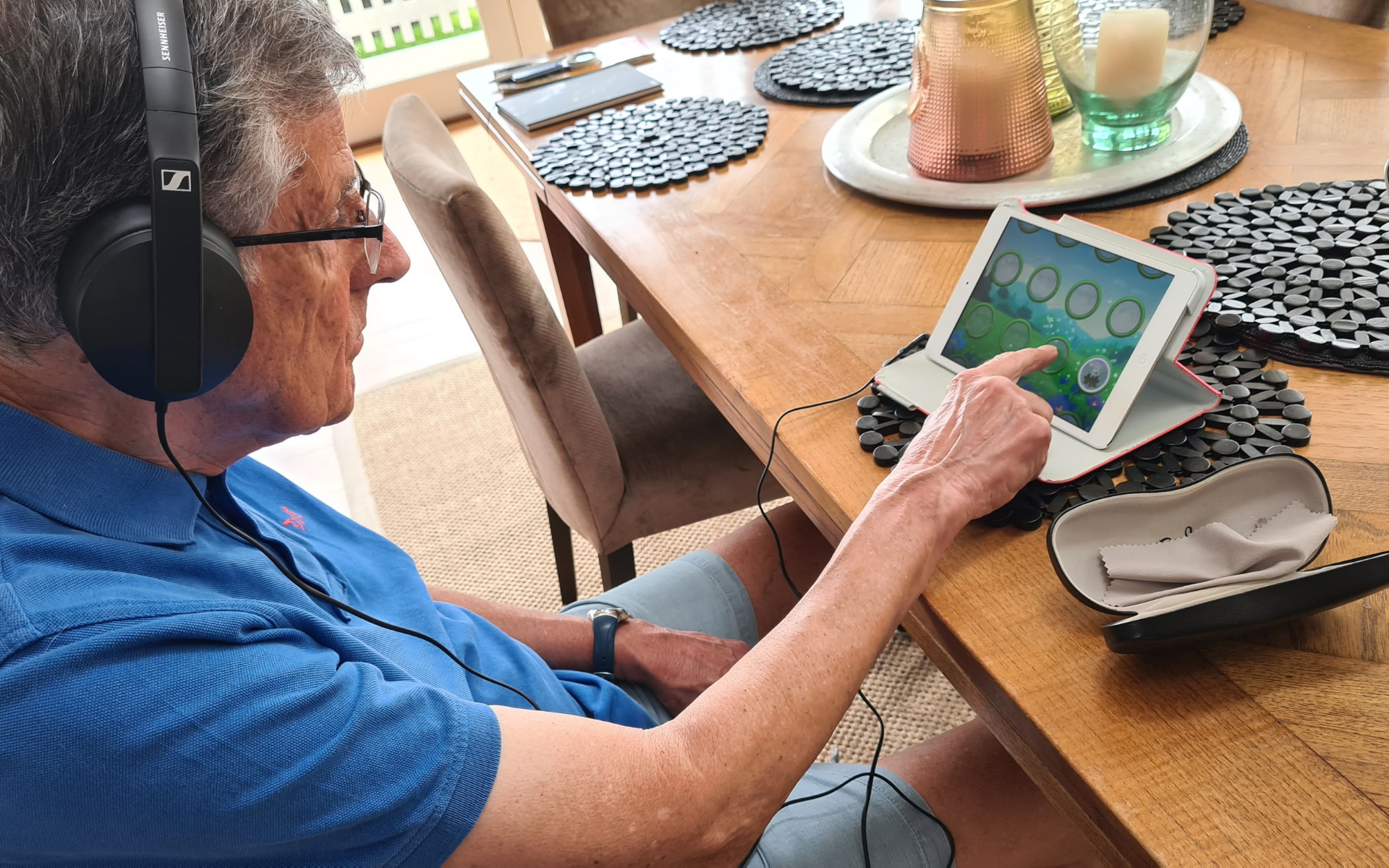
The SOUND-BITES Program is helping make hearing health checks more accessible to older Australians in their own homes. Credit: Meals on Wheels NSW
One workshop priority was improving communication about available health and aged care services.
Participants identified opportunities to help older Australians, their families and care providers better understand the care journey and navigate systems that can be fragmented and difficult to access.
Almost none of the participants said it was clear who older people should contact for help, or who pays for their support once they leave hospital.
Not one said responsibility was clear across the state and Commonwealth systems that fund health and aged care.
Most had seen older people leave hospital successfully, and had also seen it go wrong, suggesting good practice exists but isn’t reaching everyone.
A proposed communication initiative could bring together reliable, evidence-based information about services, technologies and care pathways, making it easier for people to understand their options and access appropriate support.
A recurring theme was the need for stronger independent evidence demonstrating that smart sensing technologies deliver meaningful improvements in health outcomes and quality of life.
While an increasing range of devices can monitor movement, activity, vital signs and environmental conditions, participants stressed that technical capability alone does not demonstrate clinical effectiveness or consumer benefit.
Building that evidence was participants’ top choice for immediate action, followed by better communication and education about services.
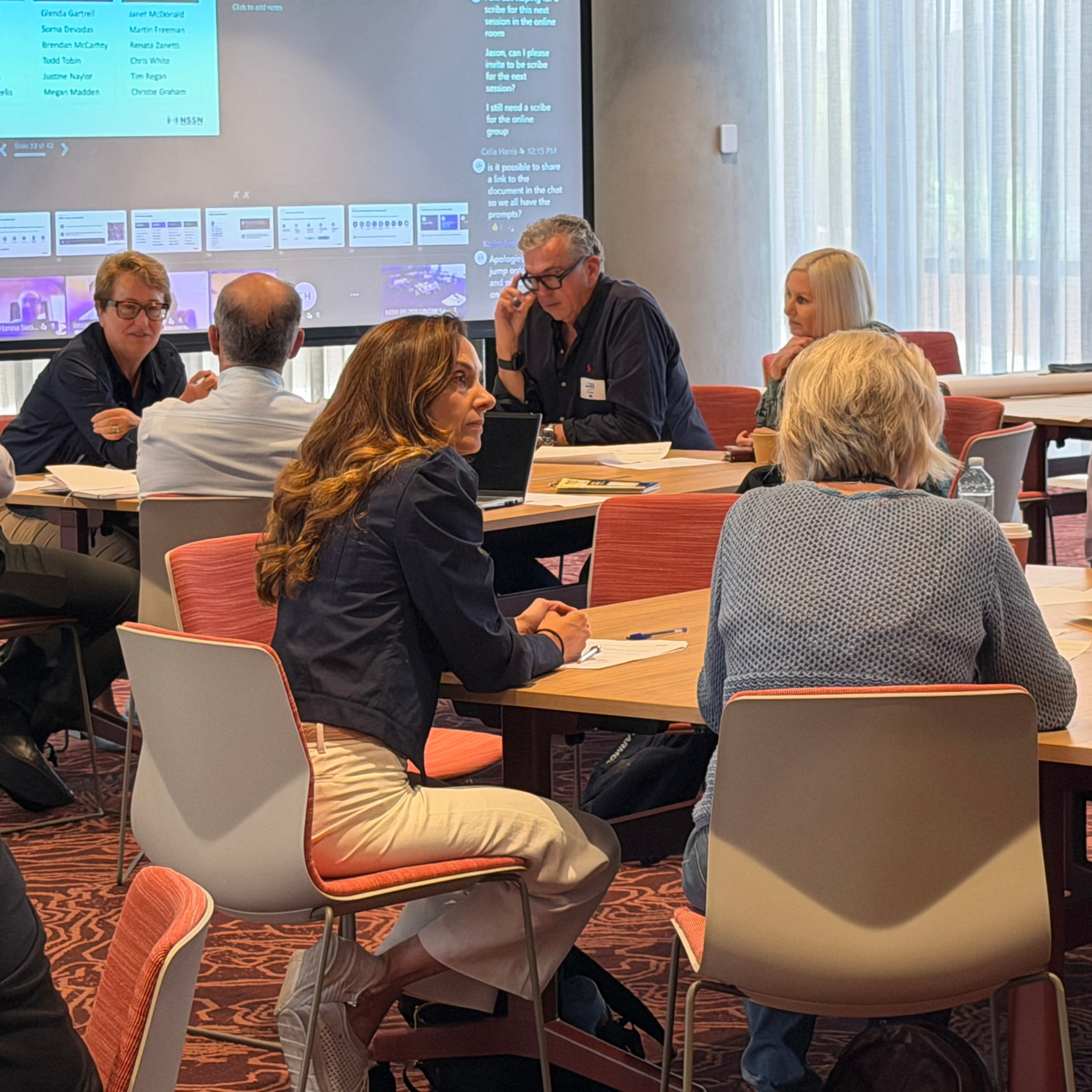
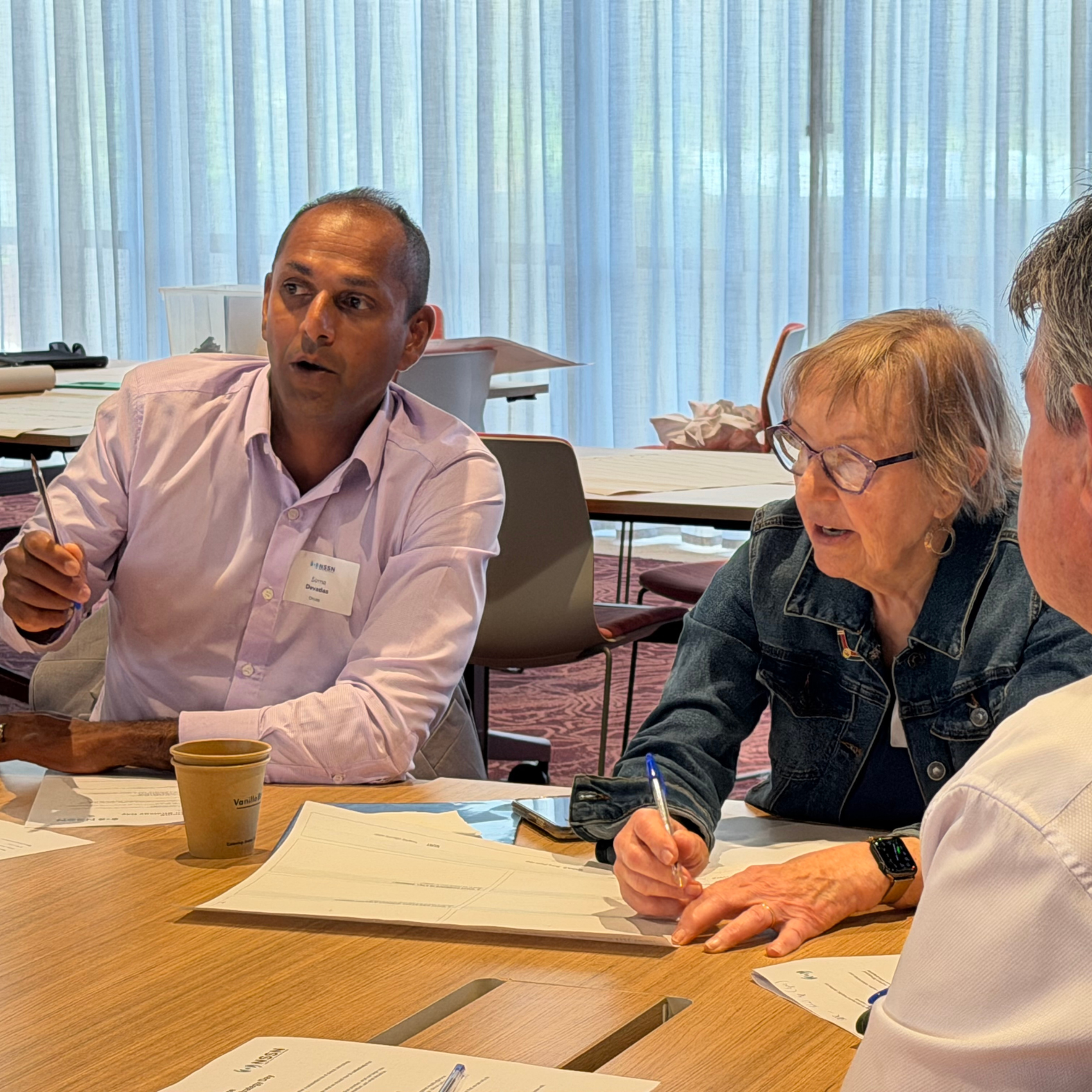
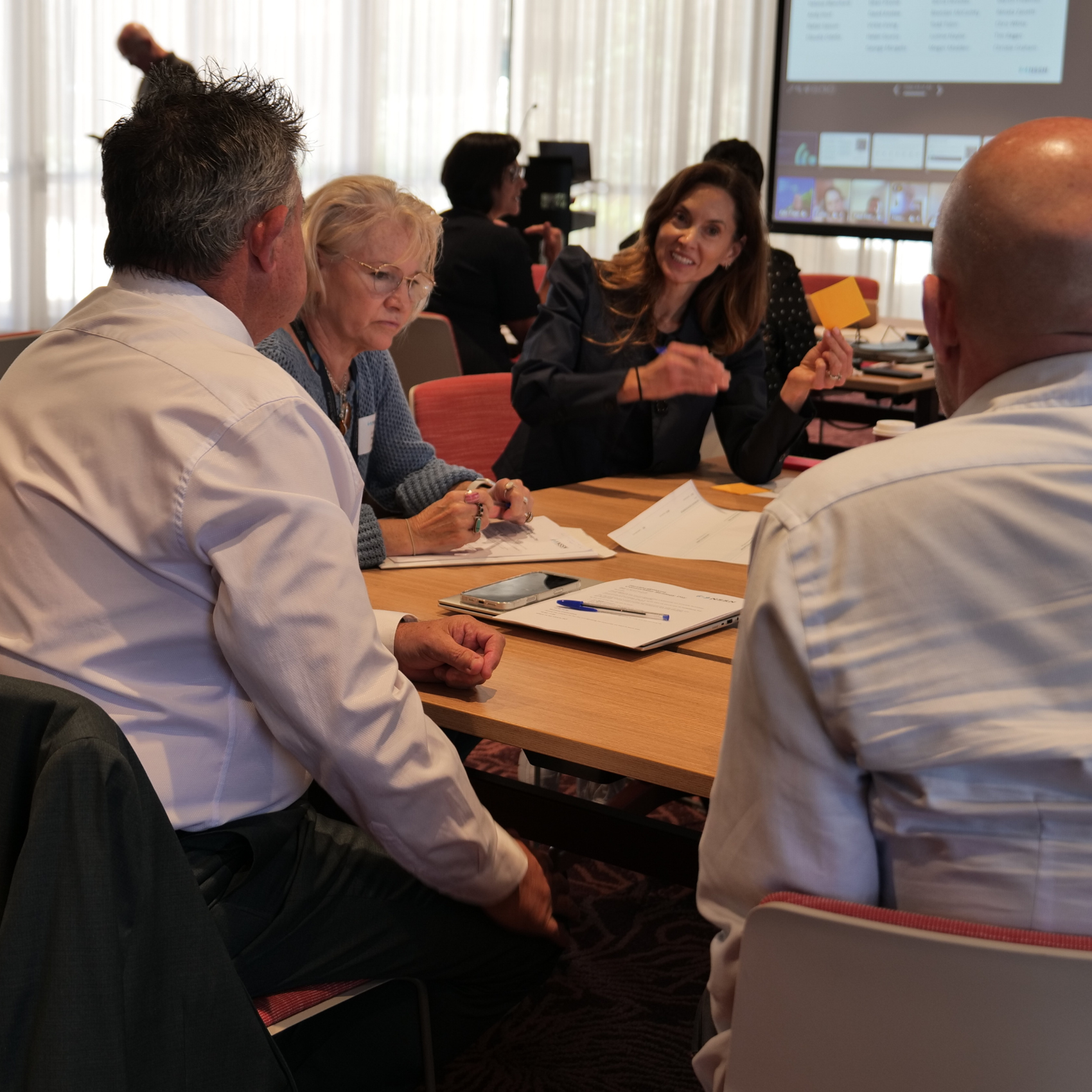
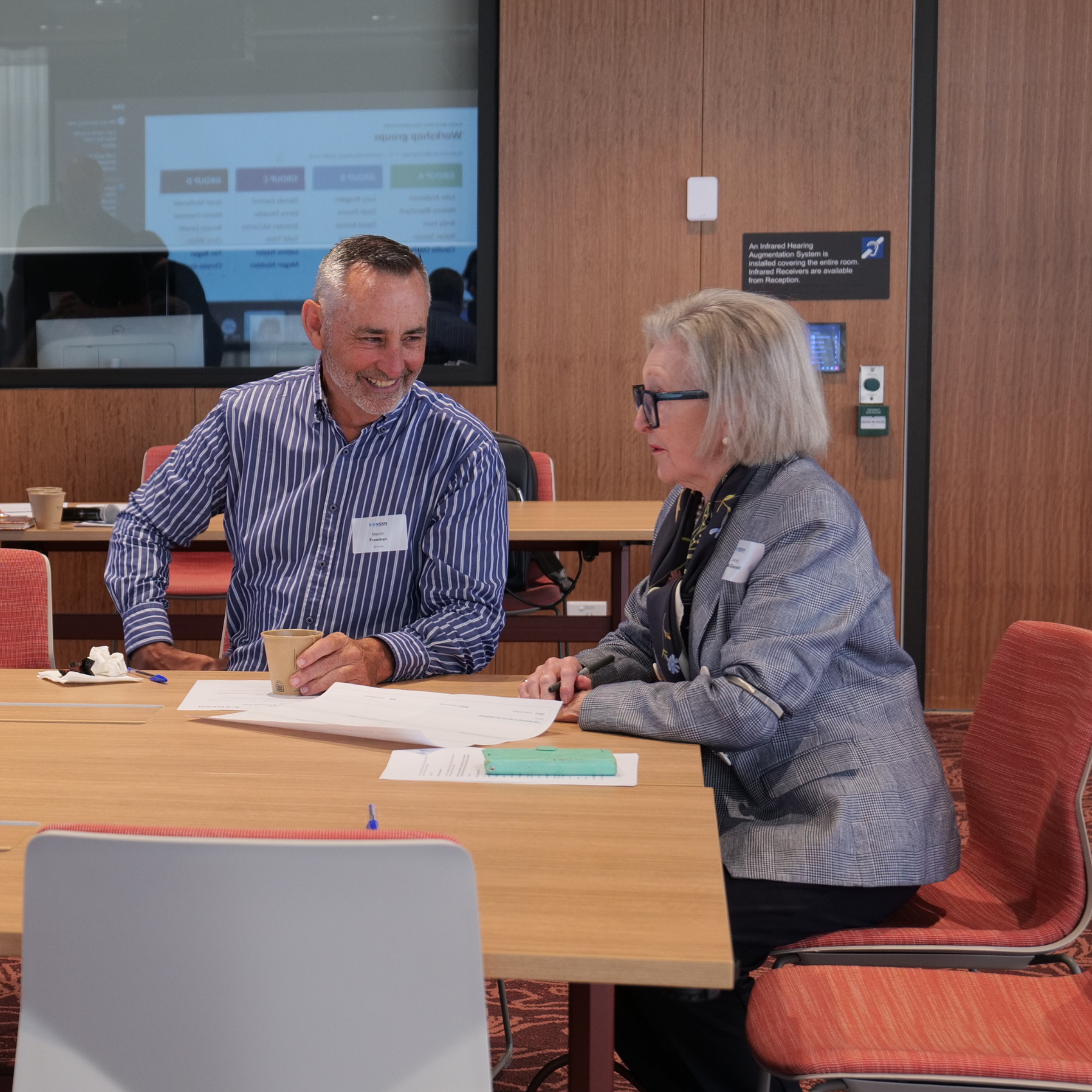
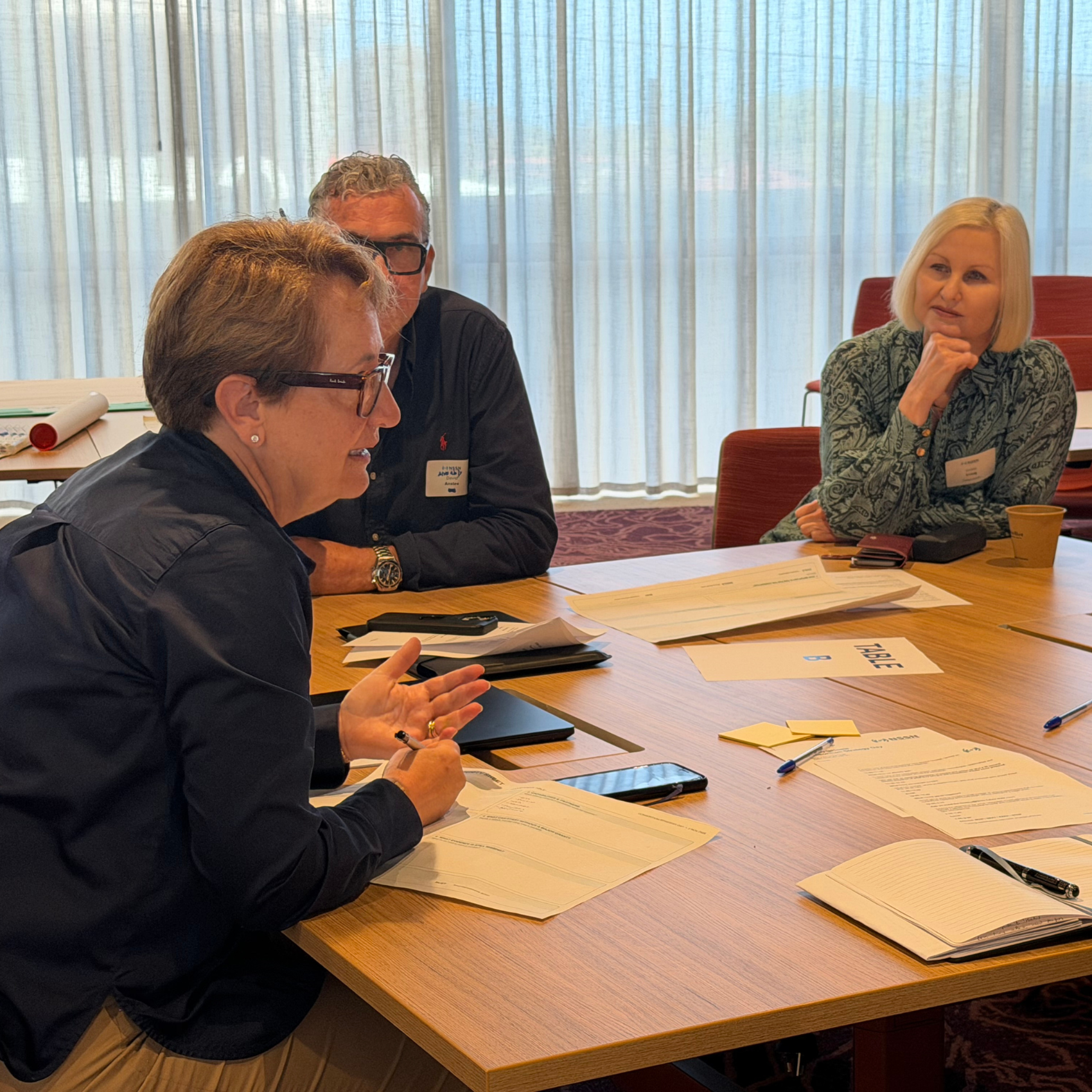
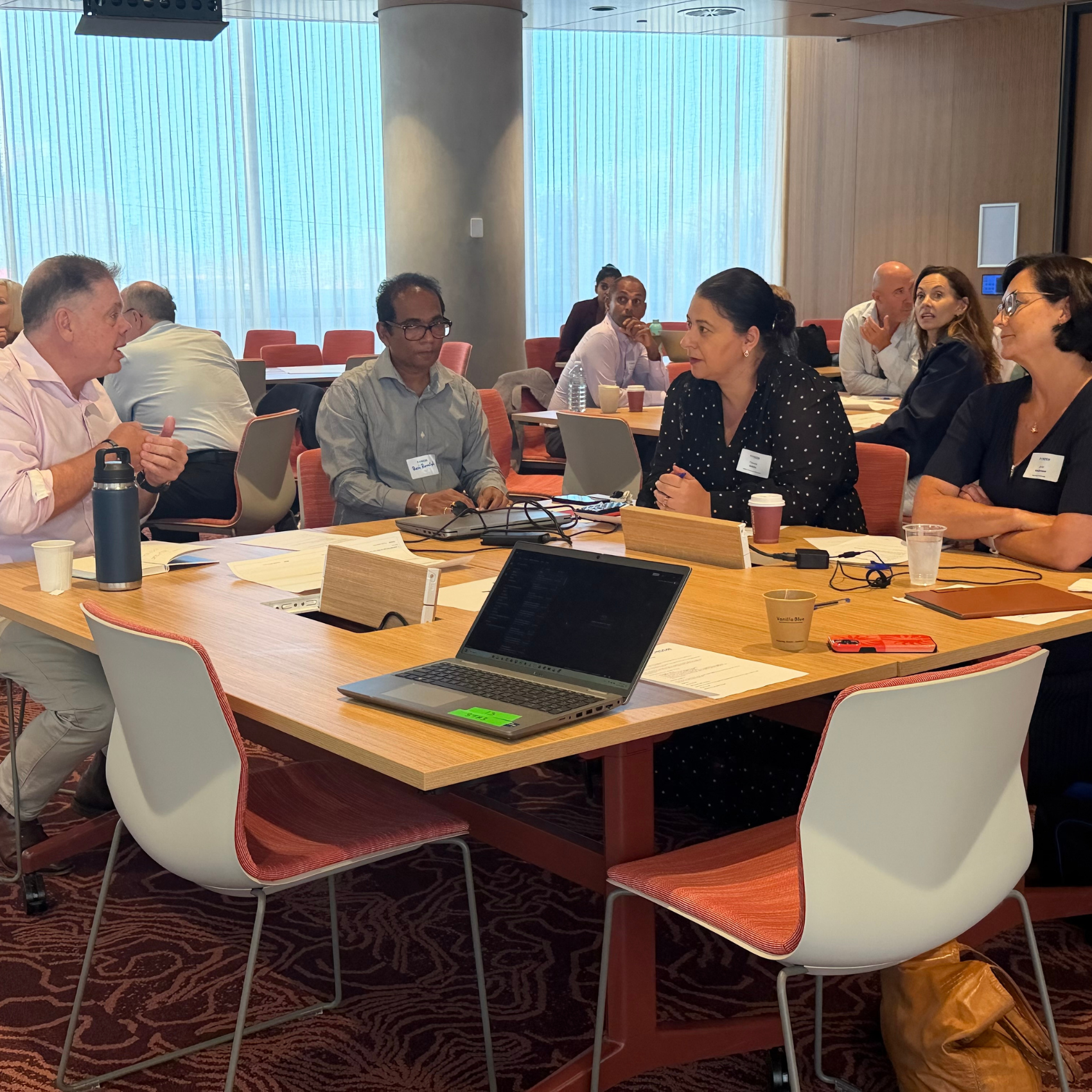
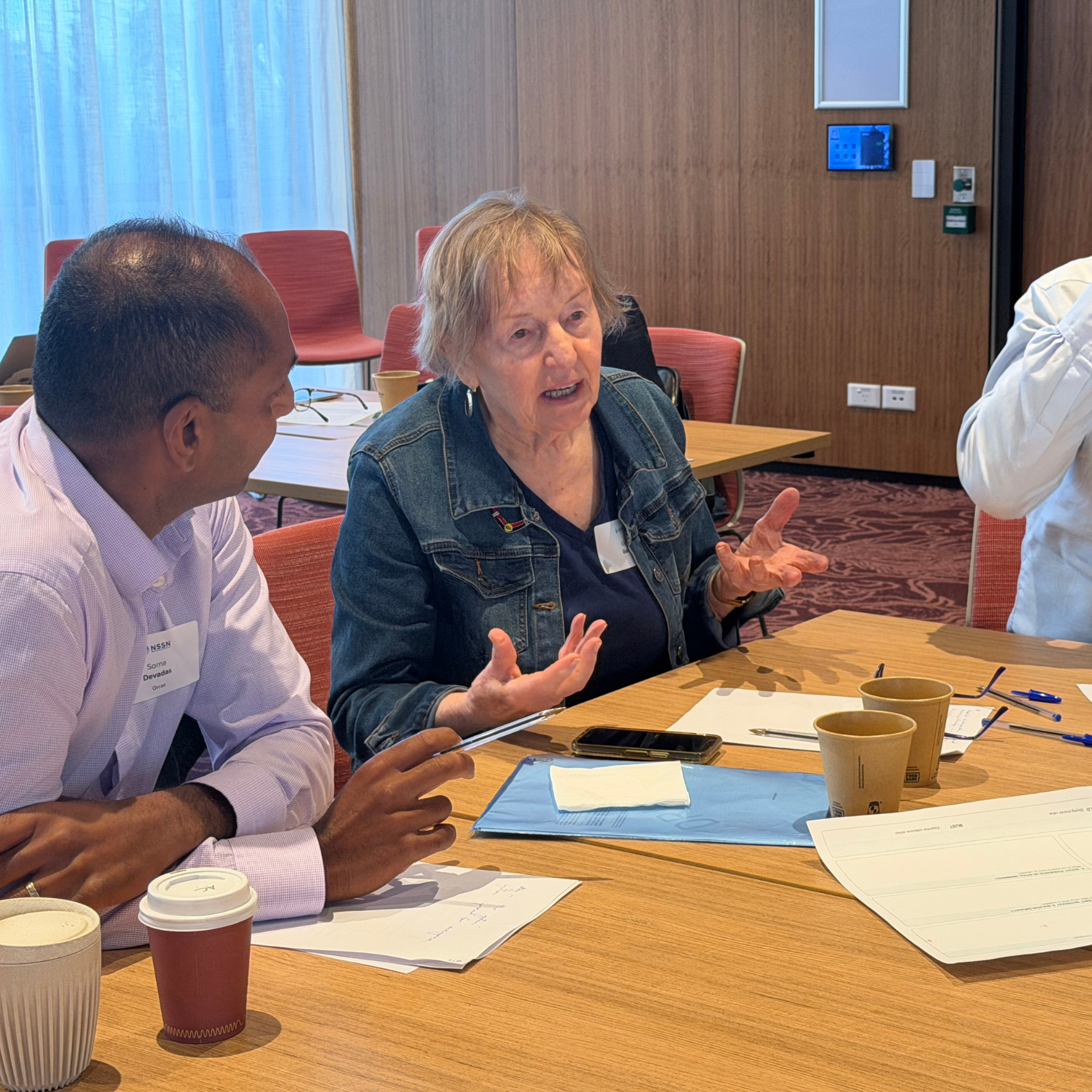
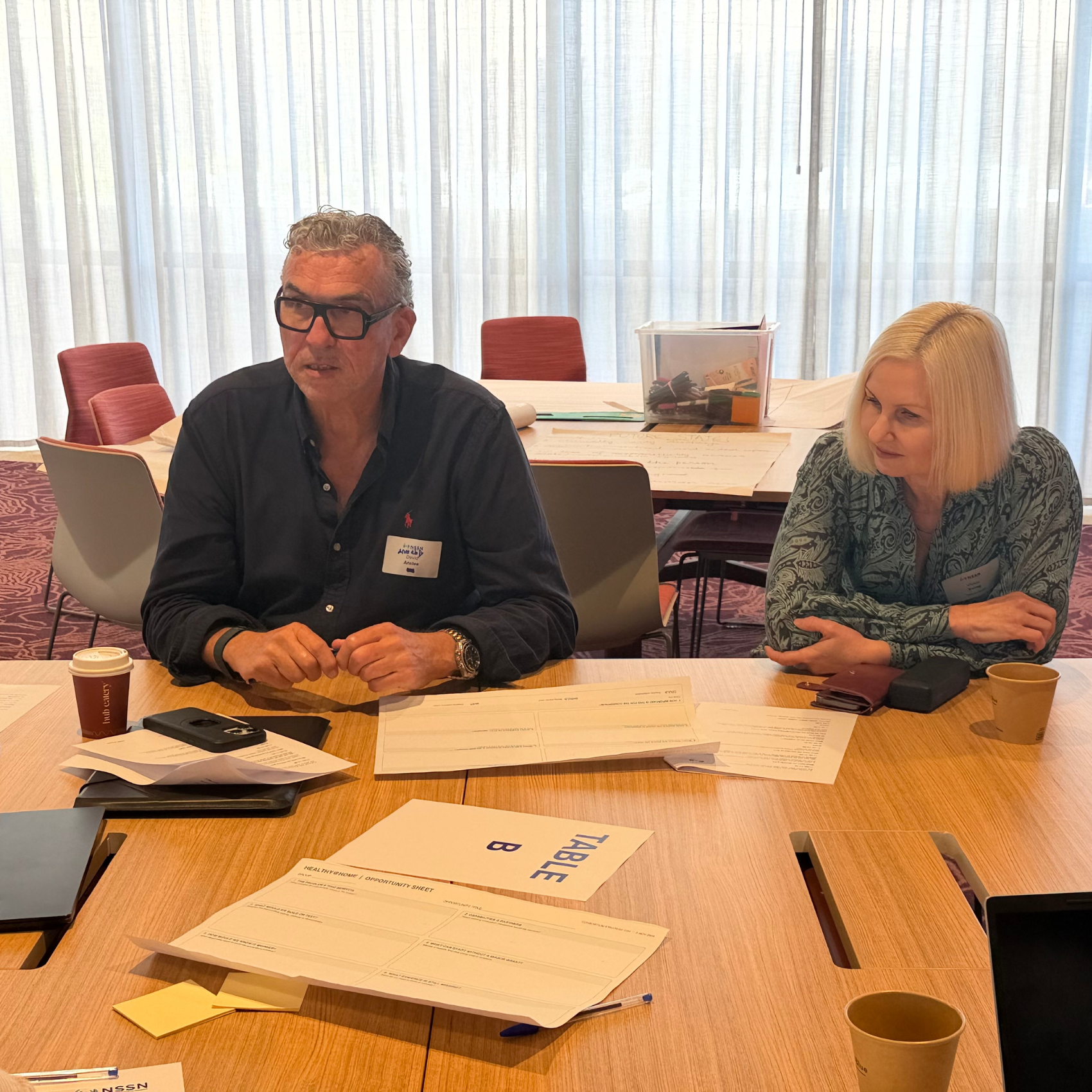
Representatives from 15 organisations attended the workshop.
Exploring a Healthy at Home Centre of Excellence
A proposed Healthy at Home Centre of Excellence would bring together the consortium’s research capabilities, clinical expertise and industry relationships to provide a trusted source of evidence, guidance and support for technology-enabled aged care.
The centre was participants’ most popular choice for the program’s next phase.
The centre could coordinate technology evaluation, facilitate collaboration, share research findings and communicate evidence-based recommendations to government, industry, healthcare providers and consumers.
Prof Egglestone described the proposal as an opportunity to bring existing work together “in a cohesive, comprehensible, and credible way”.
After the workshop, Prof Egglestone expanded on Homeward, a proposed live demonstration of how existing technologies and expertise within the consortium could support an older person’s transition from hospital to home.
“The Healthy at Home consortium could create Homeward, a live end-to-end demonstrator showing how an older person can move from hospital to home with sensing, evidence-based interpretation, clinical and service response, and interoperable data, using capabilities already present within the consortium,” he said.
The initiative could help demonstrate how smart sensing technologies, clinical care and connected health data can work together to support safer transitions home, while generating evidence to inform wider adoption.
The workshop’s emerging priorities and participant feedback will help shape the Healthy at Home strategy for 2027–2032, which is now under consortium review.
The focus will be on translating ideas into practical, collaborative initiatives that improve care and quality of life for older Australians, while developing an evidence base and model of care that could be adopted nationally.