From a napkin sketch to 81 impactful projects: NSSN celebrates 10 years
The idea for the NSW Smart Sensing Network began in 2015 with a hot chocolate, a conversation and a concept sketched “on the back of a napkin”.
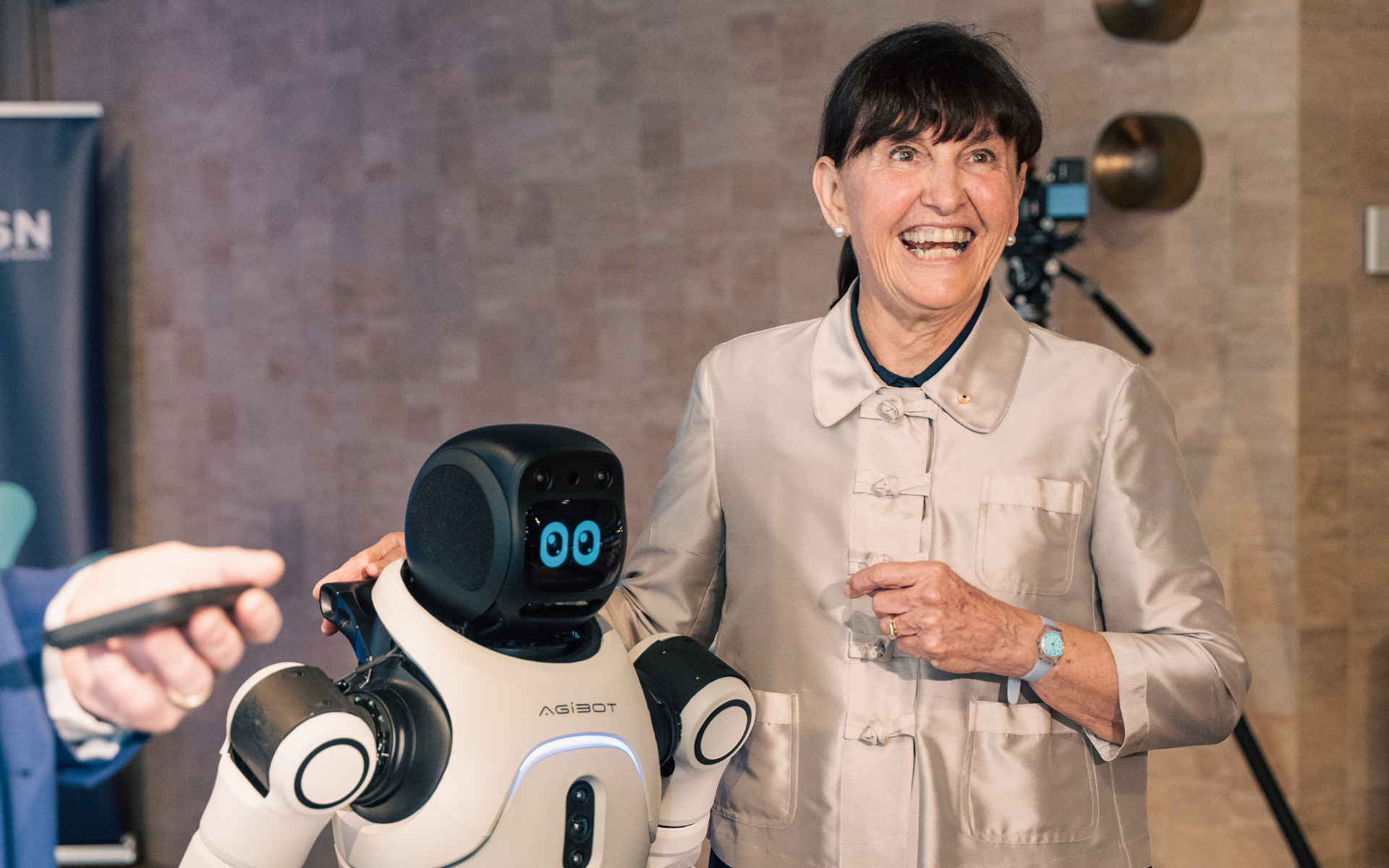
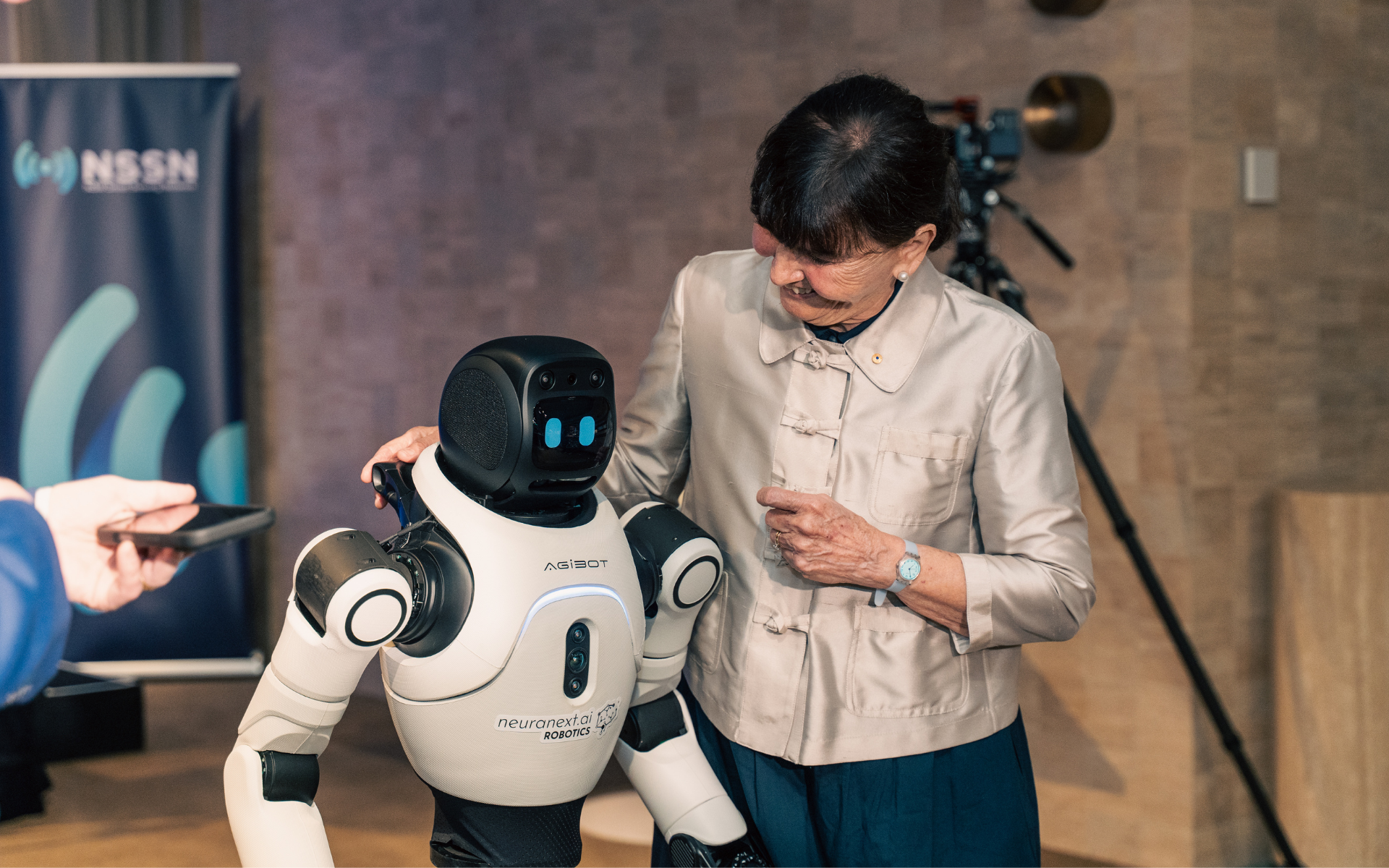
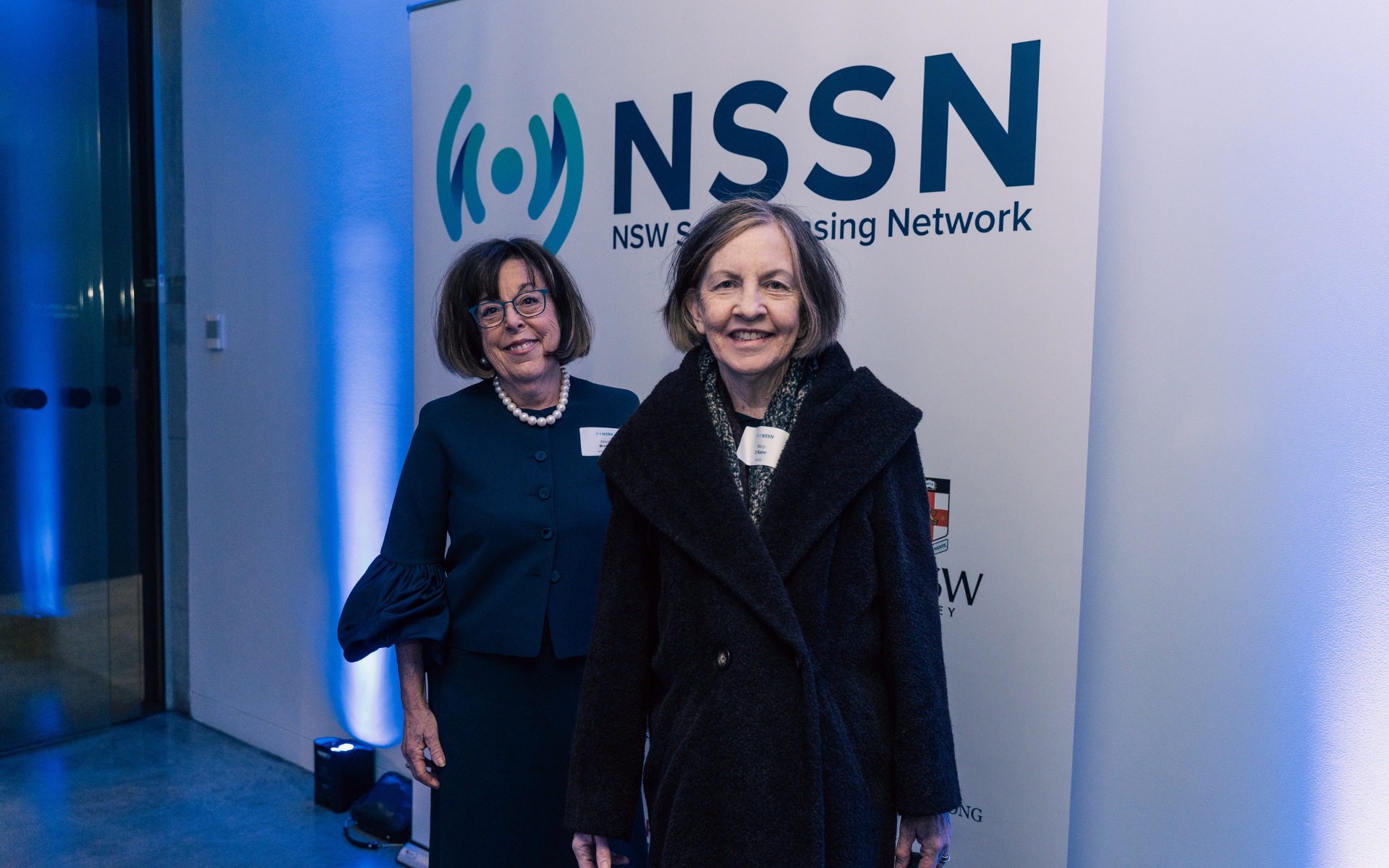
At the network’s 10th anniversary celebration at the Museum of Contemporary Art in Sydney on Monday night, NSSN Co-Director Prof Ben Eggleton recalled how then NSW Chief Scientist Prof Mary O’Kane brought him together with UNSW Scientia Prof Justin Gooding and encouraged them to collaborate.
Prof Eggleton, a photonics expert from the University of Sydney, and Prof Gooding, an expert in sensors and nanotechnology, had not previously known each other, but left the meeting and immediately began to develop the idea.
“We literally caught the lift down to the lobby of the MLC Centre, went to a cafe, sat down, had a hot chocolate, talked it through on the back of a napkin, and sketched out the NSSN,” Prof Eggleton said.
What began as an idea to connect NSW’s world-leading but dispersed sensing expertise was formally established as the NSSN in 2016.
A decade later, it has grown into a research network connecting universities, industry and government in NSW and the ACT to solve real-world challenges through smart sensing.
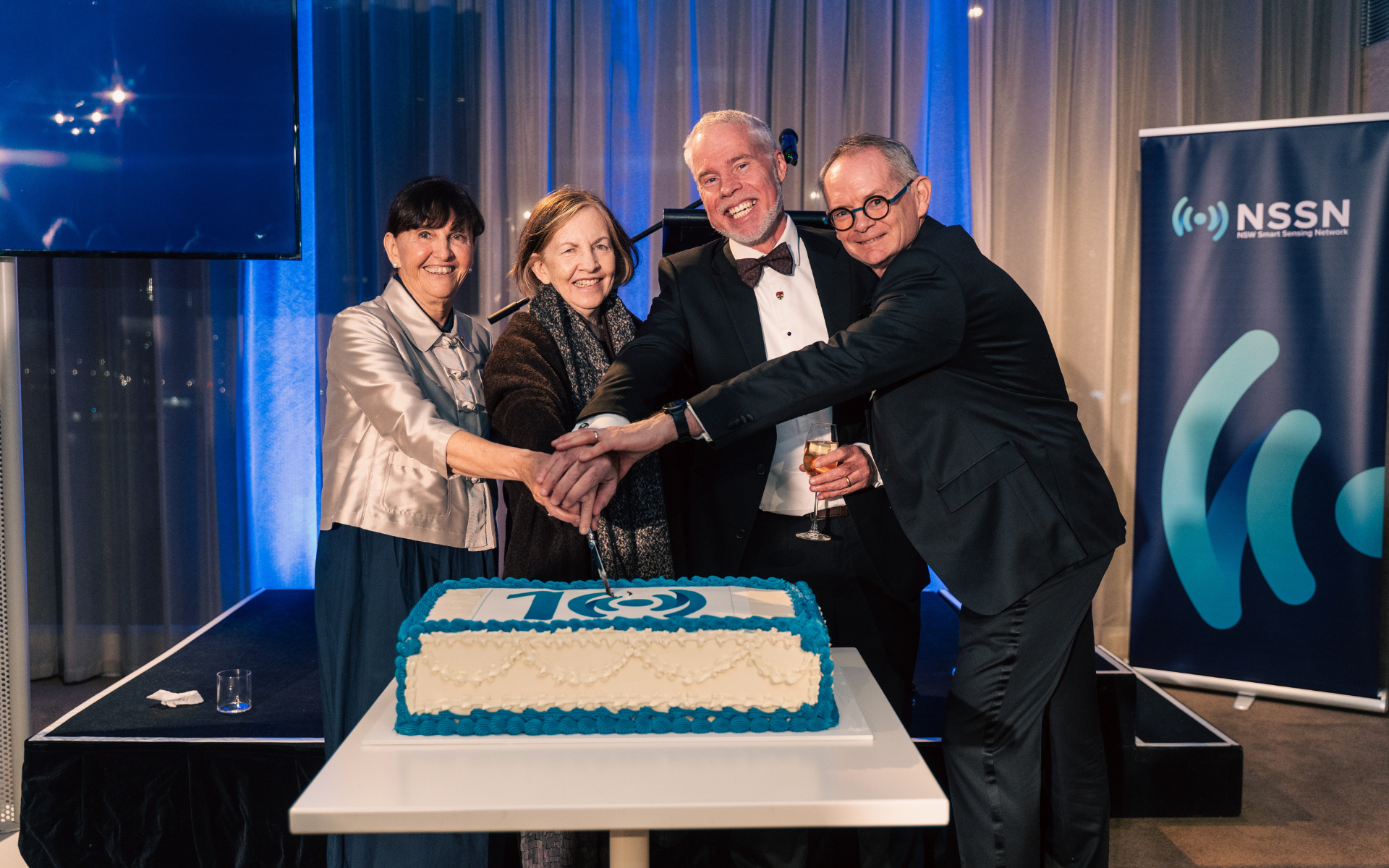
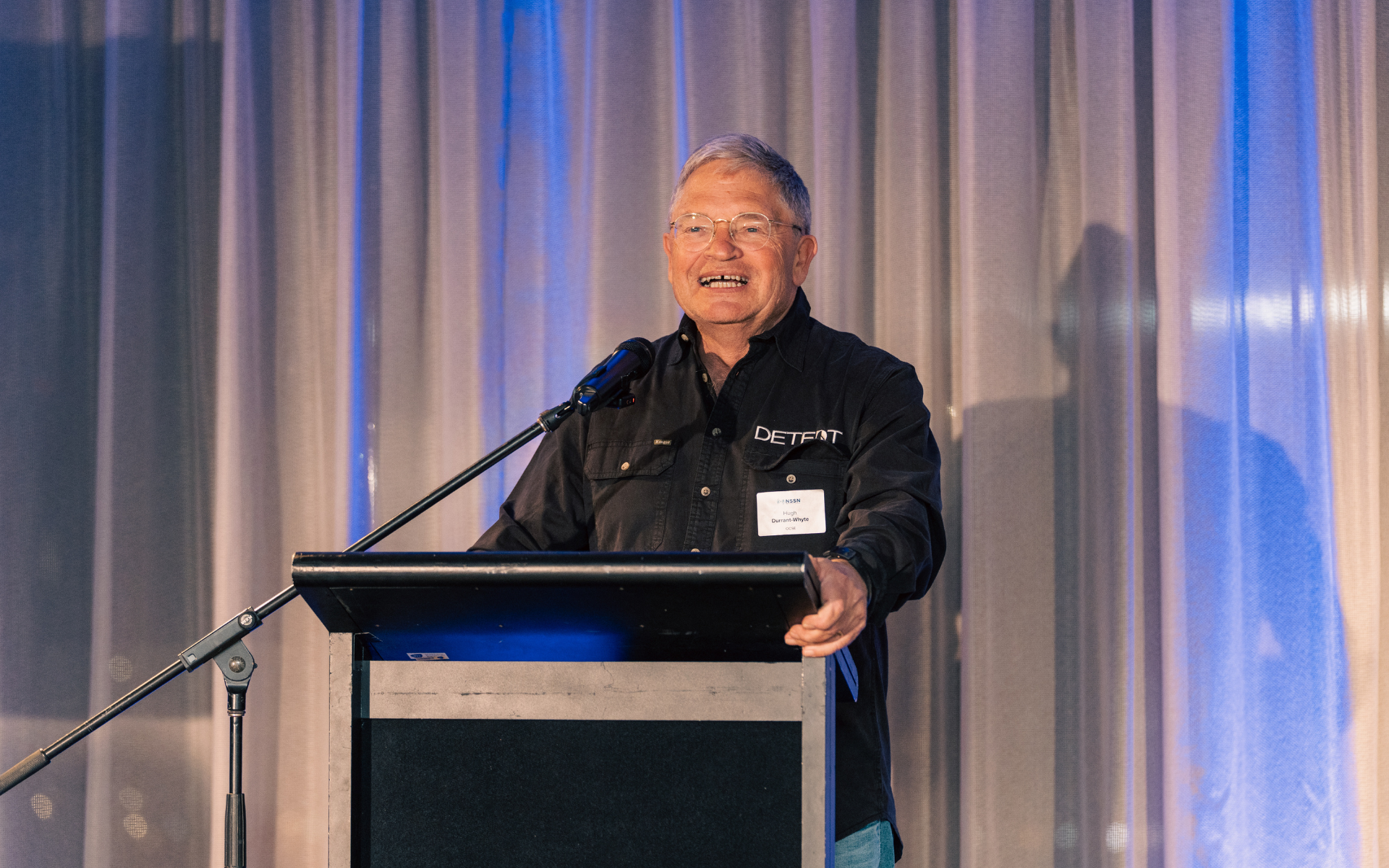
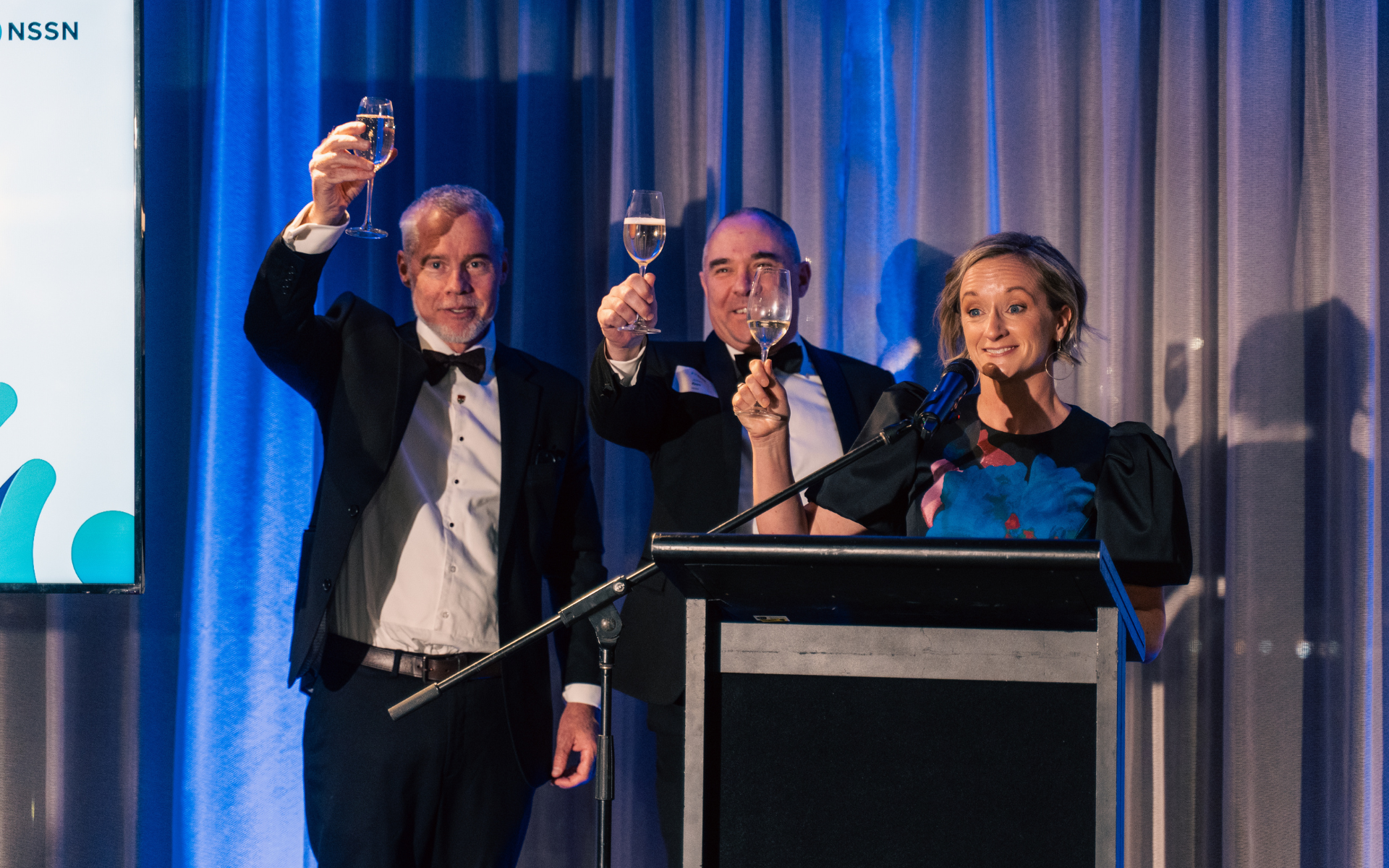
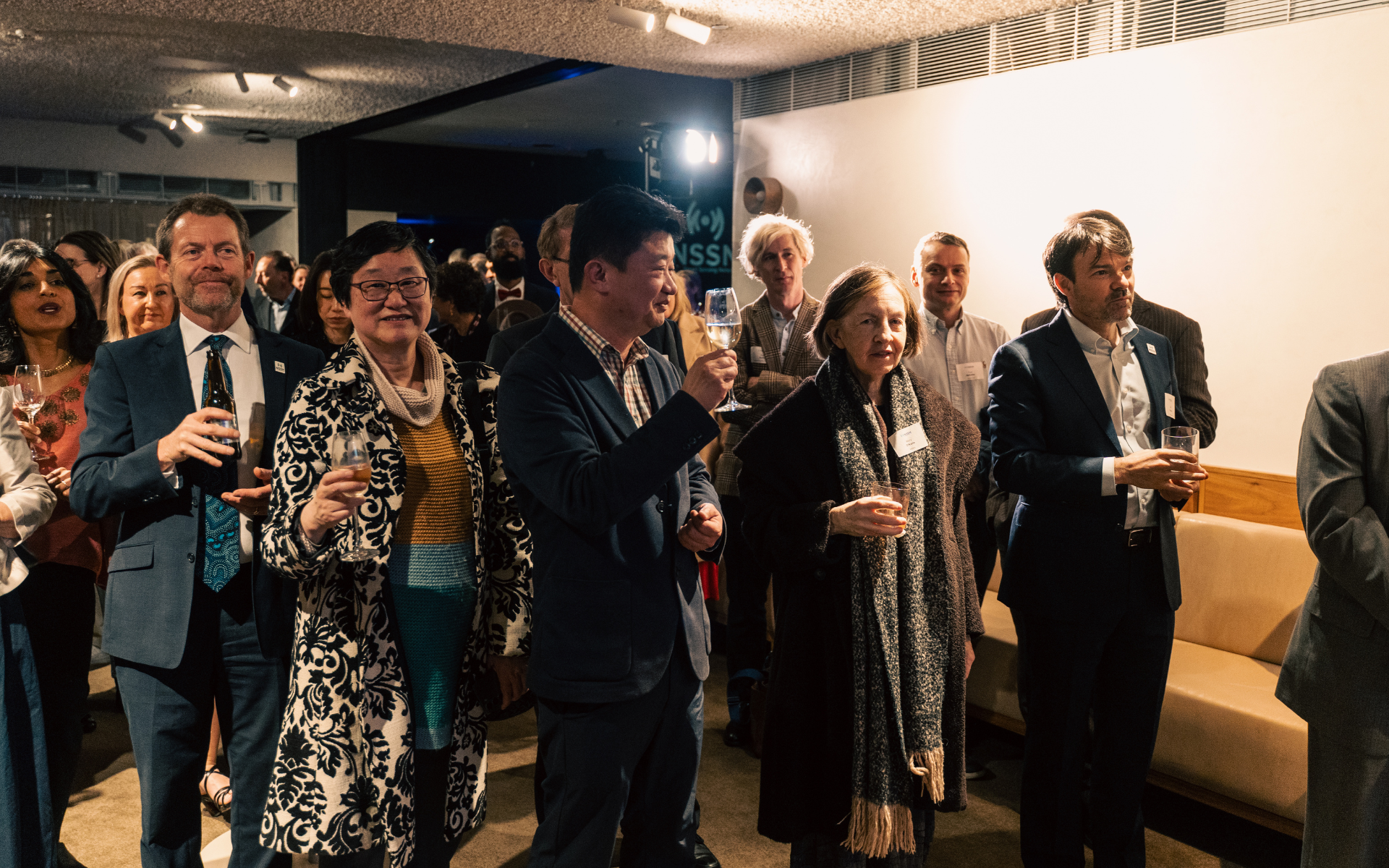
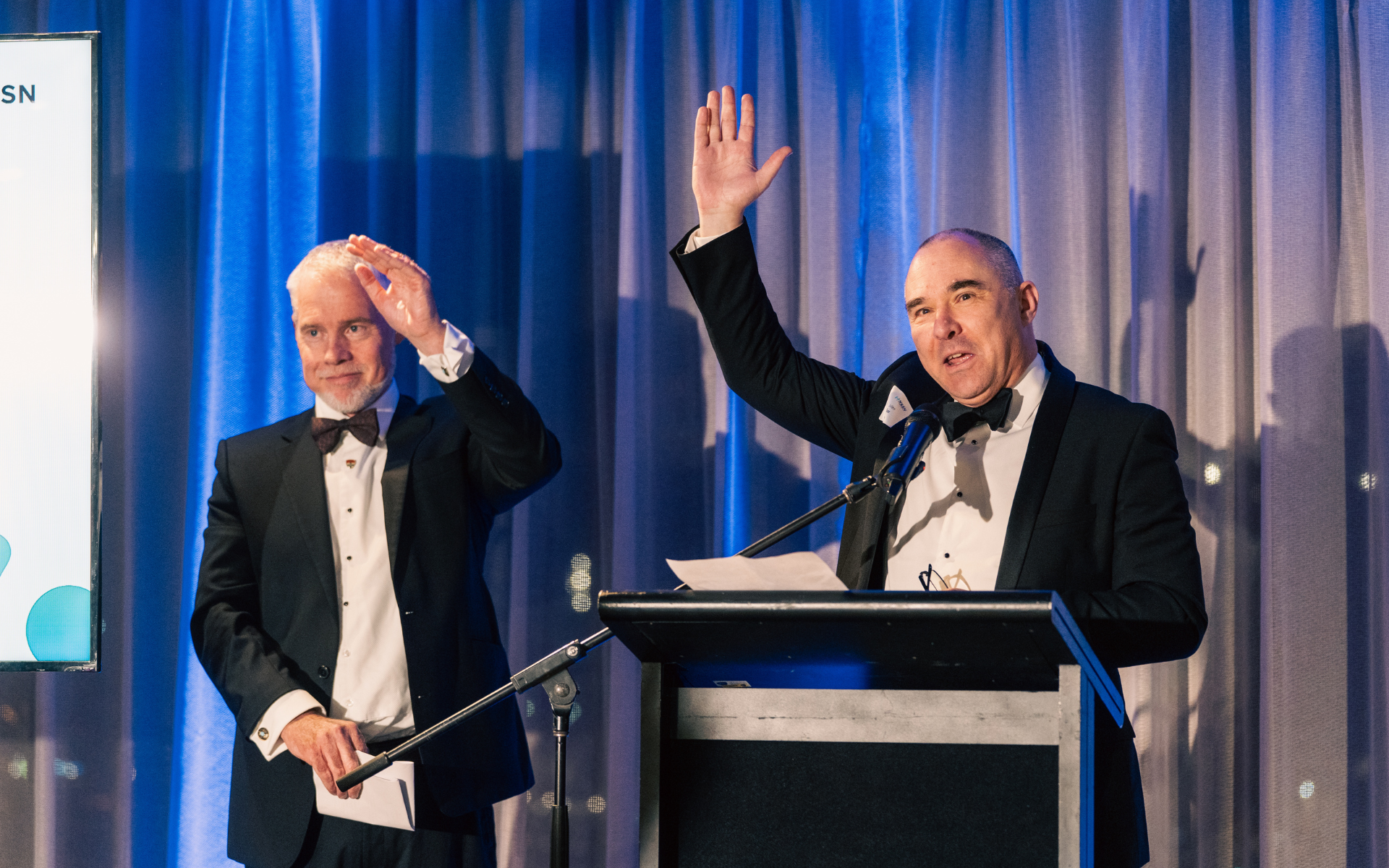
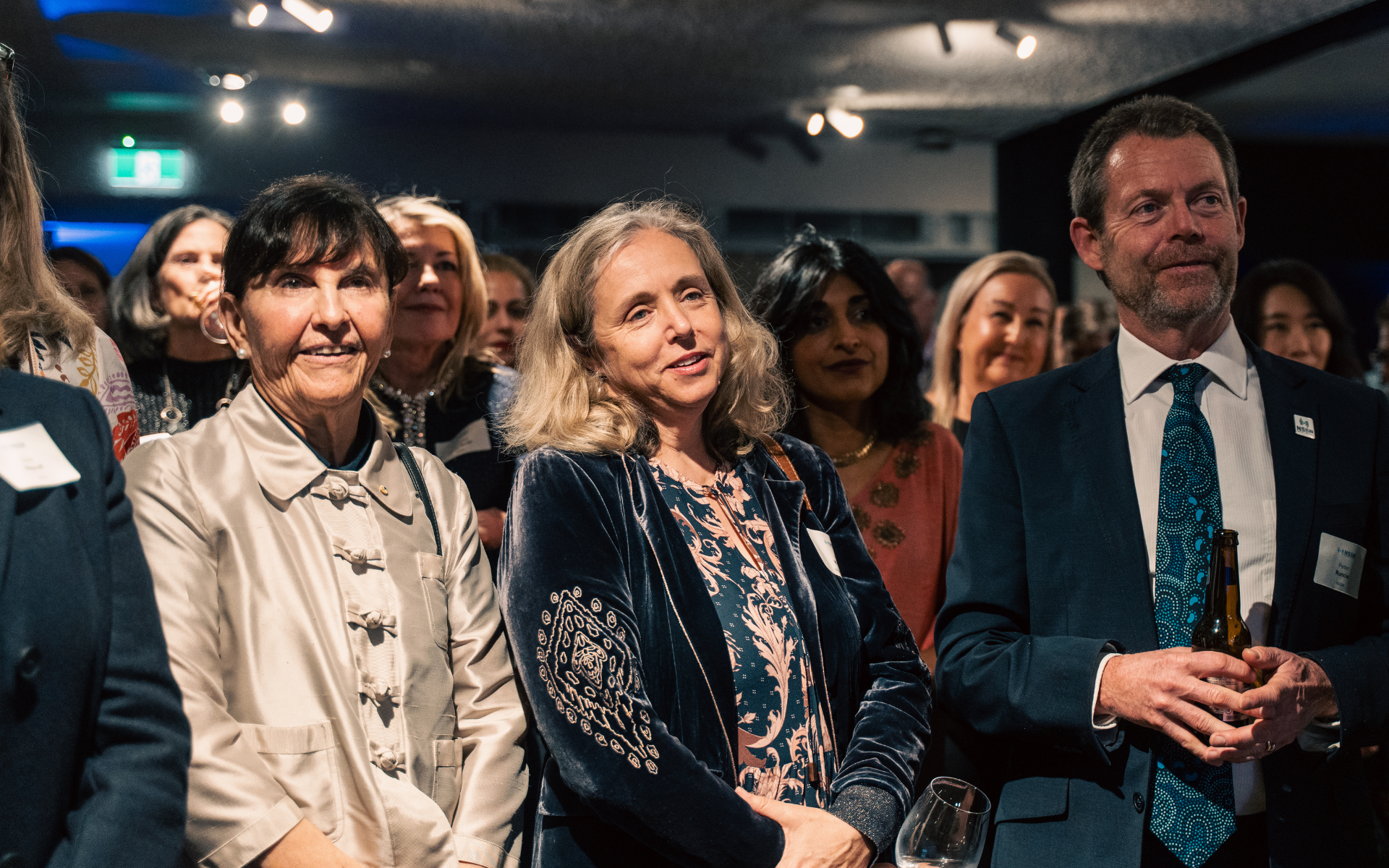
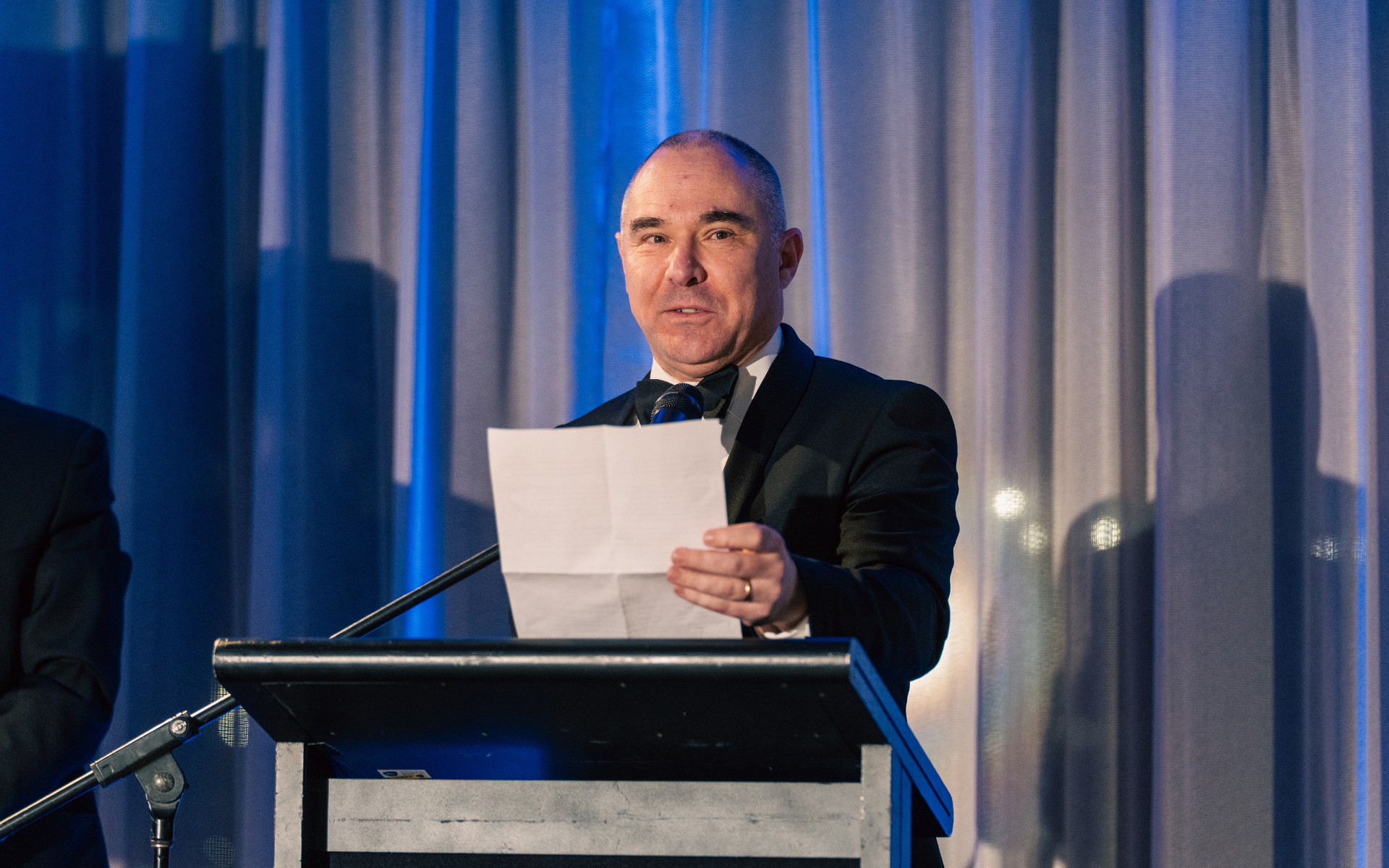
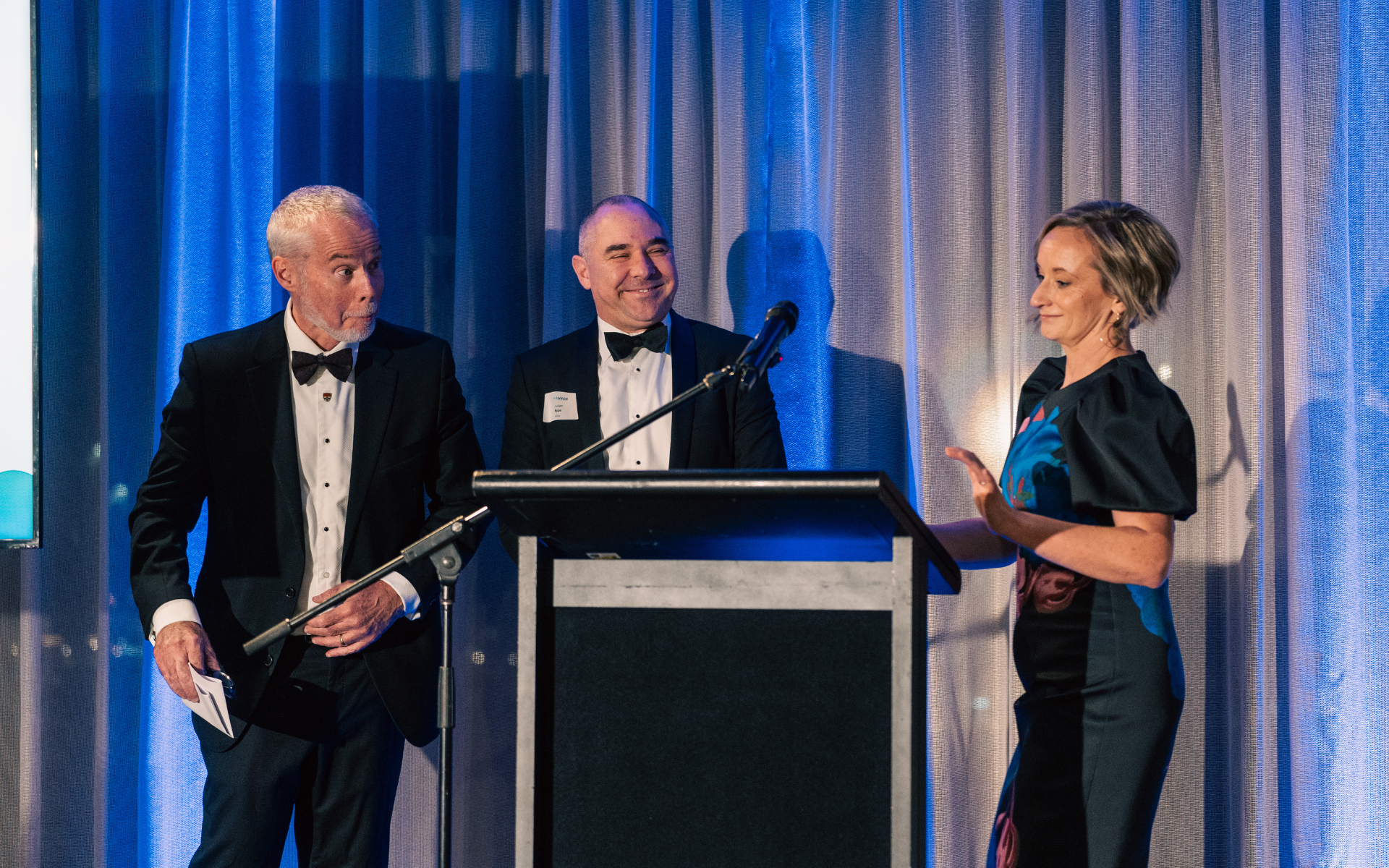
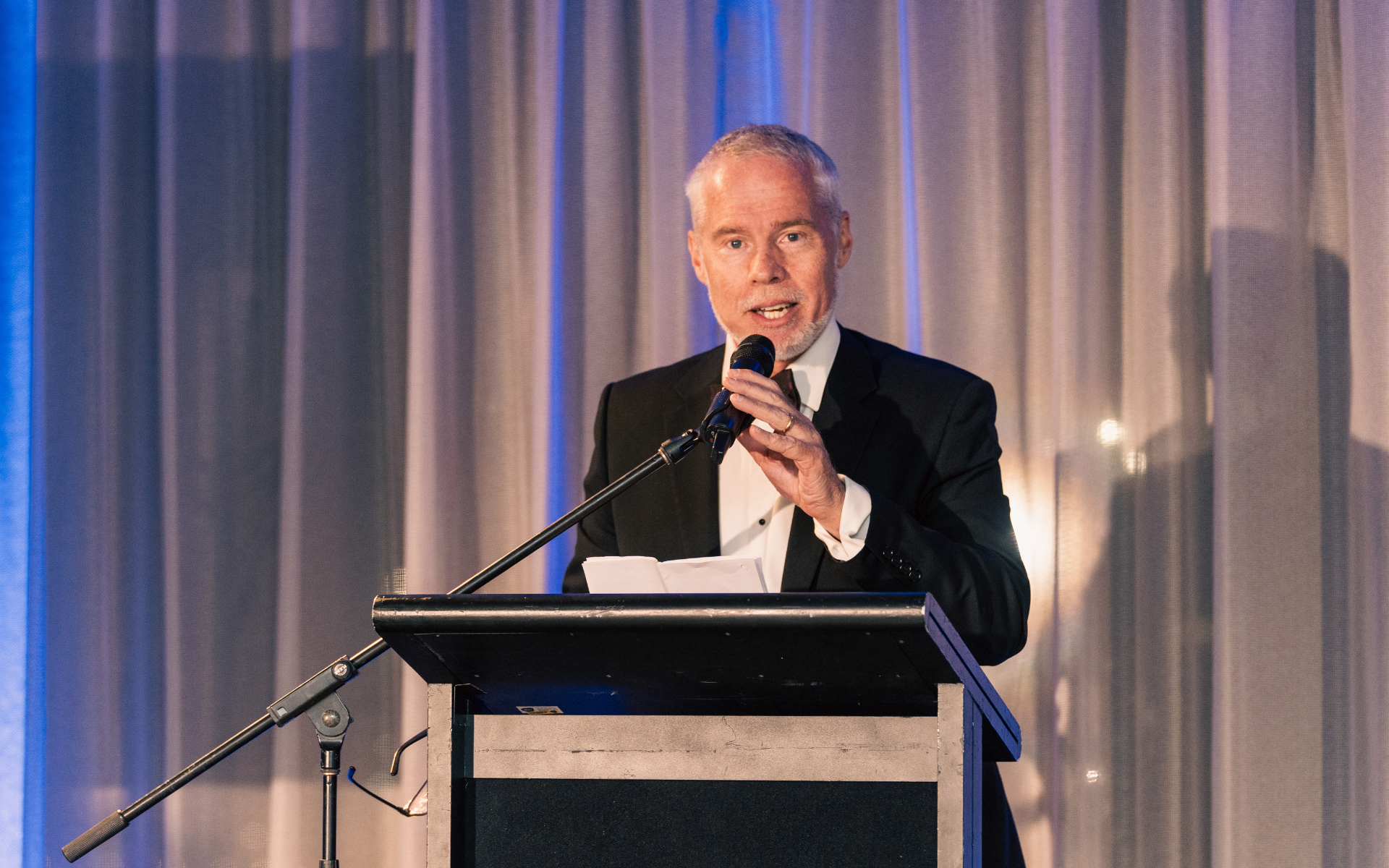
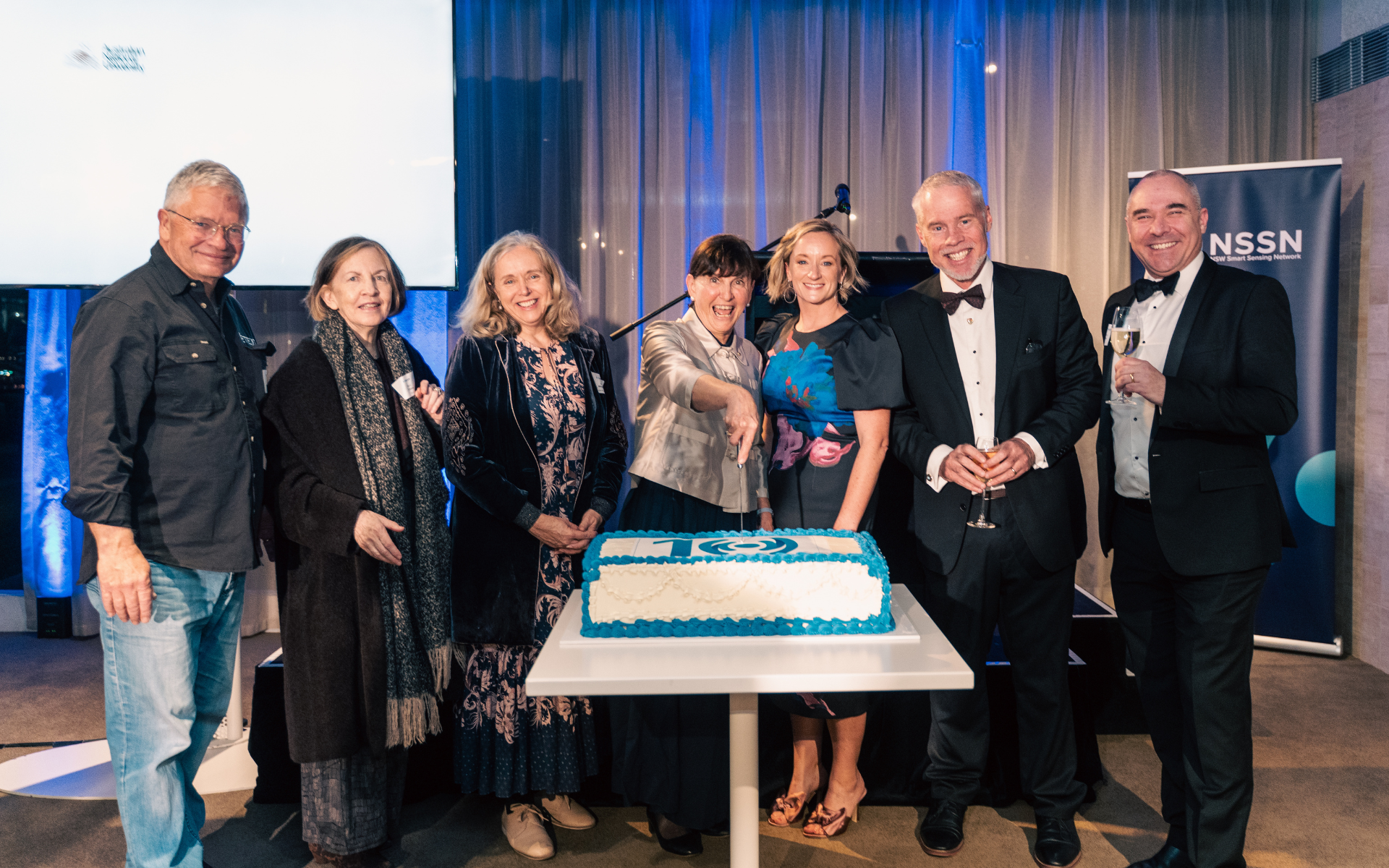
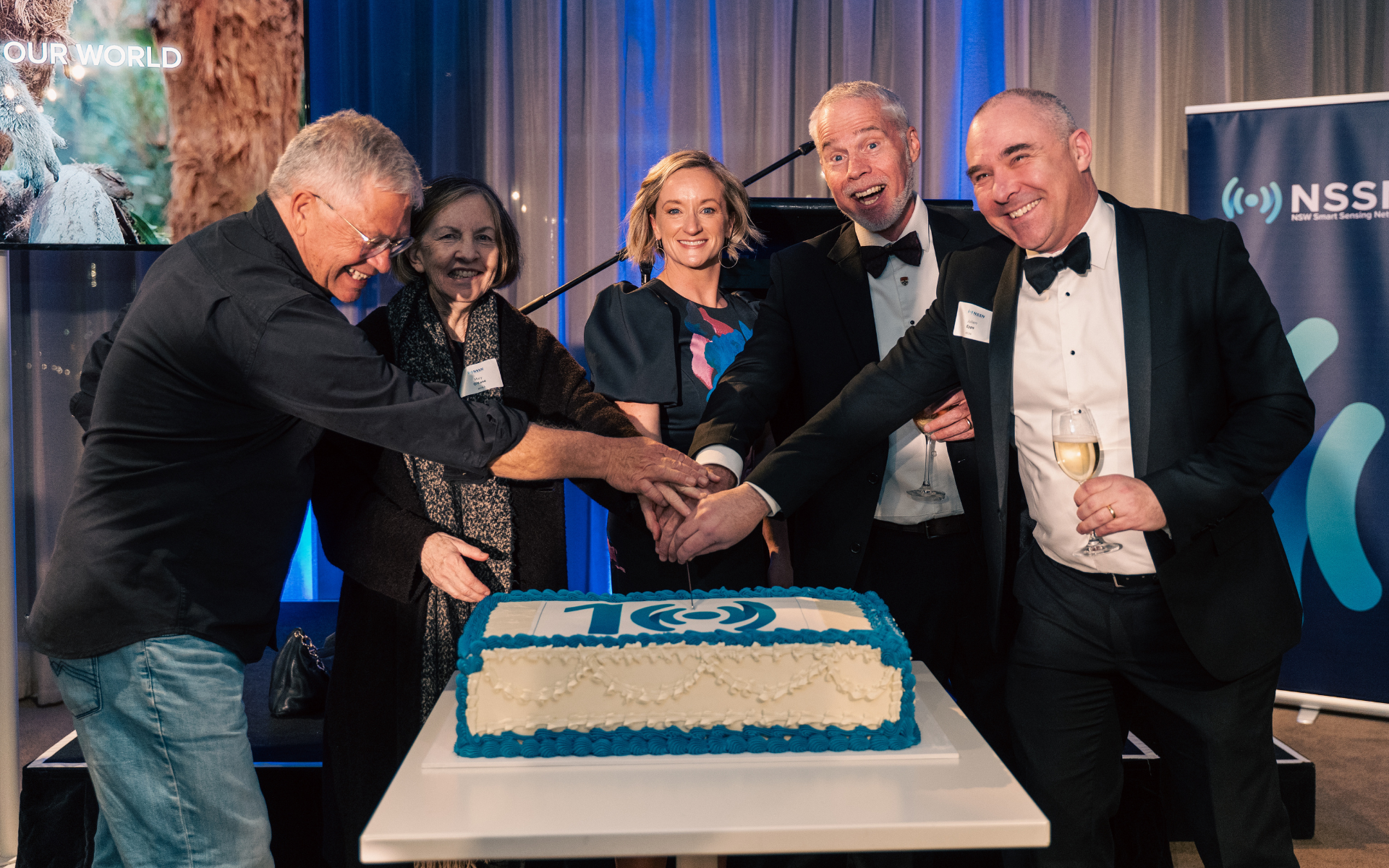
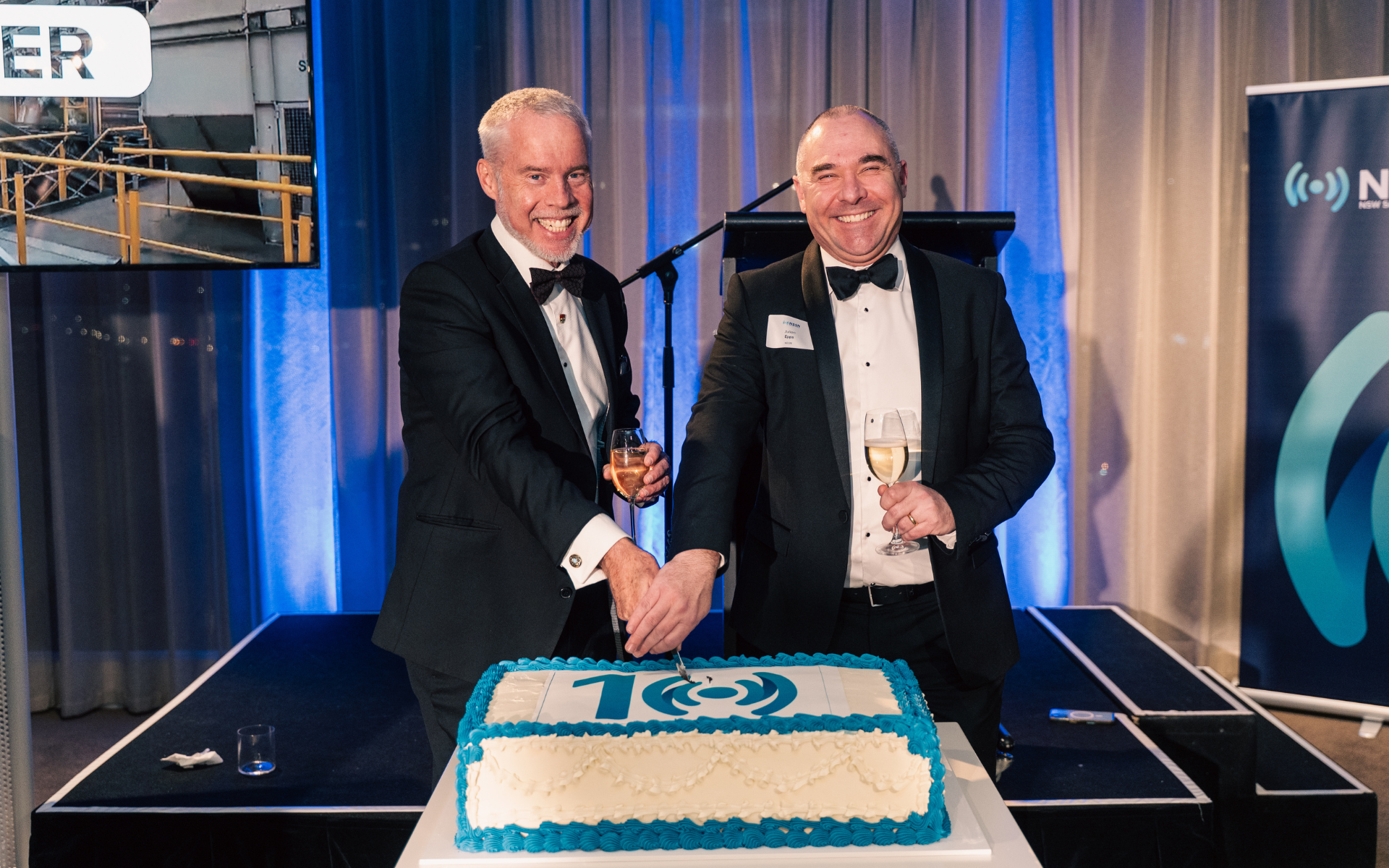

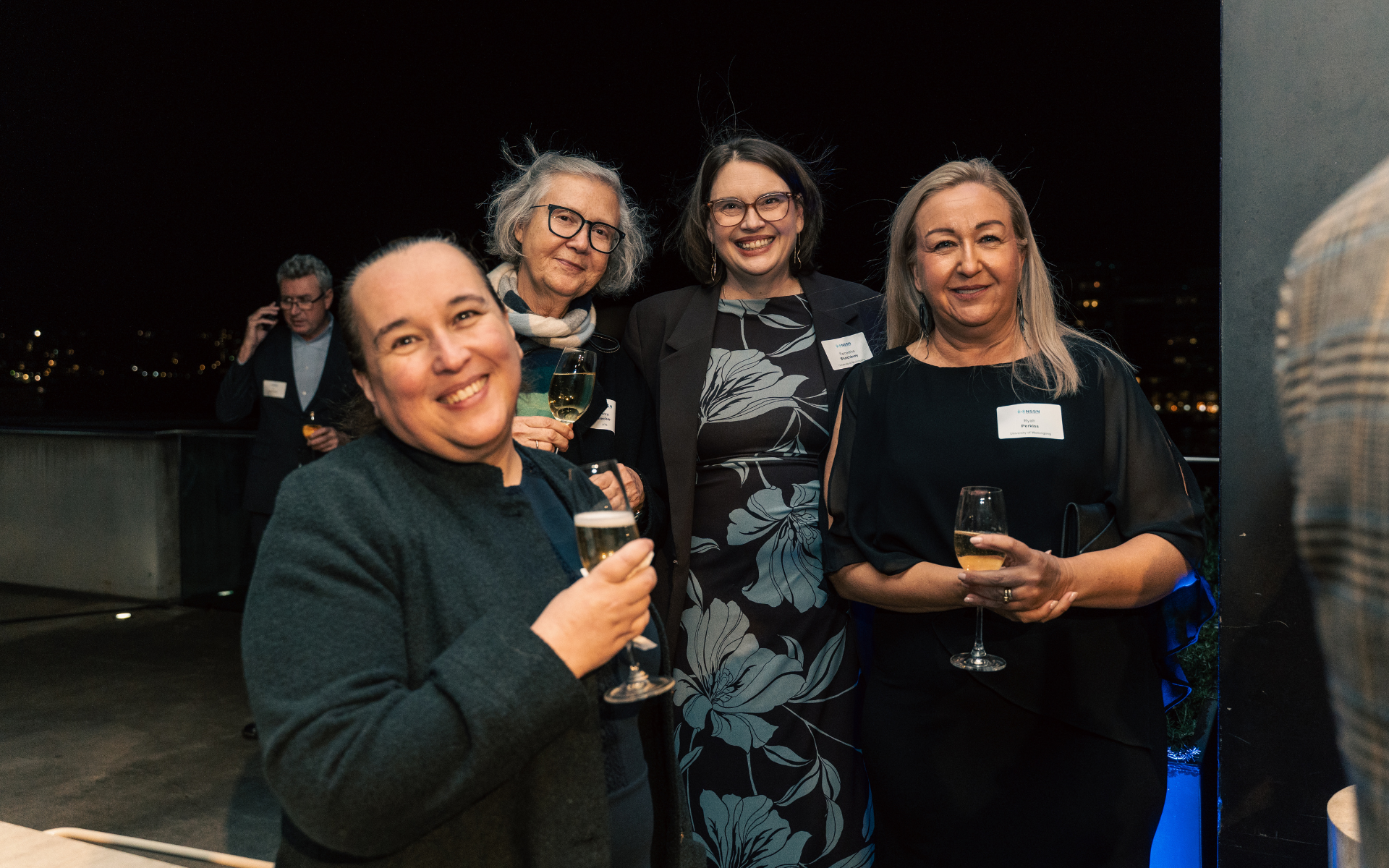
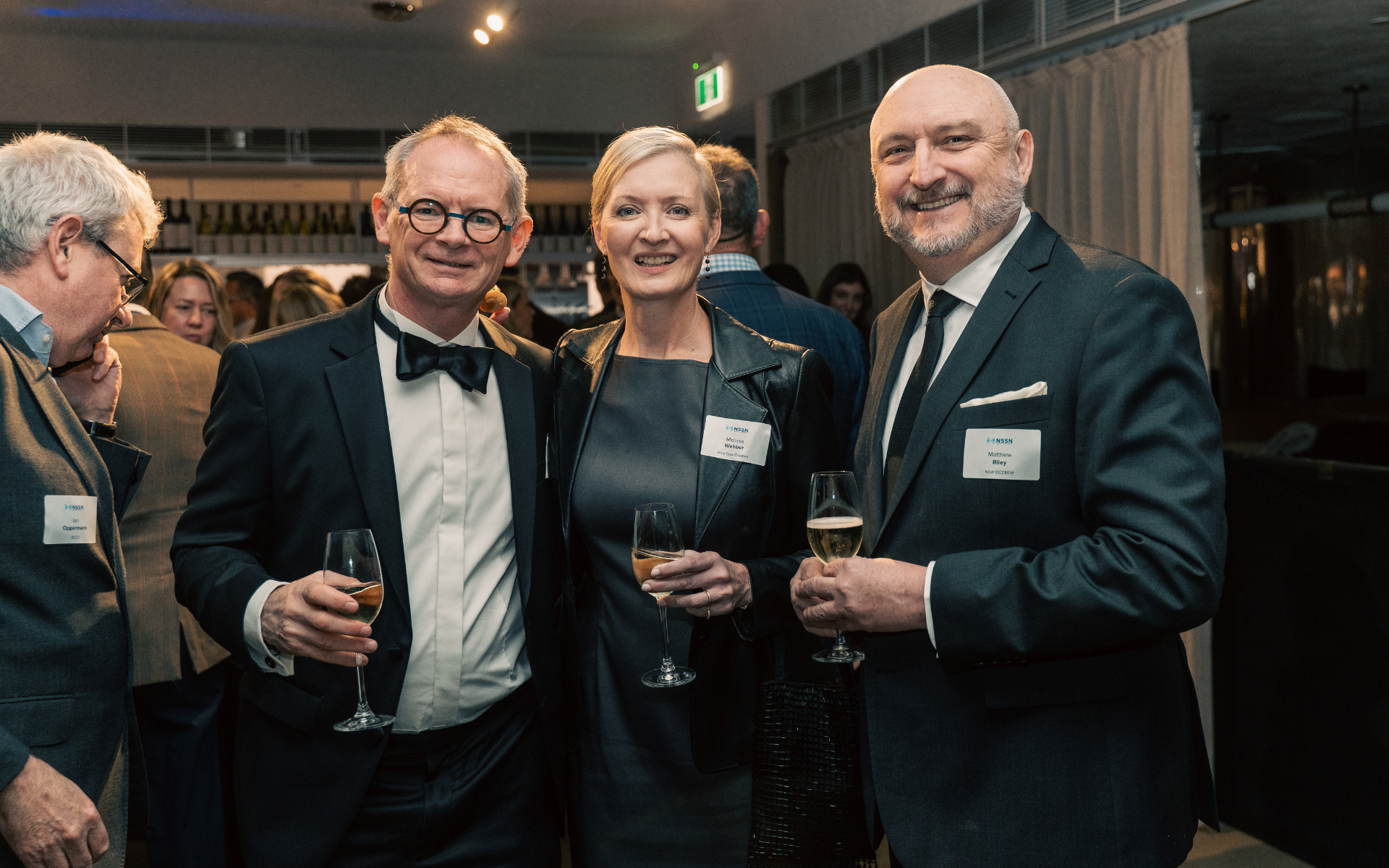
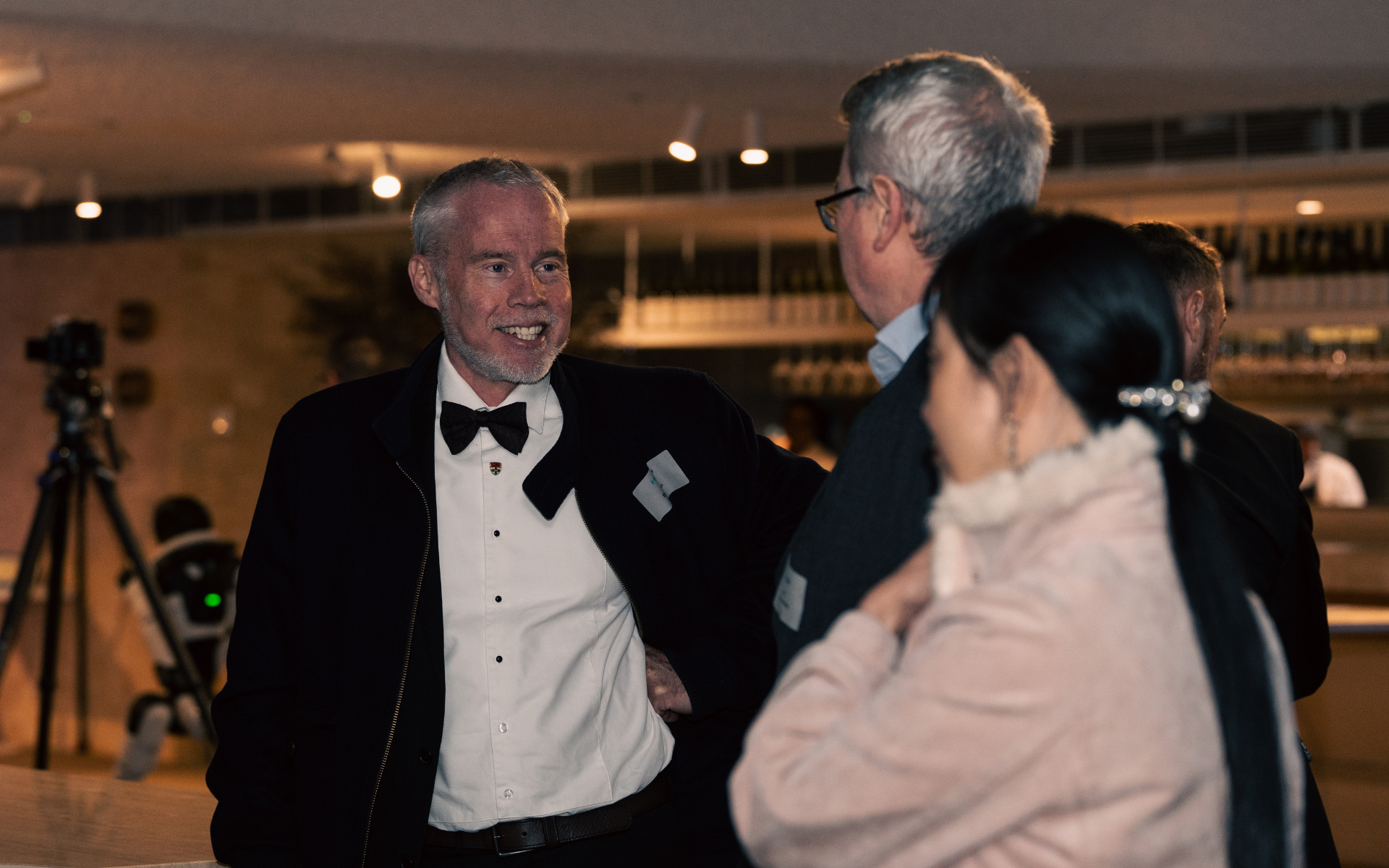
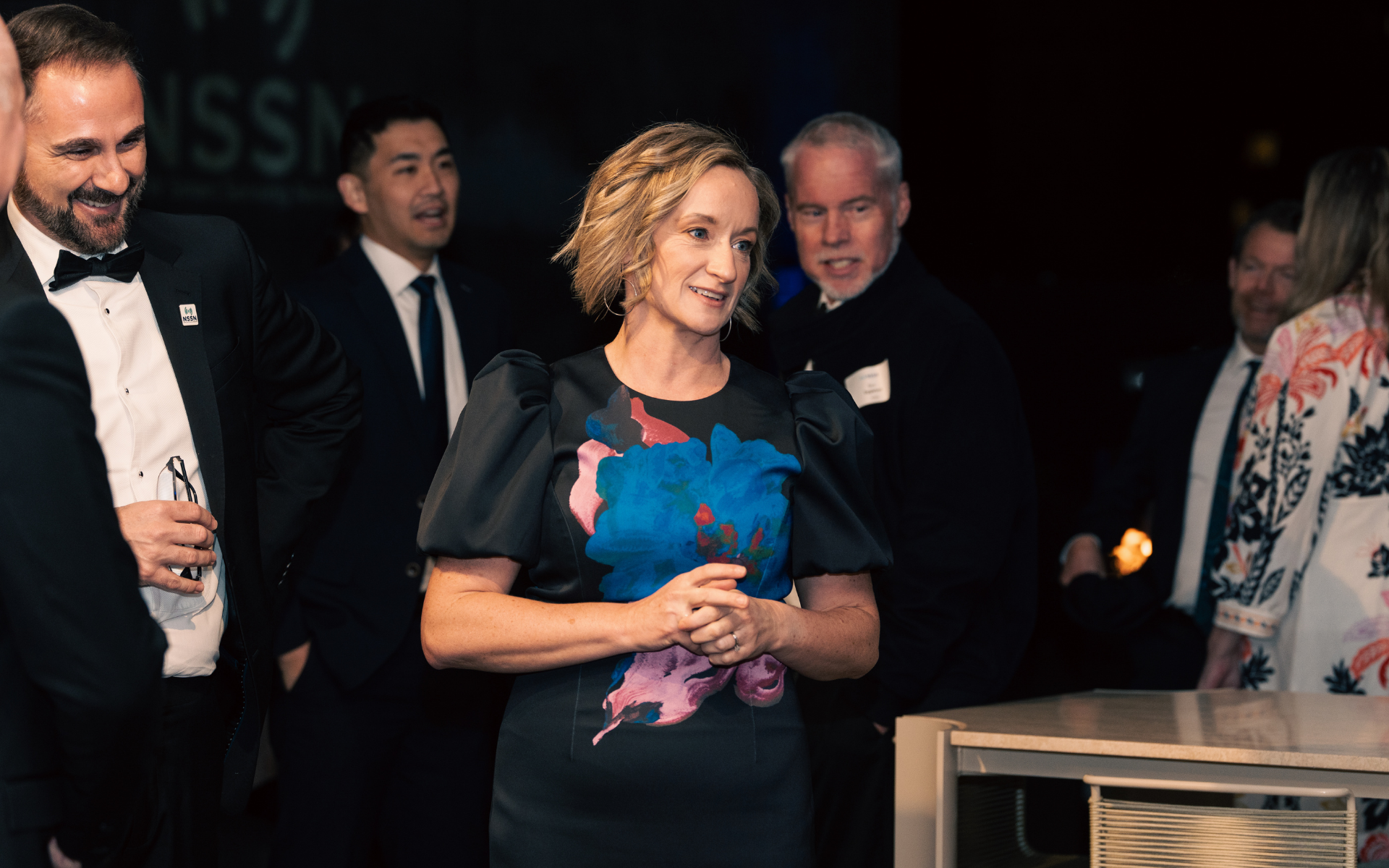
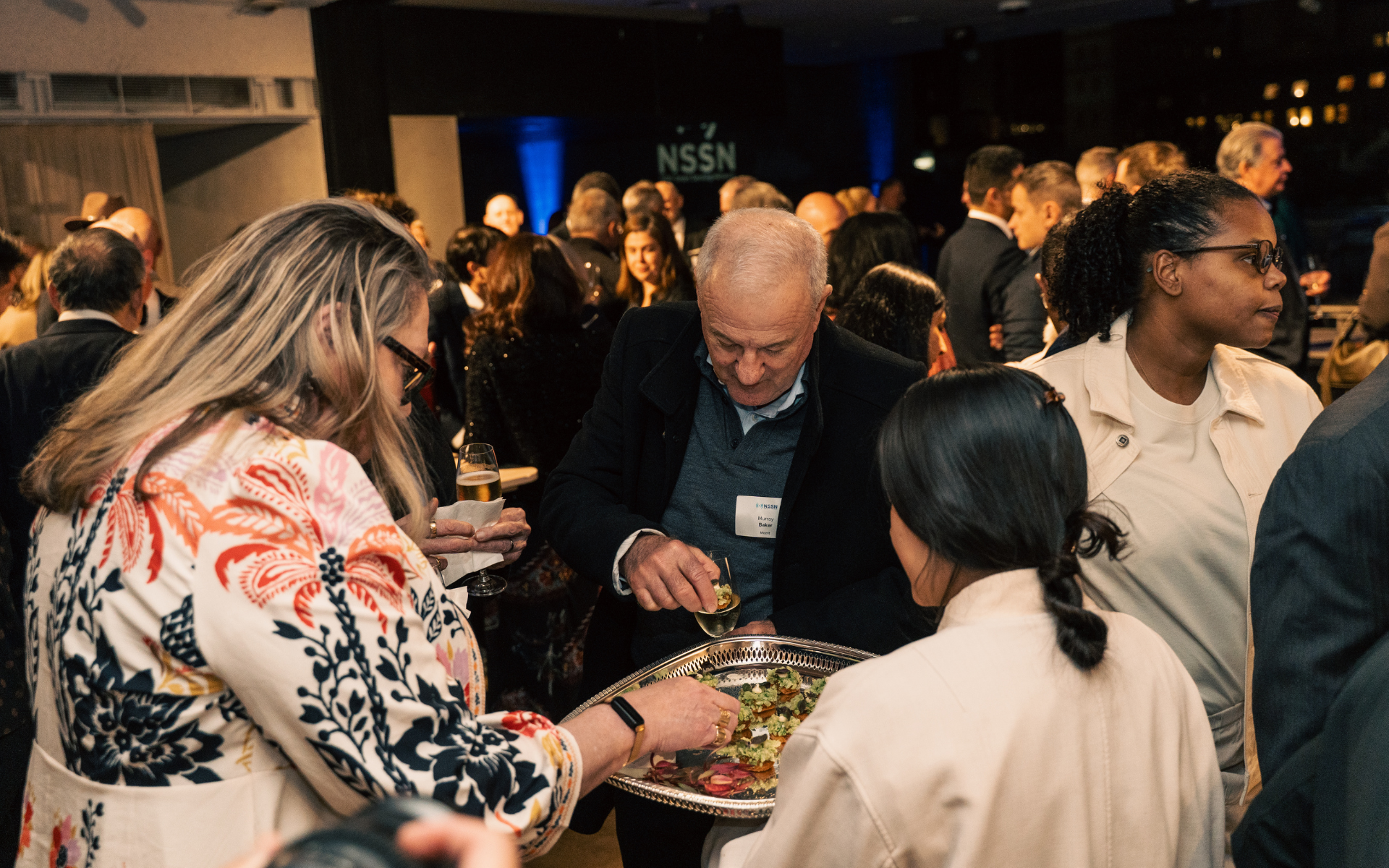
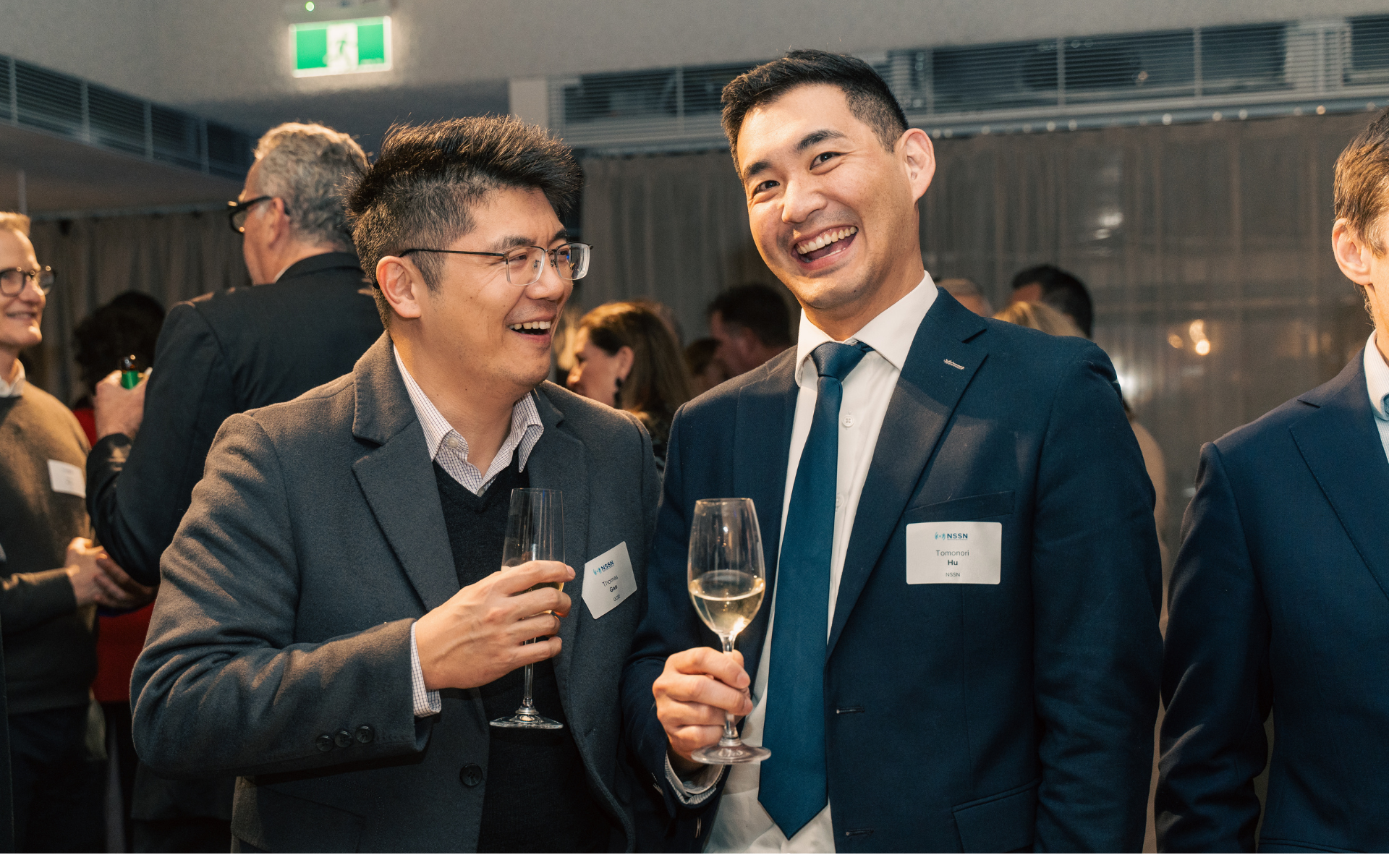
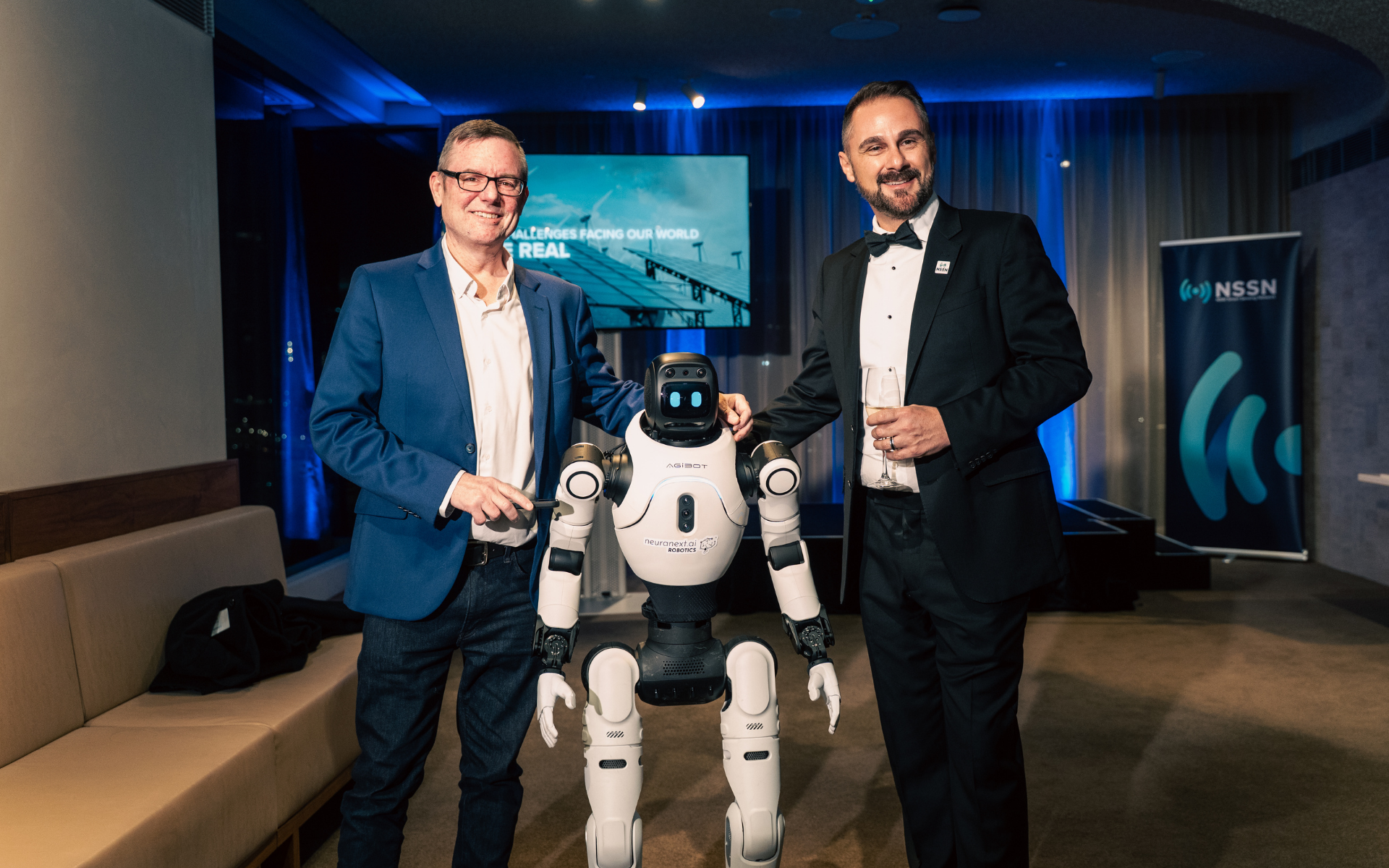
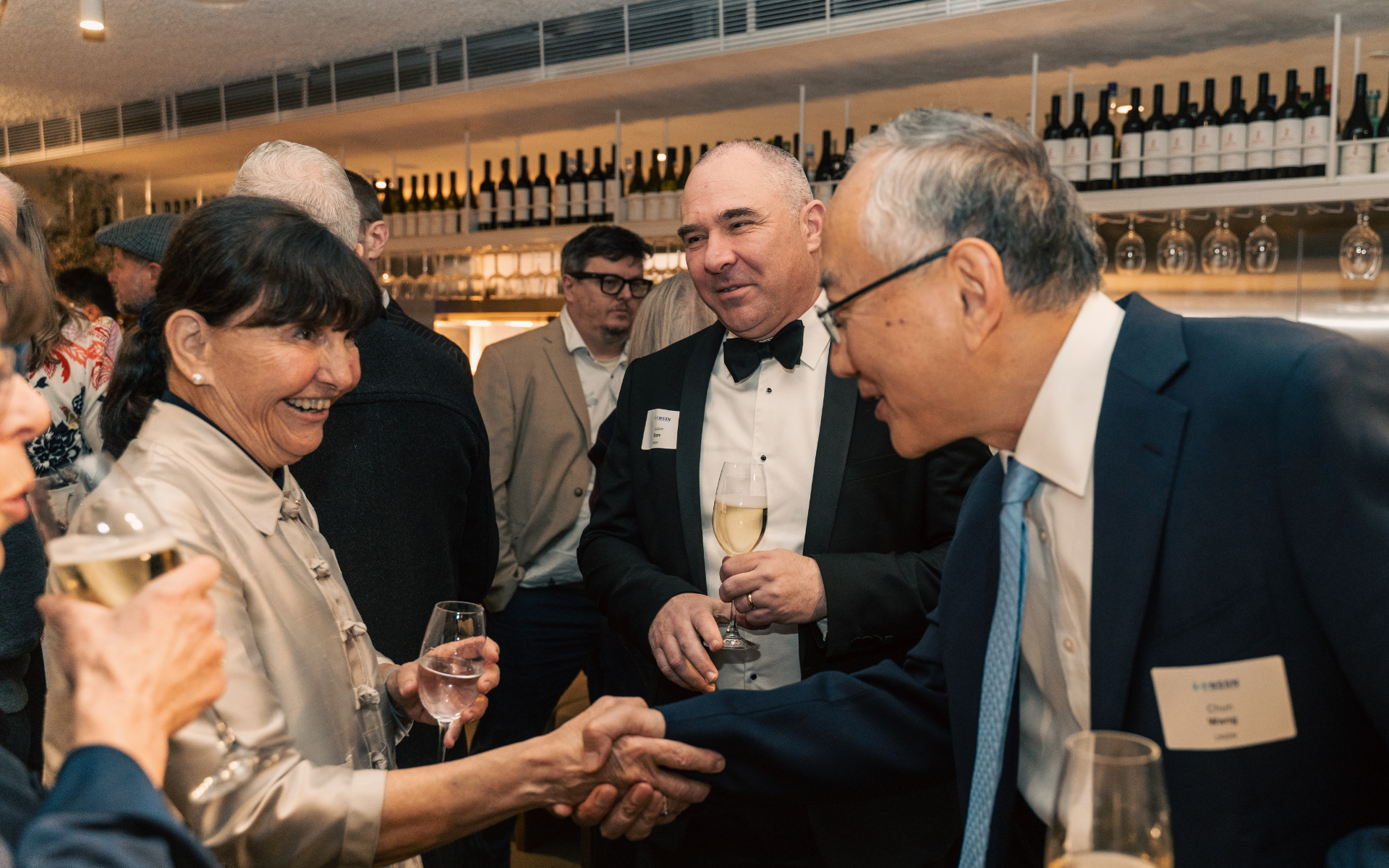
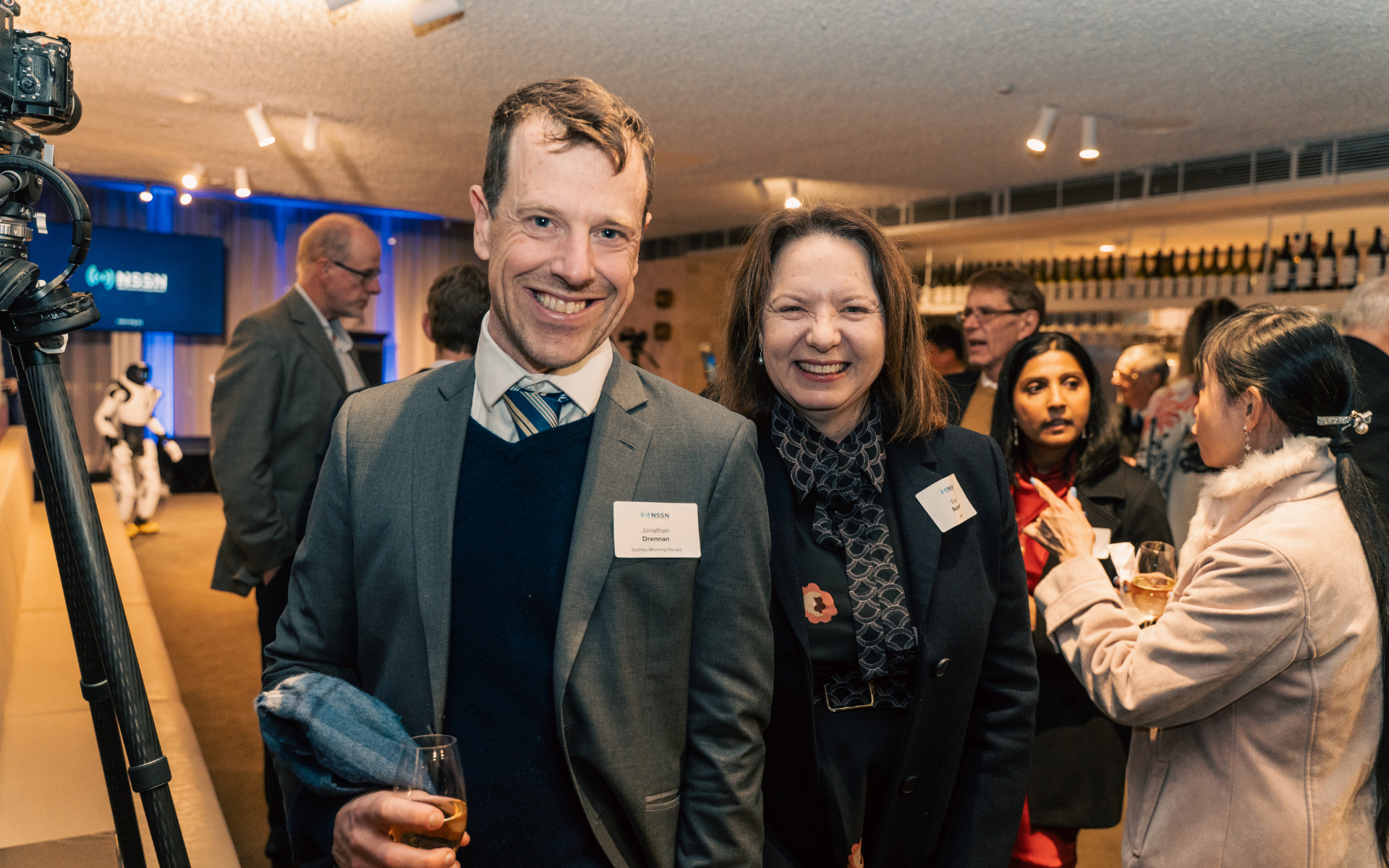
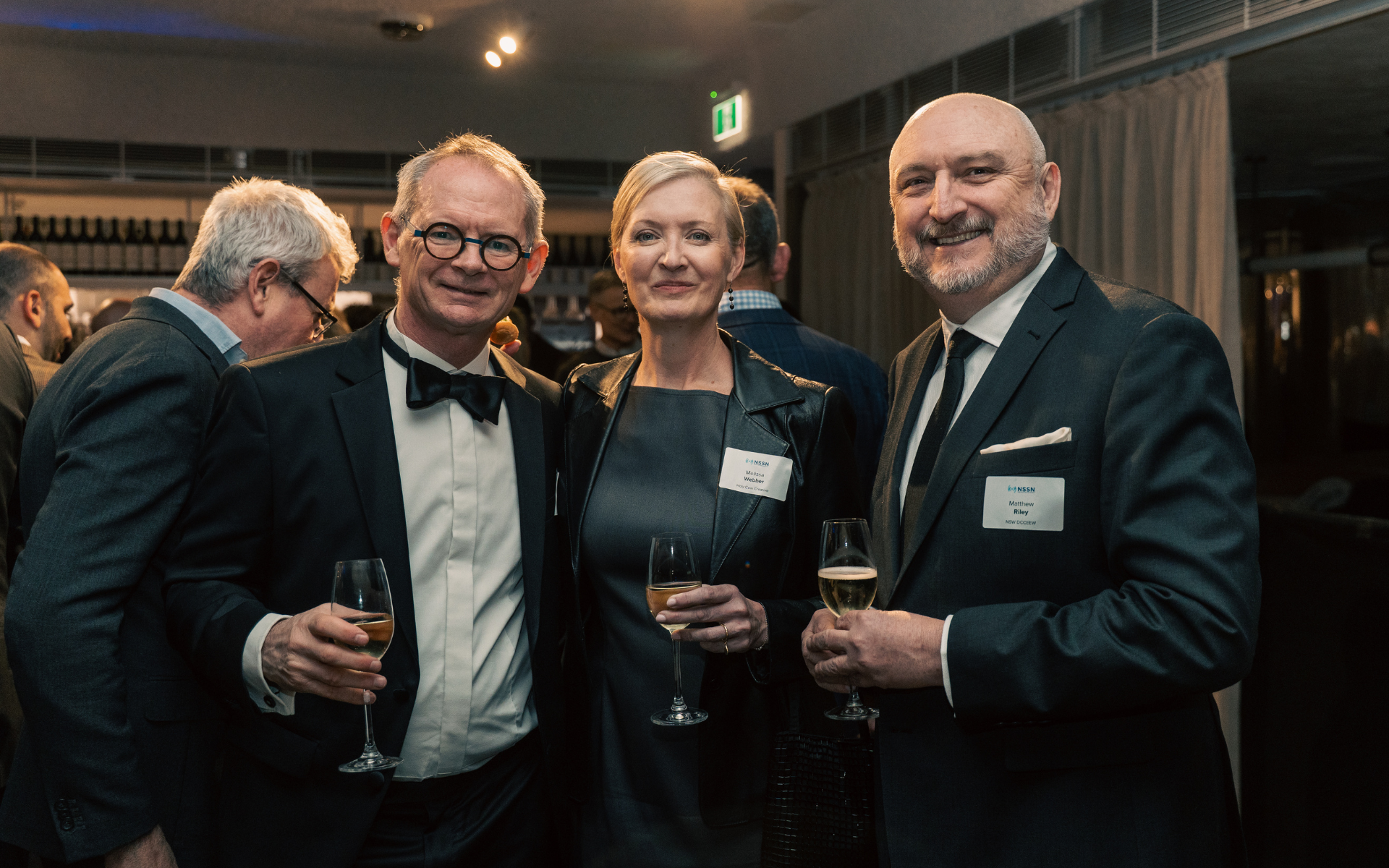
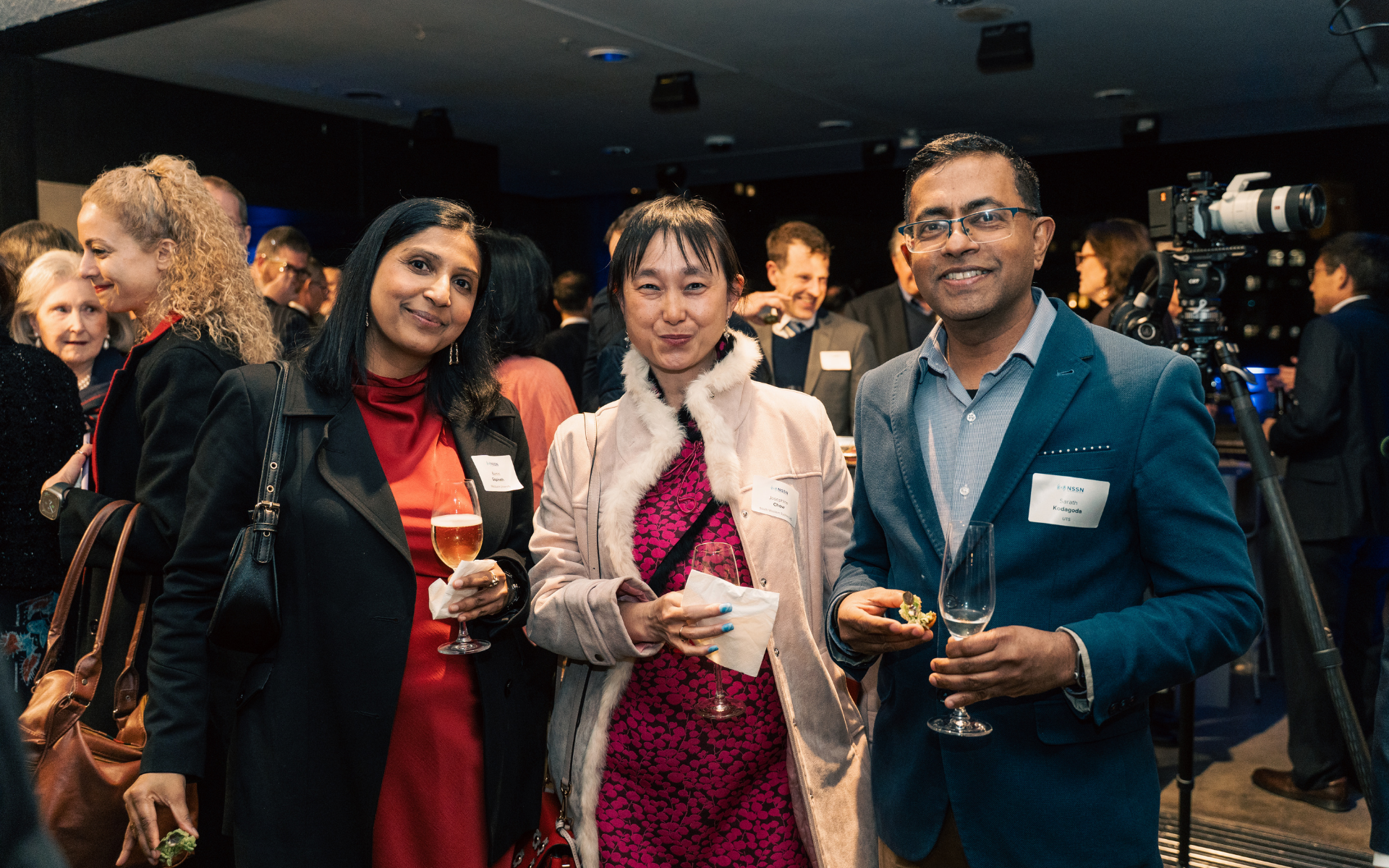
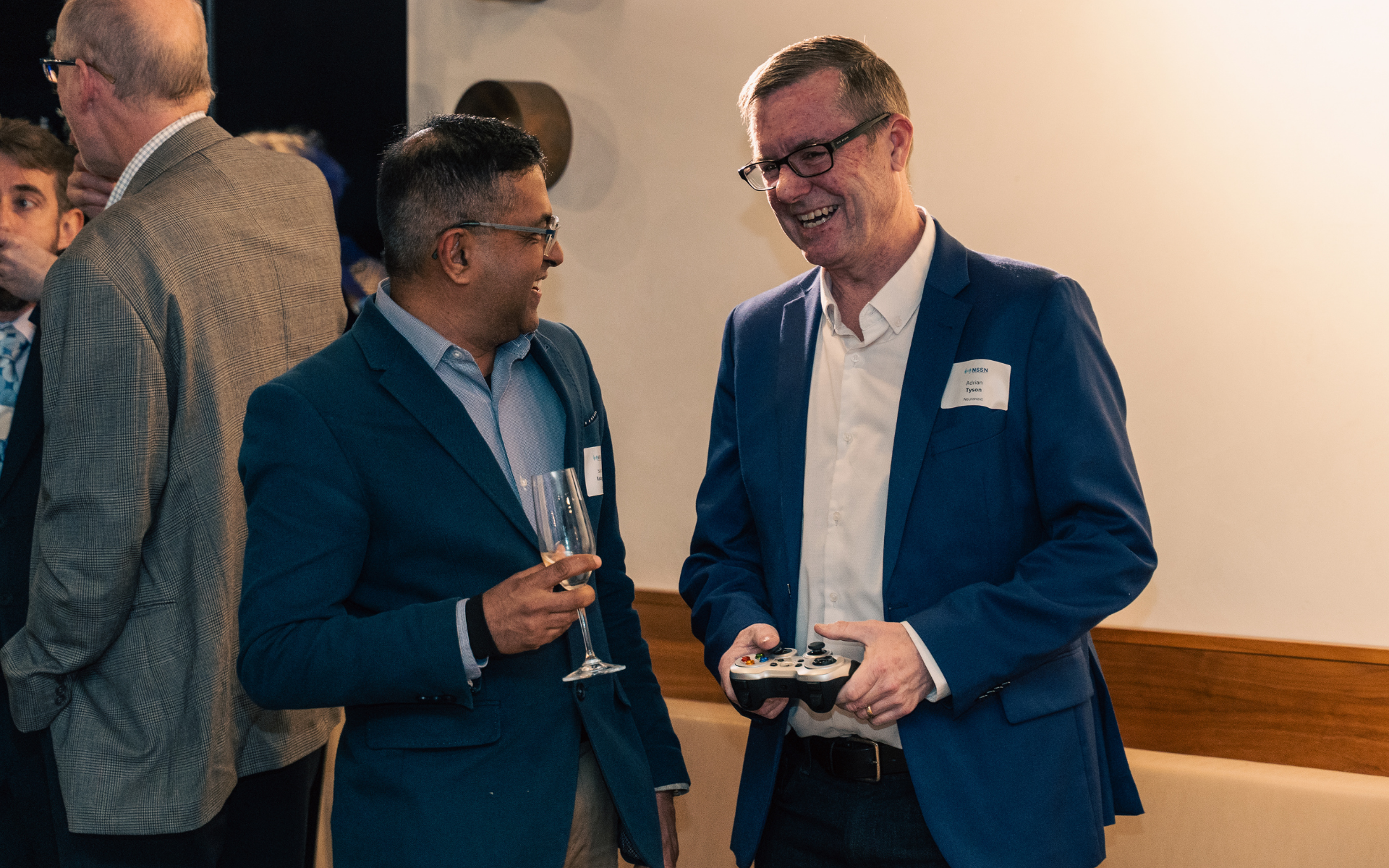
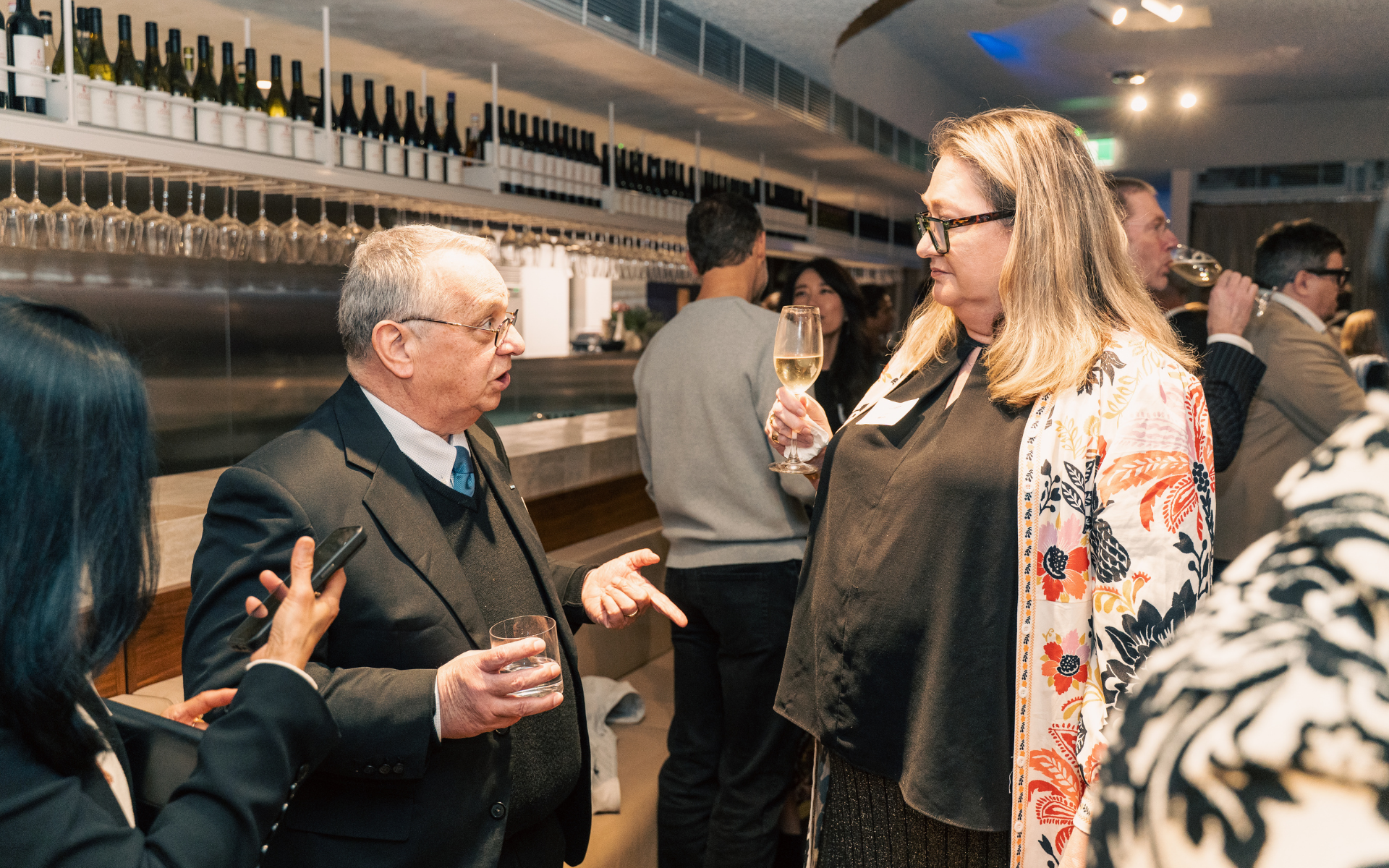
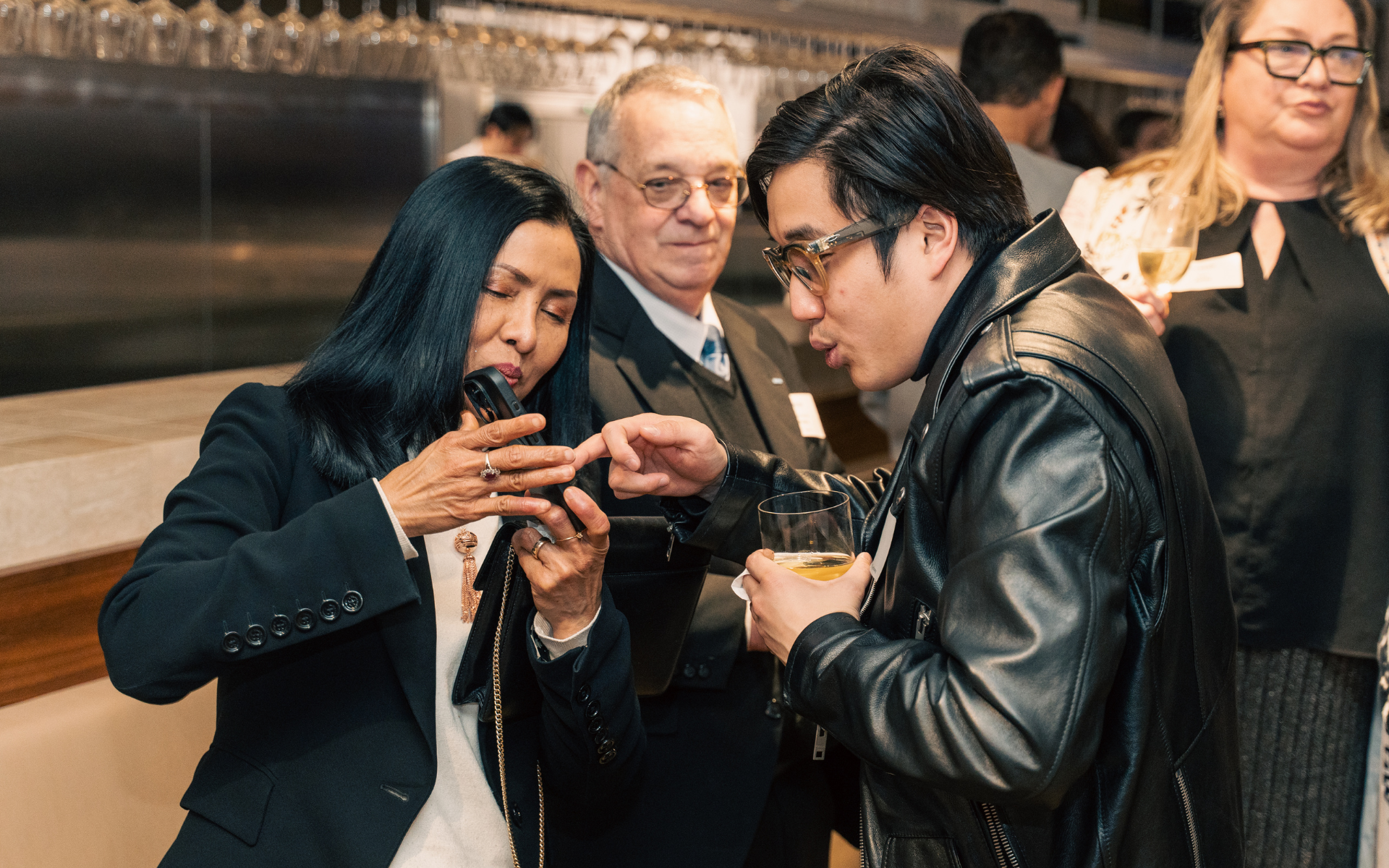
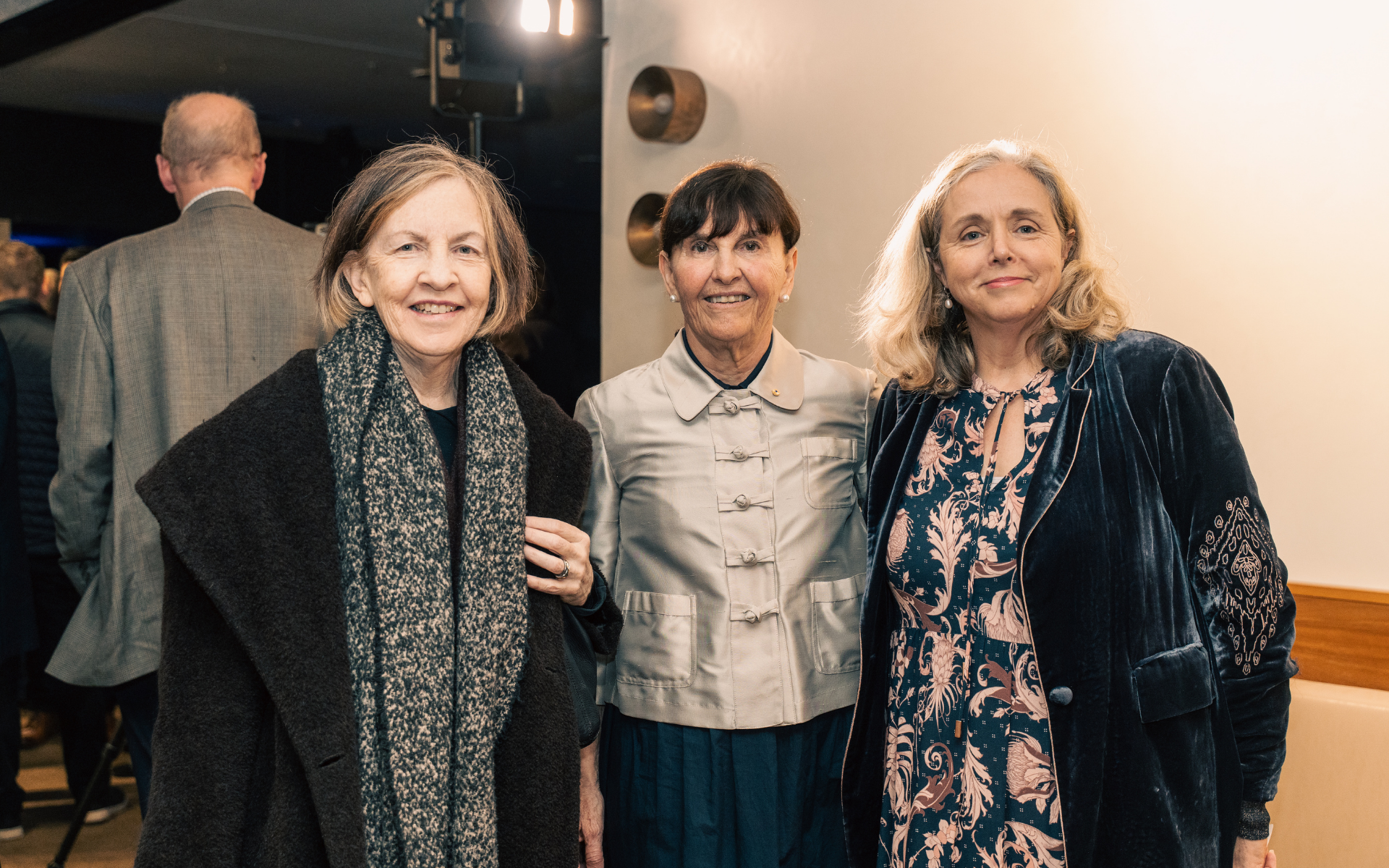
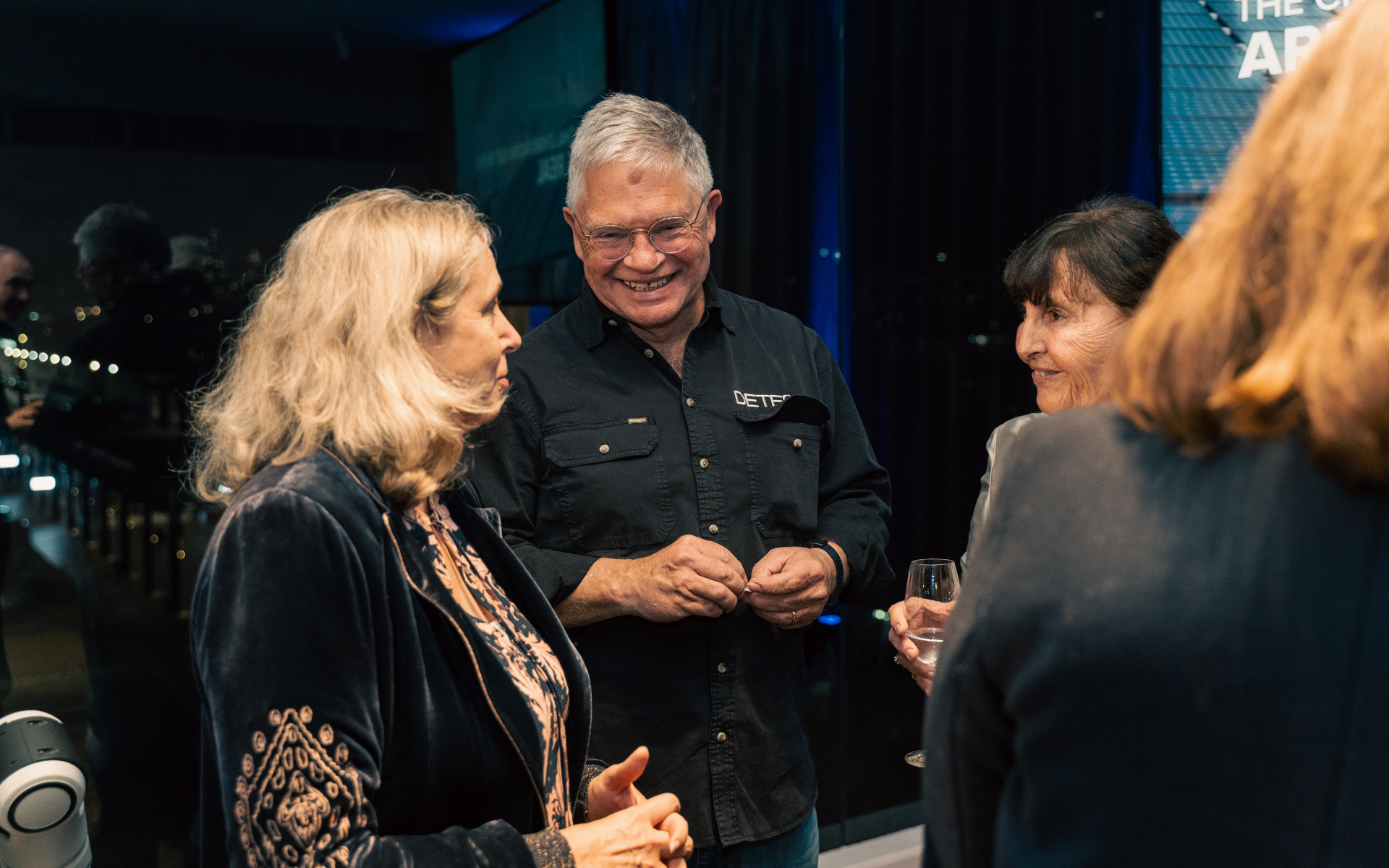
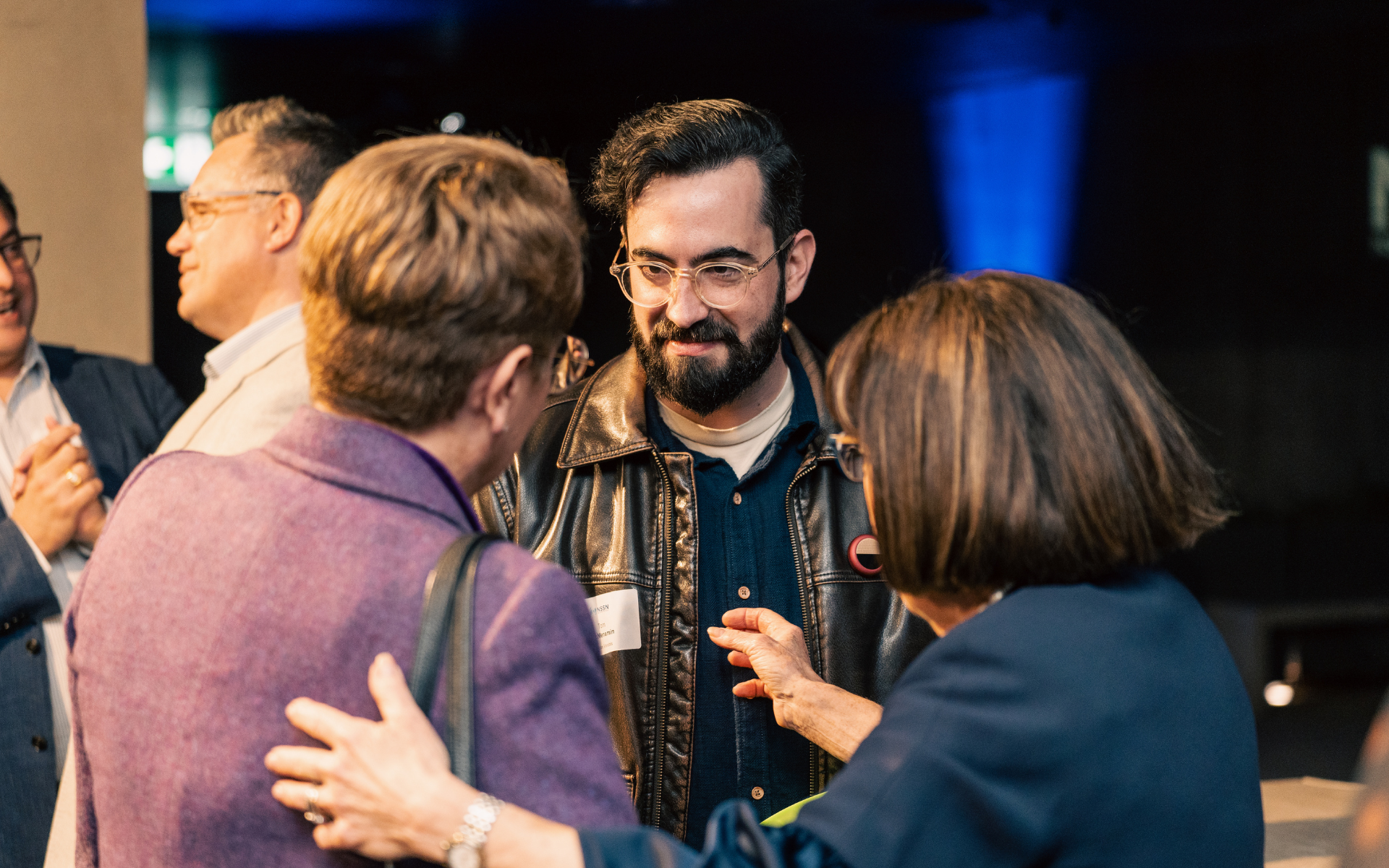
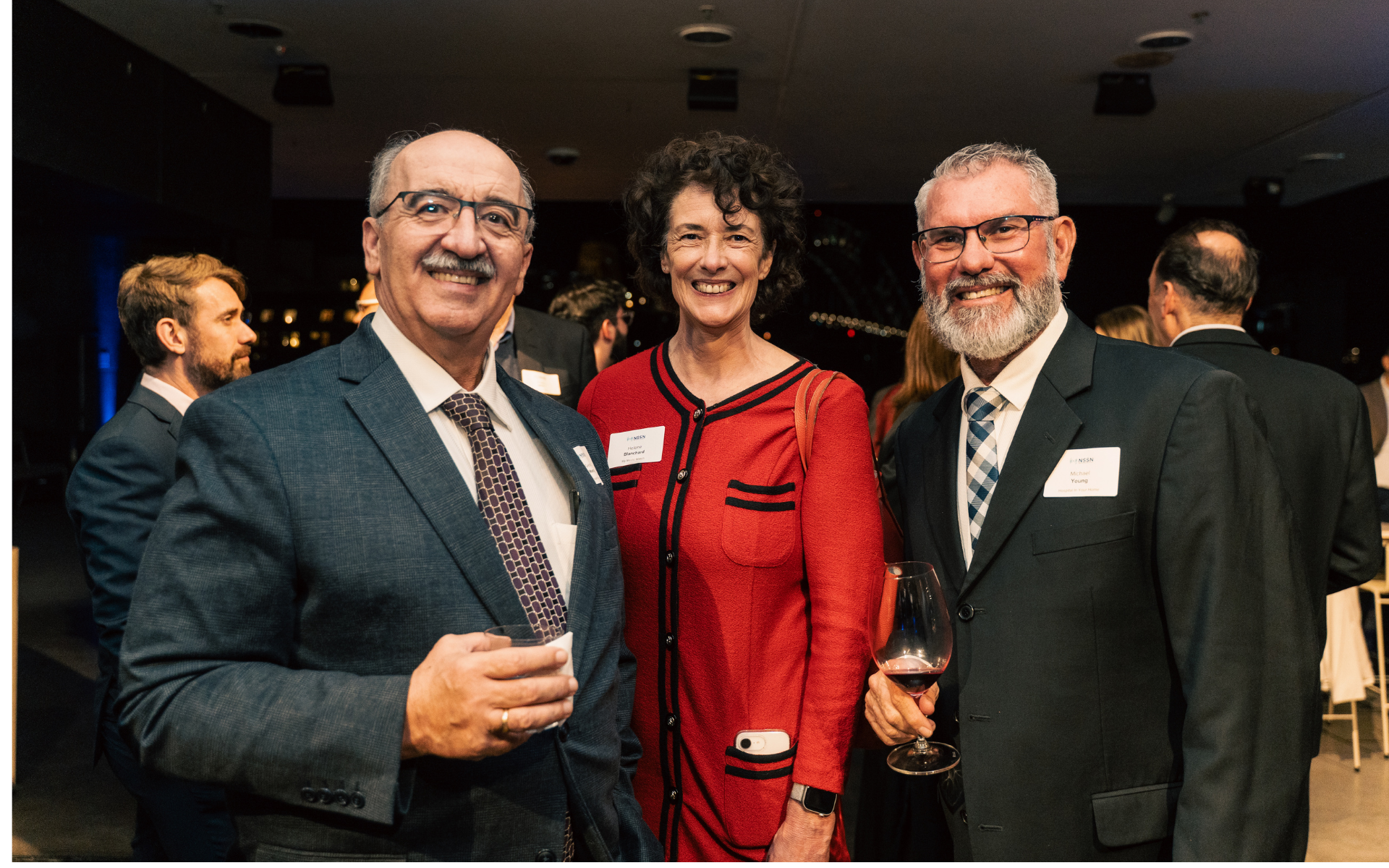
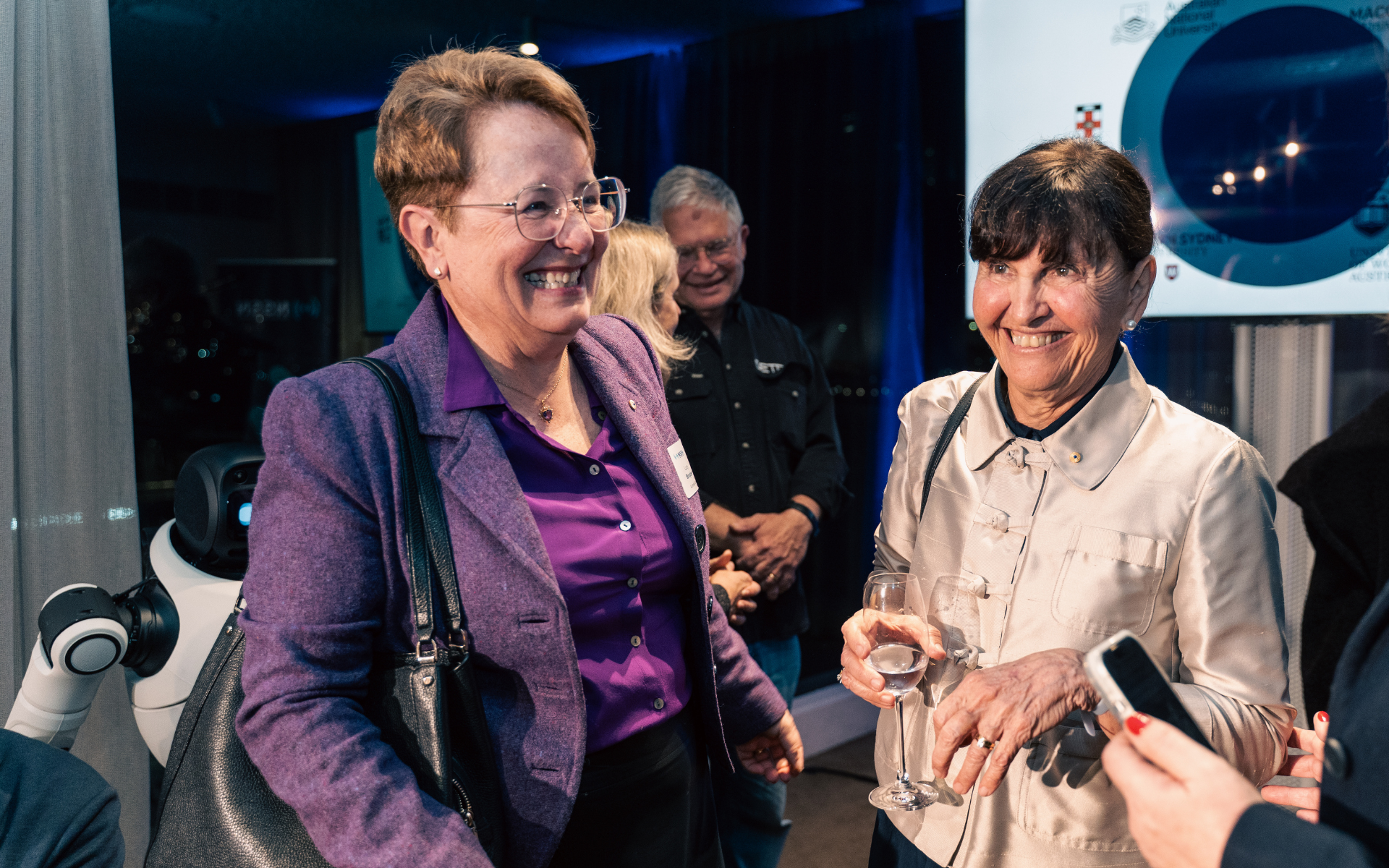
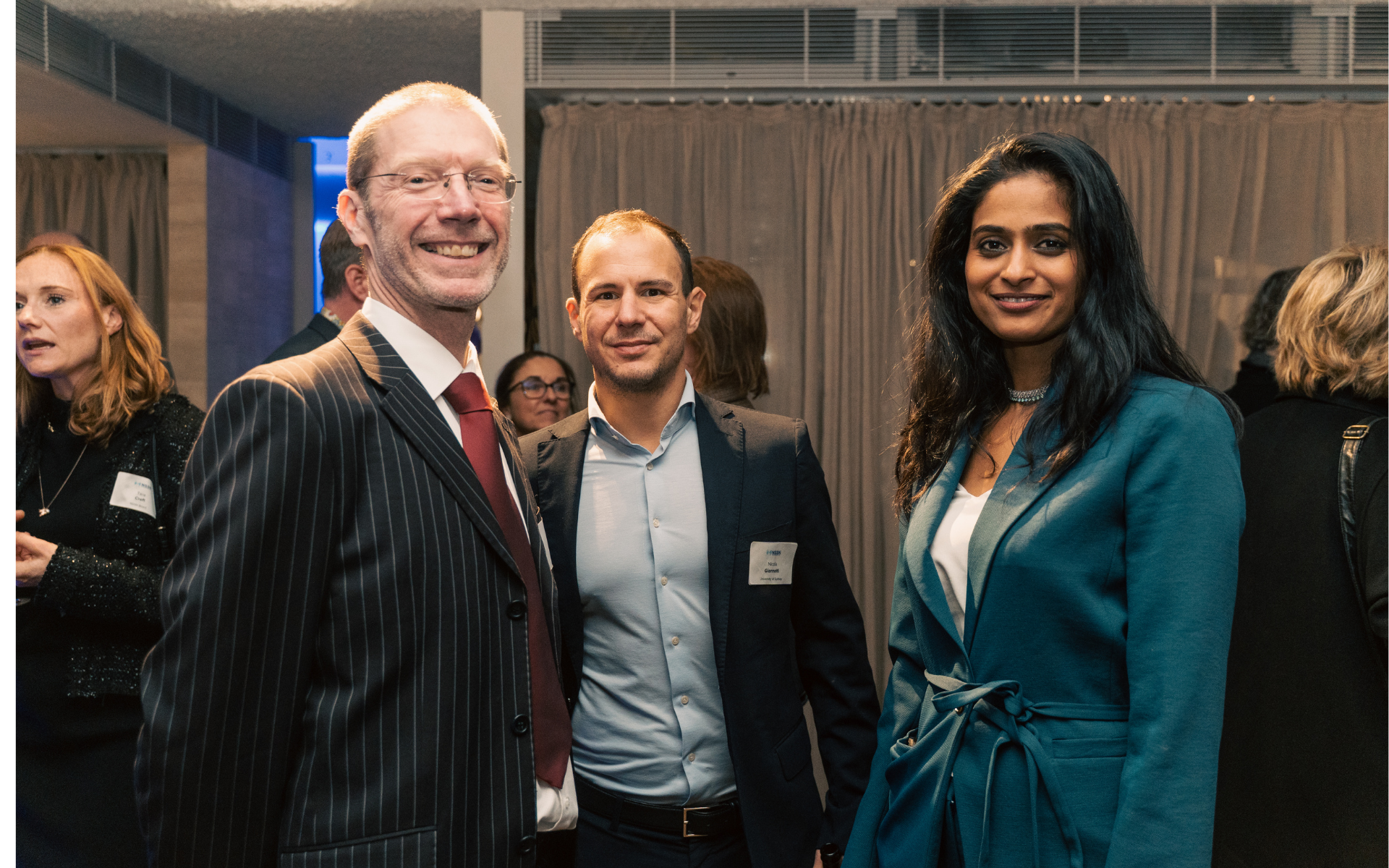
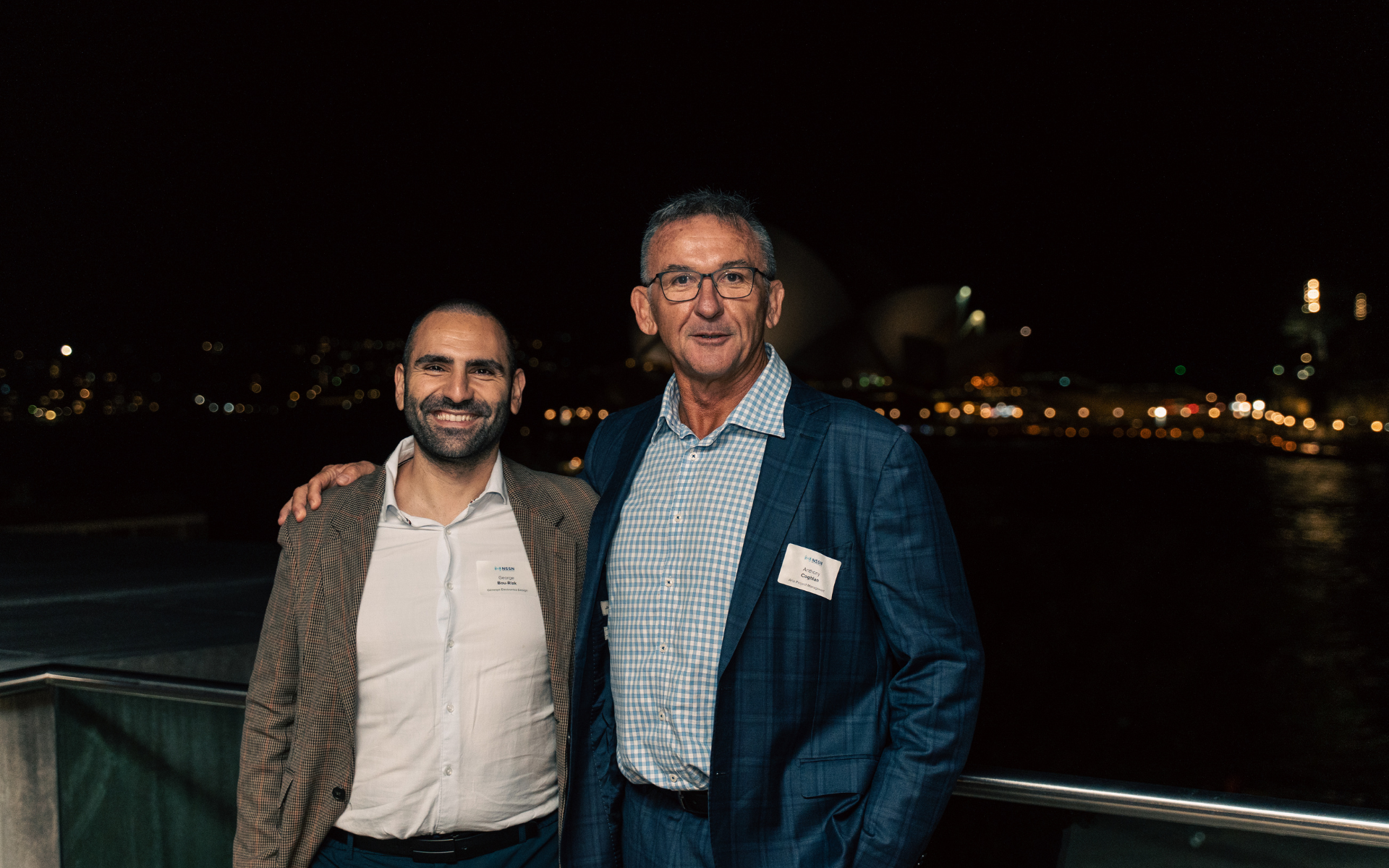
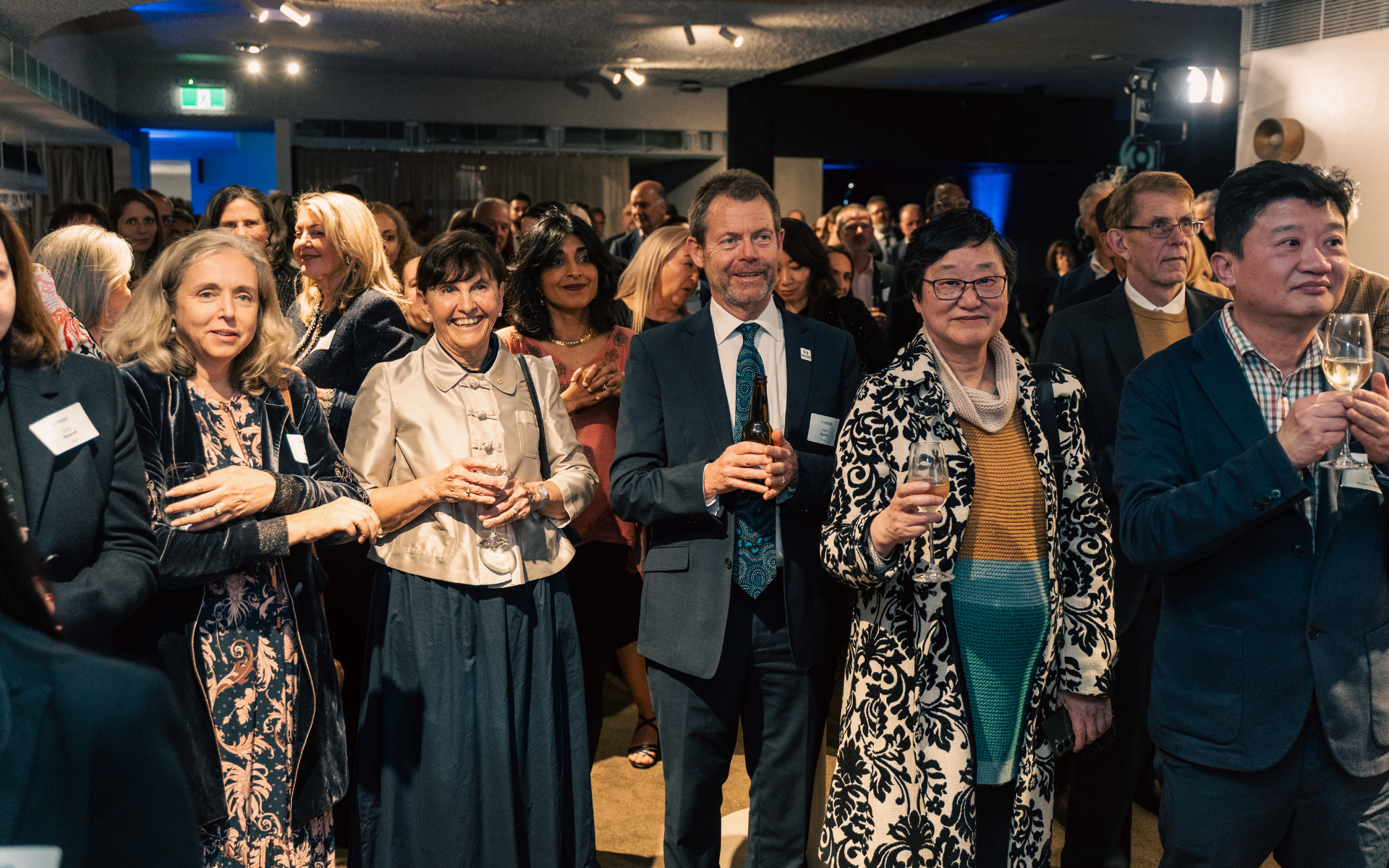
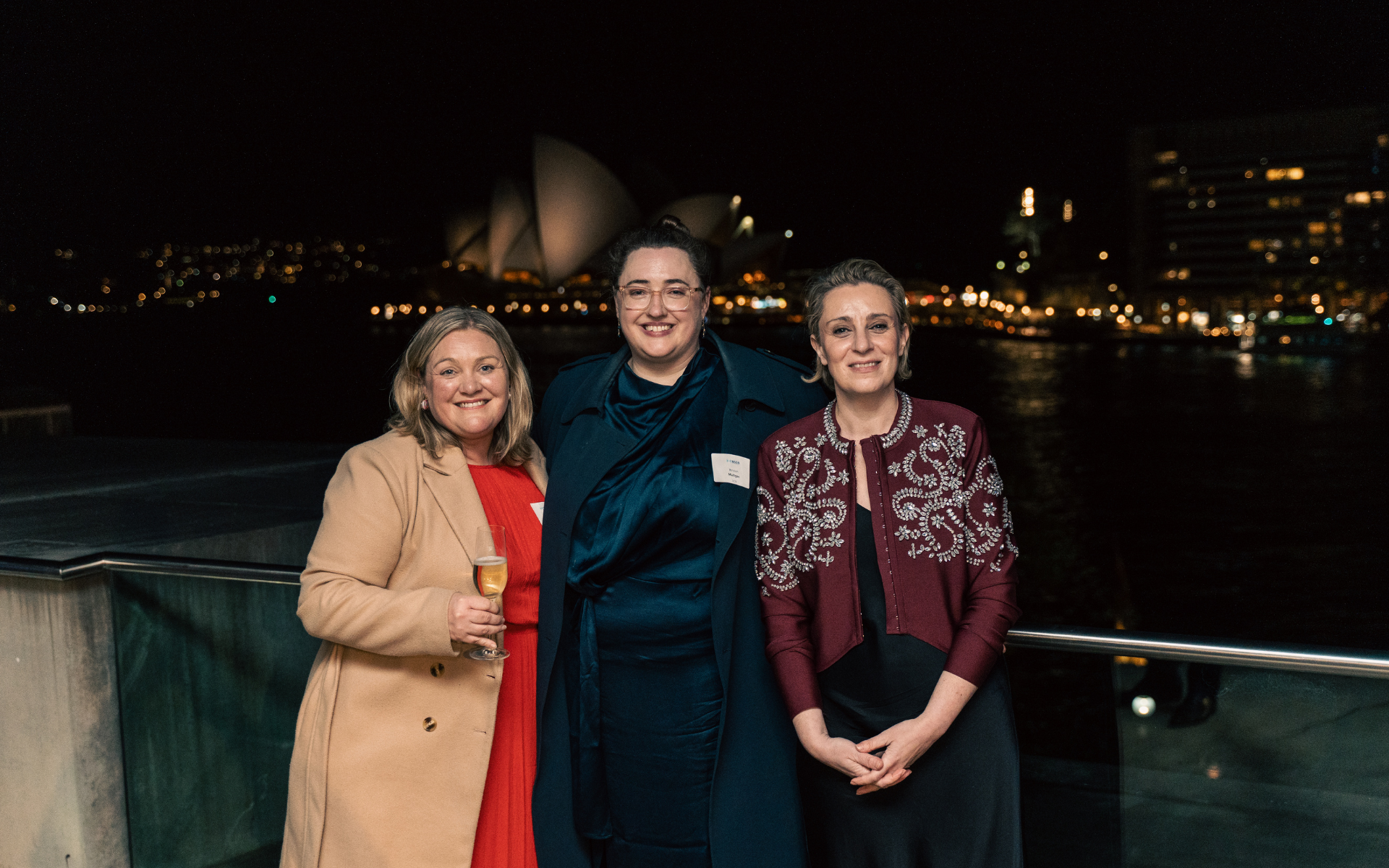
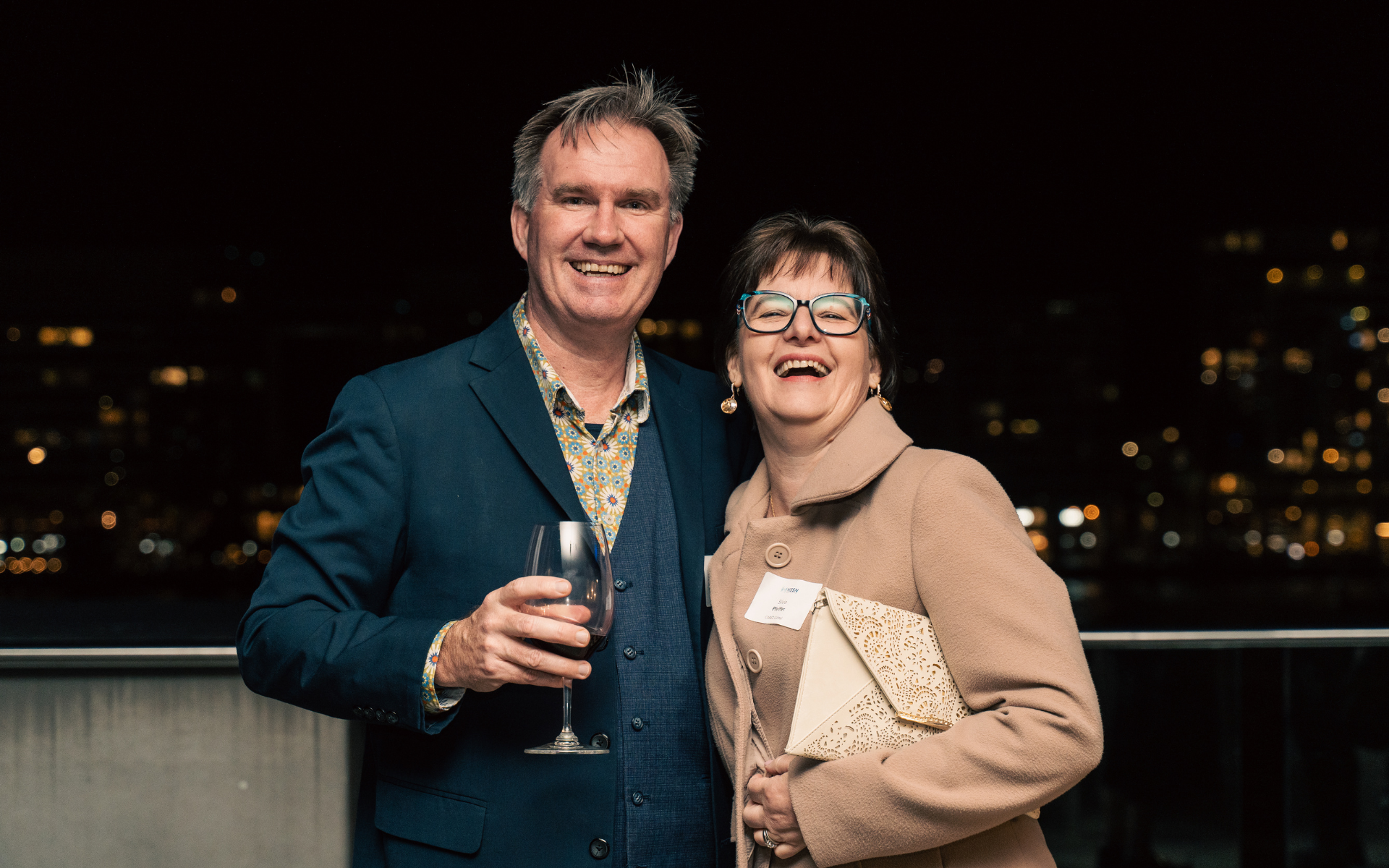
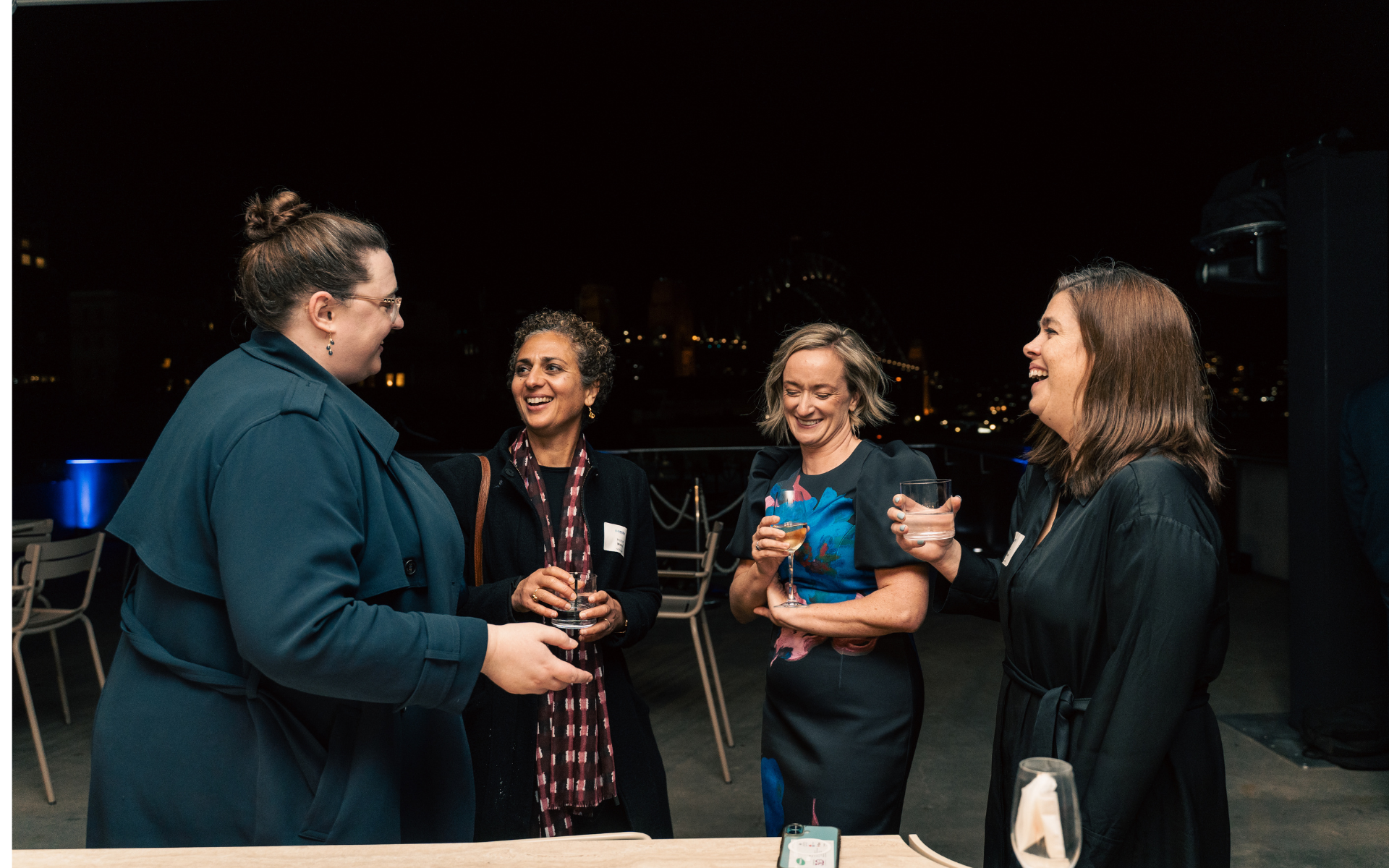
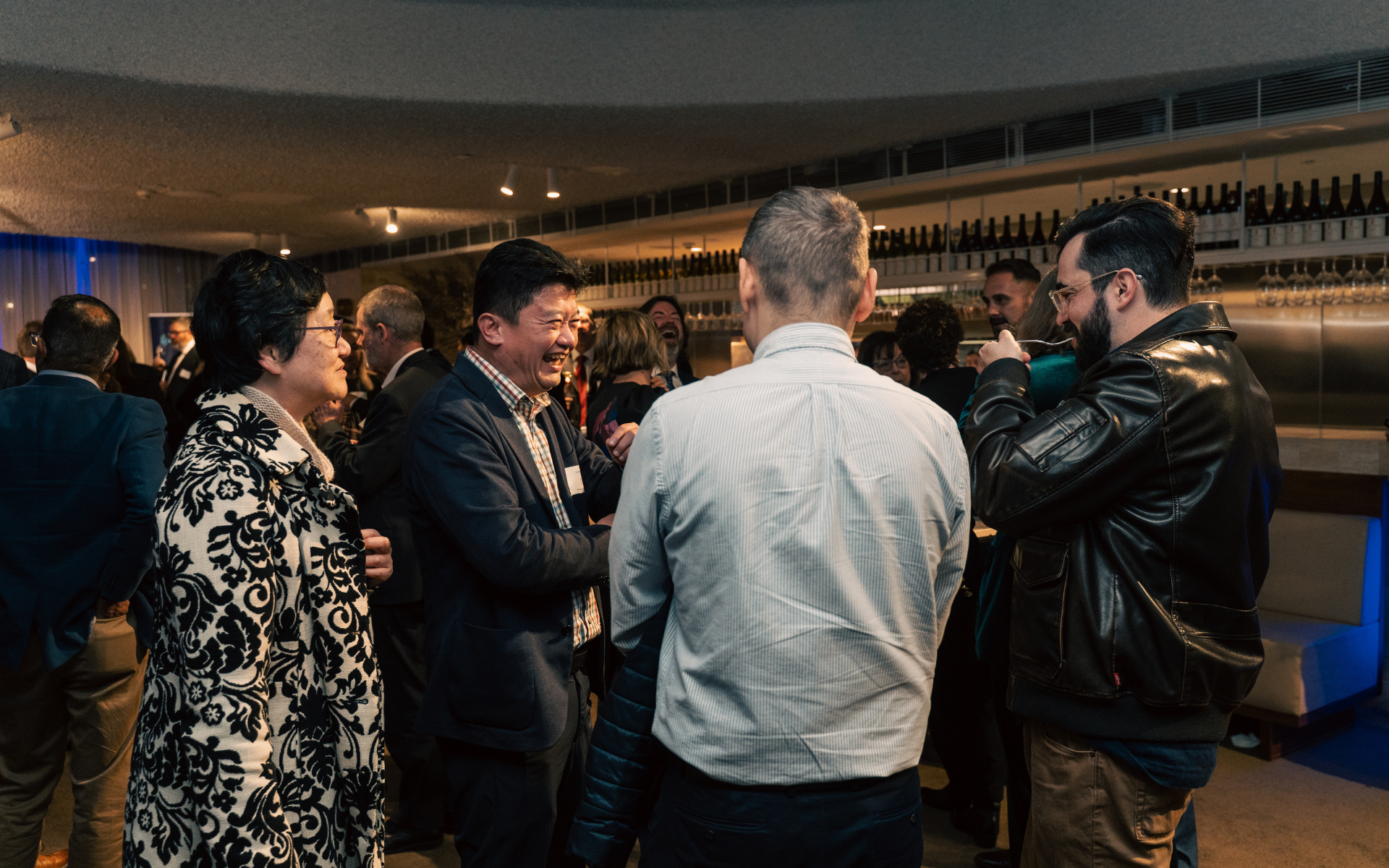
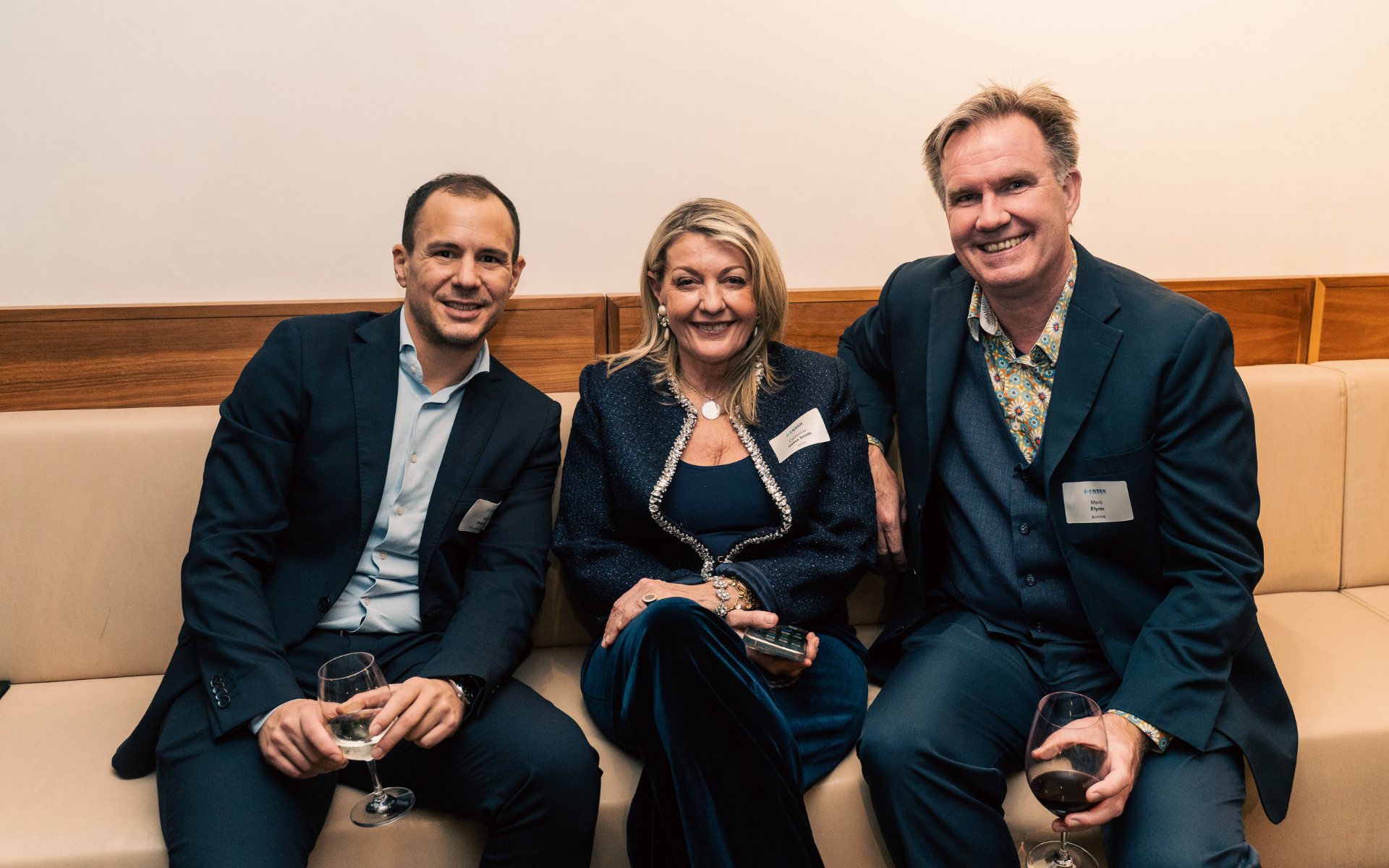
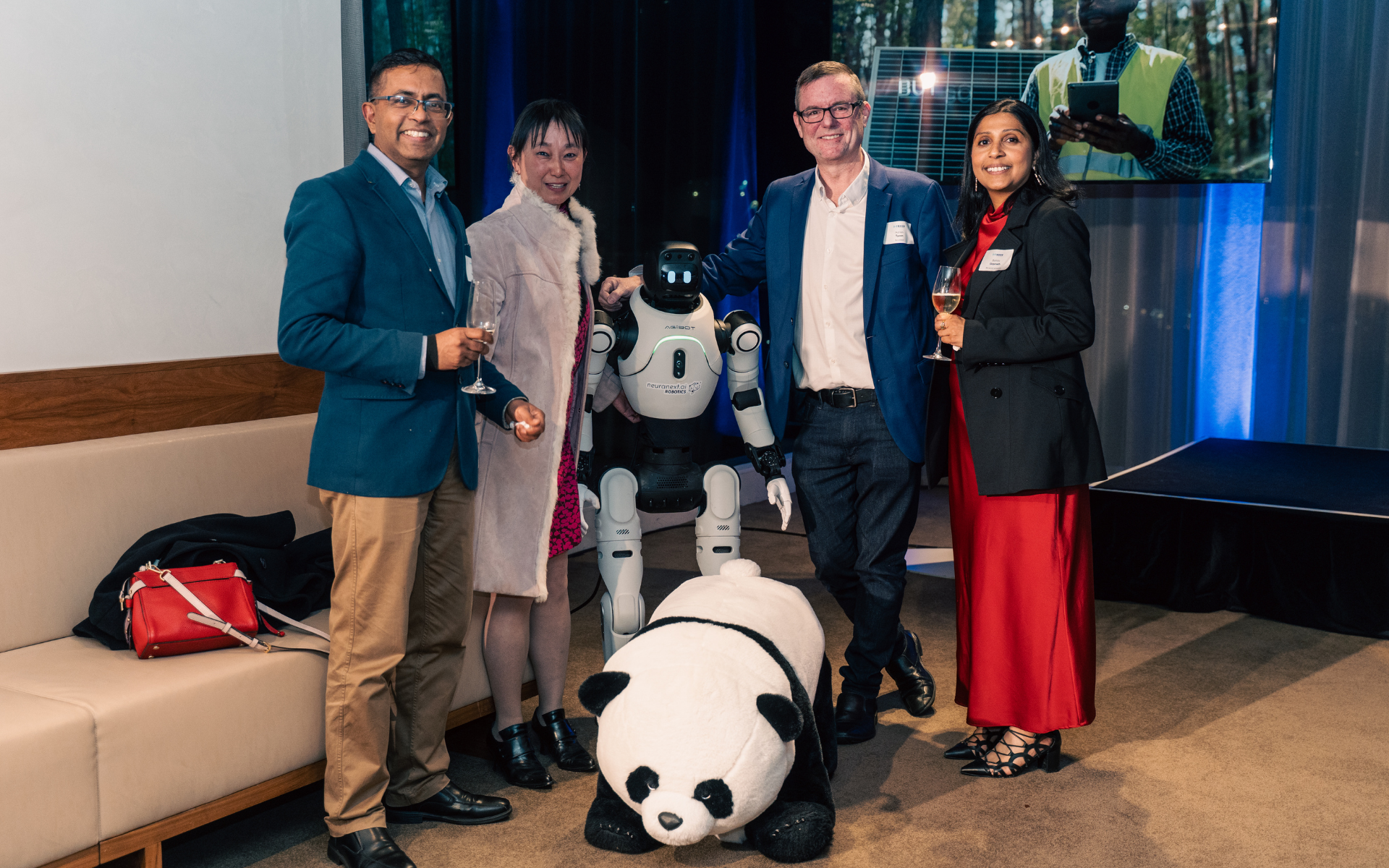
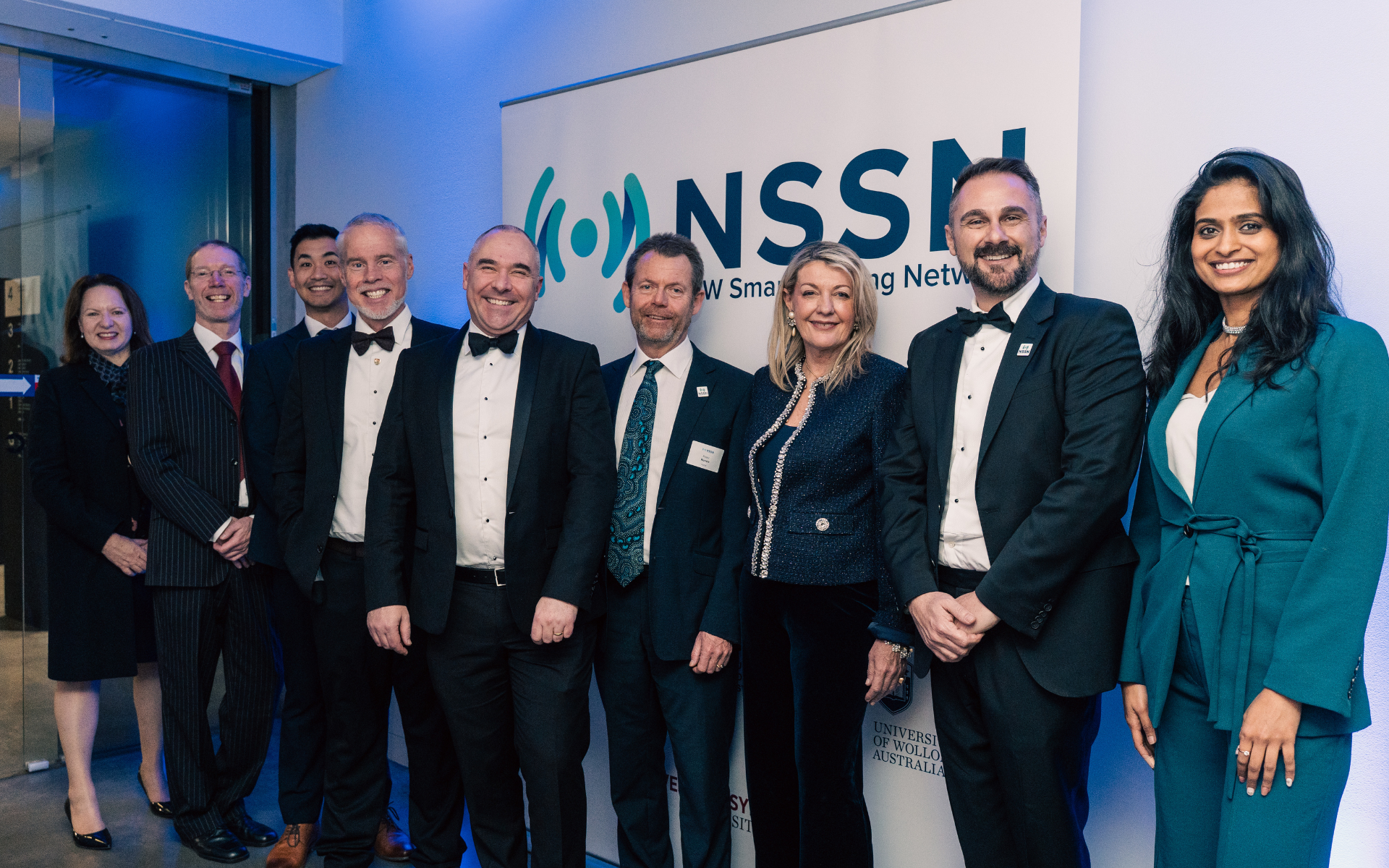
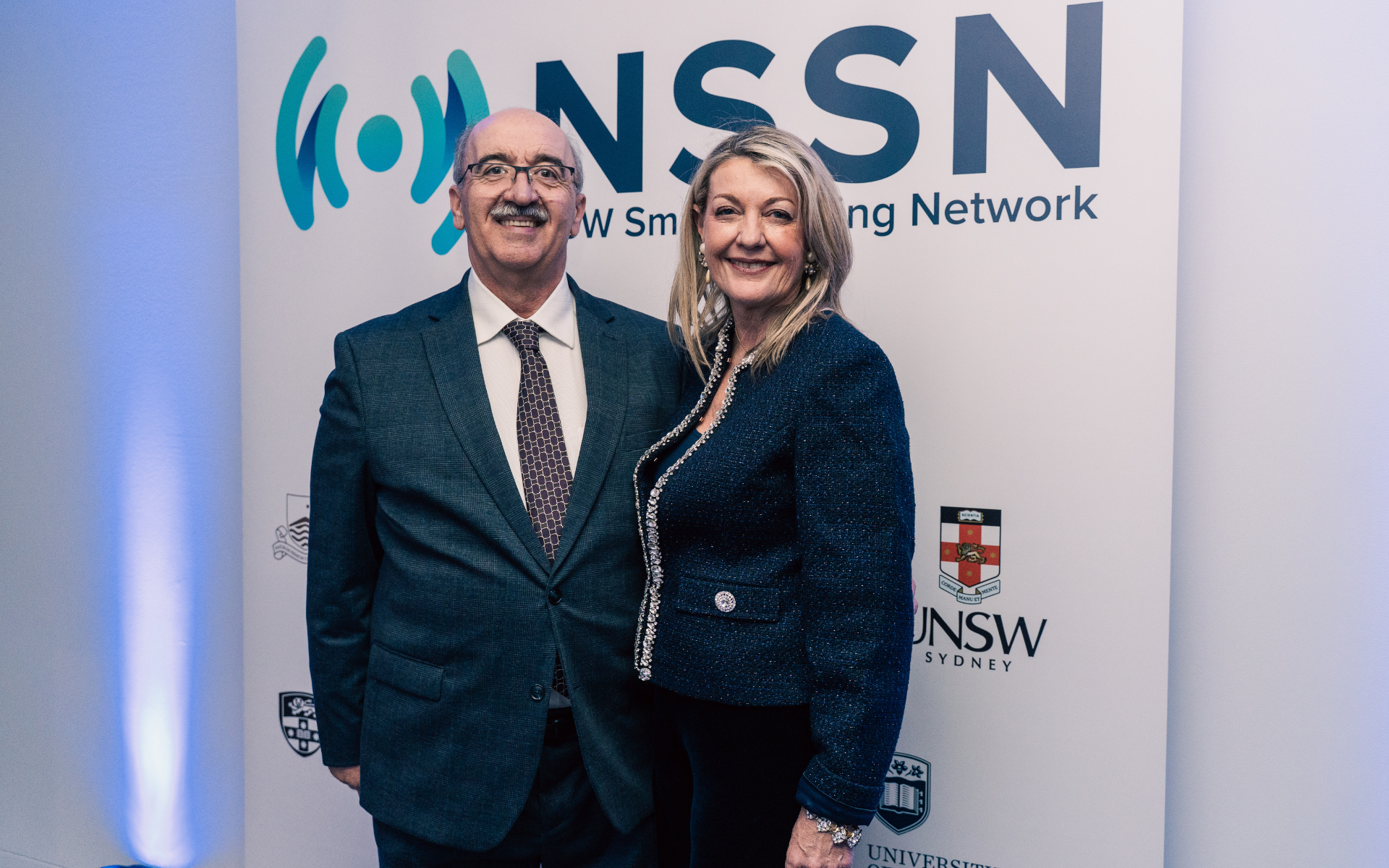
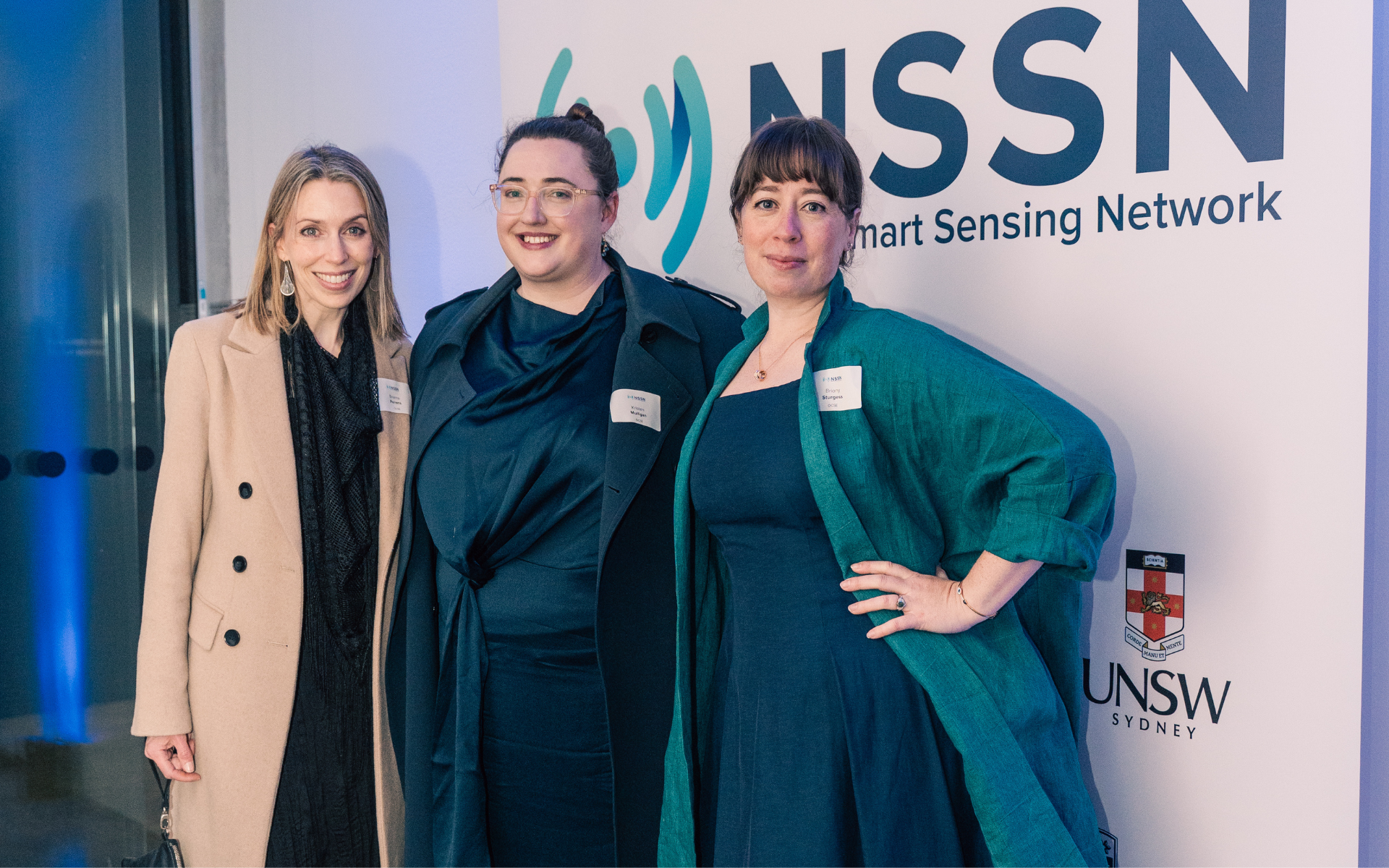
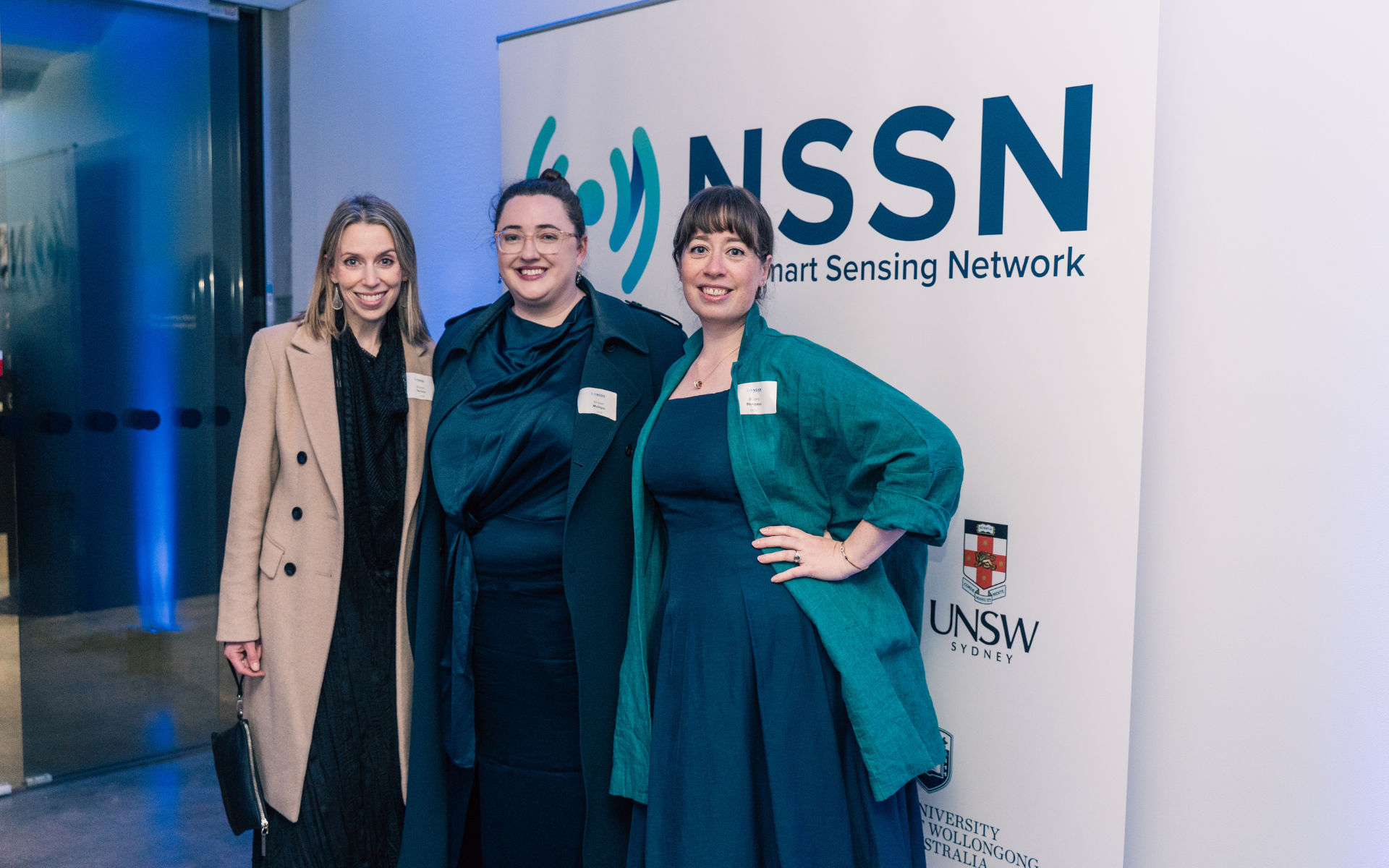
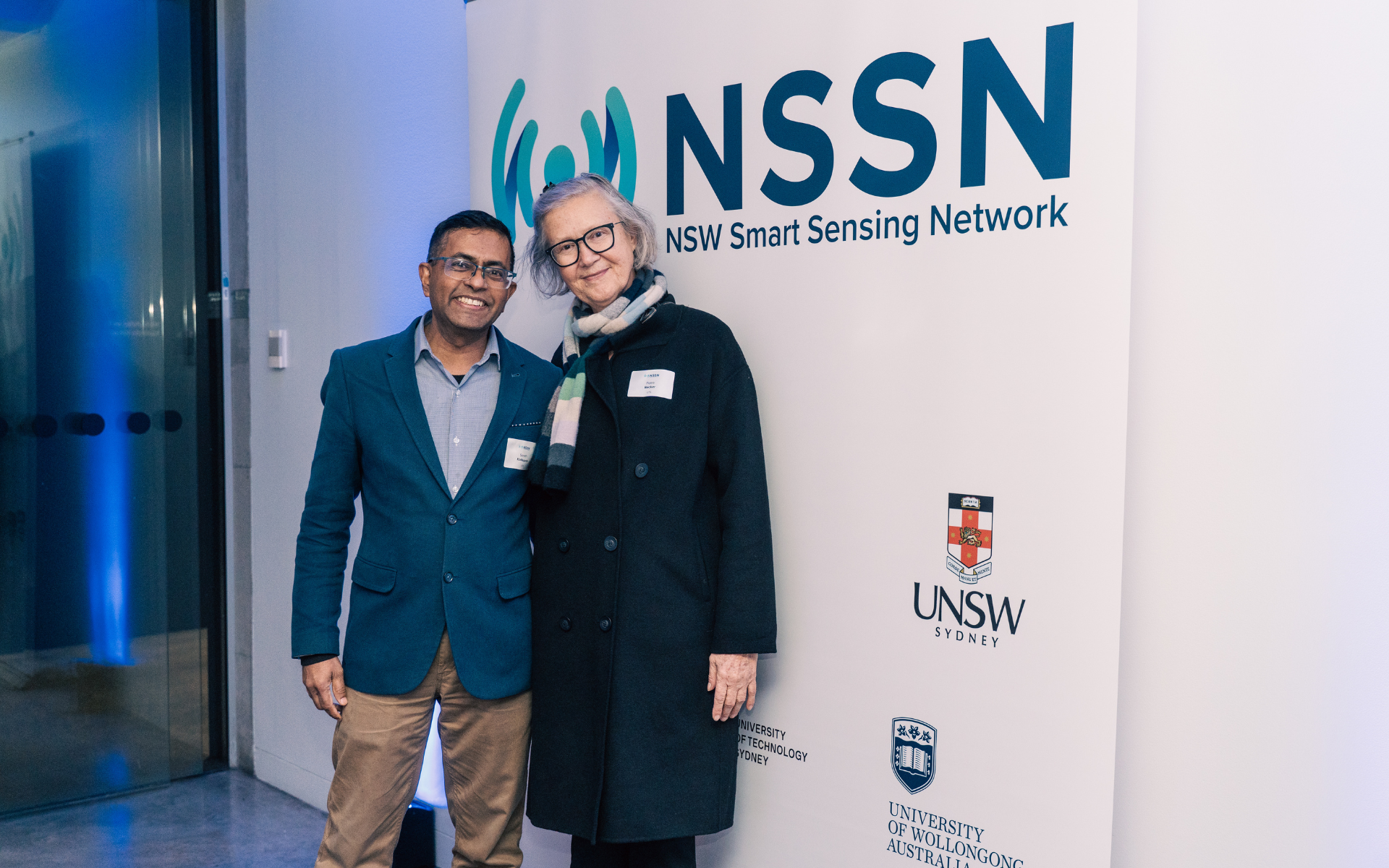
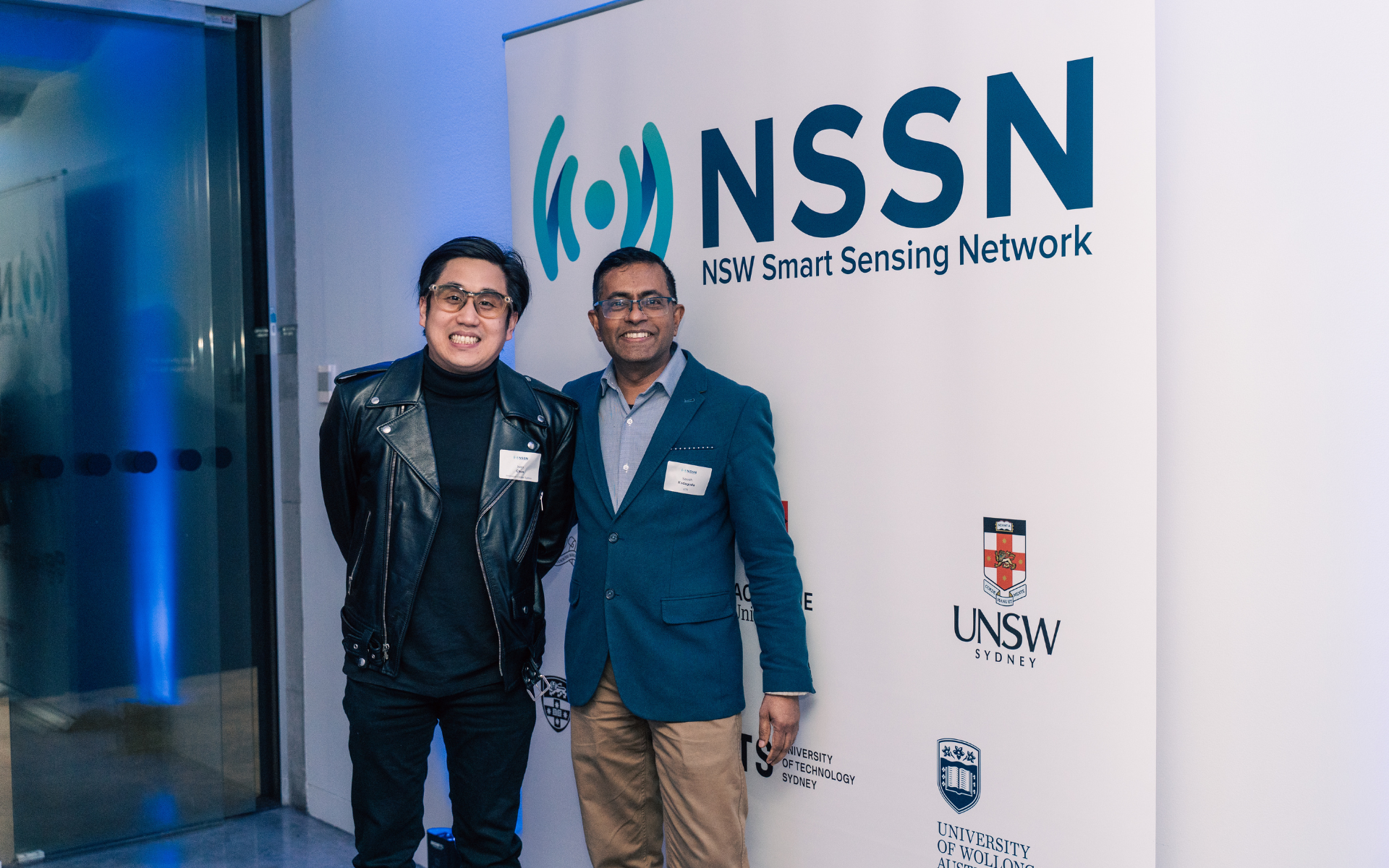
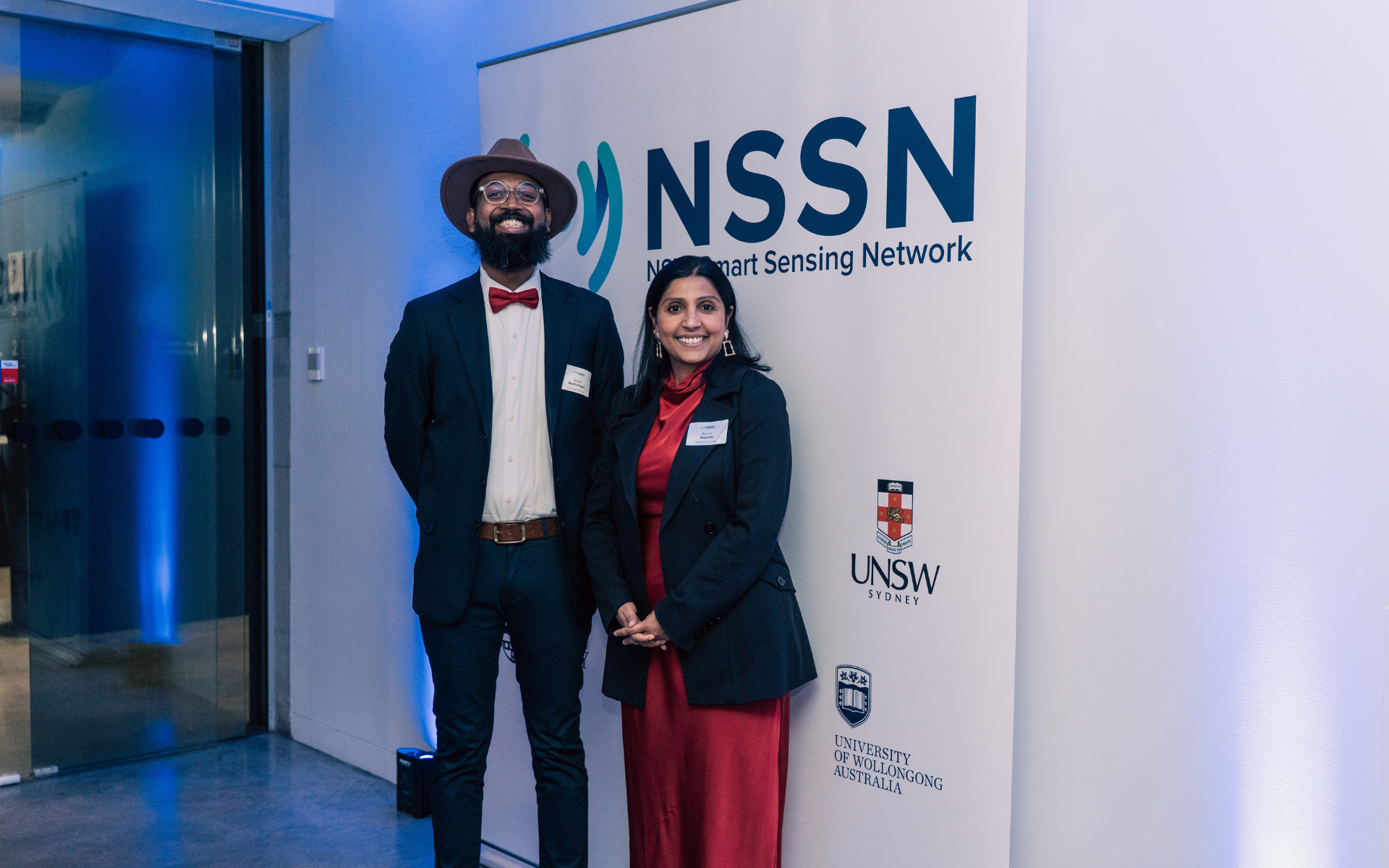
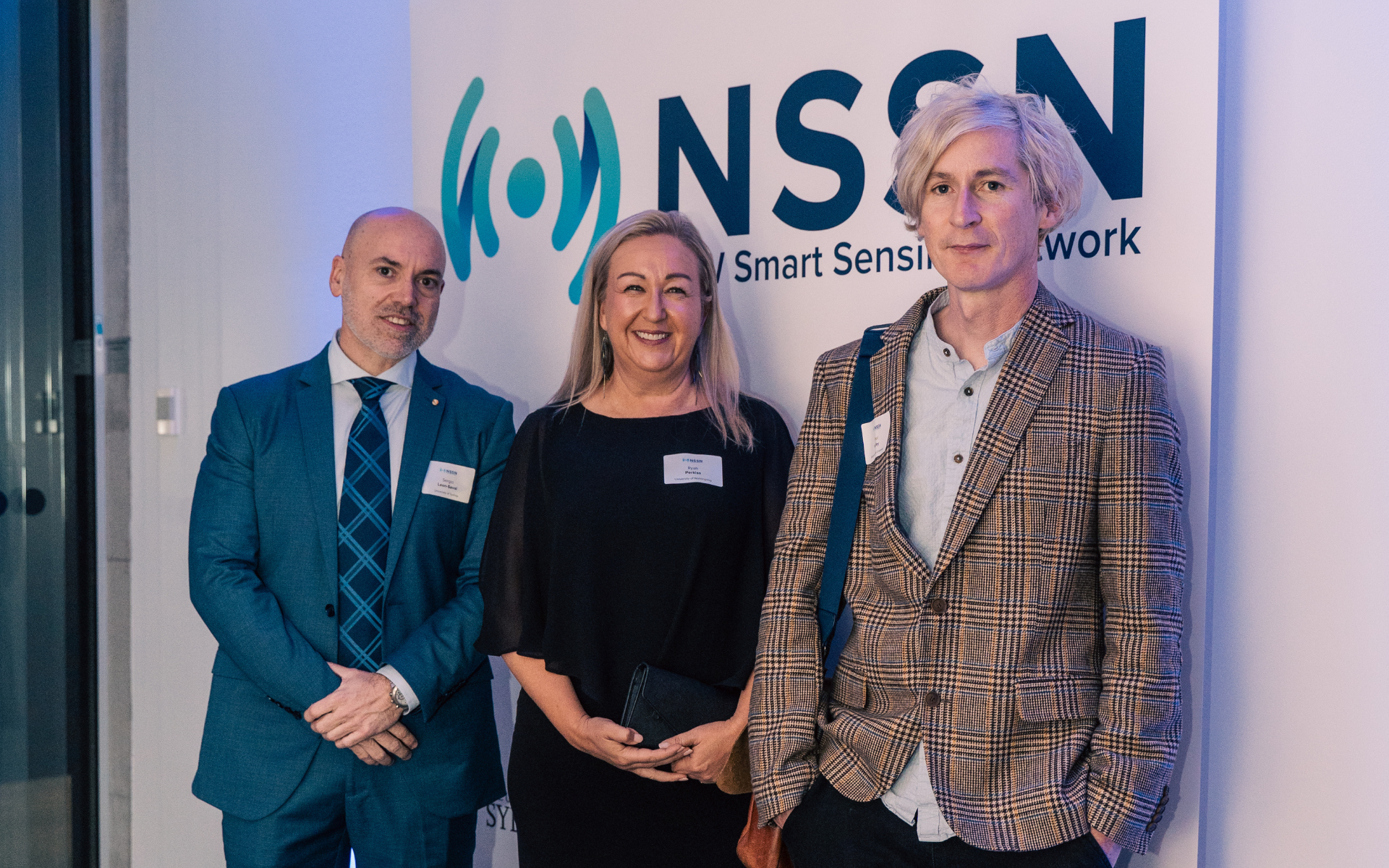
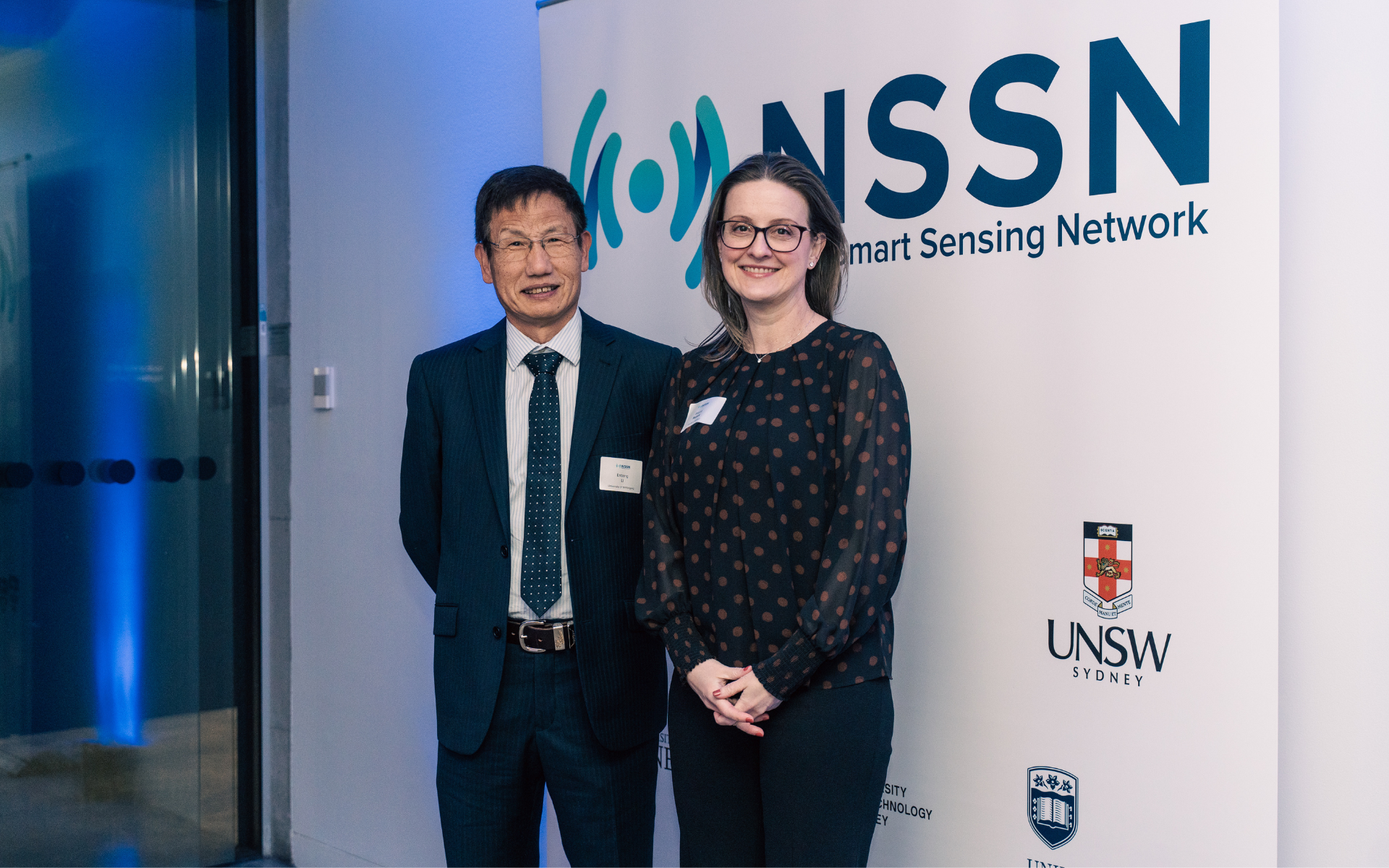
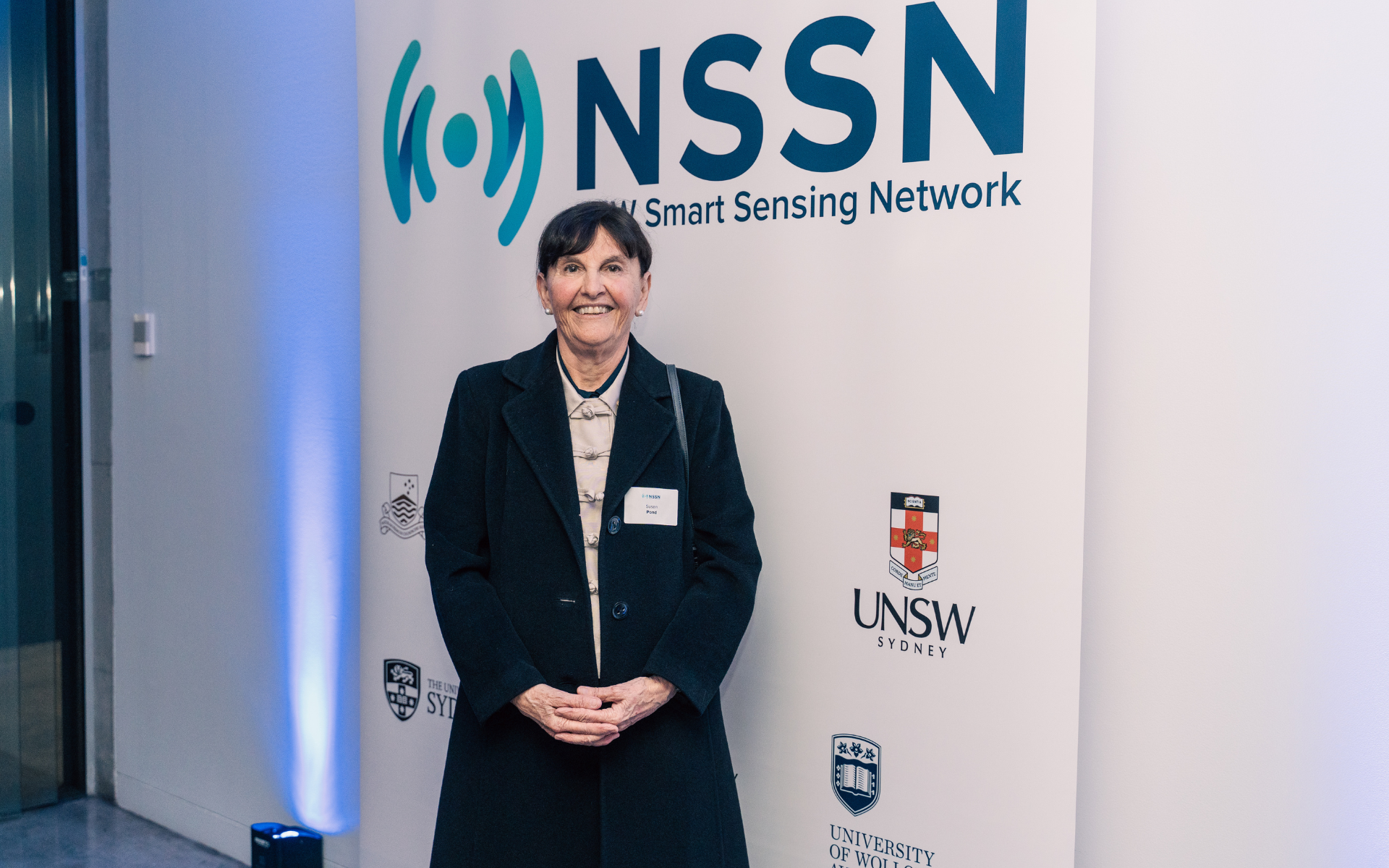
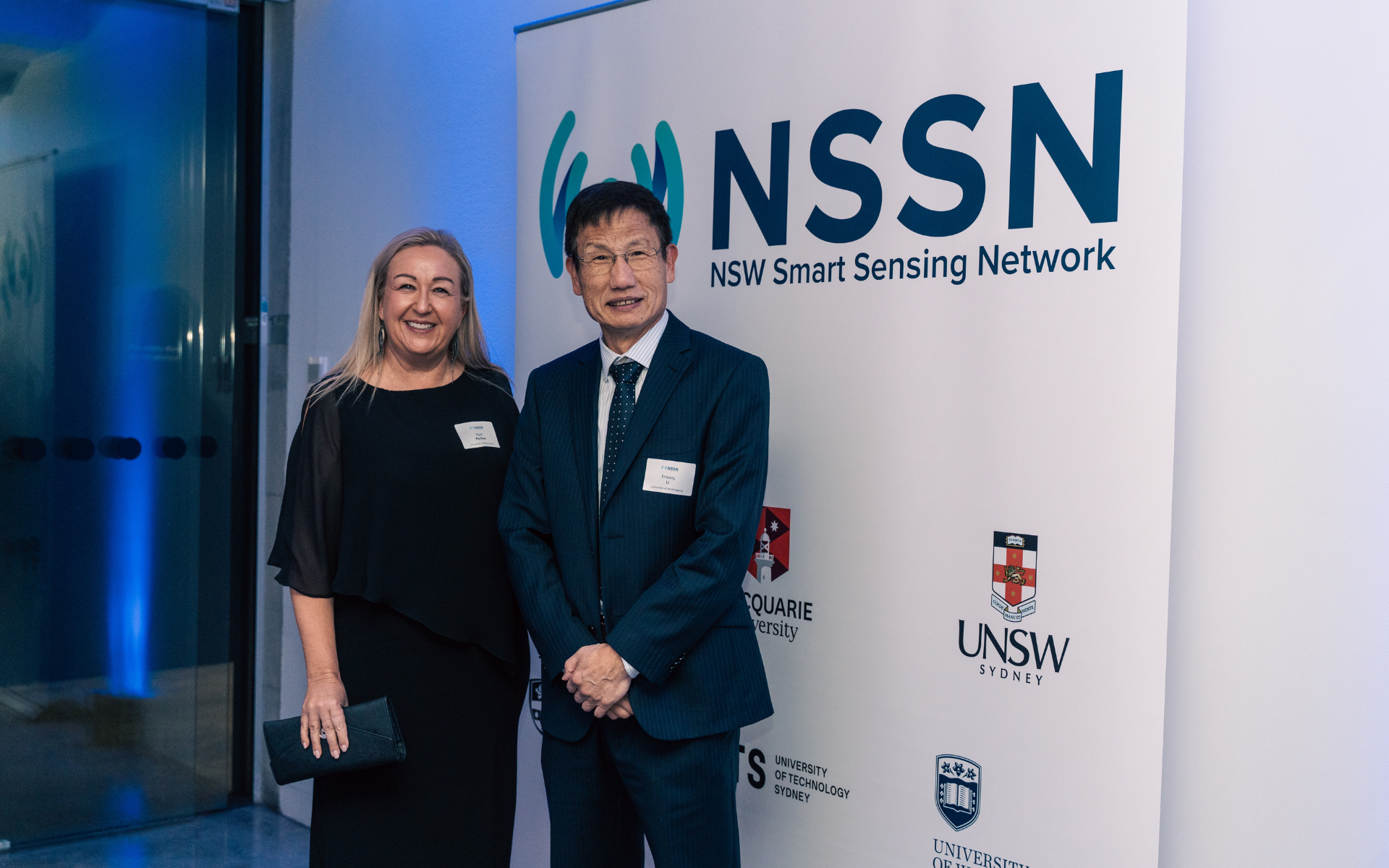
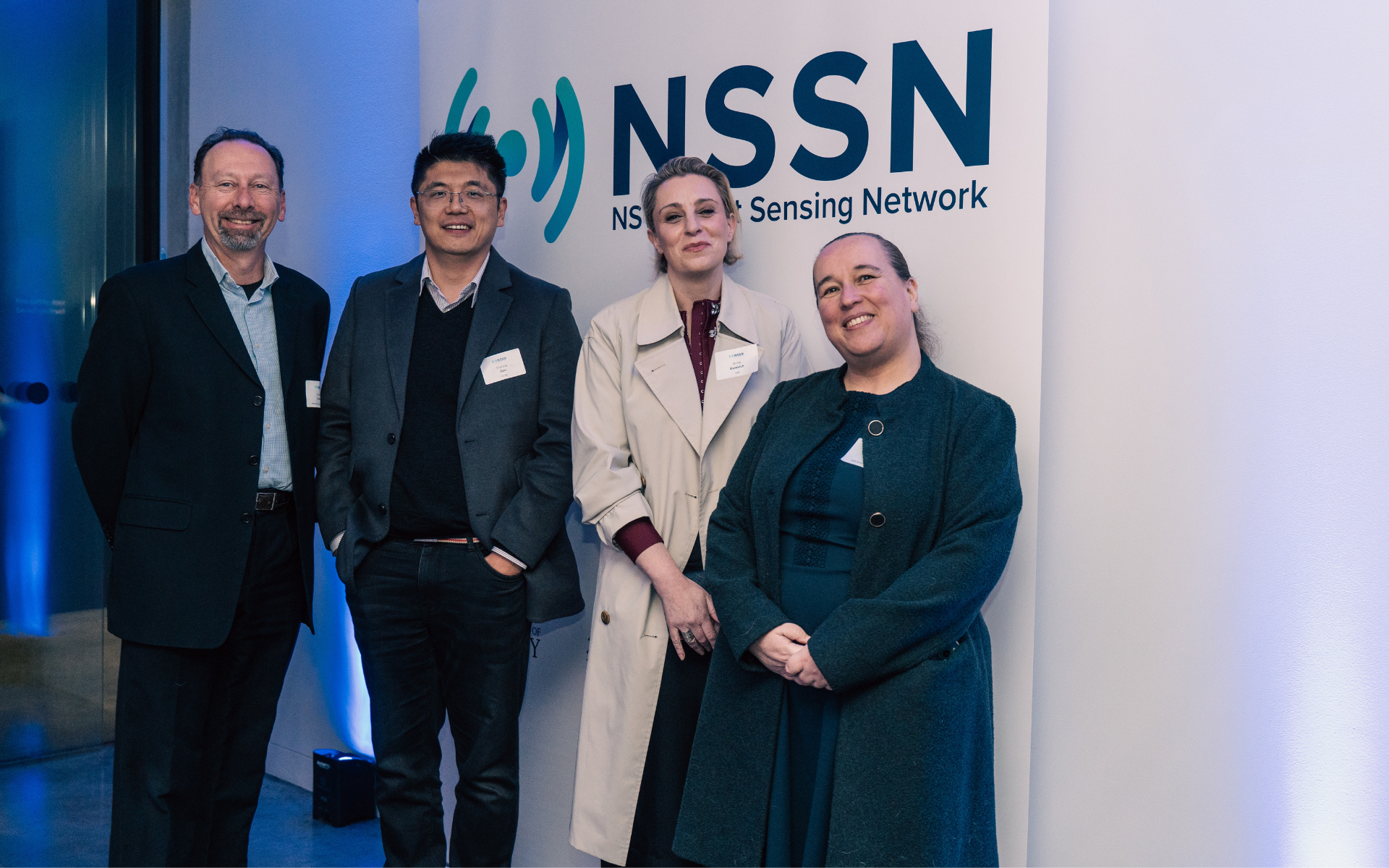
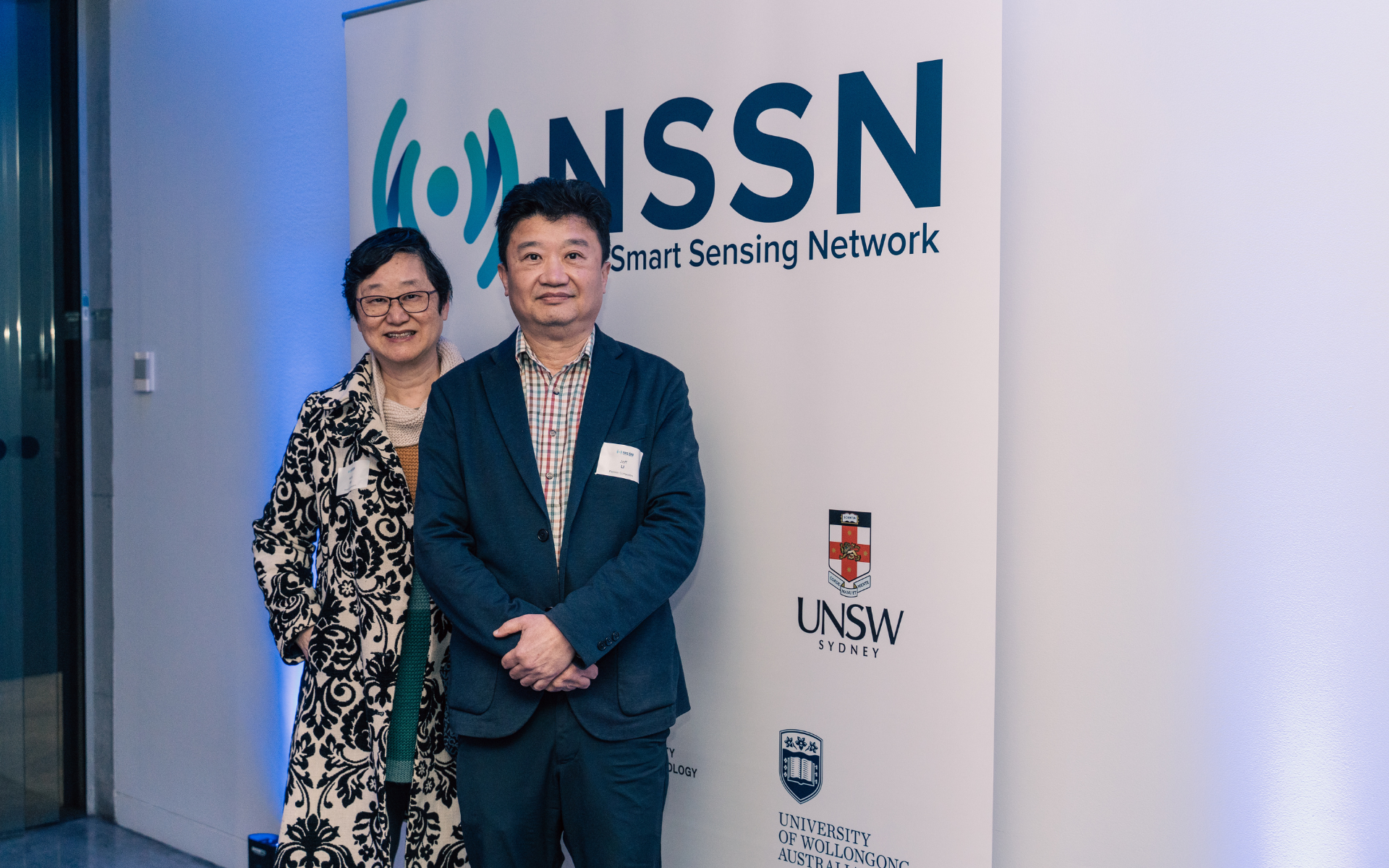
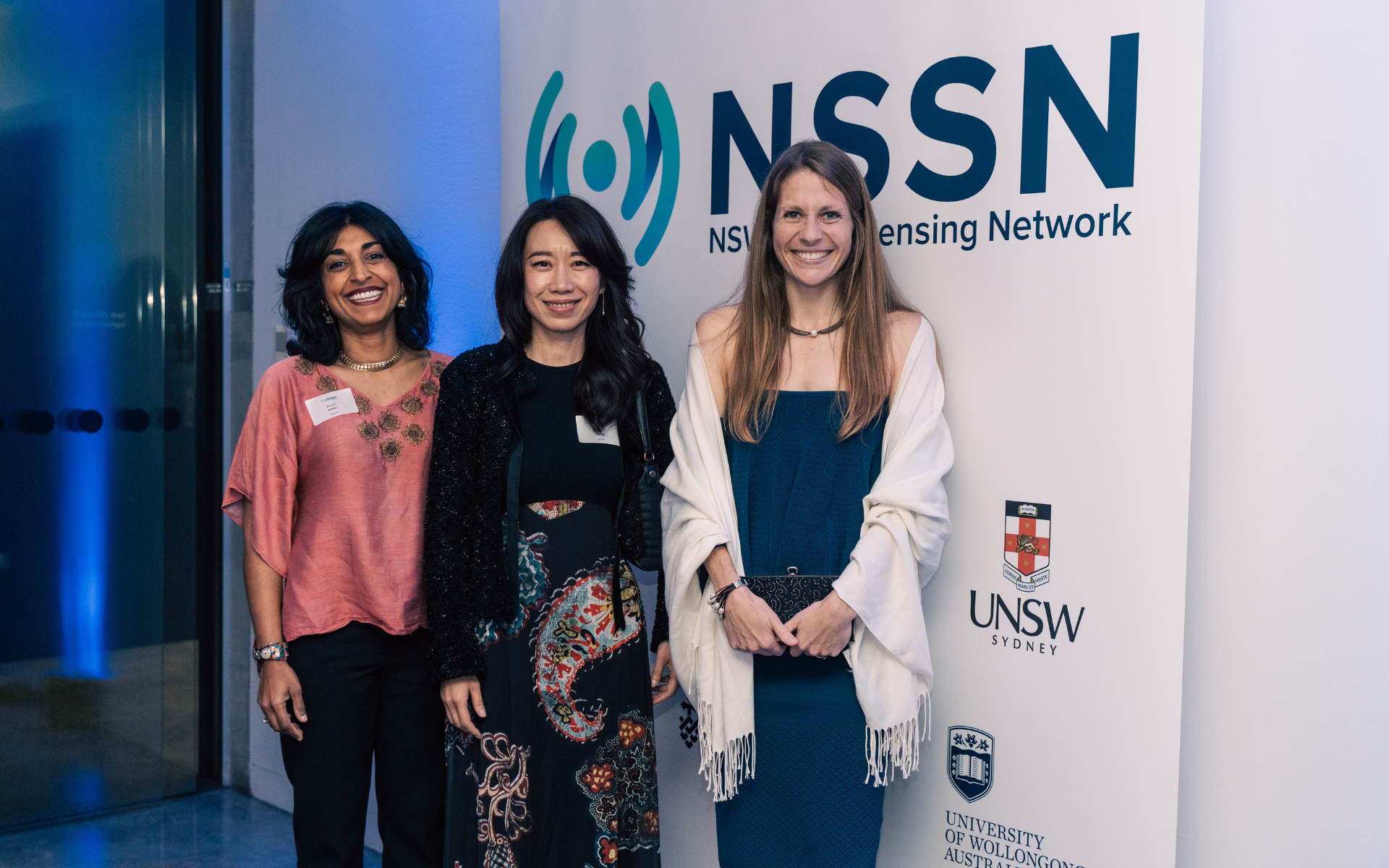
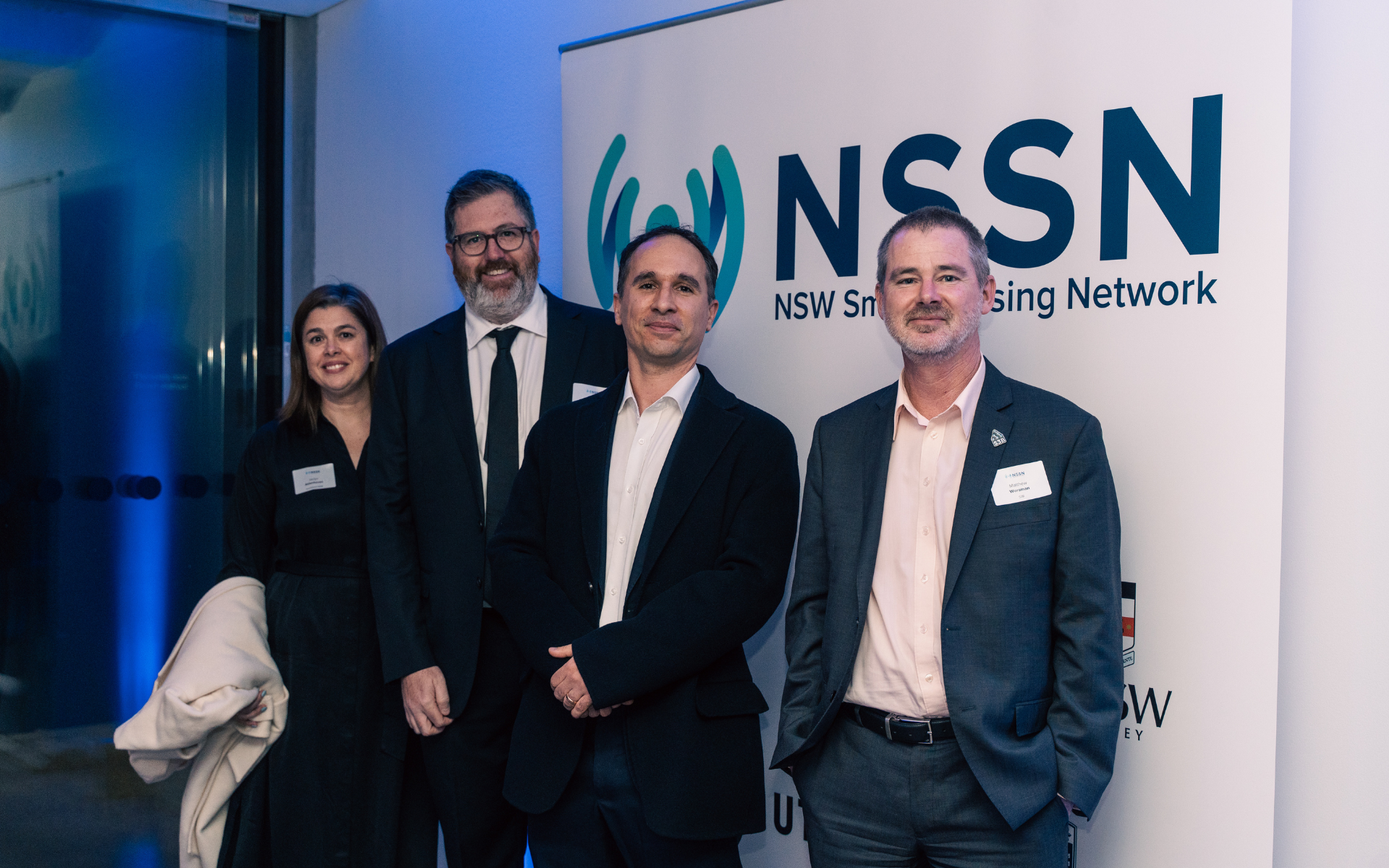
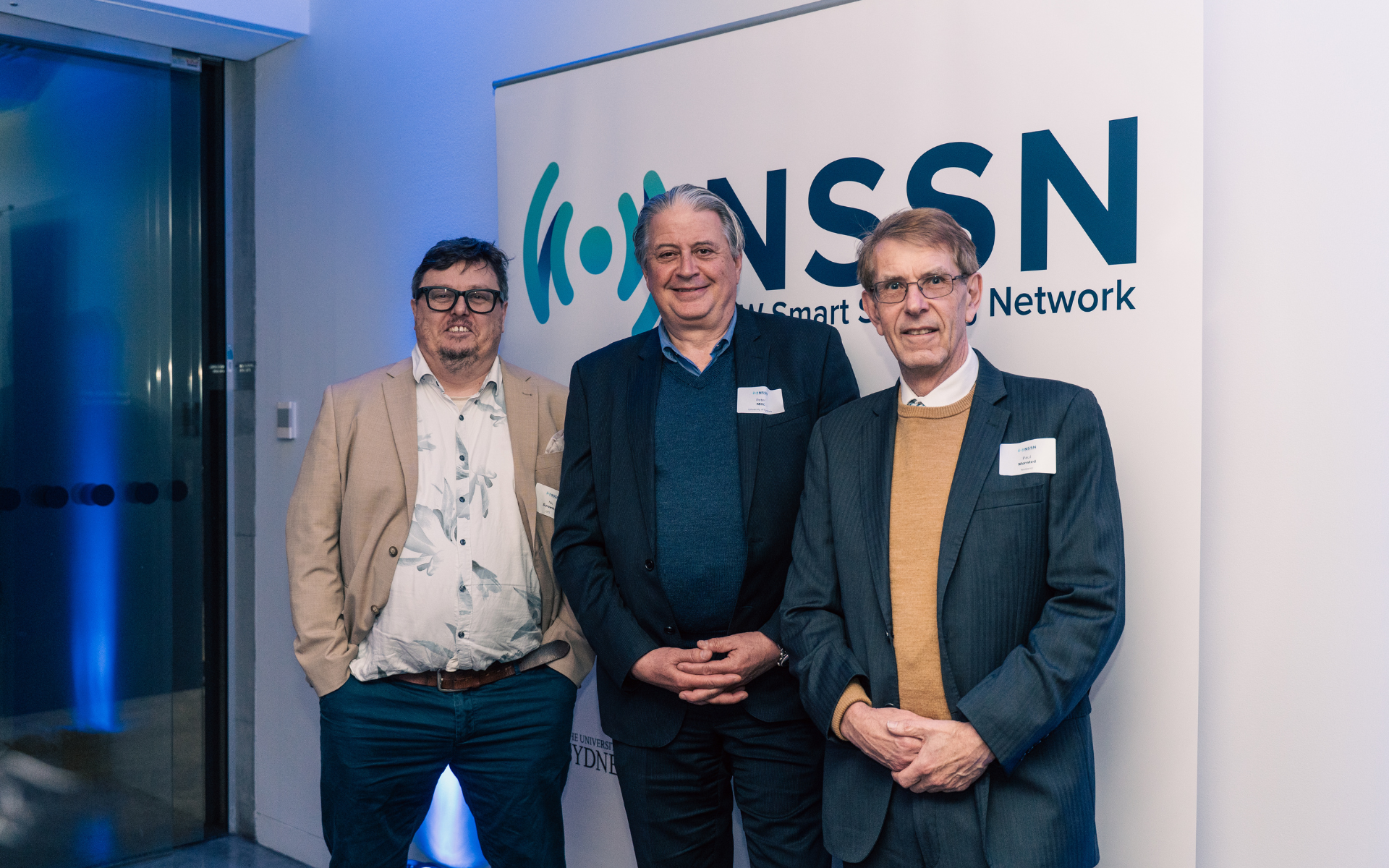
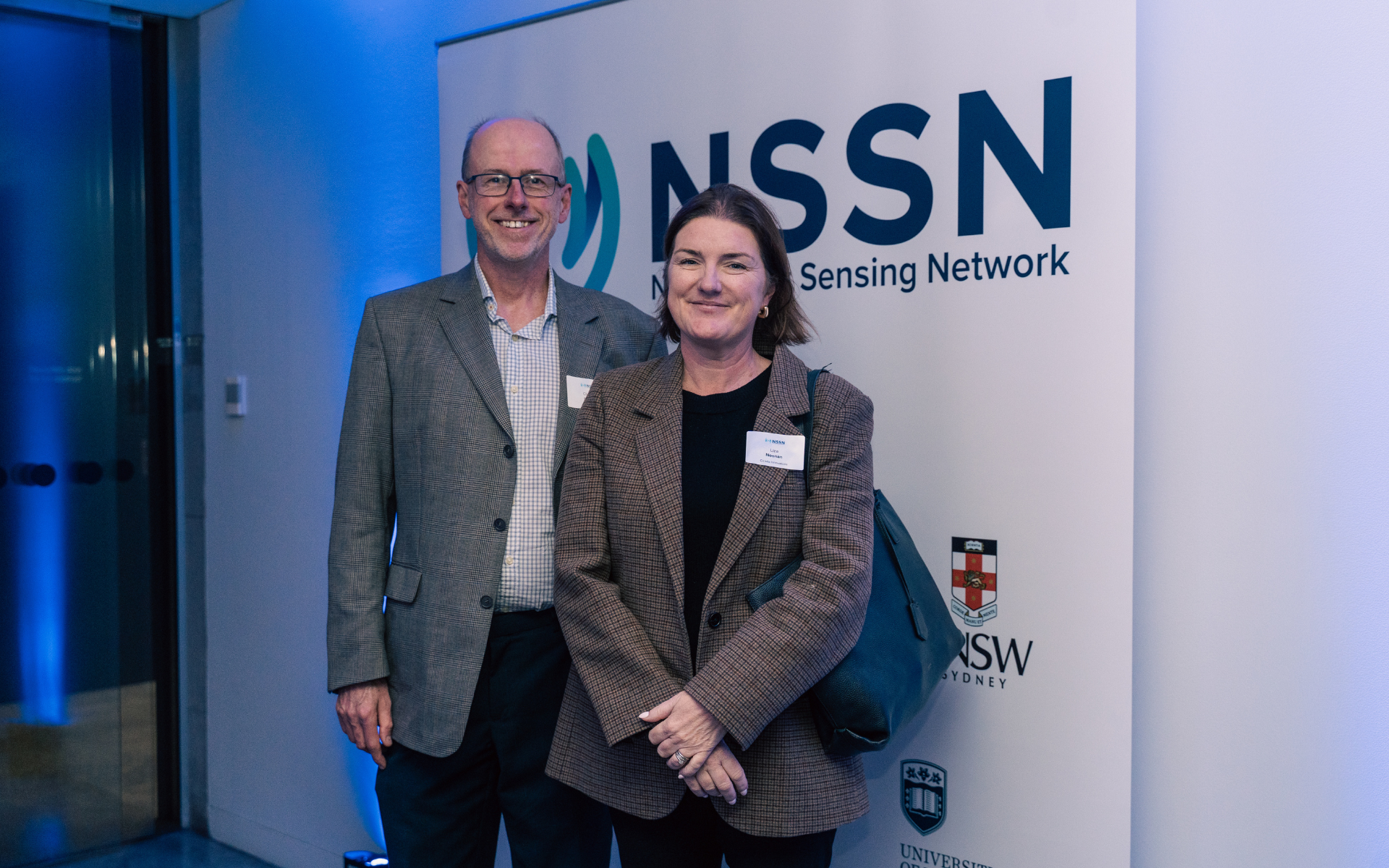
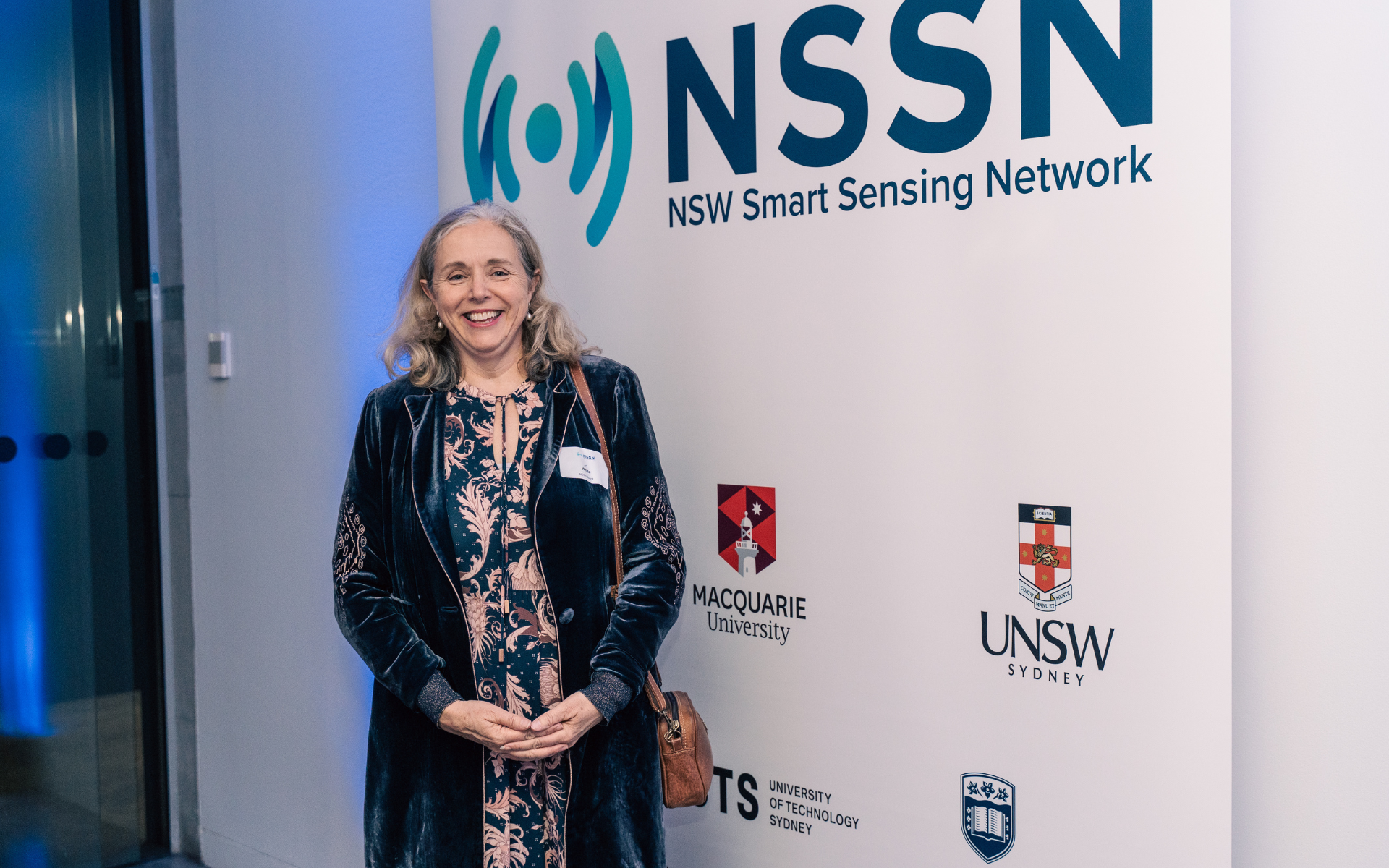
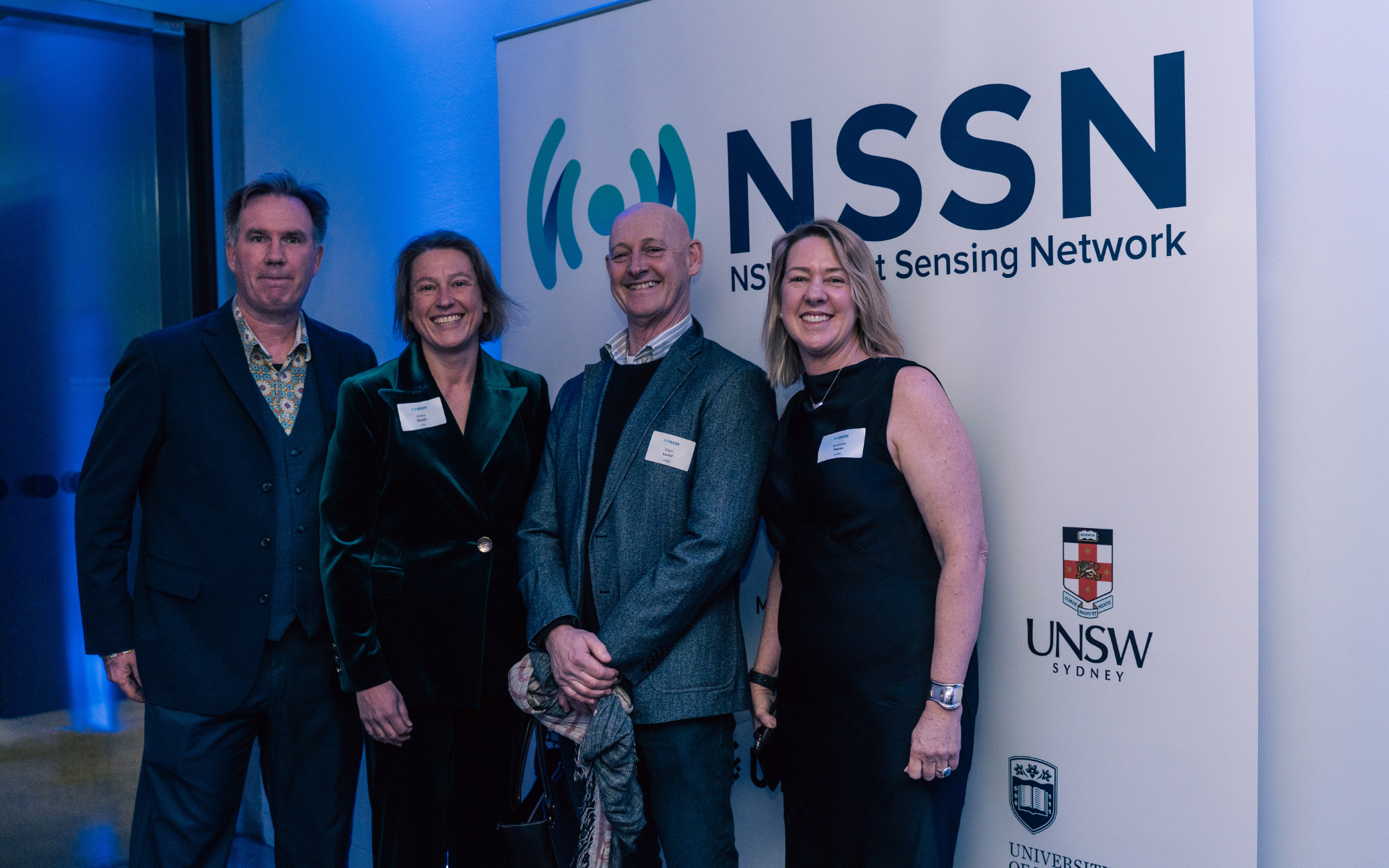
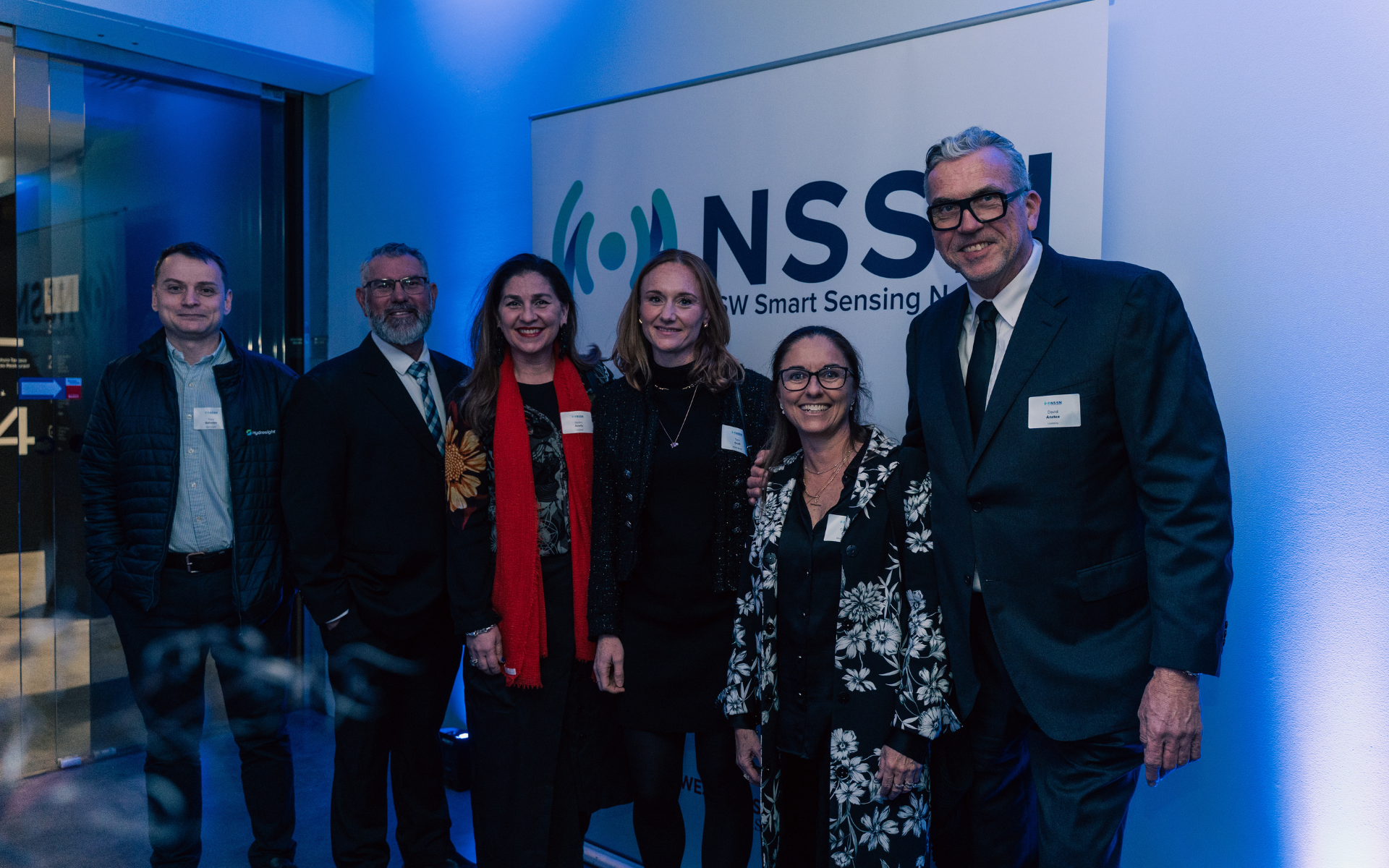
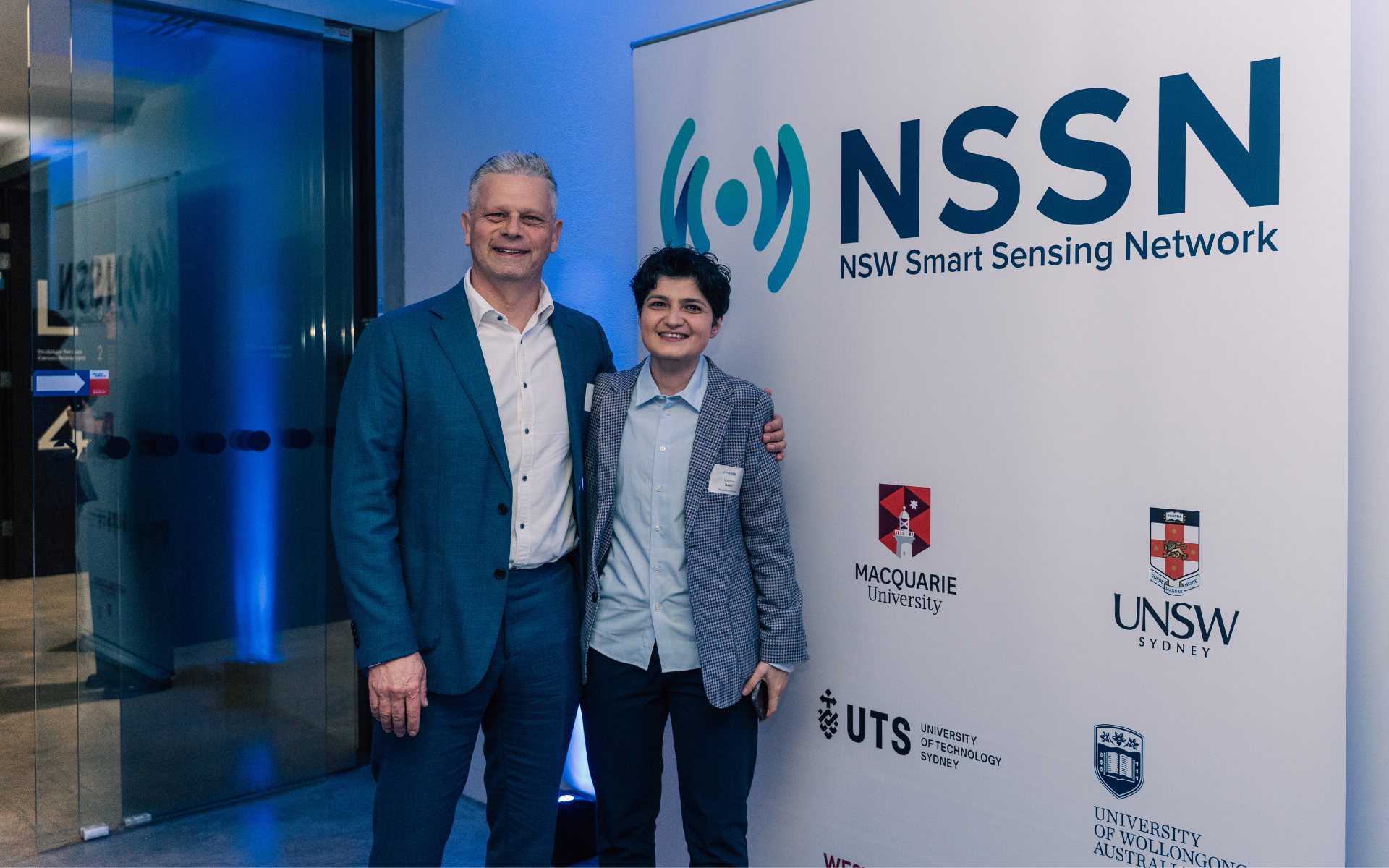
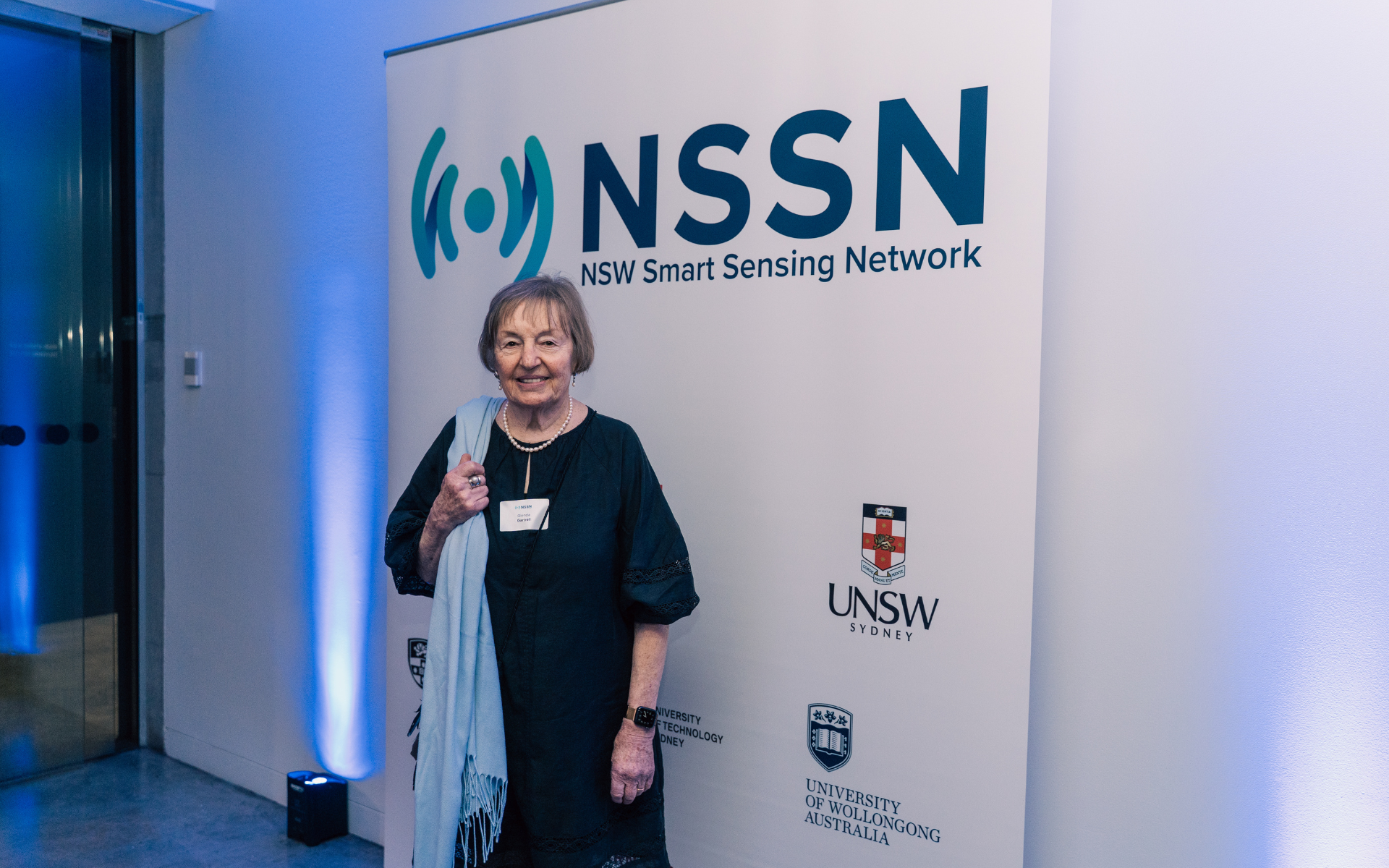
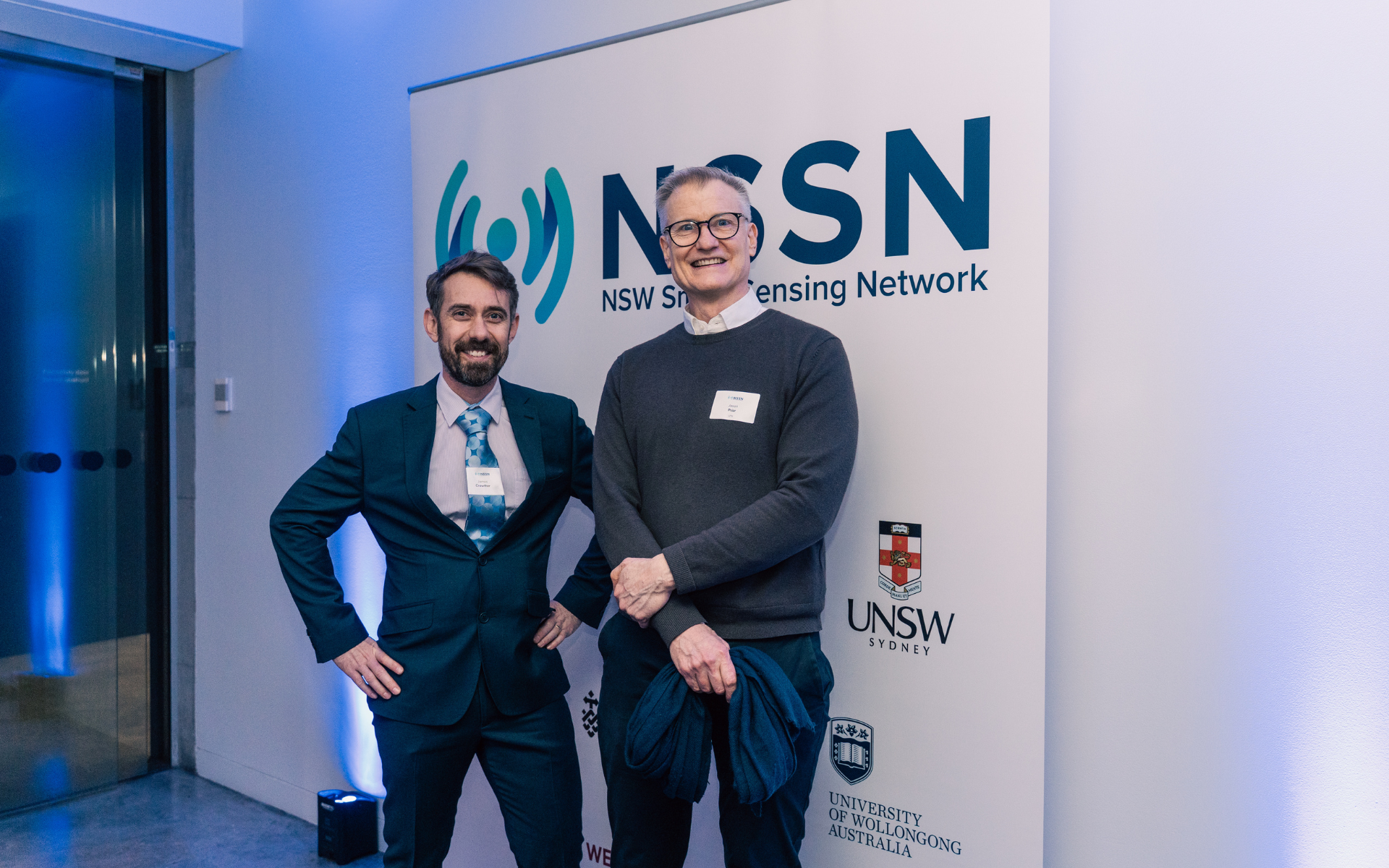
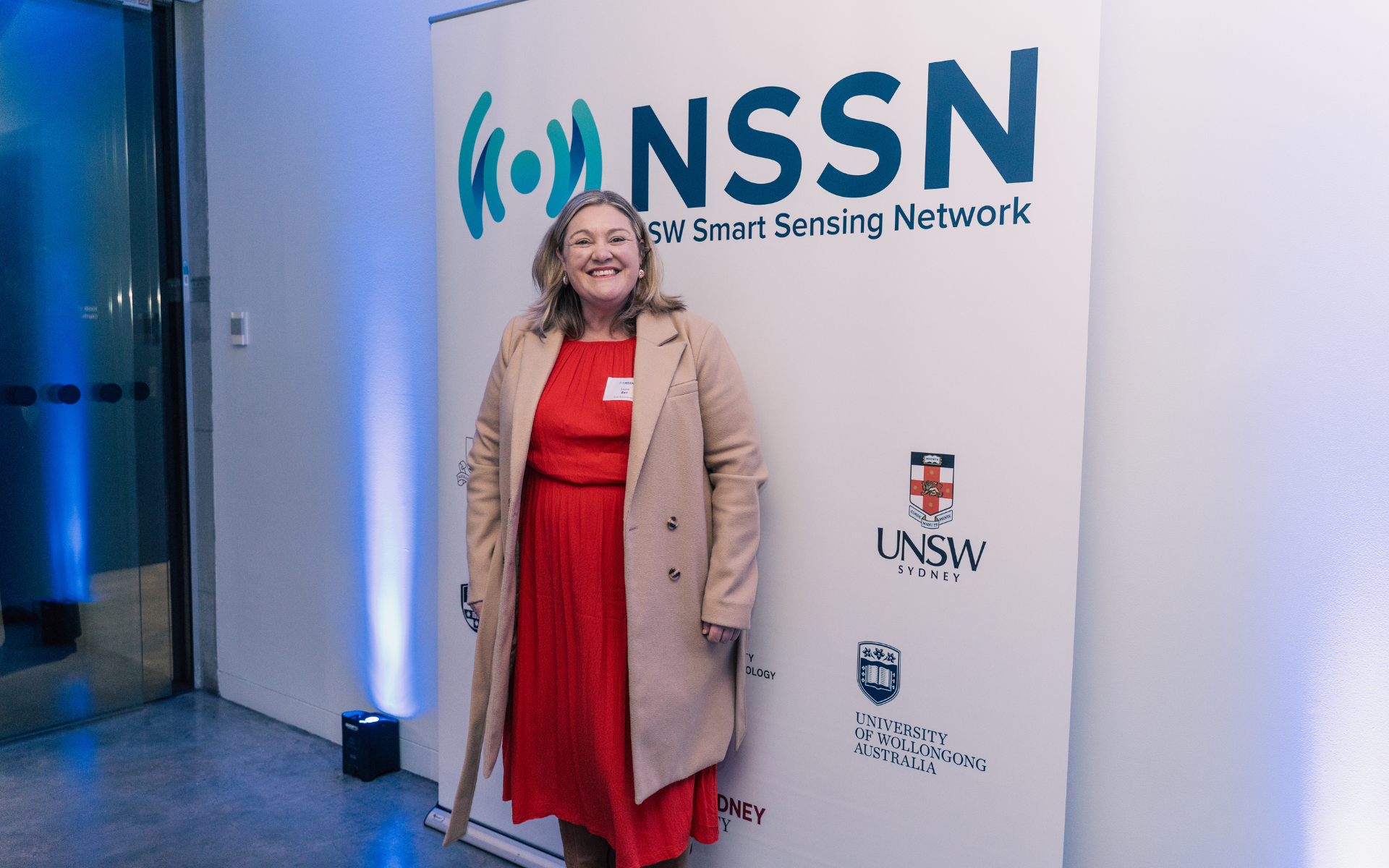
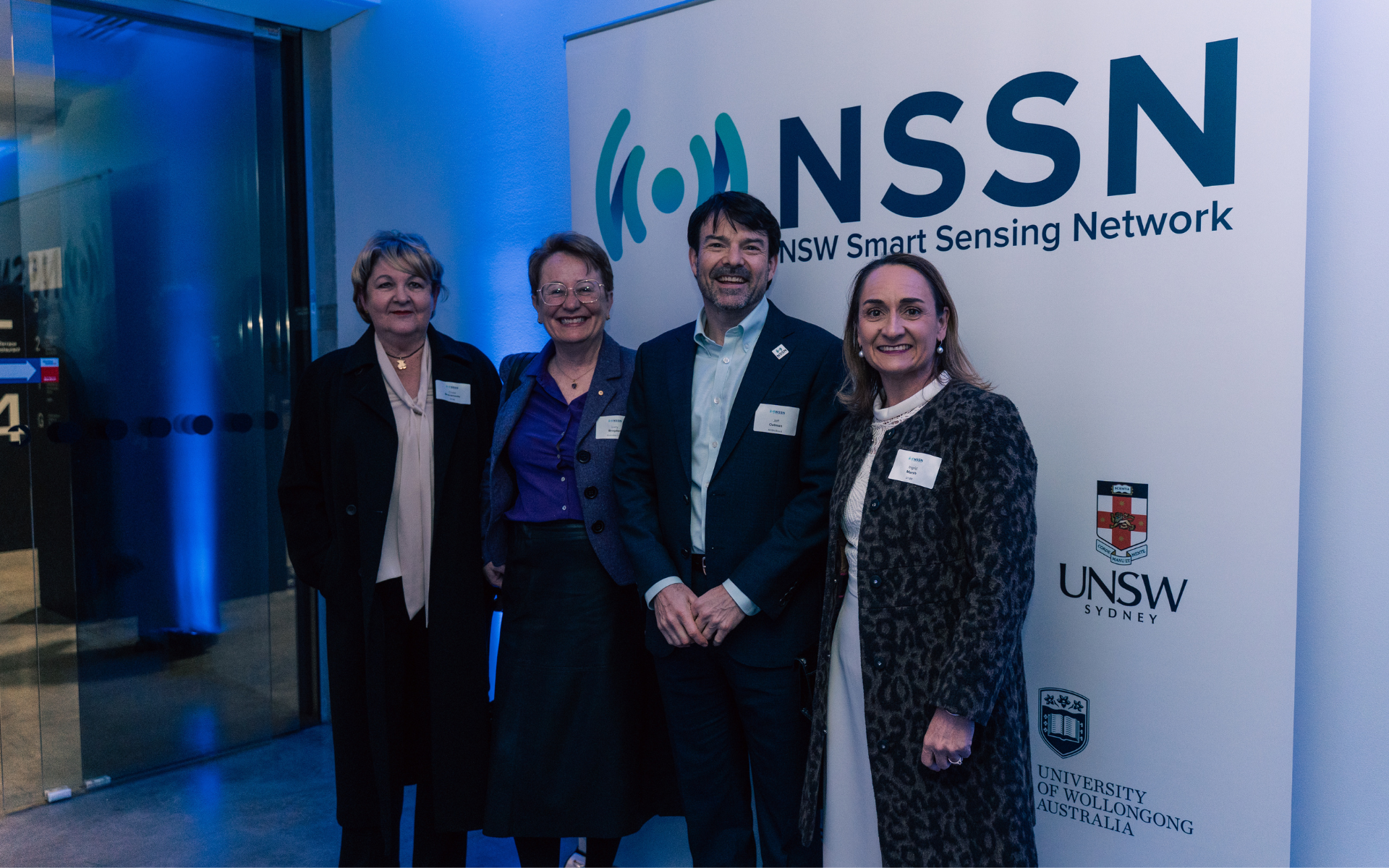
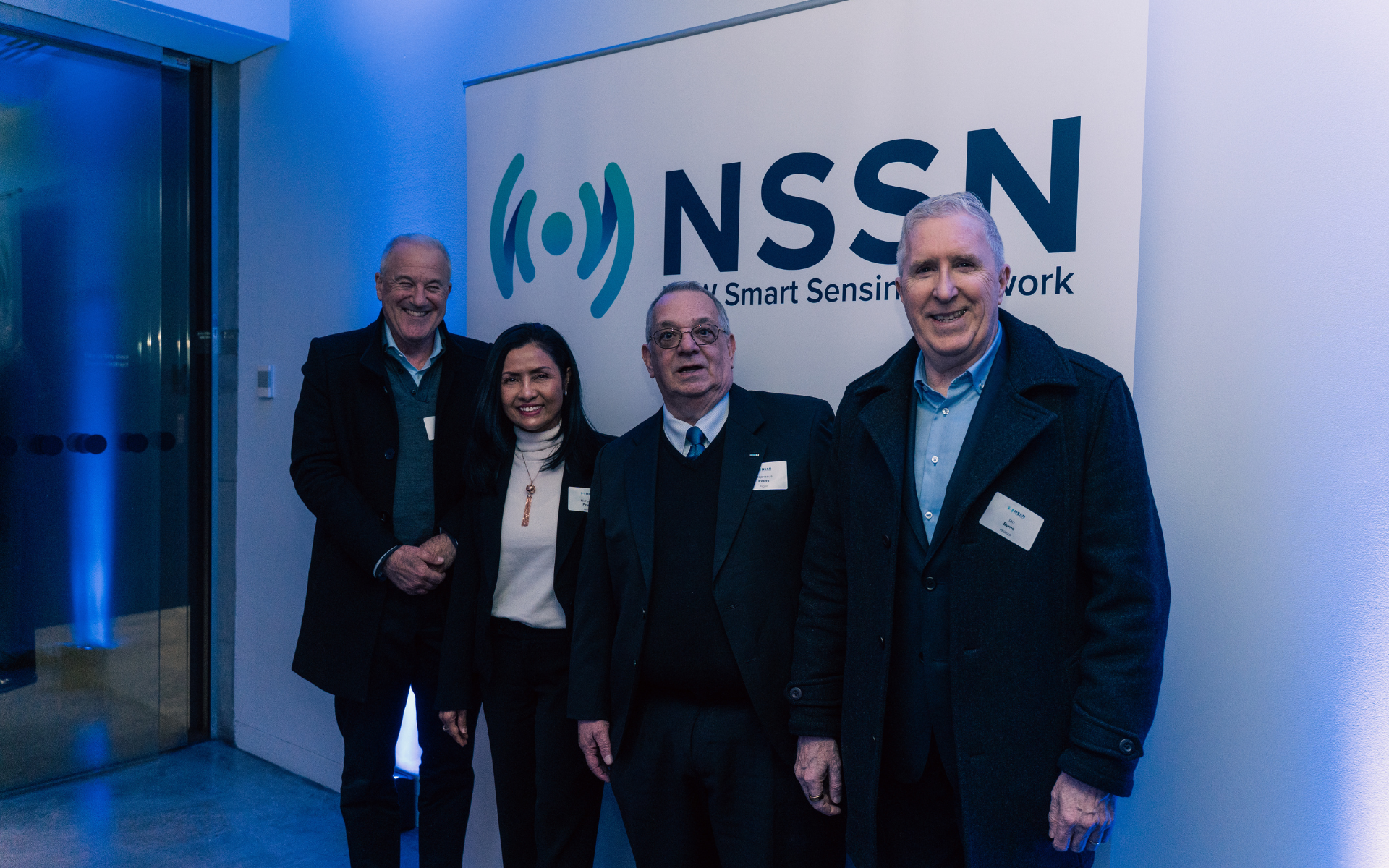
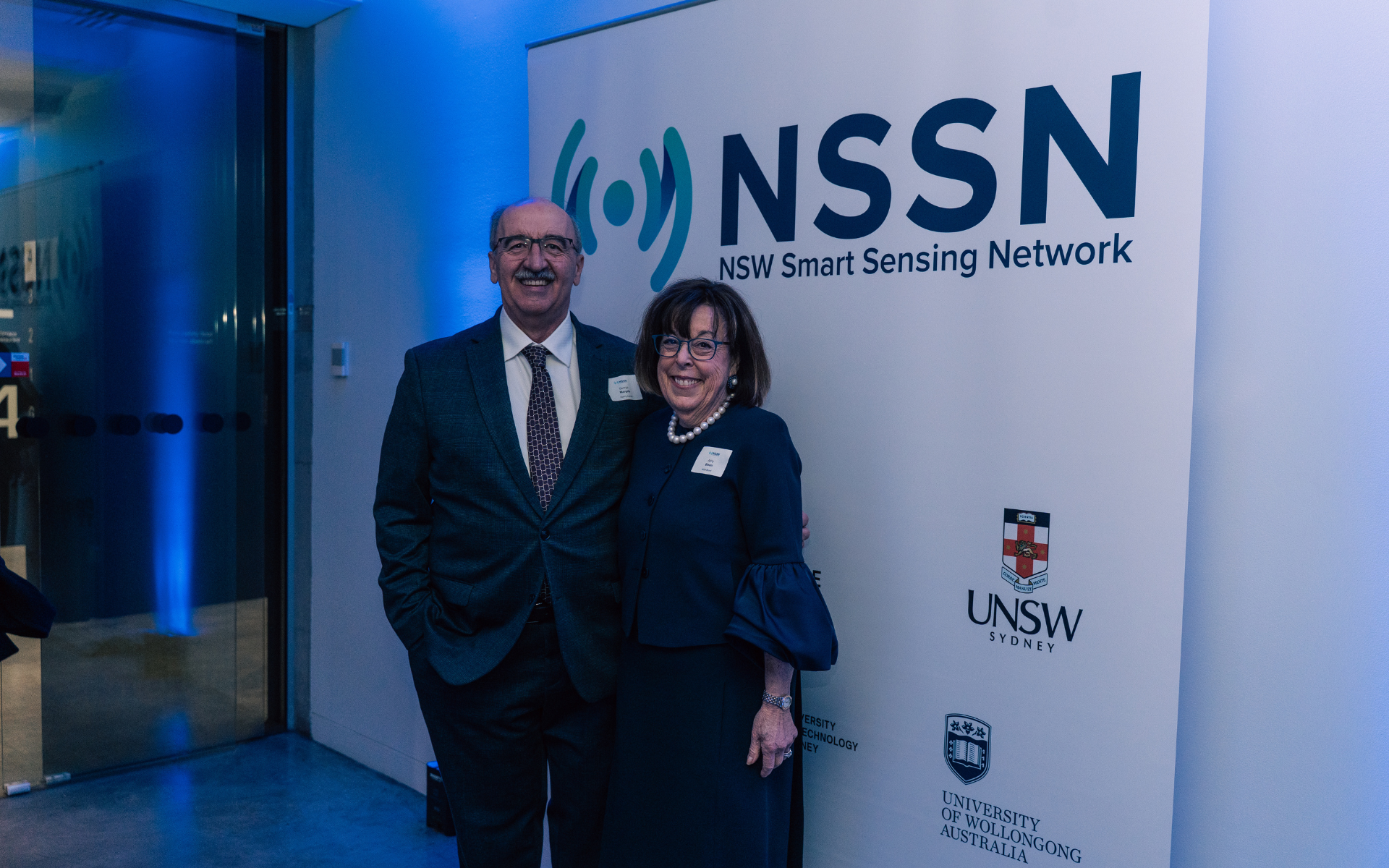
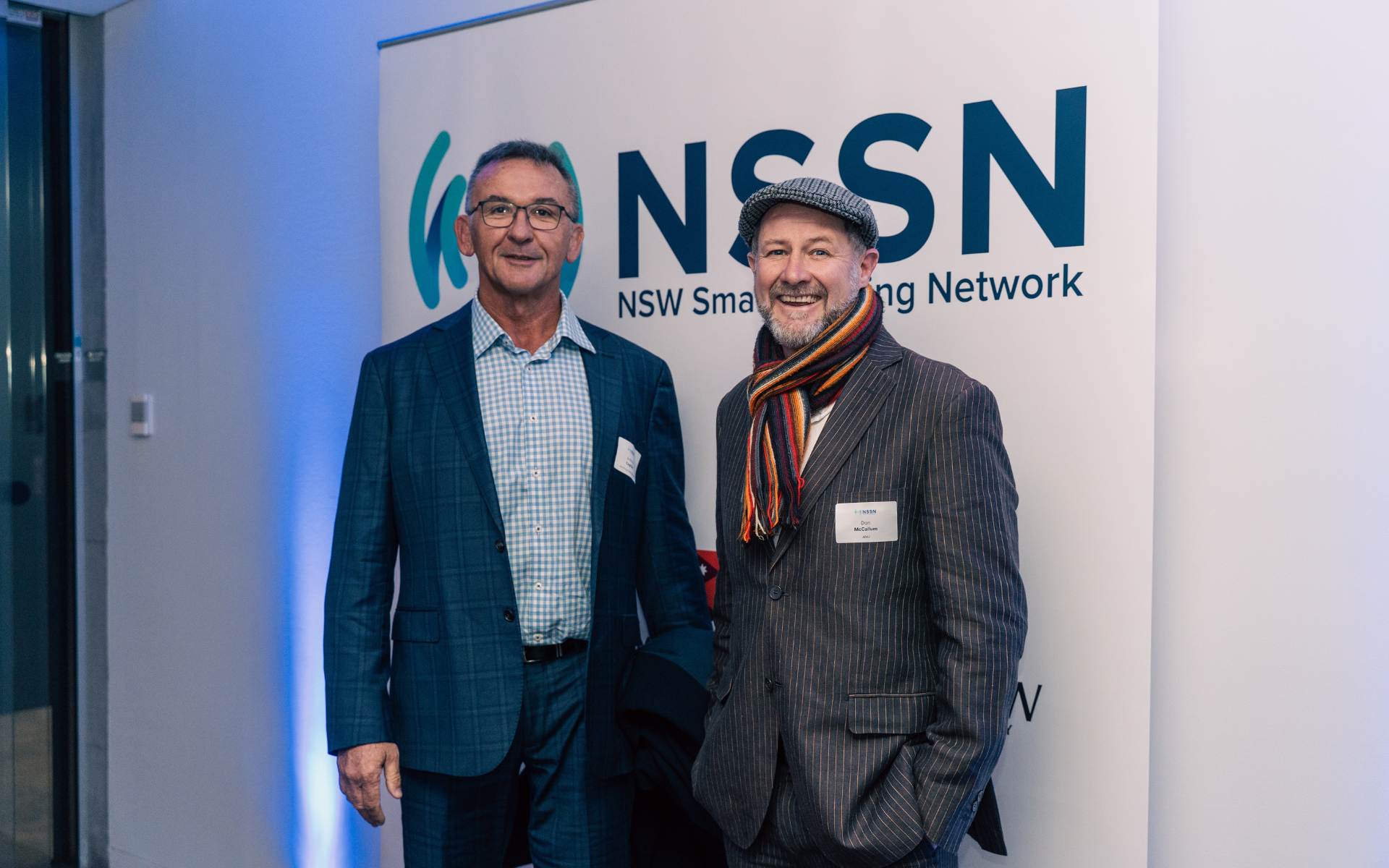
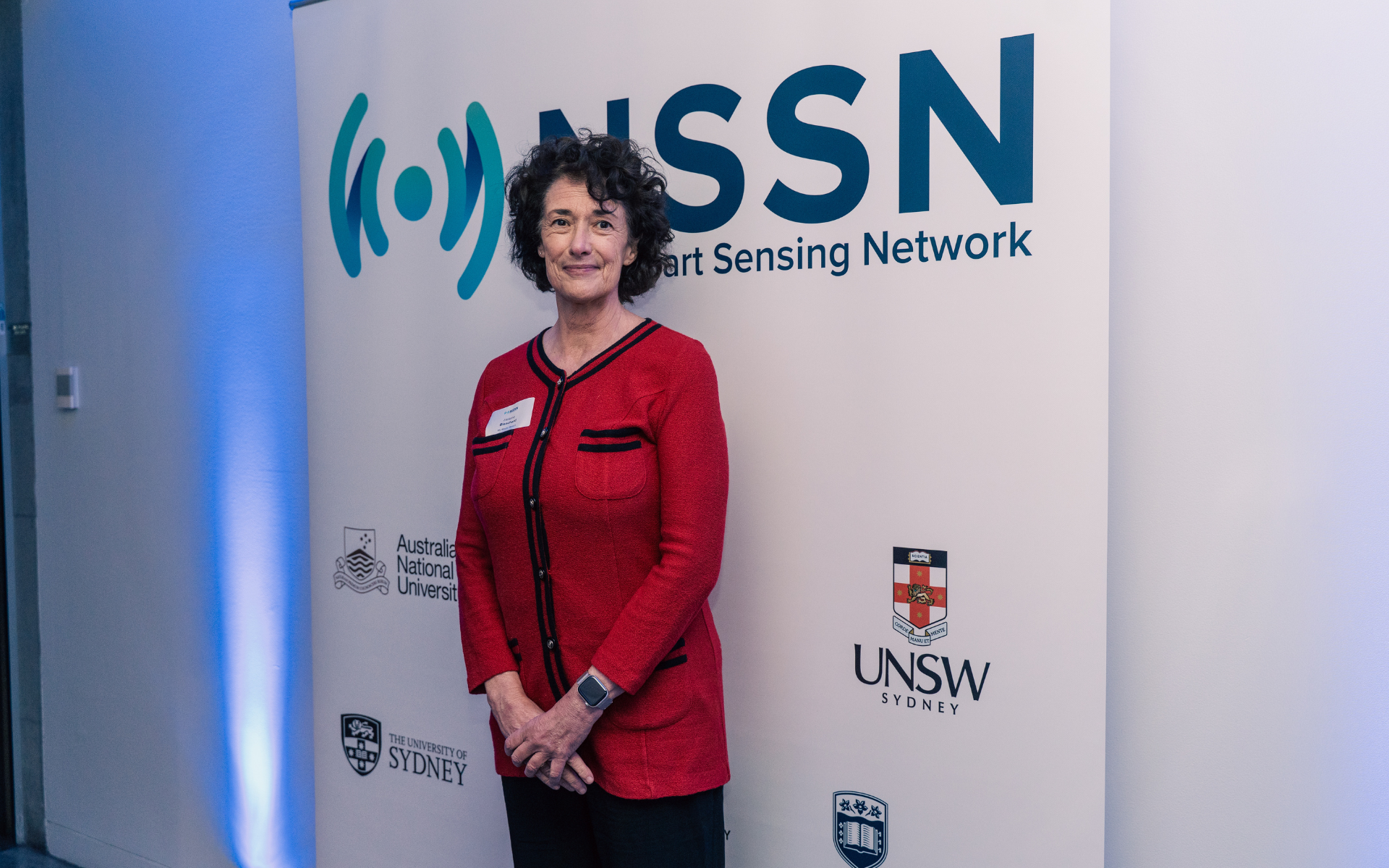
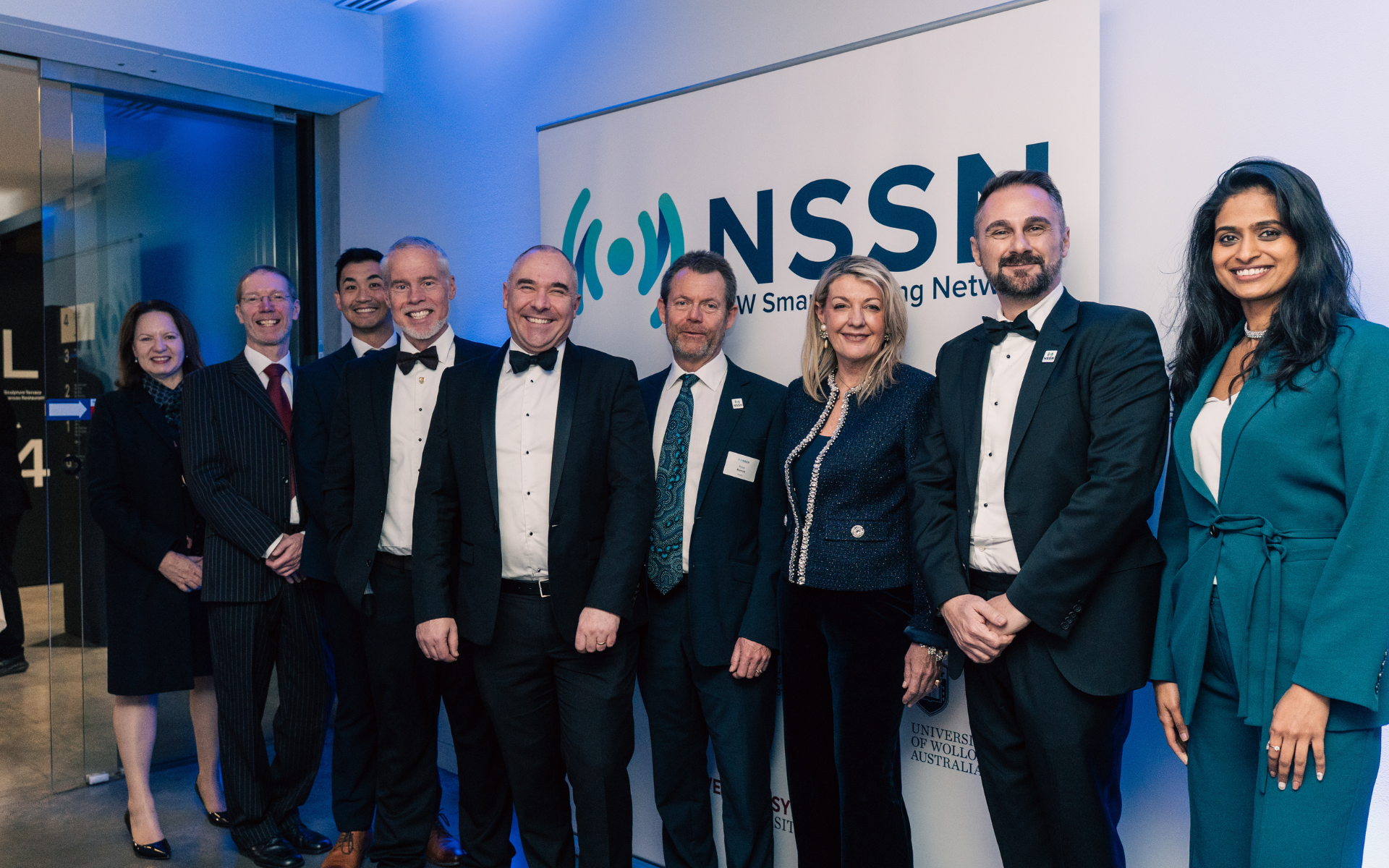
The anniversary celebration brought together the founders, university partners, researchers, industry, government and collaborators who have helped shape the NSSN over the past decade.
NSW Chief Scientist & Engineer Professor Hugh Durrant-Whyte said the NSSN was the first research network of its kind established by the NSW Government.
He credited former NSW Chief Scientist Professor Mary O’Kane with recognising the opportunity to bring universities together to apply sensing, science and engineering to real government challenges.
“I have to say that was an amazingly insightful thing to do, Mary,” Prof Durrant-Whyte said.
“I think the way to get to the heart of government is to actually show them what science, what engineering, what technology can genuinely do to solve government problems.”
He said one of the NSSN’s greatest strengths had been its ability to encourage universities to collaborate rather than compete, with the network demonstrating the value of bringing university expertise together to address challenges across government and industry.
The NSSN’s success also helped inspire other collaborative networks, including the Defence Innovation Network, Space Research Network and Net Zero Hub.
“We’re making the case to government that networks and collaboration between universities is the best thing for this state in terms of creating prosperity and creating solutions for government,” Prof Durrant-Whyte said.
Prof Eggleton said bringing NSW’s dispersed sensing expertise together became the central idea behind the NSSN.
The network he and Prof Justin Gooding helped conceive aimed to bring greater coordination, scale and focus to sensing research, connecting university expertise with real-world government and industry challenges.
What began as a University of Sydney–UNSW pilot expanded into a broader NSW and ACT network of seven universities, with a focus on co-design, research translation and projects responding to industry and government needs.
Prof Eggleton said the word “smart” in Smart Sensing was deliberate, reflecting “not just sensors, sensing hardware, but connectivity networks, edge computing, data, AI layers required to generate actionable insights and situational awareness”.
“Smart is an acknowledgement that what NSSN is trying to do is smart: to harness our greatest minds sitting in our universities and our companies to bring solutions to real problems.”
Looking back over the past decade, he said the network’s greatest achievement was not any individual project or program.
“It is the community and it is the ecosystem,” Prof Eggleton said.
“The NSSN has built a culture of collaboration across NSW that simply did not exist before.”
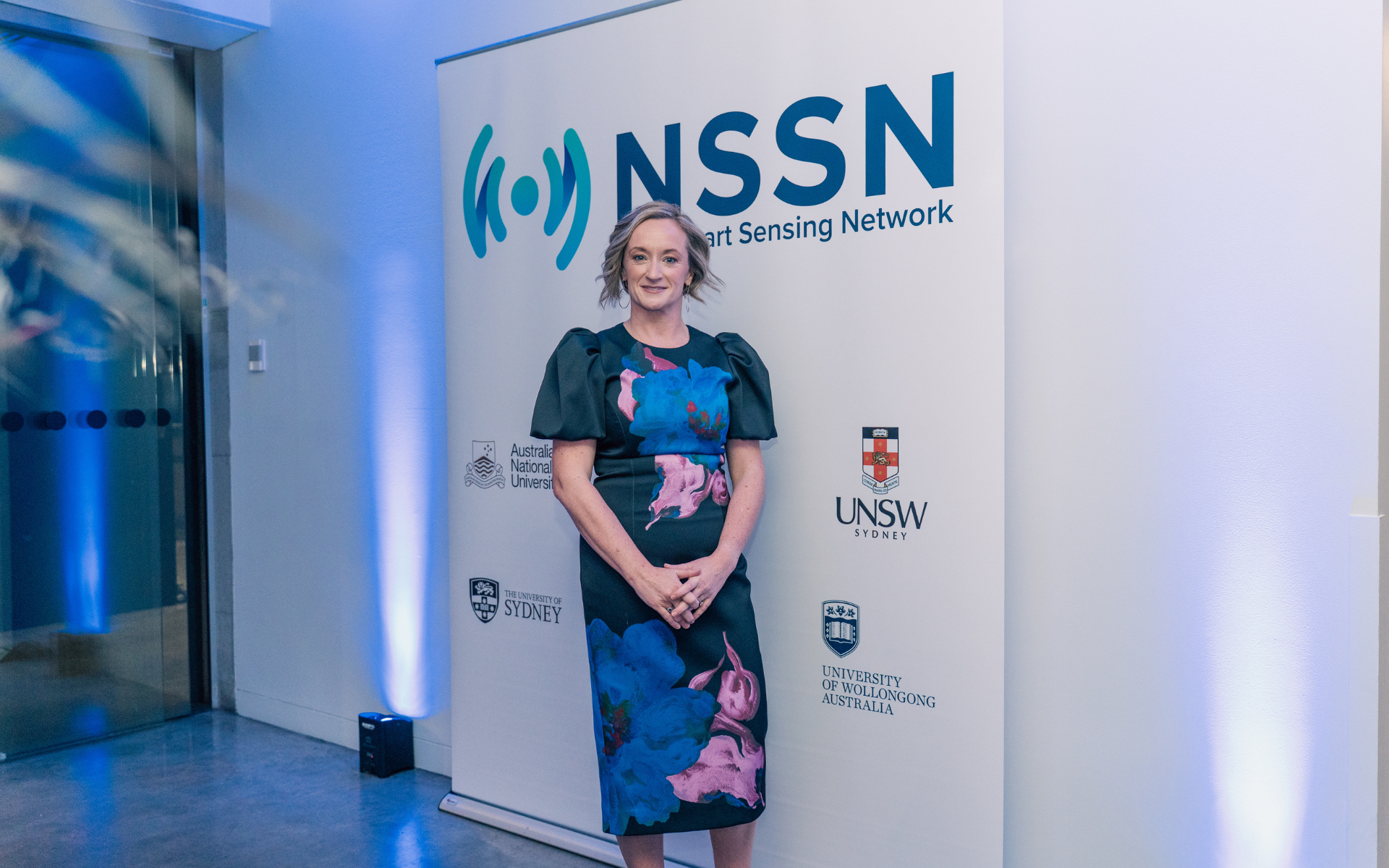
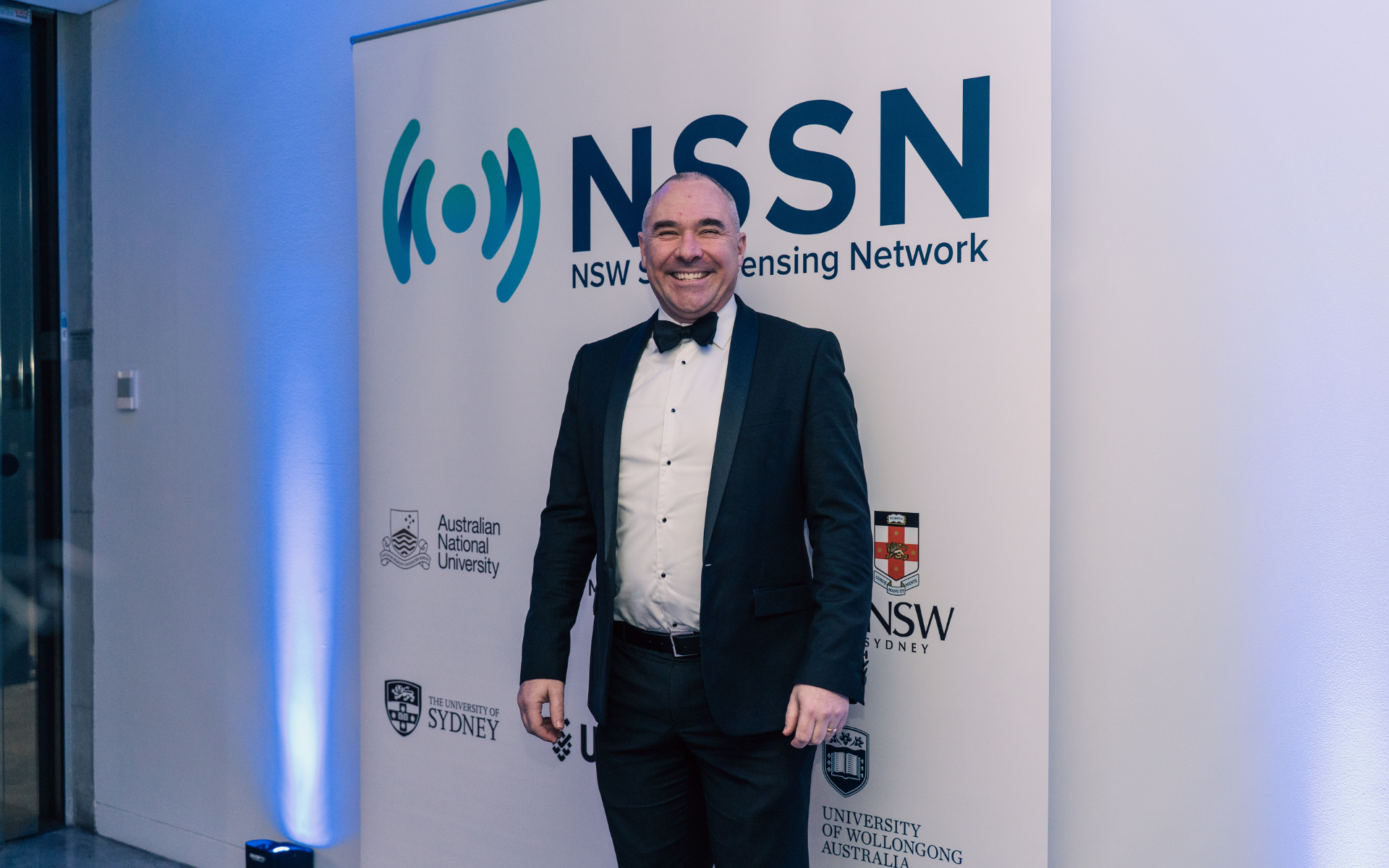
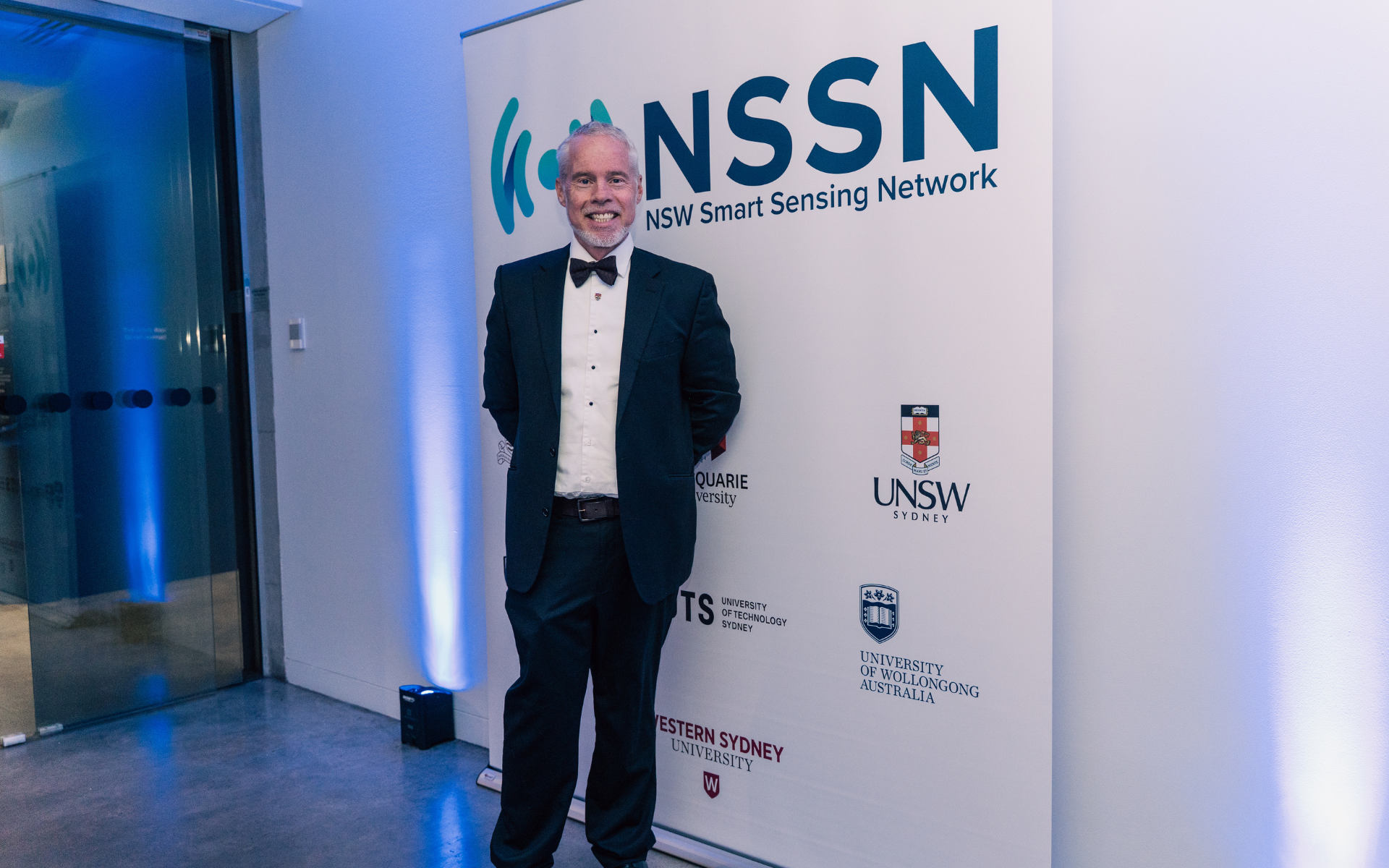
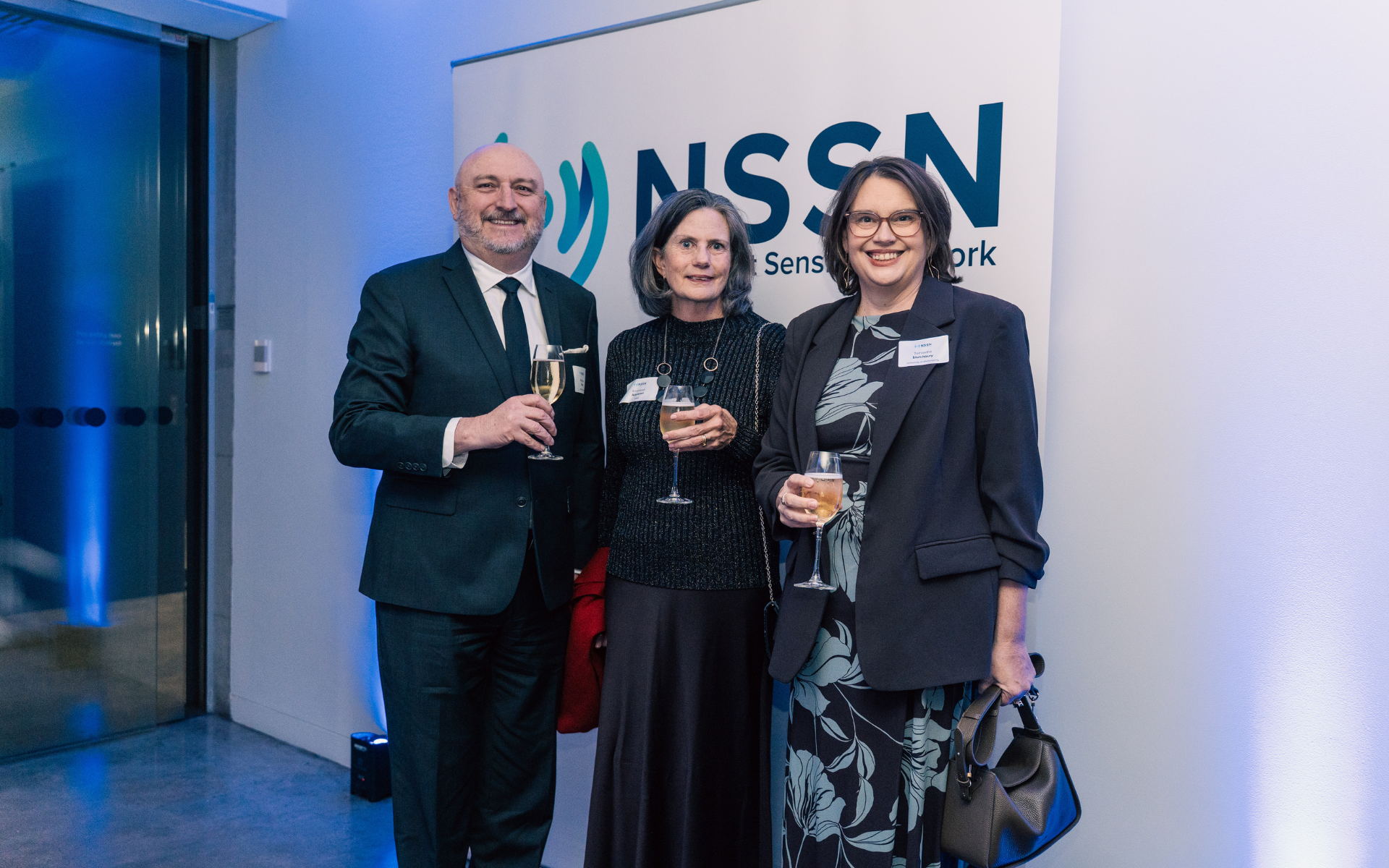
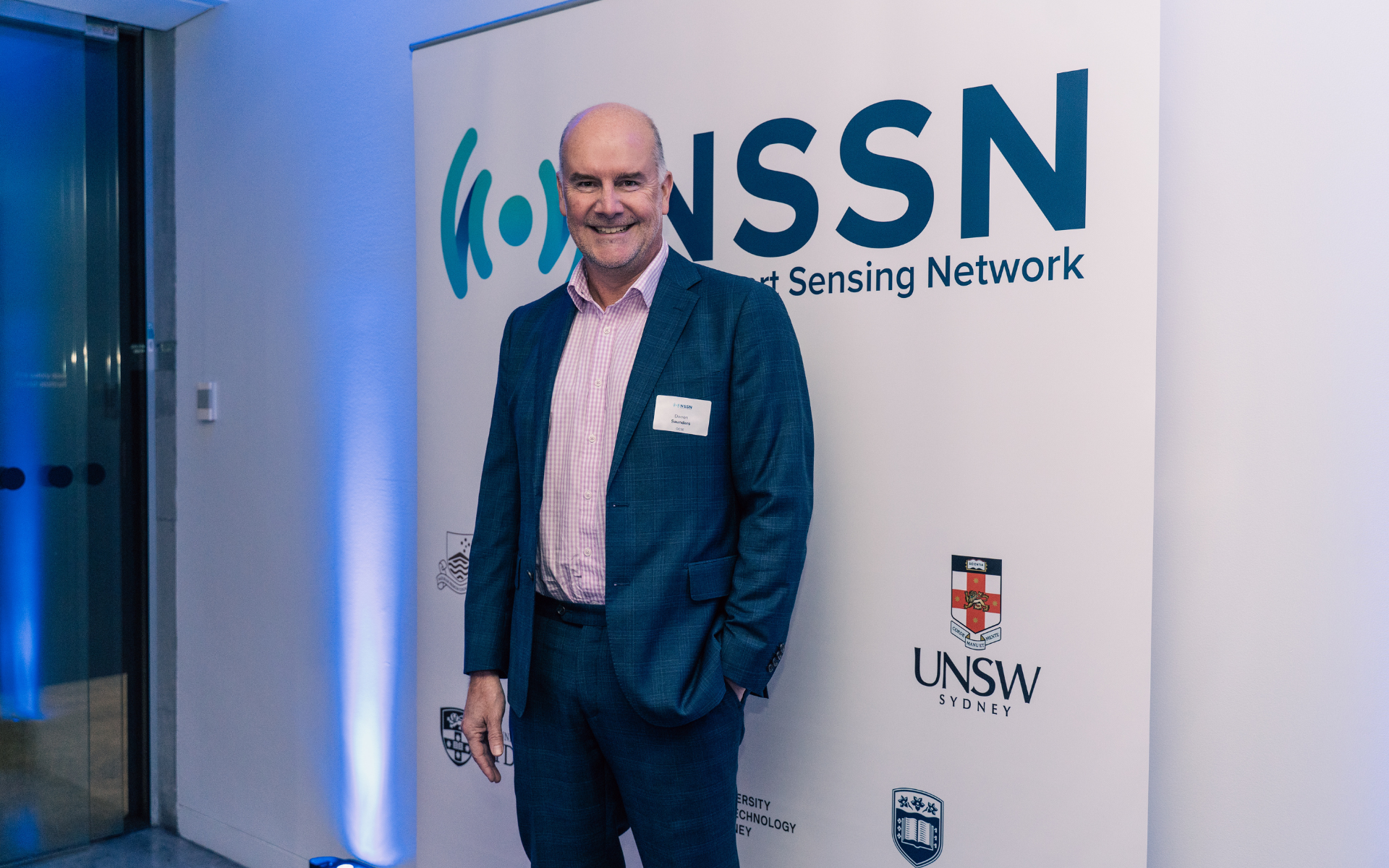
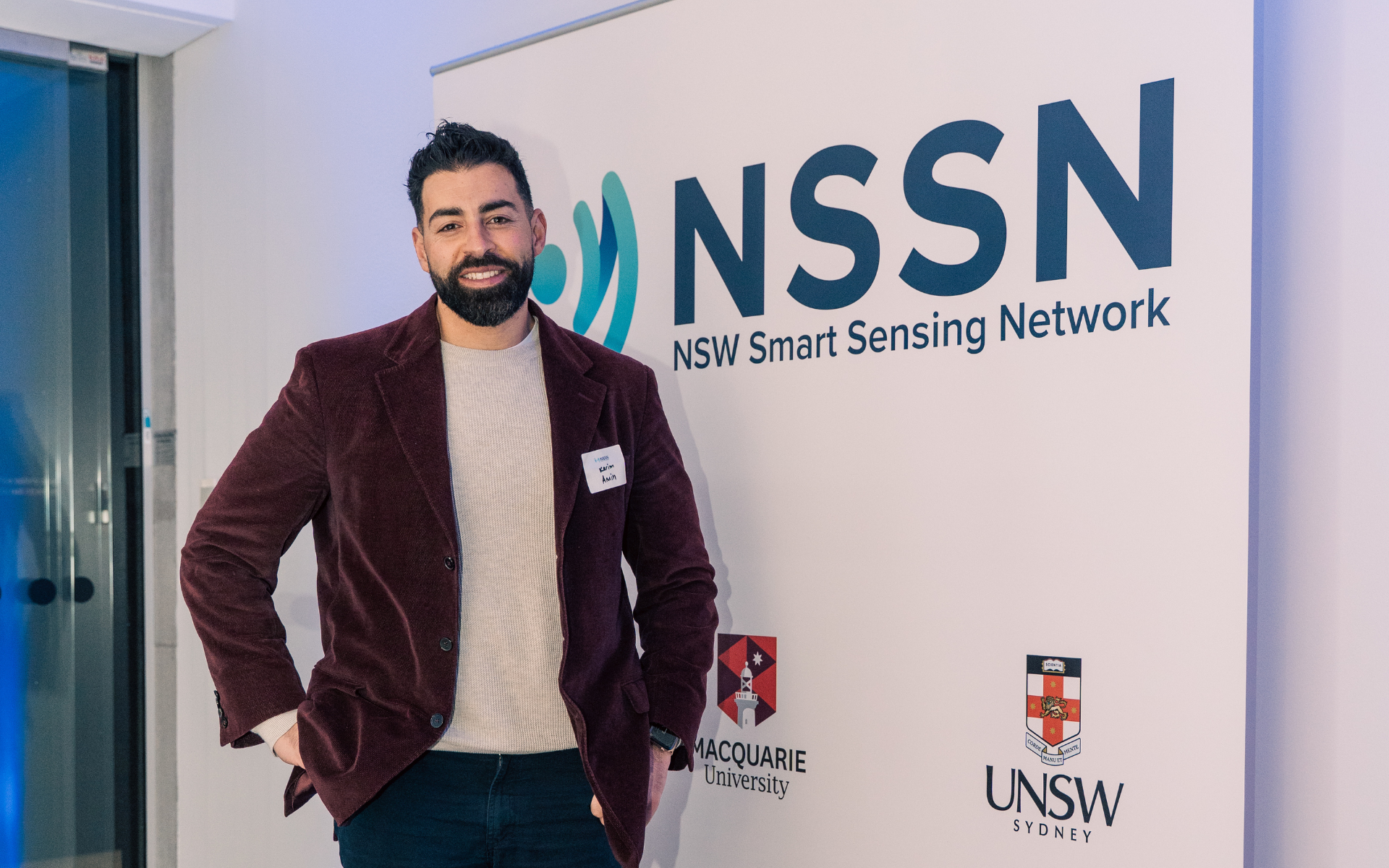
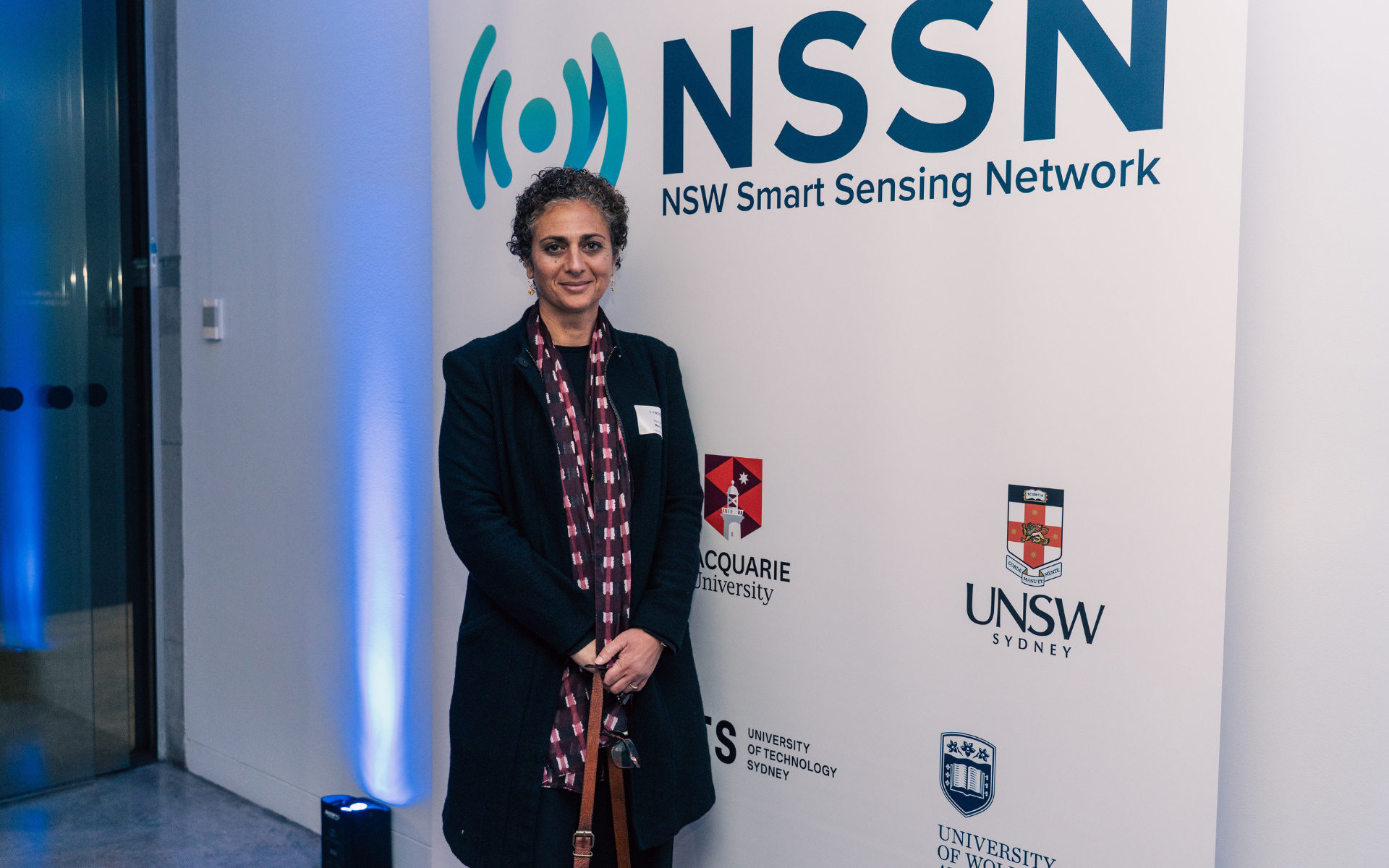
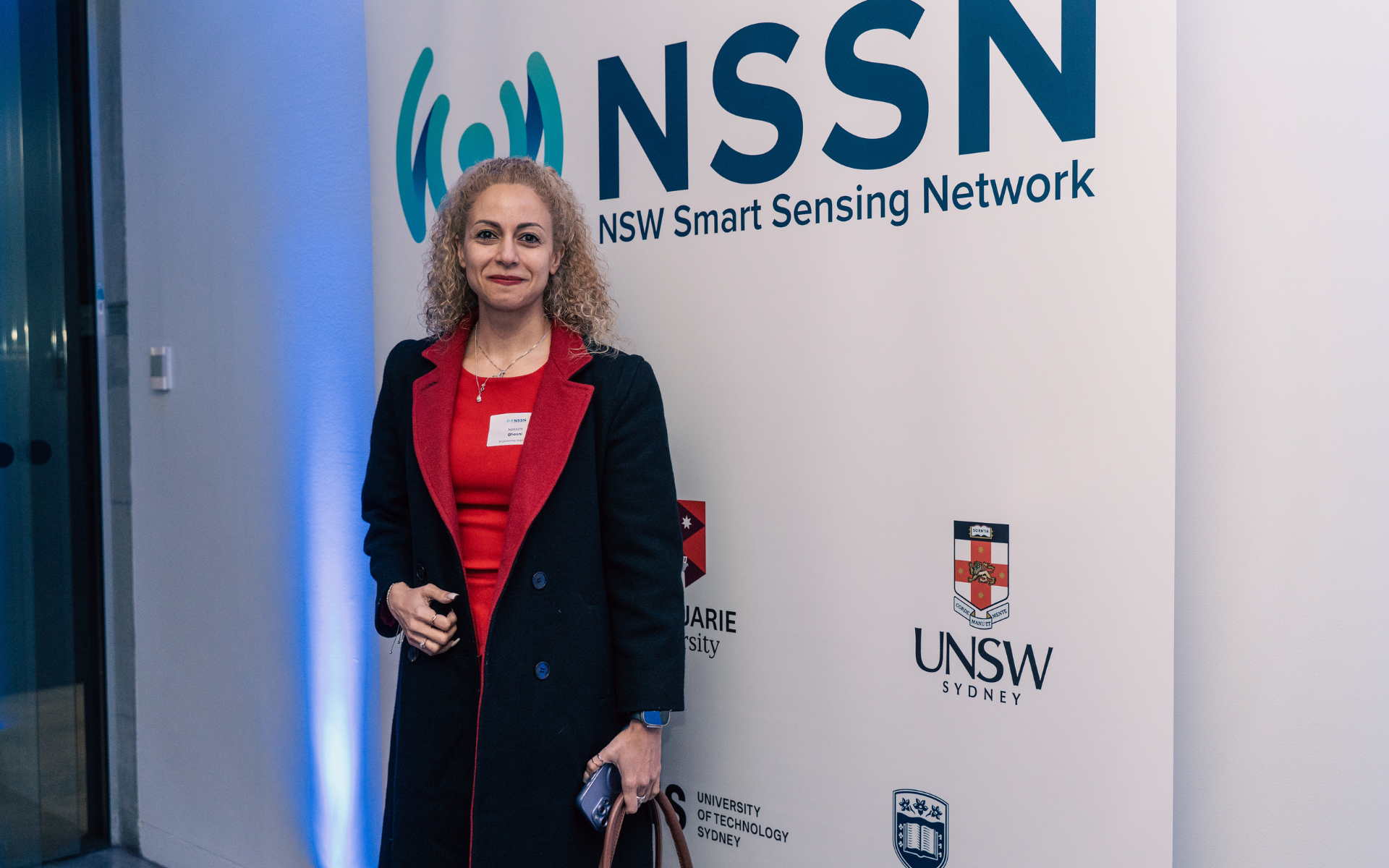
NSSN Co-Director Prof Julien Epps reflected on joining the NSSN during the COVID pandemic, when events were still online.
“Even then, the power of a carefully curated event bringing industry, government, and academia together was very, very clear,” he said.
“And that year we had a full complement of Grand Challenge Fund proposals, even during COVID.”
Prof Epps said NSSN events had become a core part of the network’s role in building relationships and creating opportunities across sectors, with the team - which he described as “the engine of the NSSN” - focused on connecting people across industry, government and academia.
He recalled a 2023 trip to Port Macquarie, where the team had spent a packed day running a Women in Sensing event followed by a Sensing Industry Connect event, only to discover afterwards that there were no taxis back to town at 8pm.
“The team had been completely focused all day on connecting all of our partners,” he said, adding that it was only through the help of a local champion from the event that they were able to get back to town.
Professor Epps also acknowledged the many people who had contributed to the network over its 10-year history, including outgoing Board Chair Jo White, past Board members and former staff, who were in attendance.
He said the NSSN had grown from an experiment conceived in 2016 into a network making an impact across “a broad range of areas that are so important to society”, including human health, agriculture, the environment, natural hazards, net zero and smart cities.
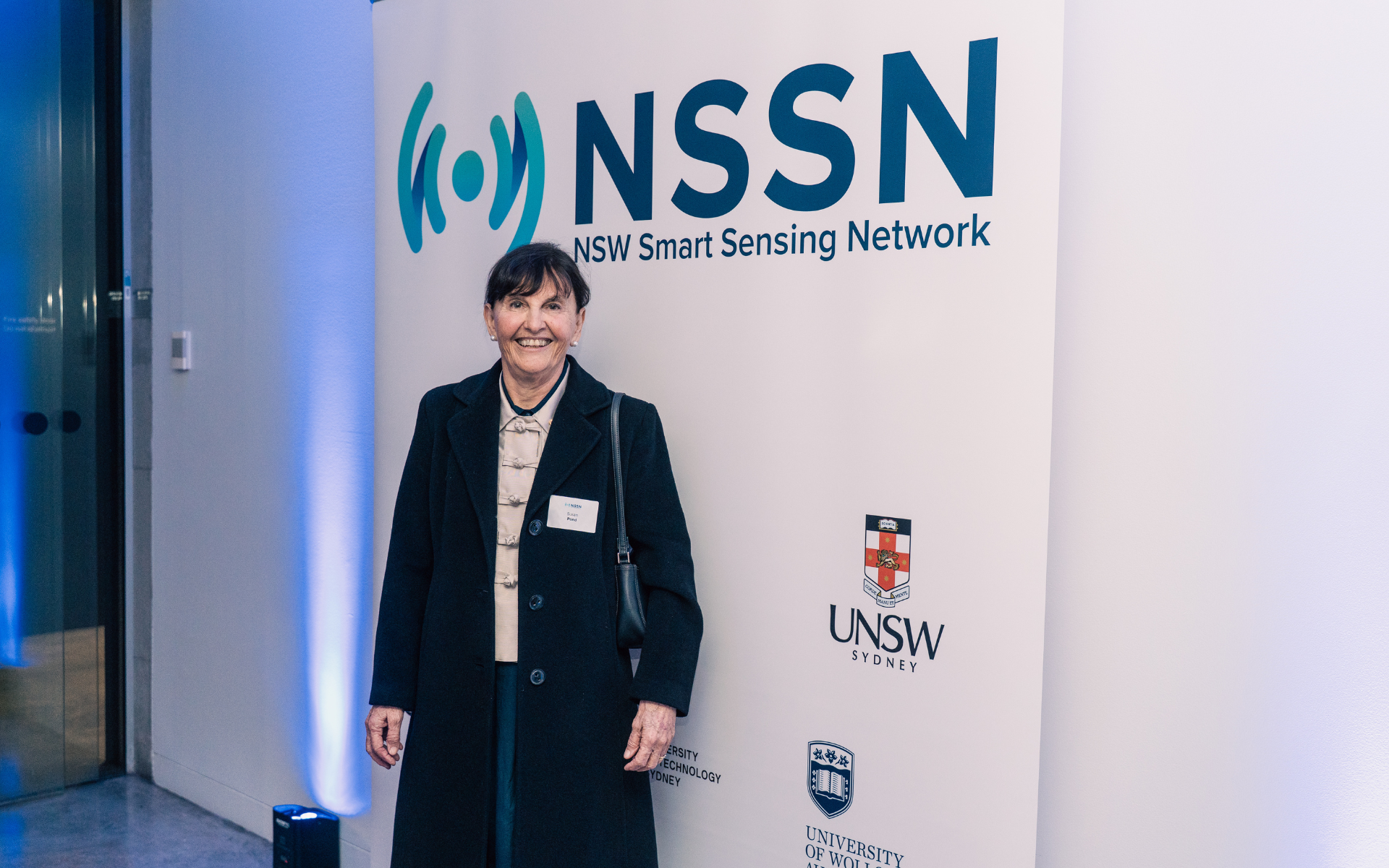
New NSSN Board Chair Dr Jill Freyne paid tribute to former Chairs Jo White and Susan Pond, saying the achievements being celebrated had been built on their leadership.
Dr Freyne said the network was entering a new phase at a time when collaboration between universities and industry was becoming increasingly important.
“Ten years ago, the thought of universities coming together and collaborating and doing it in unison for industry’s needs was novel,” she said.
“We’re certainly being asked by the sector more broadly for the rest of the system to do more of what we already do and do well.”
Over the past decade, the NSSN has completed 52 projects representing around $18 million in R&D investment, with another 29 projects currently underway.
“We thank industry for trusting us to curate and coordinate those that respond to industry needs,” Dr Freyne said. “It’s a trusted position that we’re in, and we value it every day that we get to come and solve your problems.”
But Dr Freyne said the real measure of success was “not about the inputs, it’s about the outputs, and it’s about the impact”.
She pointed to projects helping older Australians stay in their homes longer, preserving koala habitats through sensing, and improving air and water quality.
“We exist because of you: your organisations, your challenges, your problems and the things that you want us to solve,” she told industry partners and stakeholders.
As NSSN begins developing its 2027–2031 strategy, Dr Freyne said the network would continue to focus on innovation, sovereign capability, future jobs and industry-focused research.
“Together we will create jobs, together we will drive innovation, and together we’ll support the NSW economy.”
She invited partners and stakeholders to remain part of the network’s next chapter.
“Stay with us on the journey for the next 10 years,” she said. “Continue to communicate with us and tell us what you need, and we will continue to deliver.”