Western Sydney event showcases Australian aircraft, advanced manufacturing and smart sensing
Australian-made aircraft, advanced manufacturing and smart sensing technologies were in focus at the NSW Smart Sensing Network’s first Sensing Industry Connect event at Western Sydney University’s Bankstown City campus.
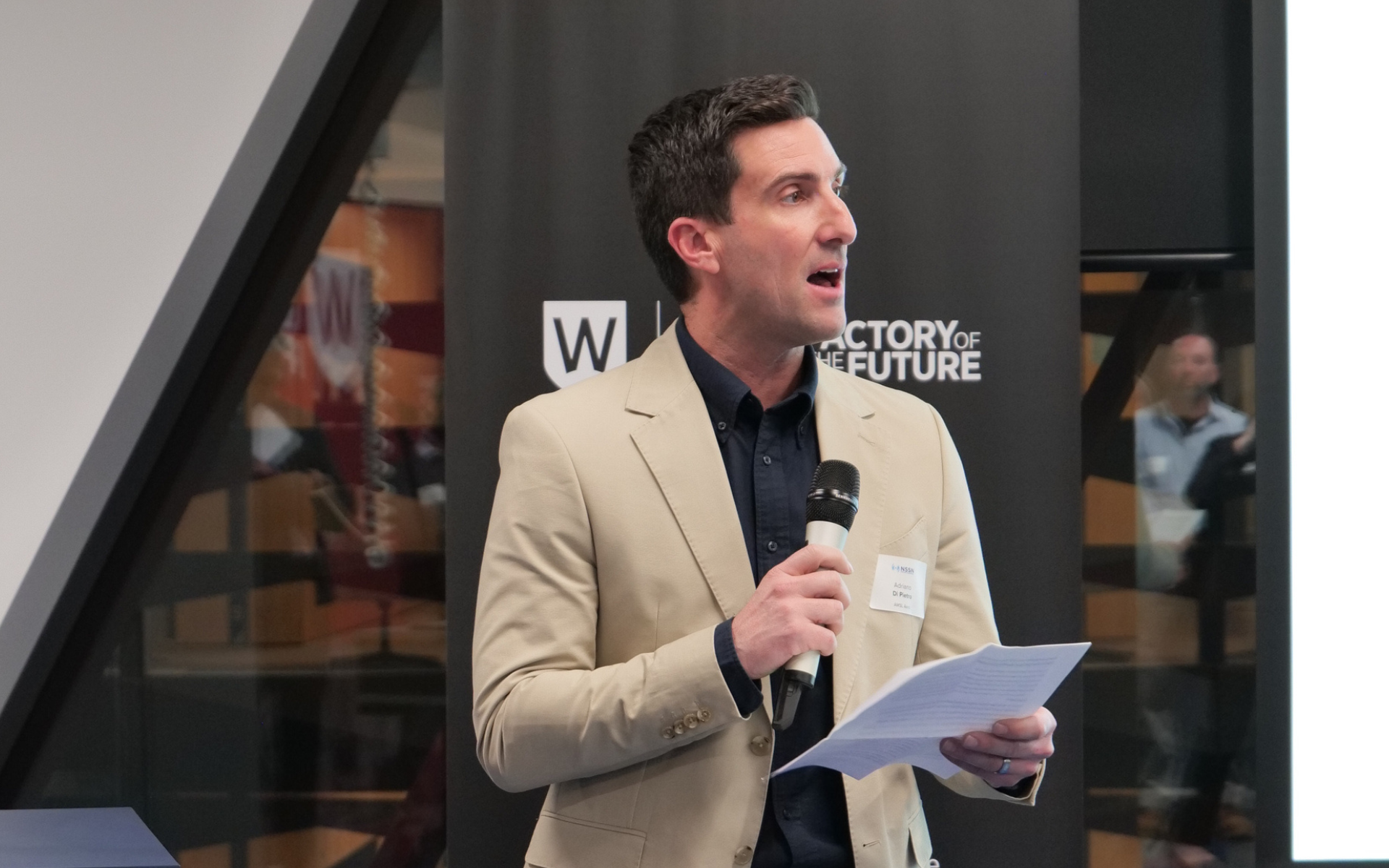
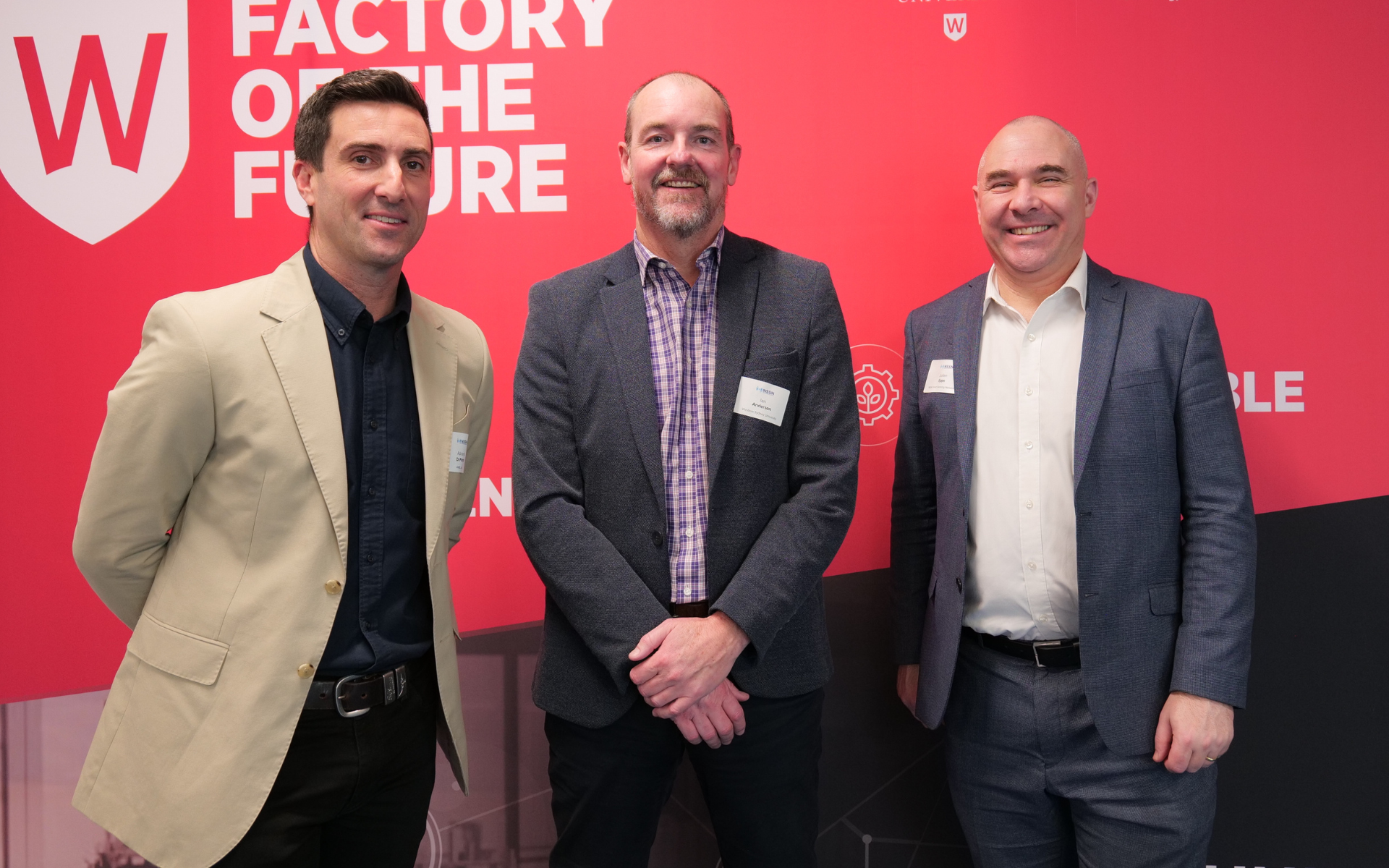
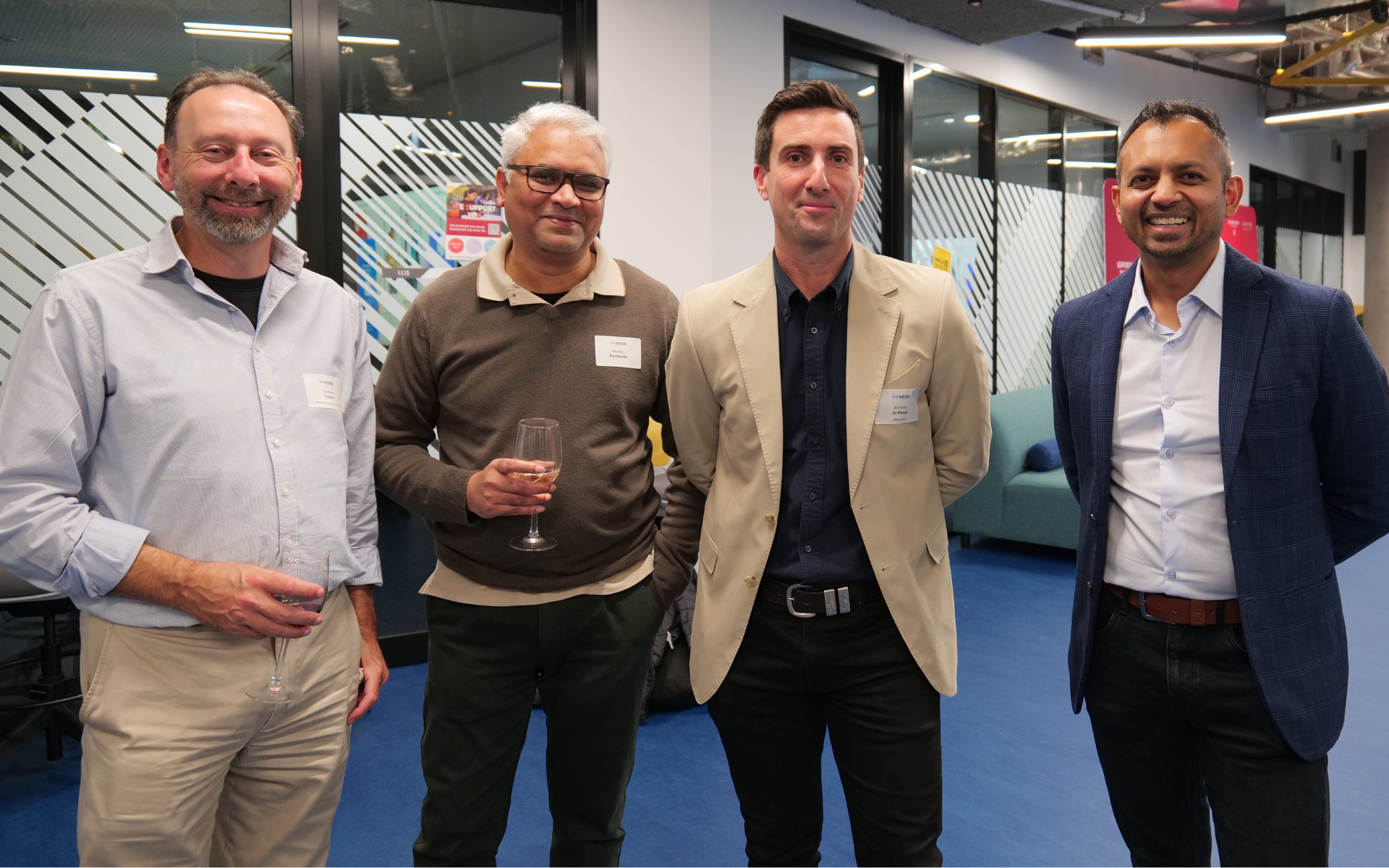
Dr Adriano Di Pietro, CEO of aerospace company AMSL Aero
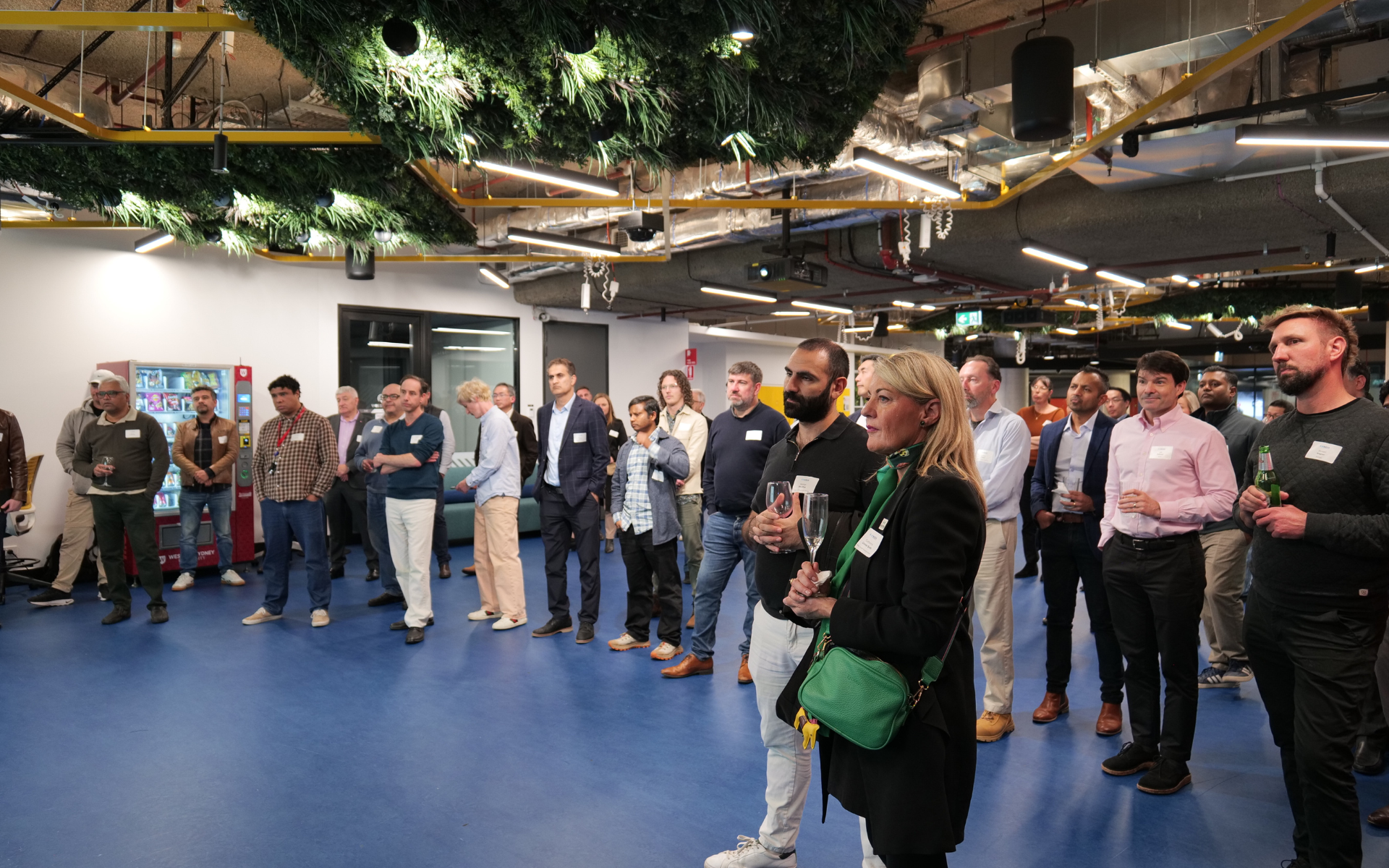
The event brought together researchers, manufacturers, technology developers and industry representatives to explore opportunities for collaboration and the commercialisation of Australian sensing technologies.
Dr Adriano Di Pietro, CEO of aerospace company AMSL Aero, highlighted the importance of developing Australian-made aircraft platforms that can support the deployment and commercialisation of locally developed sensing technologies.
The Bankstown-based company develops electric and hydrogen-electric aircraft, as well as uncrewed systems designed to give researchers, manufacturers and technology developers greater flexibility to integrate sensors, payloads and software.
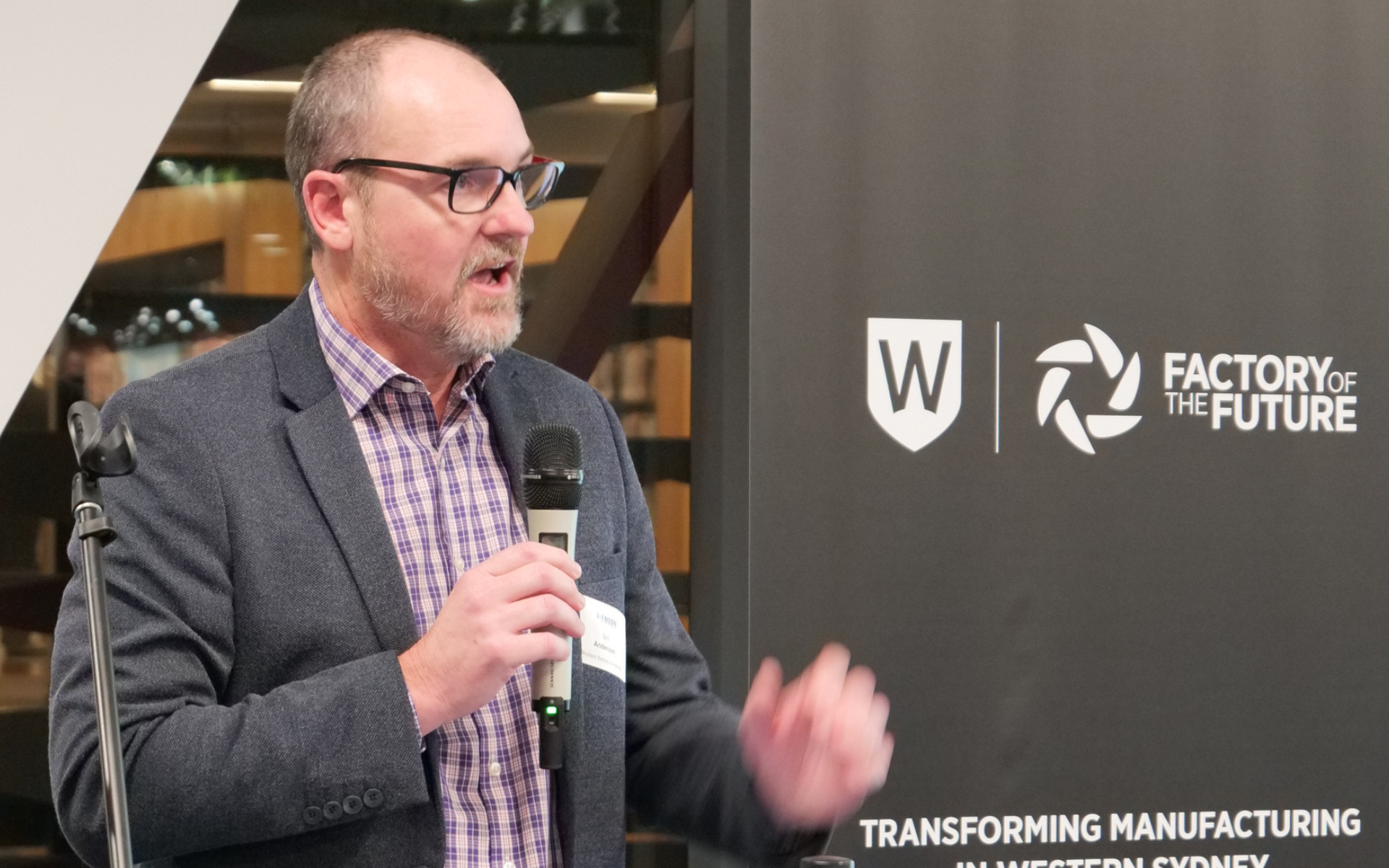
Deputy Vice-Chancellor (Research and Innovation) at Western Sydney University, Professor Ian Anderson
This includes Astiia, AMSL Aero’s first Australian uncrewed aircraft, a sub-two-kilogram platform already in service for intelligence, surveillance and reconnaissance applications.
Dr Di Pietro said the aircraft’s broader value lay in providing an open platform through which sensing technologies could be tested, deployed and brought to market.
“We build the drones here. They are open to you, they are trusted, and they use an Australian supply chain,” Dr Di Pietro said.
“We also work with a number of sensor producers right now, and we want to see that work get out there and realise impact for Australian industry : in defence, but also agriculture, conservation and emergency response.”
He said collaboration between industry, universities and research networks was essential to overcoming the “valley of death” between invention and commercialisation.
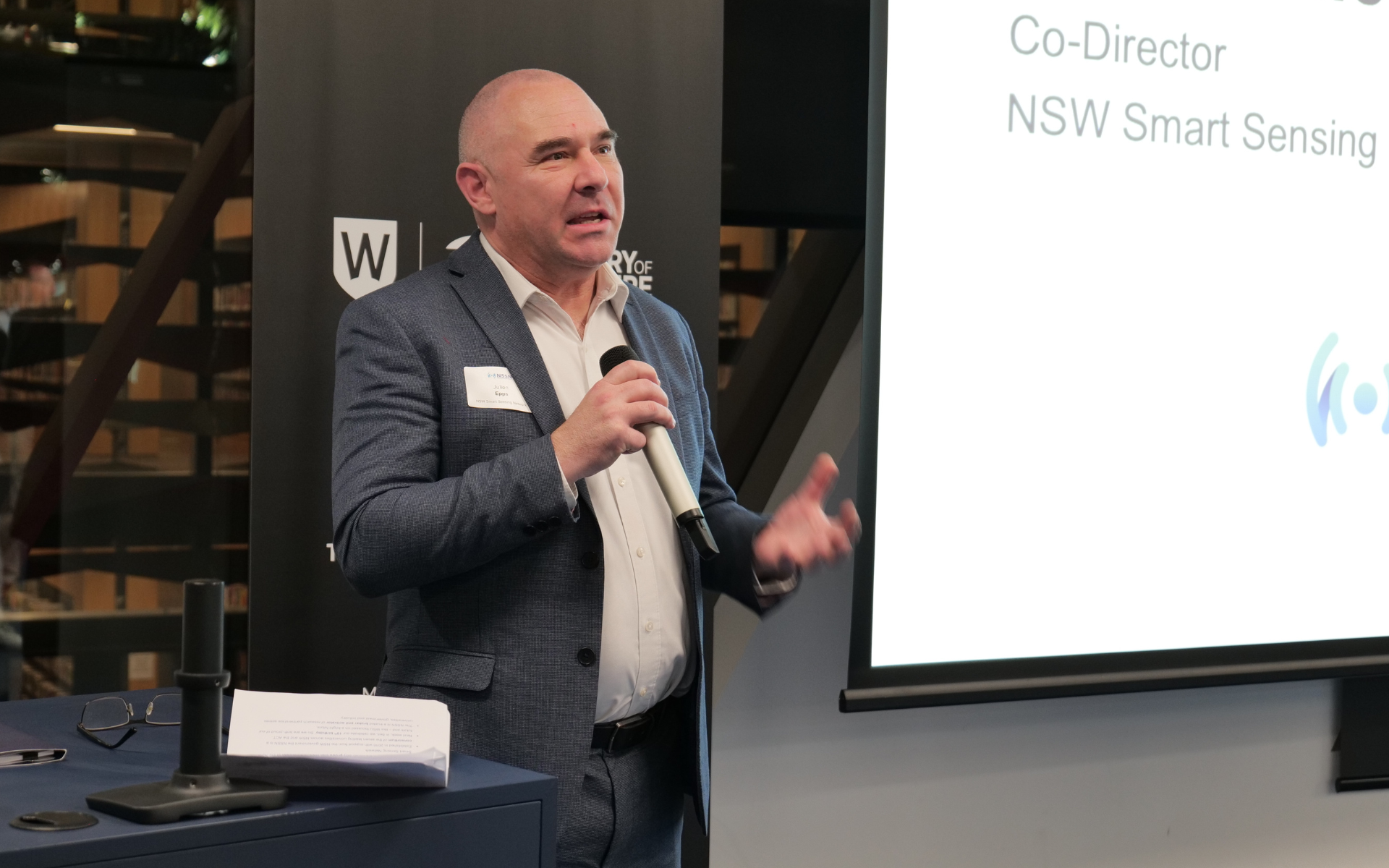
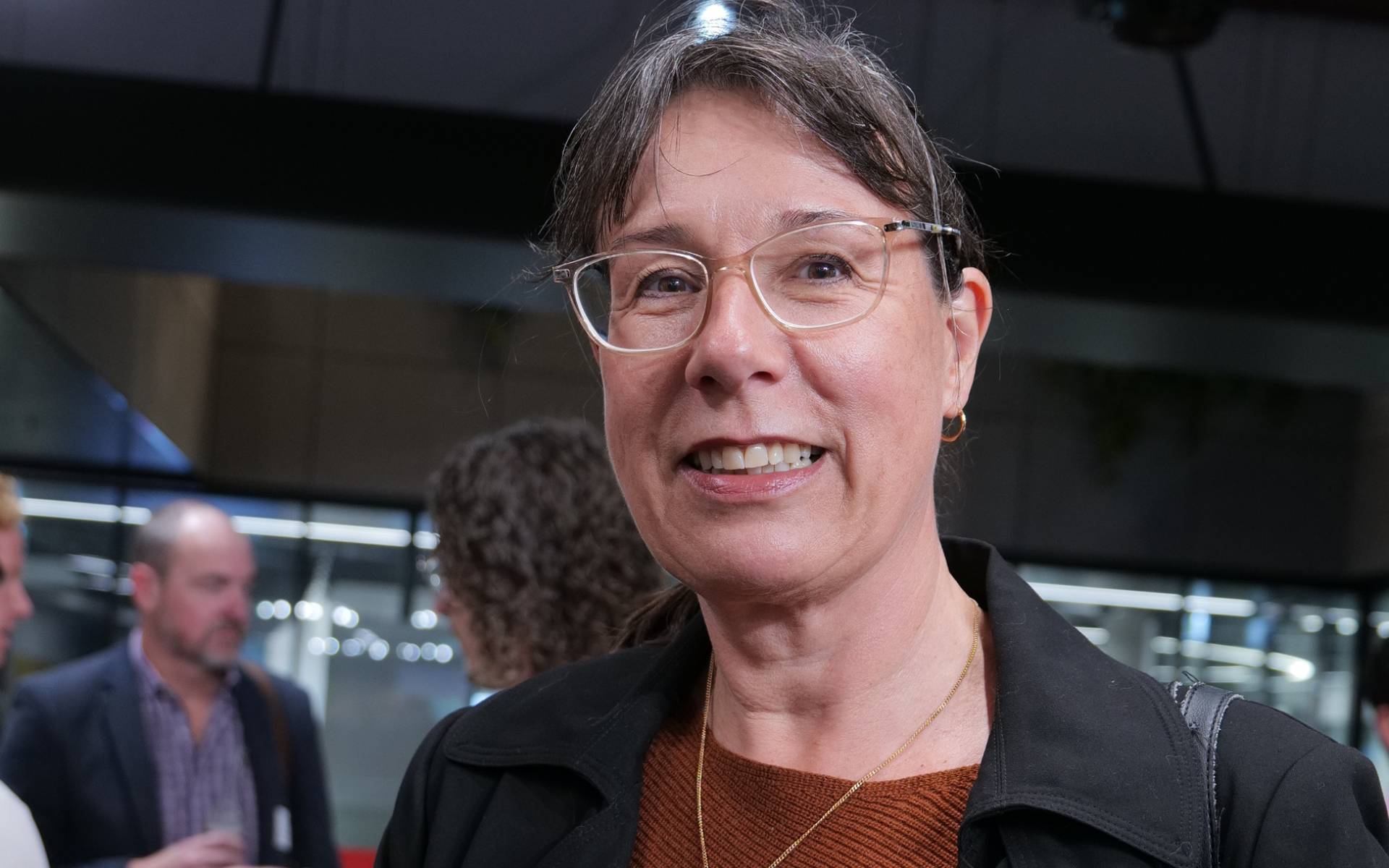
NSW Smart Sensing Network Co-Director Professor Julien Epps
“The prize isn’t the aircraft. The prize is putting sensing technology out there, with all of you, and getting that into the market,” he said.
He encouraged researchers, manufacturers and sensing technology developers to collaborate with AMSL Aero to strengthen Australian capability and create practical benefits for industry and communities.
Deputy Vice-Chancellor (Research and Innovation) at Western Sydney University, Professor Ian Anderson, highlighted the University’s work in applying advanced sensing technologies across healthcare, neuromorphic sensing, space, defence, agriculture, manufacturing and bushfire detection.
He said Western Sydney University’s Factory of the Future demonstrated how sensing, robotics and artificial intelligence could help industry transition to more advanced and productive forms of manufacturing.
“This facility drives rapid transformation in industry by supporting the shift from traditional manufacturing to advanced manufacturing, and developing new approaches where people, equipment, and AI can work together in intelligent teams to improve the outcomes that come from the innovation within that ecosystem. And of course, central to that is sensing technology.
“Across the Factory of the Future we are developing and deploying physical, visual, auditory and olfactory sensing technologies, integrated with robotic and intelligent systems, creating new opportunities for industry to improve products, processes, and performance,” Prof Anderson said.
Co-Director of the NSW Smart Sensing Network, Prof Julien Epps, highlighted Western Sydney’s entrepreneurial culture and potential as a centre for innovation.
“This is an area that is not only growing rapidly — I think I heard it is one of the fastest-growing regions in the Western world — but there’s an incredible entrepreneurial spirit here and a real sense of innovation and optimism, which is fantastic,” Prof Epps said.
“And, of course, the Bankstown City campus really reflects this.”
The next Sensing Industry Connect will be held at the University of Wollongong on 9 November.