NSSN Projects
Our projects are organised across five priority themes which tackle some of today’s most pressing challenges, harnessing smart sensing and world-class research partnerships to deliver real-world impact for our environment, health, economy and society.
Human Health
Investing in human health is key to building more equitable, sustainable societies—and with the rise of wearable sensors and advanced biomedical devices, the way we monitor, diagnose and manage our wellbeing is rapidly being transformed.
To find out how the NSSN can help solve your Human Health challenges, please contact Catherine Oates-Smith at catherine.oatessmith@nssn.org.au.

Creating a sensor-driven care ecosystem that enhances ageing people’s experience in their homes to optimise healthy ageing.
MOSAIC will innovate hearing and communication devices to work in synergy with sensor networks to detect conversational difficulties and prevent communication breakdowns.
Improving the management of hearing health by providing NSW Meals on Wheels volunteers screening tools to identify hearing issues in homebound older people.
This Hub aims to accelerate the growth of Australia's emerging biosensing industry.
Advancing a non-invasive sensor system to reduce hospital admissions and readmission.
Identifying a set of meaningful measurements that provide a comprehensive understanding of older people's wellbeing at home, to prevent significant events and subsequent hospital admission.
Extending the reach and capacity of health interpretive services using AI.
A range of sensors; optical, infrared and radar, are combined to build a picture of at-risk human vital signs.
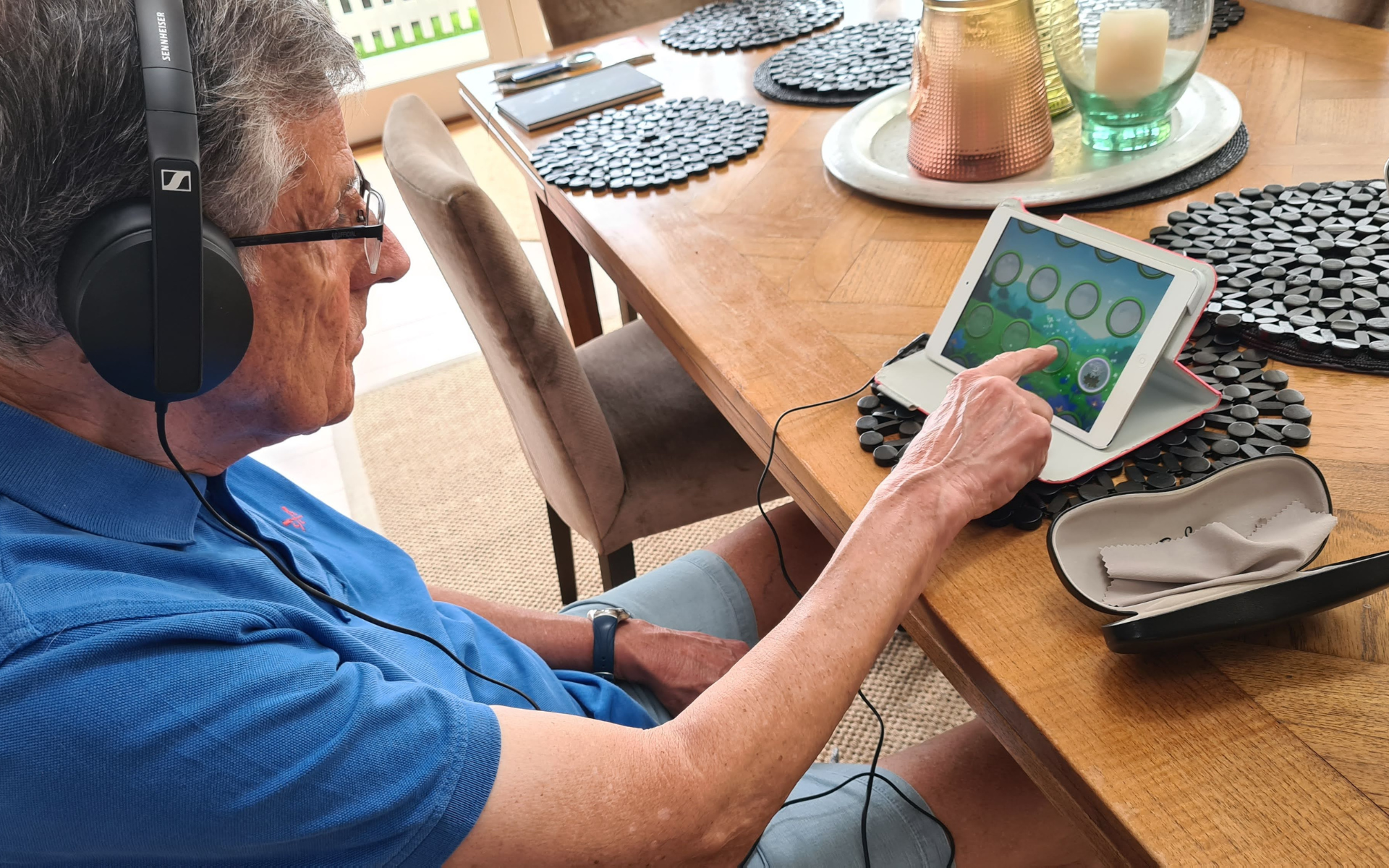
The pilot of a digital literacy program empowering seniors with vision and/or hearing loss to stay independent and connected.
Australia’s first study using advanced sensors to assess brain, sleep, and physical health in hearing device users.
Developing a smart triaging platform using Australian-made wearable sensors and data science to monitor key health biomarkers in real time, enabling early intervention, improving outcomes for at-risk Australians, and strengthening sovereign manufacturing capability.
A range of sensors; optical, infrared and radar, are combined to build a picture of at-risk human vital signs.
Developing machine learning algorithms which improve the prediction of health risks in older adults, enabling earlier intervention and prevention of adverse events.
Leveraging AI and machine learning to optimise compliance monitoring, enhancing fraud prevention, scalability and cybersecurity while minimising user disruption and ensuring secure, privacy-conscious data management.
The NSSN is part of a group of 37 university and industry partners leading the establishment of a new $24M ARC Research Hub for Connected Sensors for Health.
Developing a low-cost, paper-based UV sensor using printable, non-toxic materials that changes colour to indicate sun exposure levels and help users avoid overexposure.
Environment & Agriculture
Agriculture is vital to feeding a growing global population, but as the world faces a triple crisis of climate change, biodiversity loss and pollution, smart sensing technologies are enabling more precise, sustainable farming that boosts productivity while protecting the planet.
To find out how the NSSN can help solve your Environment & Agriculture challenges, please contact Dr Tom Hu at tomonori.hu@nssn.org.au.
Testing the safety of drinking water rapidly using a biosensor with ultra low detection limits.
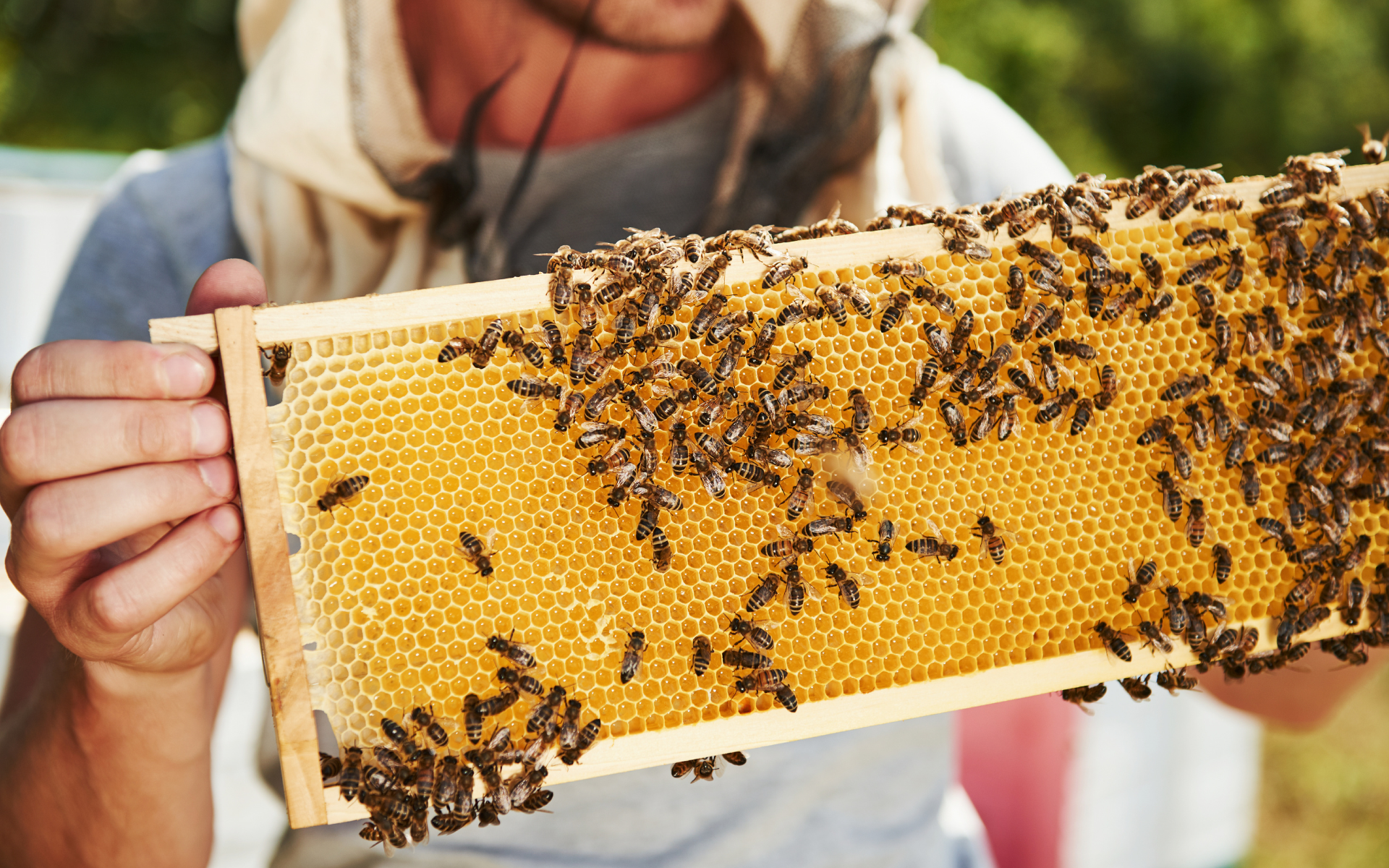
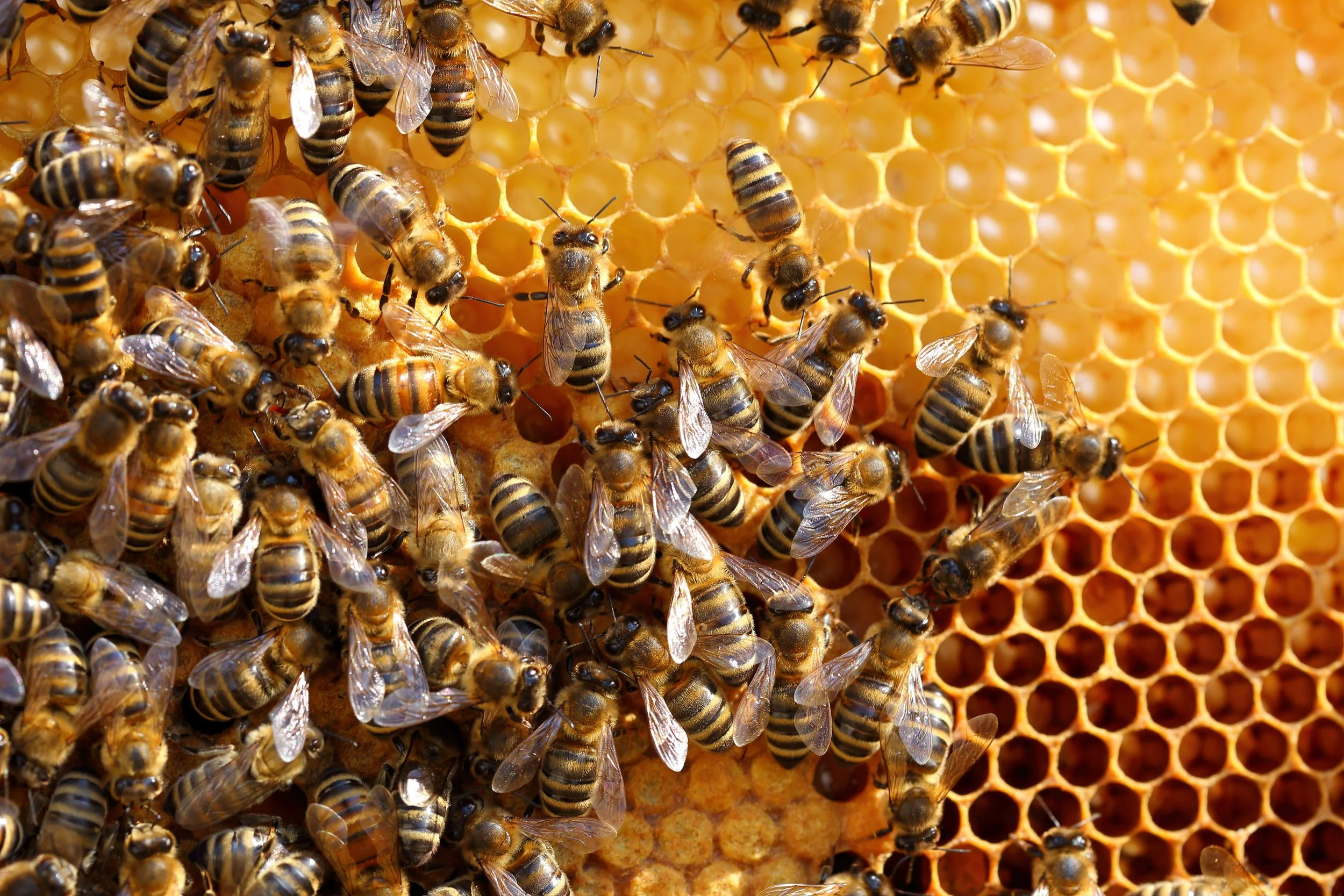
Sustainable beekeeping practices and cleaner agricultural ecosystems via remote beehive monitoring systems.
Developing a low-cost, high-accuracy optical particle sensor capable of real-time, large-scale air quality monitoring, with ongoing work focused on miniaturisation and integration into everyday devices to support a broader sensing network.
Creating a connected water quality monitor that will detect hazardous water conditions and deliver real-time alerts and reports via an app to farmers.
Demonstrating a sensor-verified, scalable process using green hydrogen VUV light to neutralise PFAS in water.
Developing breakthrough tech to detect mould spores in near real-time.
The development of a rapid and affordable scanning technology for the identification of grass seed infestation.
Nationwide survey to track Varroa mite impact on honey bee populations and current beekeeper strategies.
Developing an easily deployable and reliable system for acquiring hydrographic data – sensing dams, river-beds, and underwater structures.
Identifying the acoustic surveys which offer large coverage of koala calls in a format that allows operators to ‘set and forget’ sensors.
Investigating the use of low-frequency RF signals, including LoRa, to measure soil moisture across fields, demonstrating potential for non-contact, distributed soil sensing.
Evaluating laser-based optical sensing methods to enable real-time, non-contact monitoring of waterway conditions.
Assessing the feasibility of an innovative system to automate real-time detection of whales onboard seismic survey ships.
Improving the accuracy of koala call detection and reduced false positives, advancing smart sensing techniques for wildlife monitoring and paving the way for mapping koala populations across NSW.
Developing a technology framework and roadmap combining advanced sensing, gravity data and data fusion to better understand where water is located and how it moves across NSW.
Natural Hazards
As climate change drives more frequent and severe natural disasters, smart sensing is enabling real-time insights and advanced monitoring systems to transform how we predict, respond to and recover from natural hazards.
To find out how the NSSN can help solve your Natural Hazard challenges, please email peter.runcie@nssn.org.au.
Providing a proof of concept for using machine learning and multi-source data, including near real-time satellite inputs, to enhance flood intelligence for the NSW State Emergency Service and support live decision-making tools for response planners.
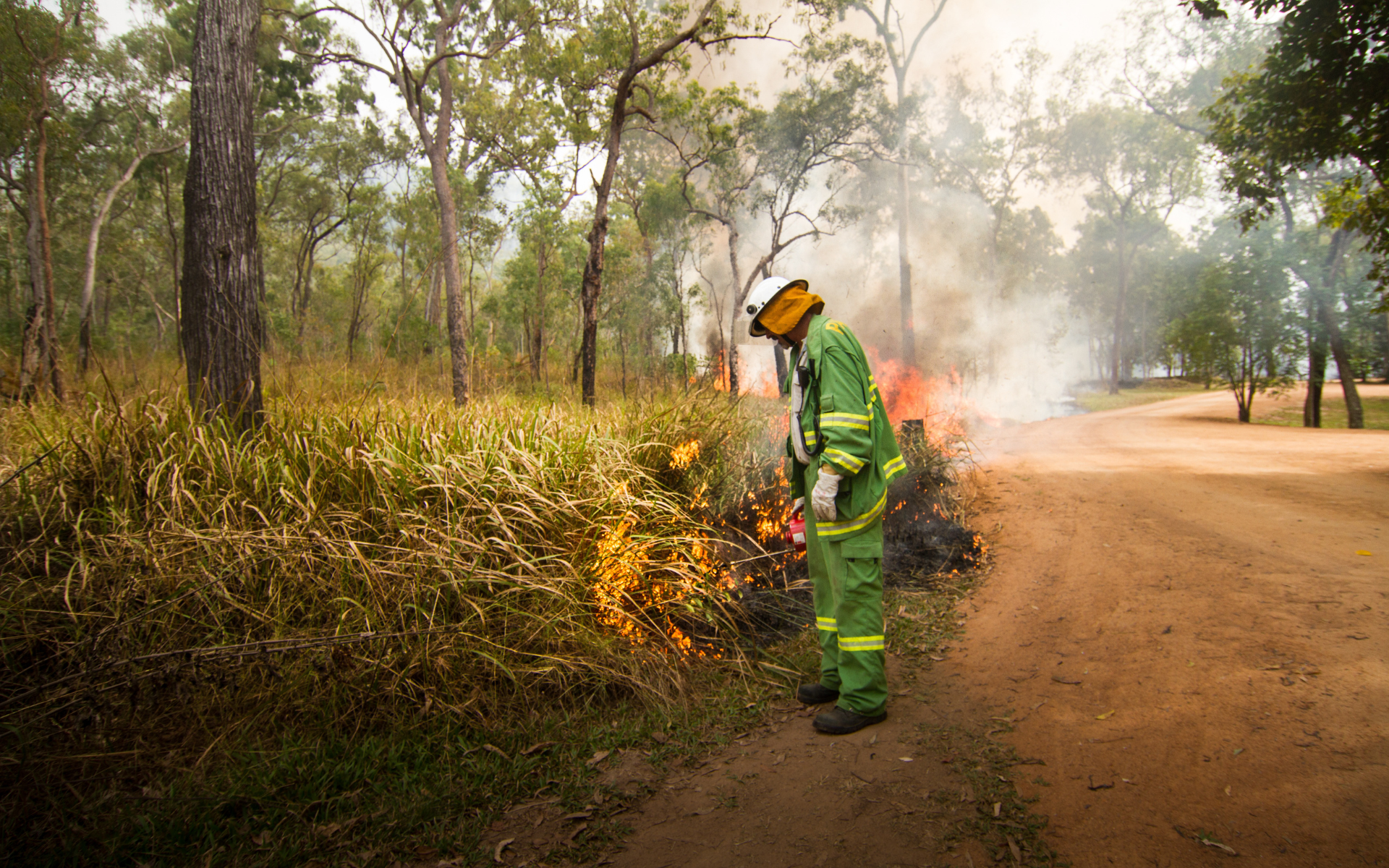
Empowering bushfire managers to efficiently monitor the moisture content of bushfire fuel using cost-effective Internet of Things sensors.
AI enabled translation of hazard warnings for Australian residents who speak English as second language.
A wireless rain gauge that uses everyday mobile signals to deliver near real-time rainfall data for disaster preparedness.
Utilising novel lightning detectors to allow fire agencies to efficiently target High Risk Lightning (HRL) strikes.
Aiming to supplement a variety of new tools for improving visibility with an additional source of visual information to fire services that leverages existing infrastructure owned by Sydney Water and autonomous drone technology.
A feasibility study to develop an unpowered air-to-ground vehicle with a communications payload for on-demand emergency networks.
Net Zero
Enabling automatic performance monitoring of distributed energy systems by leveraging in-built sensors in system inverters, power electronics and control systems.
Developing a multi-stage coagulant process, supported by advanced sensing techniques, to remove microplastic fibres from wastewater, achieving promising early results in reducing pollution from synthetic clothing.
Creating event based sensors to capture the intricate movement of insects during breeding cycles and informing best practices.
Using microwave annealing to speed up the production of cost-effective perovskite PV cells.
NSSN researchers are working with PEGRAS Asia Pacific and major Australian businesses, including the Labelmakers Group, to boost Australia’s recycling capability.
As Australia moves toward a low-carbon future, smart sensing is accelerating Net Zero innovation—enabling cleaner technologies, more efficient systems, and new opportunities for sustainable economic growth.
To find out how the NSSN can help solve your Net Zero challenges, please email admin@nssn.org.au.
Smart Places
Australia’s rapidly growing, highly urbanised population is placing increasing pressure on cities, and smart sensing is enabling more efficient, connected and sustainable urban development to support future communities.
To find out how the NSSN can help solve your Smart Places challenges, please email peter.runcie@nssn.org.au.
Producing high performance, low-cost fibre optics and advancing their use in the health monitoring of civil infrastructure by carrying out an integrated experimental and field analysis, machine learning modelling and digital twin solution.
Characterising urban heat around the Greater Sydney Region using earth observational imagery, land segmentation and ground truth data.
Working with Sydney Water and a range of other water industry partners, this $3.4 million program has delivered innovative smart sensing solutions to the water industry.
OPENAIR positions NSW as a forerunner in the use of low-cost air quality sensing in the world.