
News
News
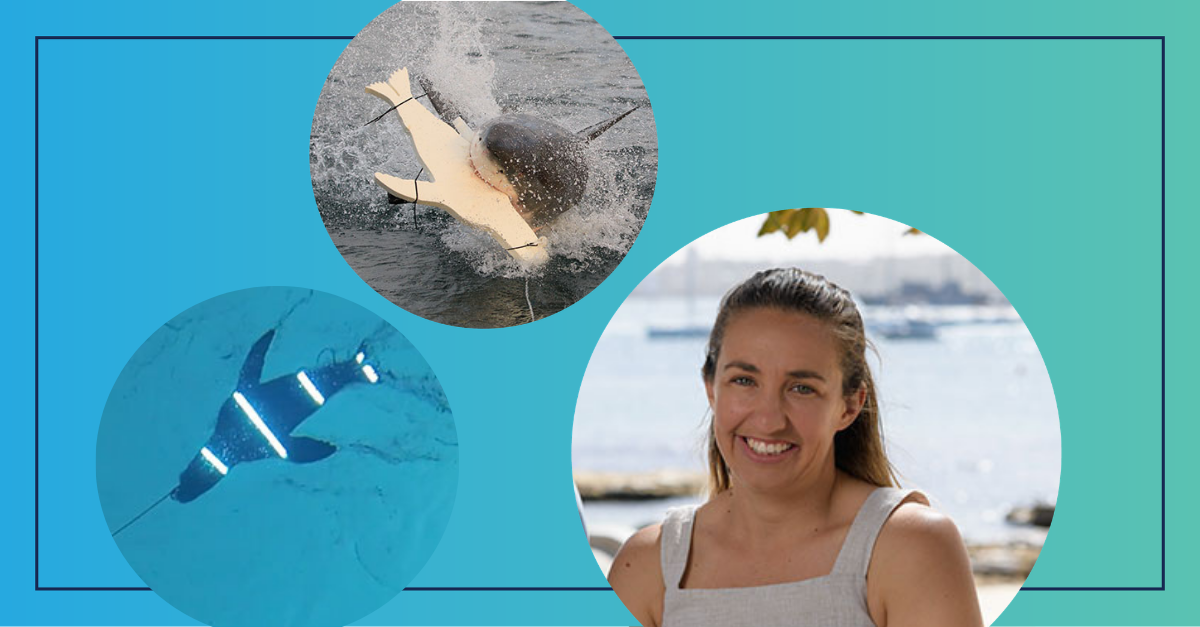
The lights which could make surfboards invisible to great white sharks
Macquarie University Sensory Biologist Dr Laura Ryan is researching how sharks use their natural sensors to perceive their environment - what they see, what they smell and their ability to detect electric fields - to develop new technologies which could reduce shark attacks while protecting them.

The Sensor - March 2026
This month’s newsletter marks the start of a series on the NSSN’s 10th anniversary with an Op-Ed from the NSW Chief Scientist & Engineer, alongside stories on emerging climate-focused research, drone innovation, board opportunities and Australia’s next wave of advanced hardware.
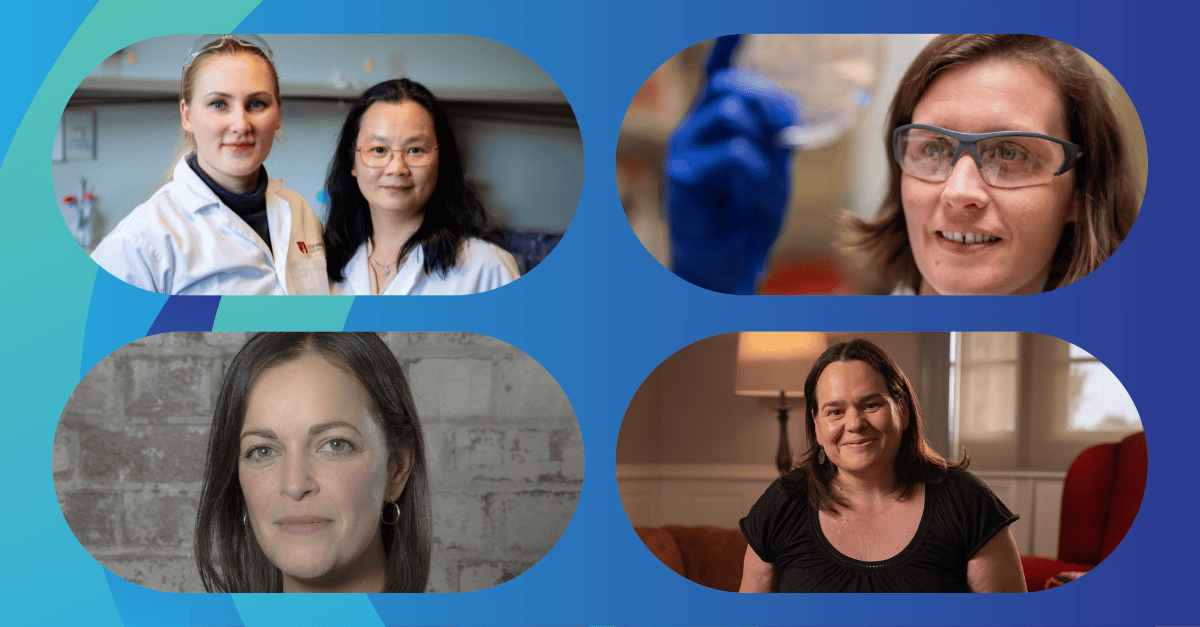
Beyond the funding gap: Women building Australia’s next generation of spinouts
To mark International Women’s Day, five women from our member universities who are translating smart sensing research into real-world ventures share what drives them, the barriers they face, and why representation in innovation matters.

A decade of impact: the NSSN turns 10
The NSSN marks ten years in July 2026. In this Op-Ed, NSW Chief Scientist & Engineer Professor Hugh Durrant-Whyte reflects on the Network’s origins, achievements and the priorities shaping the next decade of sensing innovation in NSW.
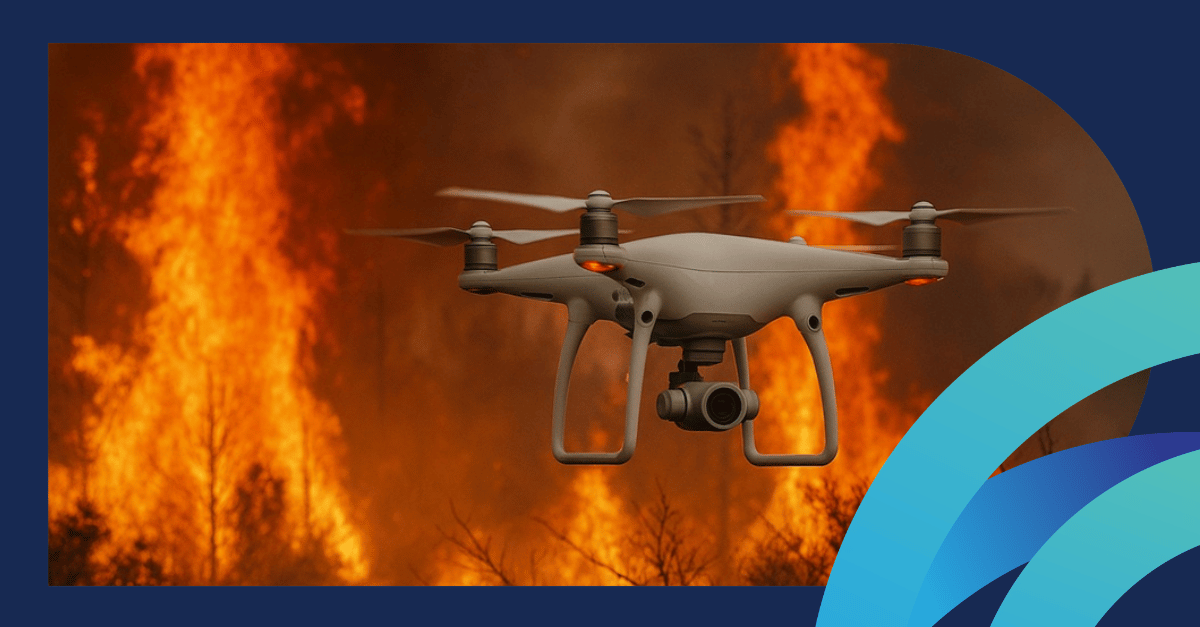
Emergency Services Drone Innovation Day to showcase next-generation capabilities
New drone technologies that could transform disaster response will be showcased in Canberra on 10 March, bringing together researchers, industry and emergency services to explore next-generation capabilities.
Call for EOI to join the NSSN Board
The NSSN is seeking expressions of interest from suitably qualified individuals to join its Board.
Call for EOI for NSSN Board Chair
The NSSN is inviting expressions of interest from suitably qualified individuals for the role of Board Chair.
Australia can lead the next wave of advanced hardware, says Emergence Quantum CEO
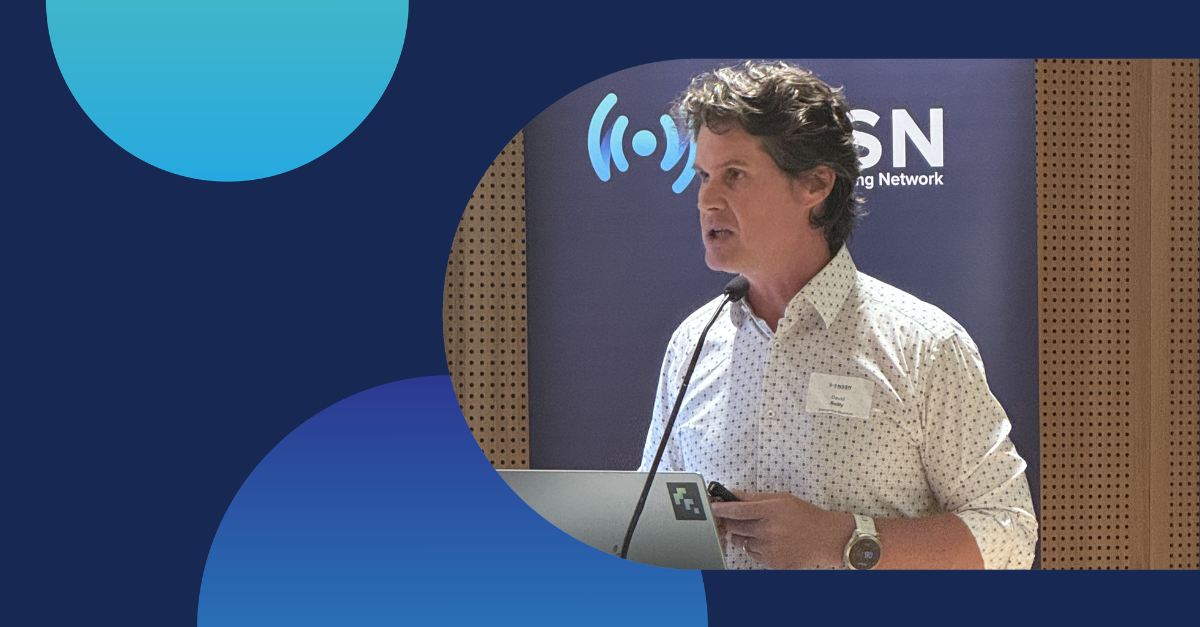
Co-Founder and CEO of deep tech startup Emergence Quantum, Professor David Reilly, said Australia is well positioned to build the next generation of hardware beyond traditional silicon computing at last week’s NSSN Sensing Industry Connect at the University of Sydney.

Meet two researchers using smart sensing technologies to tackle climate challenges
On International Day of Women and Girls in Science, we celebrate two emerging researchers who are using smart sensing innovations to help solve climate and environmental challenges, from Antarctica to Australian farms.

The Sensor - February 2026
In this month’s newsletter, we spotlight smart sensing breakthroughs spanning organic semiconductor sensors, koala conservation and disaster resilience, alongside innovative UNSW research focused on human sensory experience.

A crowdsourced sensory map to help neurodivergent Sydneysiders navigate the city - and help planners fix it
A study by UNSW researcher Dr Fatemeh Aminpour shows how crowded, noisy and visually complex city spaces can make everyday journeys exhausting for neurodivergent people. She proposes a crowdsourced sensory map, combining sensors that measure noise, light and crowding with lived-experience data, to help cities identify problem areas and design more inclusive public spaces.
Project 'Airbear' tech could help predict best koala habitats from the sky
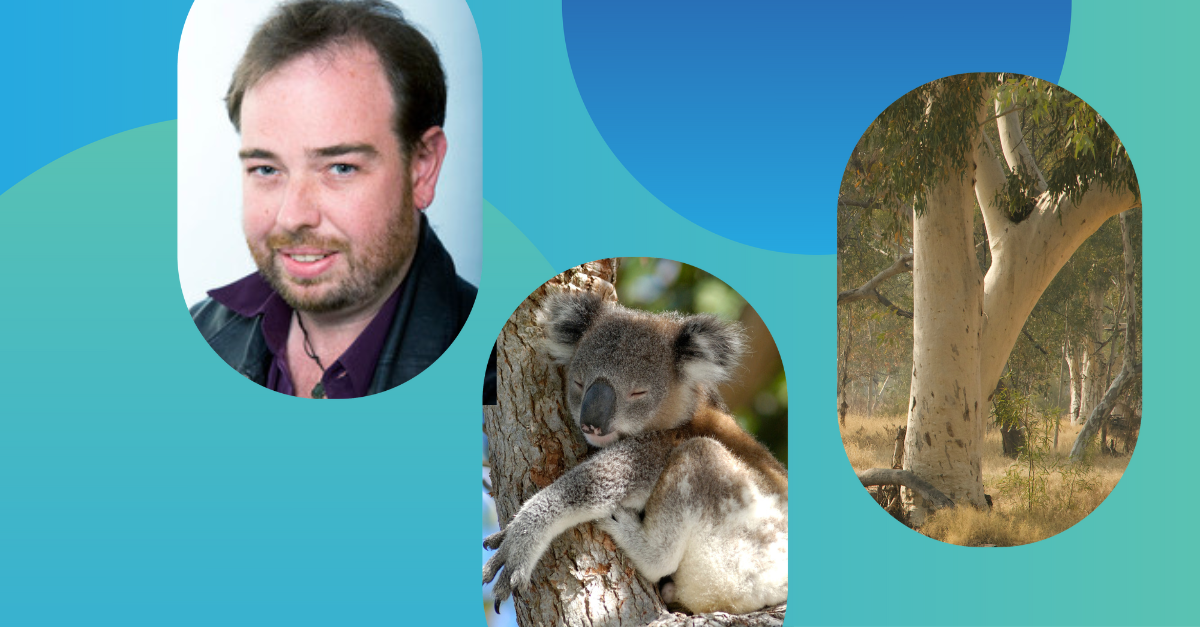
University of Sydney researchers led by Professor Mathew Crowther have used hyperspectral airborne imagery and machine learning to identify eucalyptus tree species and leaf nutrition favoured by koalas, enabling large-scale mapping of high-quality habitats. The approach could transform conservation.